Minister for Financial Markets Niklas Wykman (left) and Blykalla CEO Jacob Stedman. (Photo: Olle Friman/Government Offices)
Within the span of two weeks, three Swedish companies—Blykalla, Studsvik, and Nordic Baseload Power—submitted applications to their country’s government for state aid for their respective new nuclear builds. Applications are handled by Sweden’s Ministry of Finance.
In early June, SMR developer Blykalla submitted its application to the Swedish government, followed by engineering services firm Studsvik on June 12. And on June 16, energy company Nordic Baseload Power became the latest to apply for financial support. Overall, the Swedish government has received four applications for state aid since last year.
Vallecitos hot cell. (Photo: Zeno Power)
Zeno Power announced today that it is restoring hot cell infrastructure at the Vallecitos Nuclear Center to produce radioisotope power systems (RPSs) for use in extreme environments.
“The facility is initially supporting production of strontium-90–fueled nuclear batter[ies] for undersea applications,” said Tyler Bernstein, Zeno cofounder and CEO. “Zeno is also scoping options as it seeks to rapidly scale production of nuclear batteries for space domains.”
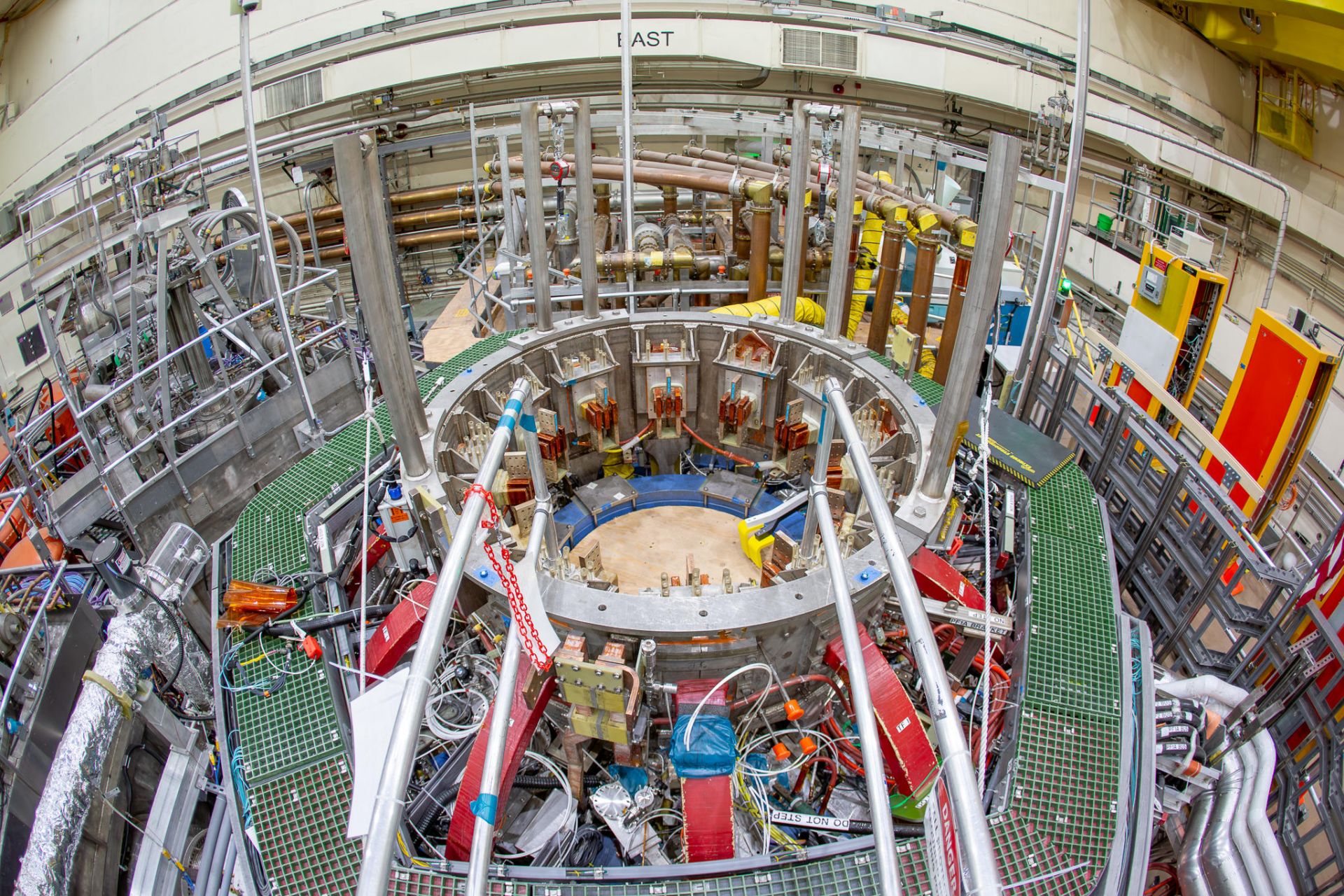
Princeton Plasma Physics Laboratory's NSTX-U. (Photo: Michael Livingston/PPPL)
The central magnet bundle for the National Spherical Torus Experiment–Upgrade (NSTX-U) at Princeton Plasma Physics Laboratory has been delivered to the facility in New Jersey, the national lab recently reported. The school bus–sized, 23,000-pound magnet bundle, manufactured at Elytt Energy in Bilbao, Spain, consists of a toroidal field magnet system and an ohmic-heating magnet system.
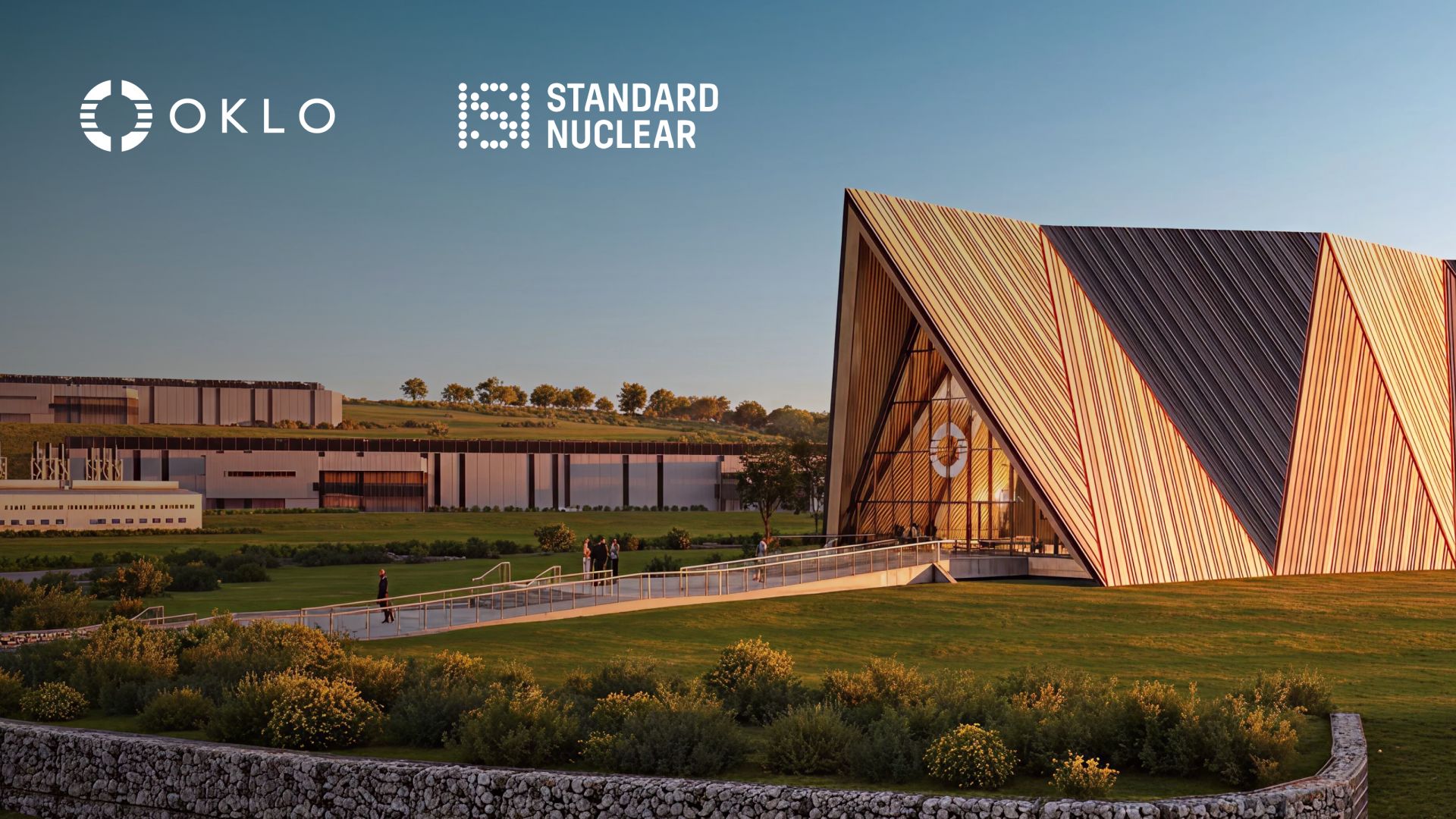
Oklo’s Aurora reactor concept. (Image: Oklo)
Oklo announced that it has signed a memorandum of understanding with Standard Nuclear to explore commercial collaboration on nuclear fuel recycling and advanced fuel manufacturing. According to Oklo, the collaboration with TRISO fuel fabricator Standard Nuclear represents the company’s first third-party offtake pathway for recycled nuclear materials, including surplus U.S. plutonium.
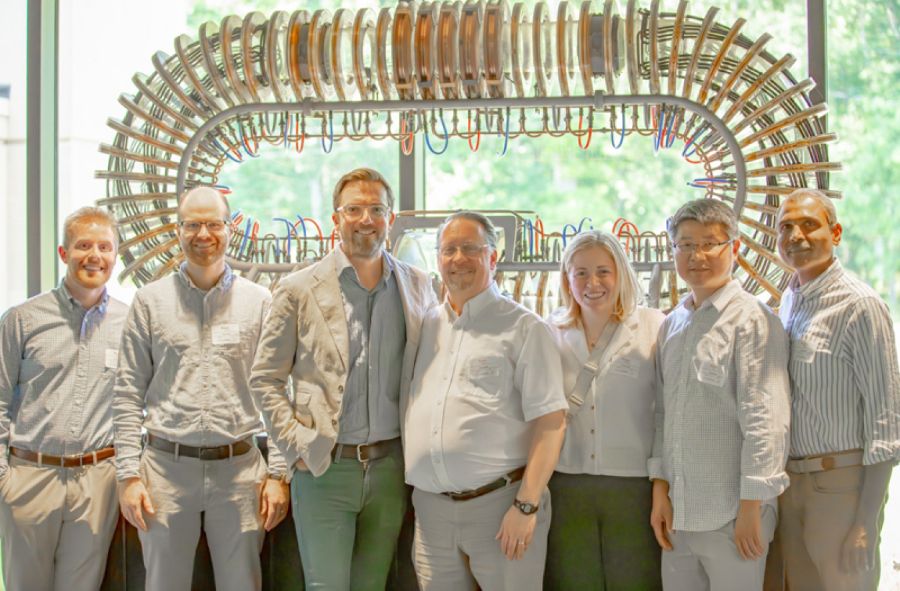
The Thea Energy team in front of PPPL’s model stellarator exhibited at the 1958 Atoms for Peace conference in Geneva, Switzerland. (Photo: Michael Livingston/PPPL)
Thea Energy has announced it is working with Nvidia and Synopsys to develop a digital twin of its stellarator fusion power plant concept, called Helios.
The team, which also includes Argonne National Laboratory and Princeton Plasma Physics Laboratory, will “analyze and scale vast datasets, rapidly evolve Thea Energy’s plant designs, and stress-test system operation in a workflow that outpaces traditional tools,” according to the company.
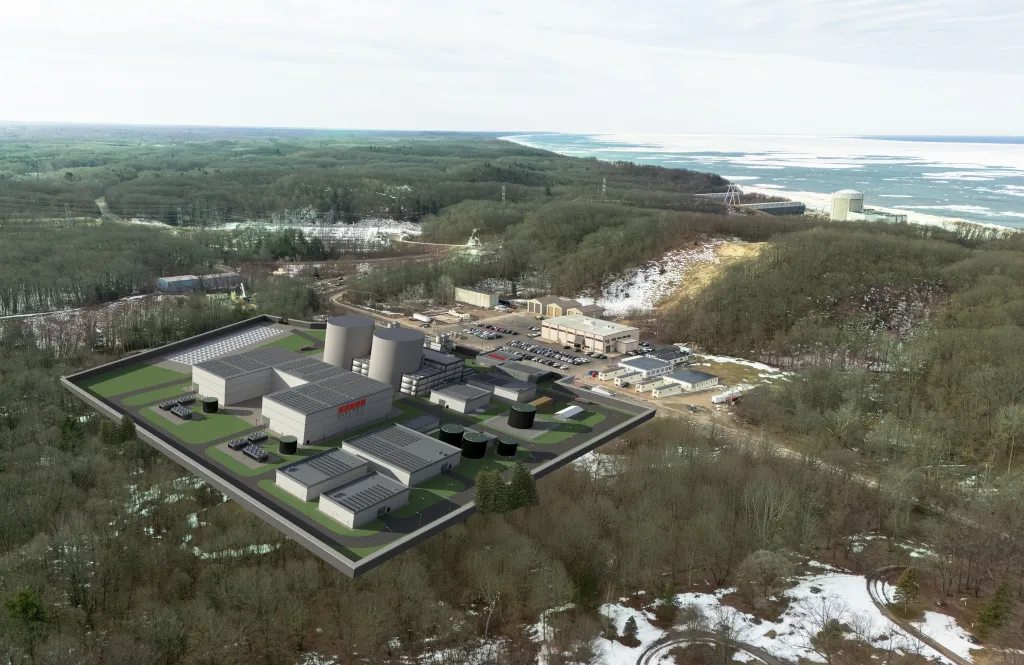
A rendering of the Palisades site, featuring two SMR-300 units in the foreground. (Image: Holtec)
The Nuclear Regulatory Commission is set to prepare an environmental impact statement for its review of Holtec International’s application to site two Holtec SMR-300 reactors at the Palisades site in Covert, Mich. The two planned reactors would be known as Pioneer-1 and -2.
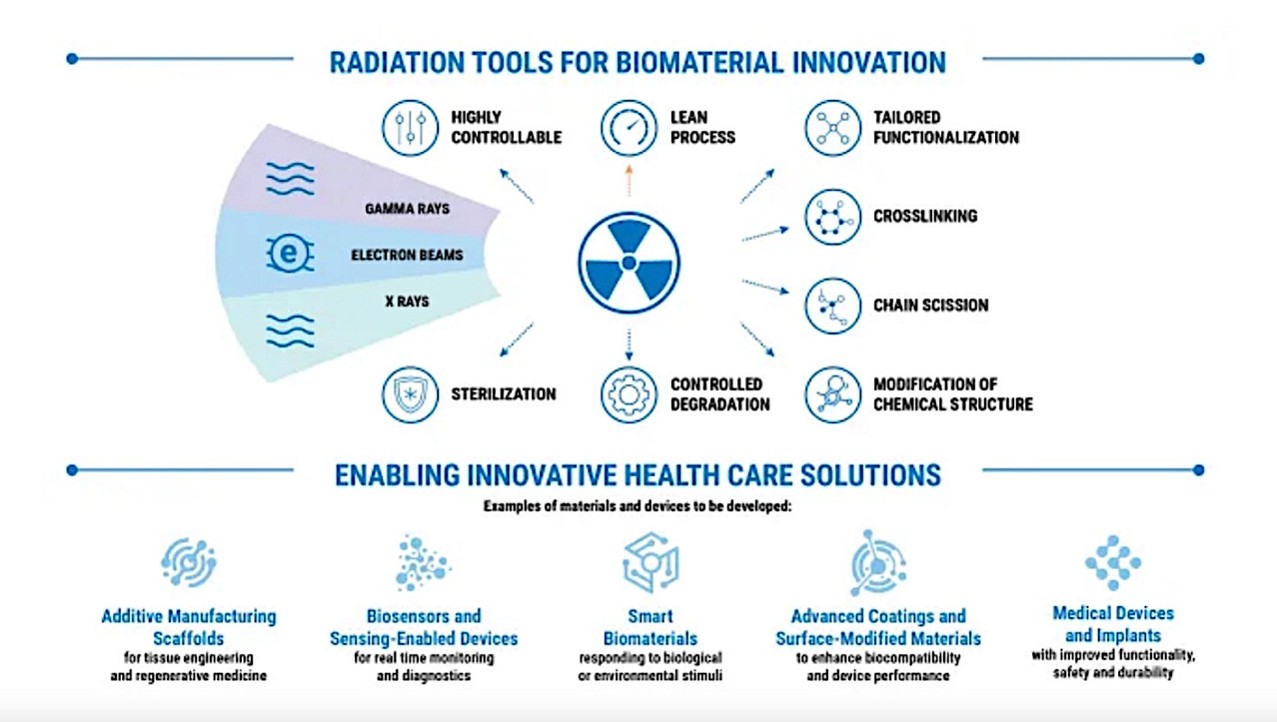
The use of radiation technologies to develop health care applications through the IAEA’s Smart Biomaterials for Next Generation Health Care Products initiative. (Image: A. Schlosman/IAEA)
The International Atomic Energy Agency is seeking research proposals for a new initiative launched by its Department of Nuclear Sciences and Applications called Smart Biomaterials for Next Generation Health Care Products. The agency said the program will help IAEA member states design “multifunctional, smart, high-performance biomaterials, including novel medical devices and responsive material systems.”
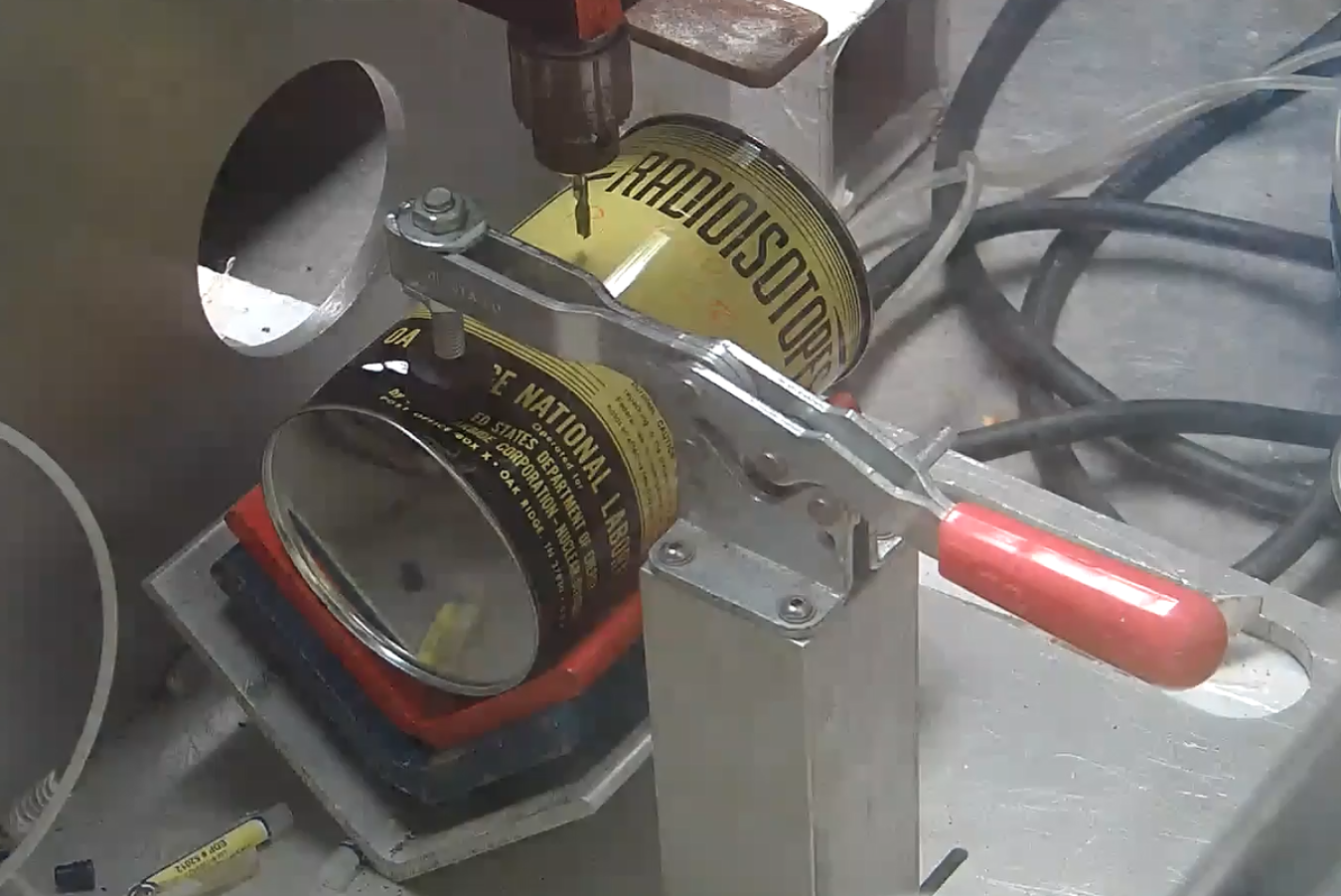
A canister of legacy oxide waste generated from previous research and development activities at ORNL is vented in a glovebox prior to being packaged for disposal. (Photo: DOE)
The Department of Energy’s Oak Ridge Office of Environmental Management and cleanup contractor United Cleanup Oak Ridge have surpassed their first-year target for processing legacy oxide waste at the site’s Transuranic Waste Processing Center (TWPC), reaching the milestone four months ahead of schedule.
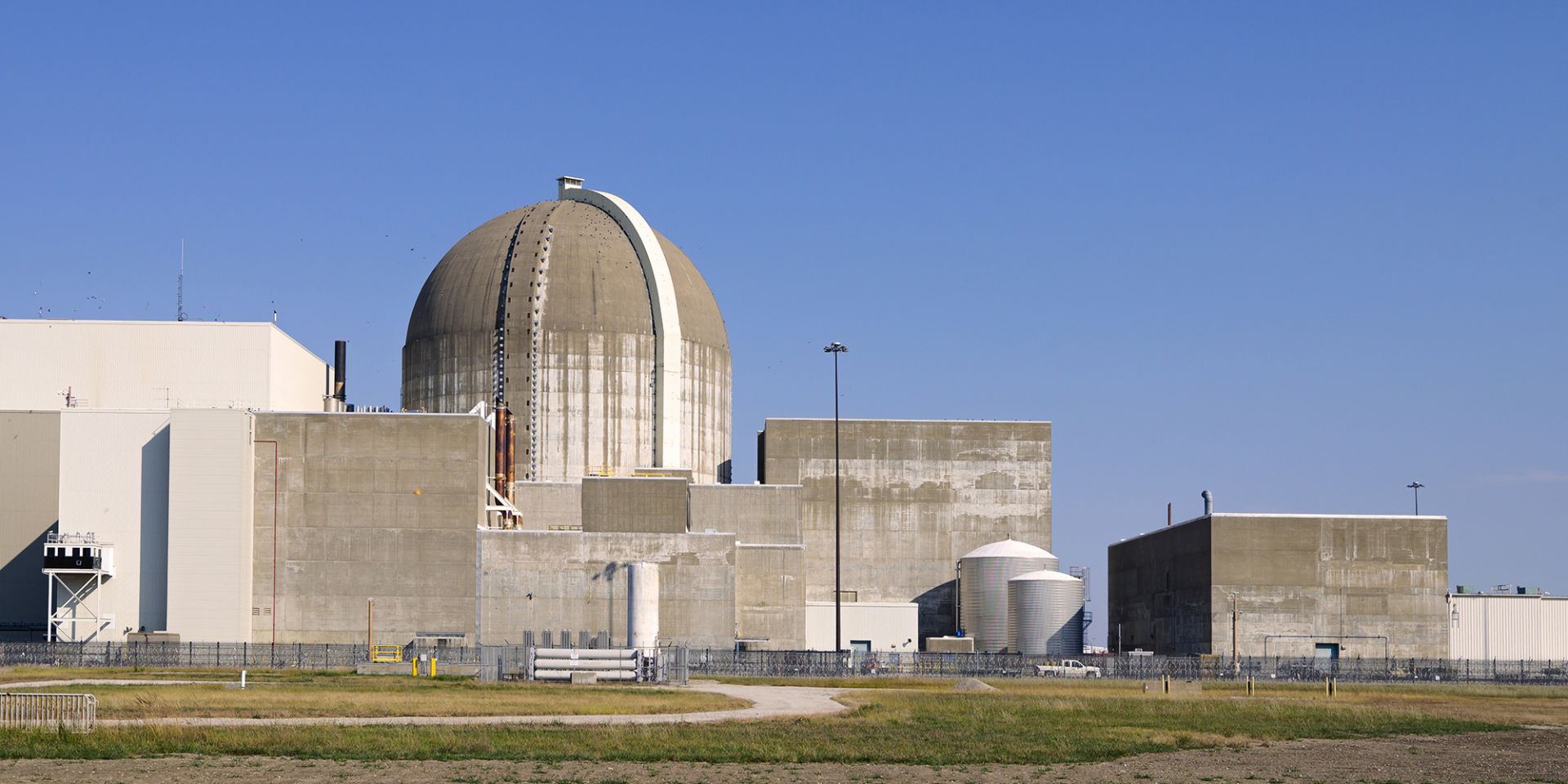
Wolf Creek nuclear power plant. (Photo: Evergy)
Evergy’s Wolf Creek Generating Station, near Burlington, is the only nuclear power plant in Kansas. In addition to generating 20 percent of the state’s electricity—enough to power 800,000 homes—it has been generating educational opportunities by providing internships and co-op employment to nuclear engineering students from universities around the Midwest for 35 years.
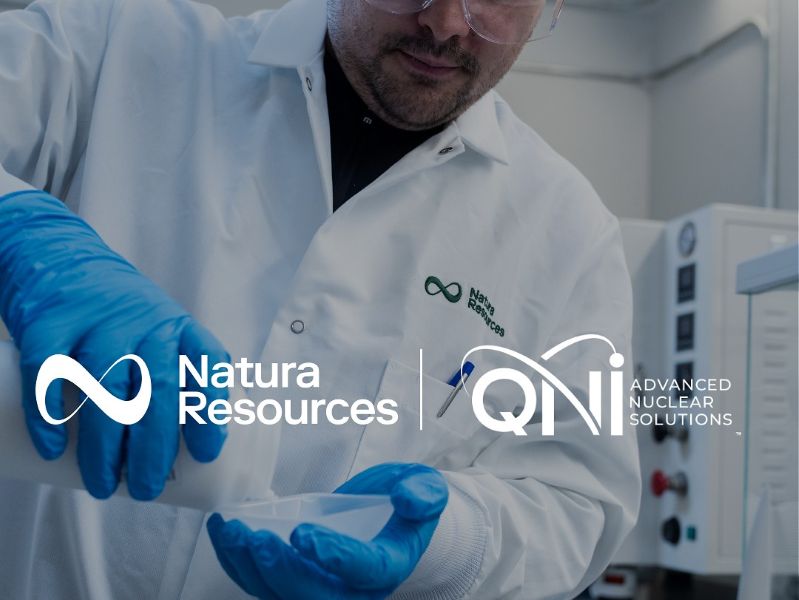
Natura is to work with QNI to source HALEU fuel. (Image: Natura Resources)
Molten salt reactor developer Natura Resources announced that it has entered into a formal agreement with New York–based start-up Quadrant Nuclear Industries to receive high-assay low-enriched uranium for Natura’s commercial reactor systems.
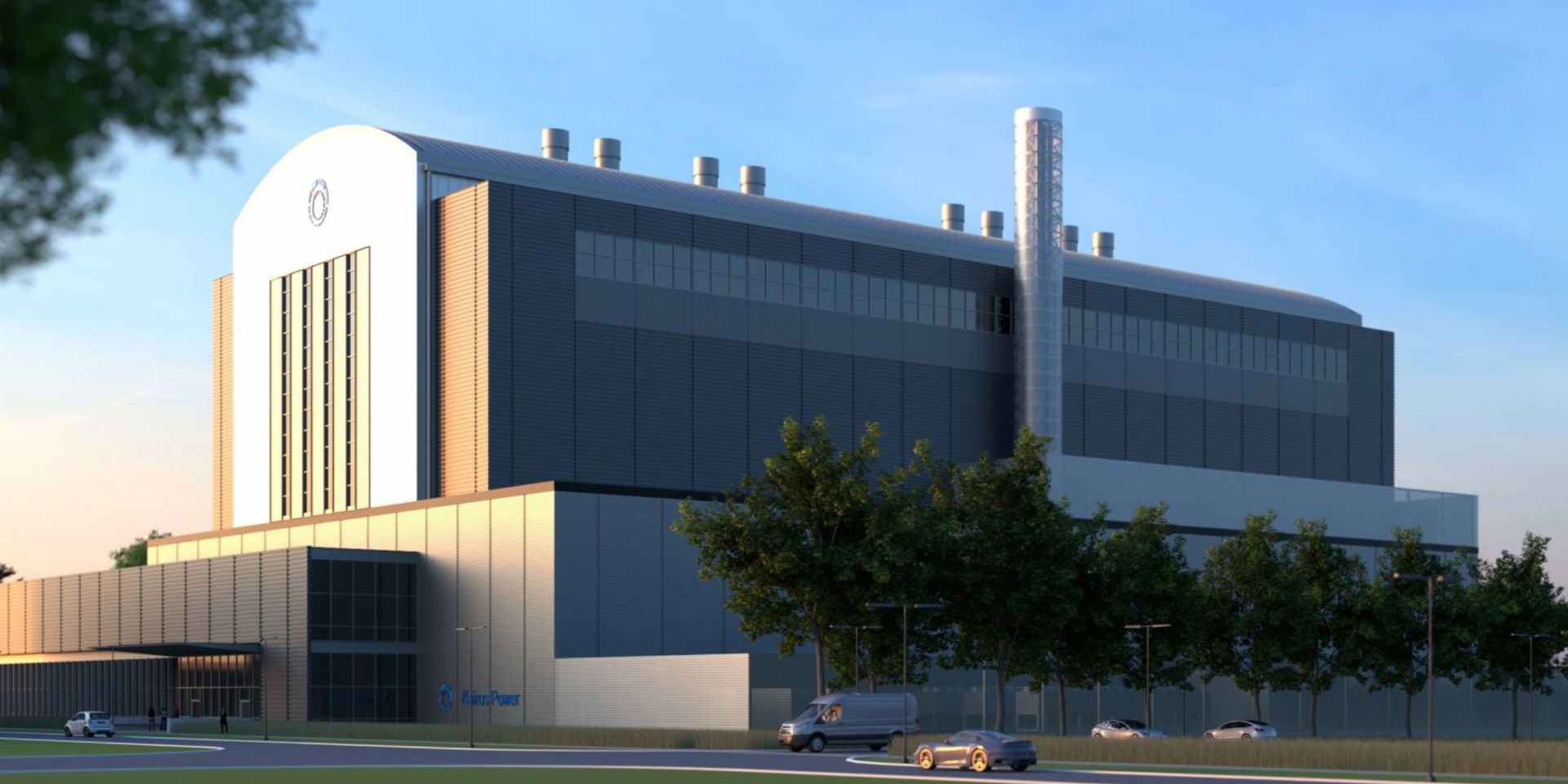
A depiction of Hermes 2. (Image: Kairos Power)
The drive to Kairos Power’s reactor demonstration site in Oak Ridge, Tenn., is not only scenic—it’s historic. Nearly 85 years ago, roughly 30,000 construction workers transformed orchards and farmland into a key Manhattan Project site. Depending on your route, you may pass by one of the three gatehouses that were once military checkpoints controlling access to Atomic Energy Commission production facilities.
Concept art of Oklo’s Aurora Powerhouse. (Image: Oklo)
On Thursday, Oklo announced that the Department of Energy’s Idaho Operations Office had approved the preliminary documented safety analysis (PDSA) for the company’s first deployment of its Aurora Powerhouse, which is currently under construction at Idaho National Laboratory.
It is the most recent in a long series of announcements from the 10 companies participating in the Reactor Pilot Program, which has a fast-approaching criticality deadline of July 4.
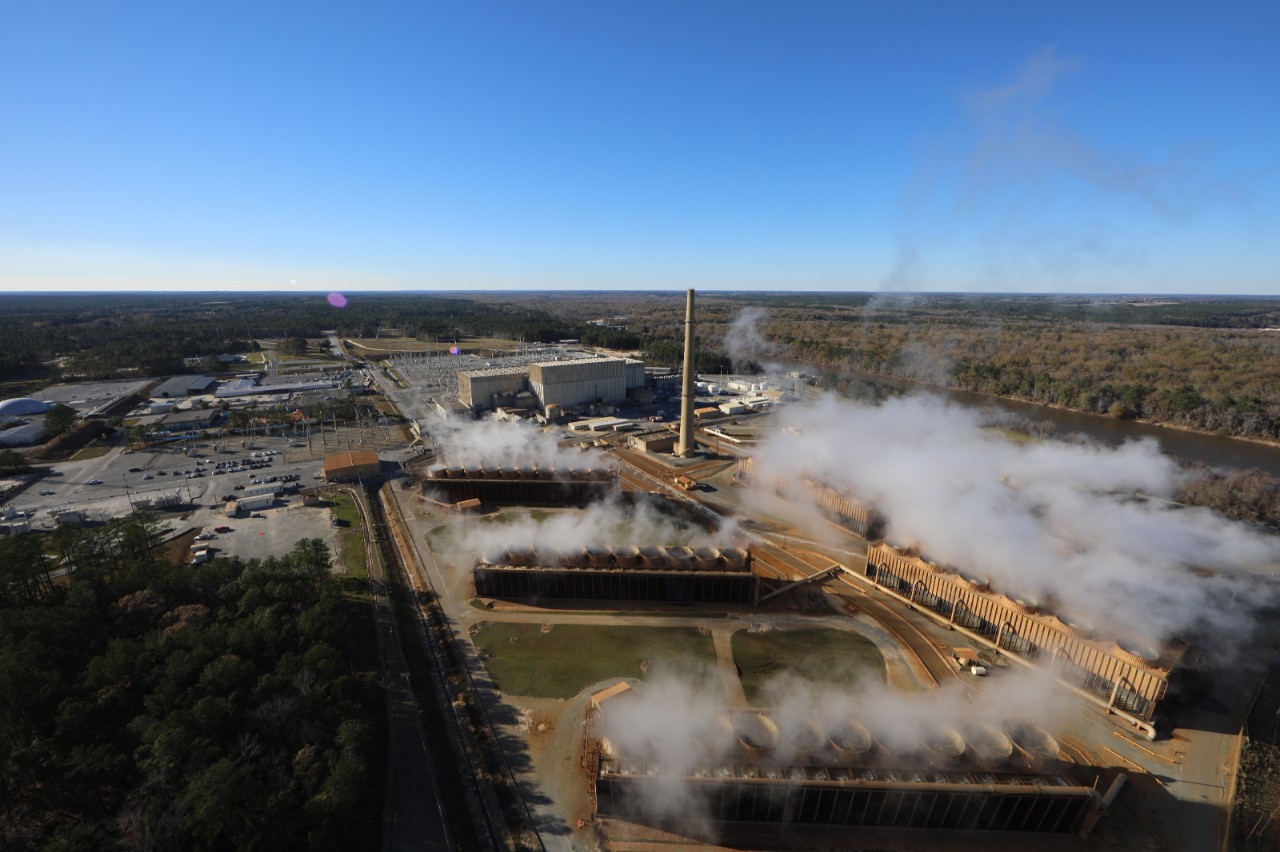
Hatch nuclear power plant in Georgia. (Photo: Southern Nuclear)
The Nuclear Regulatory Commission has renewed the operating licenses of Hatch-1 and -2 in under 12 months, the agency announced Friday.
Southern Nuclear’s application was accepted by the NRC in June 2025. The Baxley, Ga., facility’s two boiling water reactors are the second and third units to receive subsequent license renewals under the NRC’s new, streamlined process for renewing operating licenses in 12 months or less. Previously completed SLR proceedings took, on average, about two-and-a-half years.
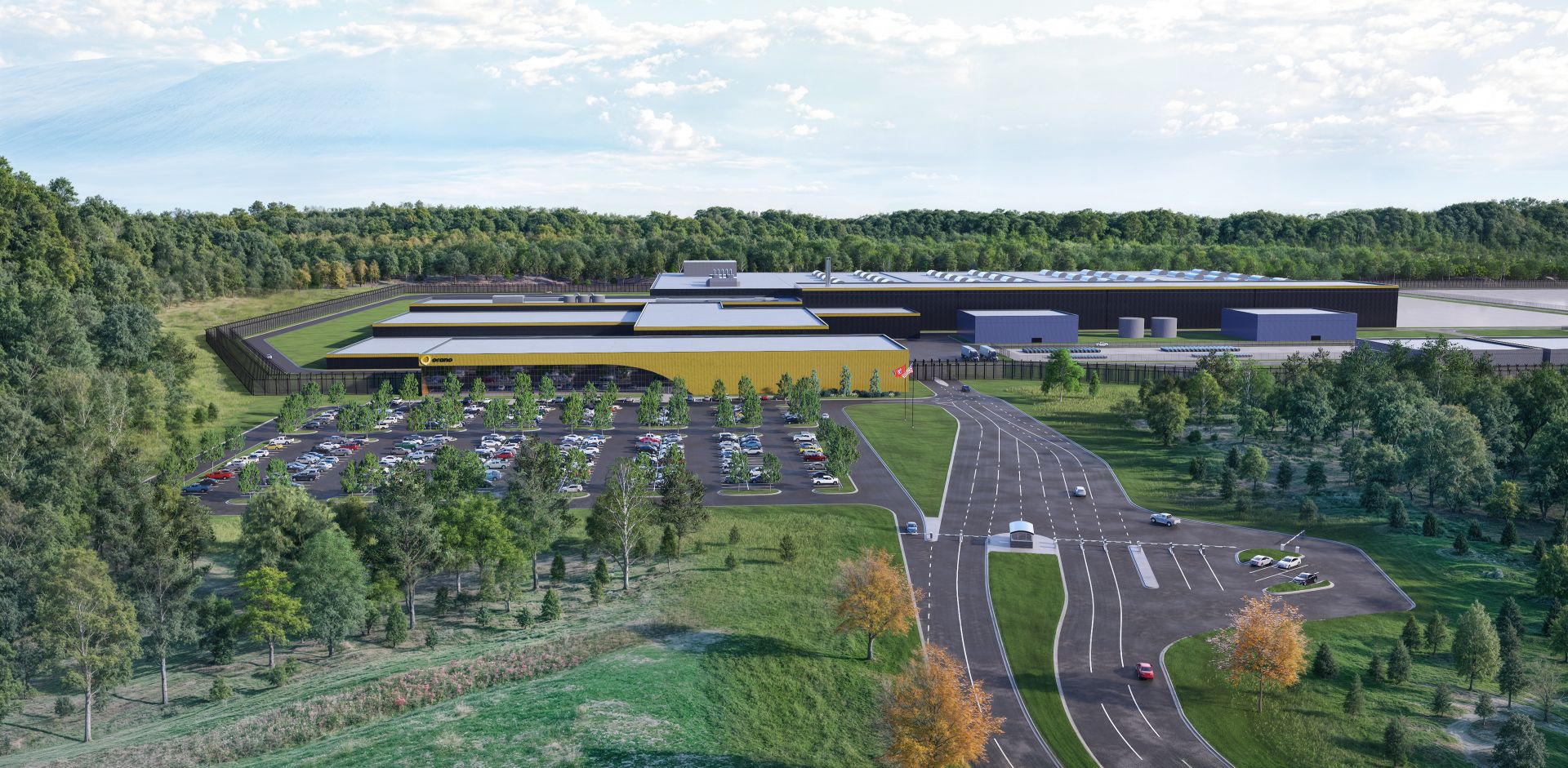
Concept art of Orano’s planned Project Ike facility in Oak Ridge, Tenn. (Image: Orano)
The Nuclear Regulatory Commission is to prepare an environmental impact statement in its review of Orano Enrichment’s license application to build and operate a new uranium enrichment facility near Oak Ridge, Tenn., and is asking the public for comments on the scope of its environmental review.



.jpg)