NRC, DOE update MOU
The Nuclear Regulatory Commission and the Department of Energy have updated a 2019 memorandum of understanding to coordinate on the review of advanced nuclear reactors and advanced reactor fuel technologies.
Nuclear projects demand precision, trust, and proven expertise. Element supports utilities, manufacturers, and engineering teams with testing and qualification services that keep systems safe, compliant, and ready to perform—delivering data-driven insight to meet regulations and extend asset life.
The Nuclear Regulatory Commission and the Department of Energy have updated a 2019 memorandum of understanding to coordinate on the review of advanced nuclear reactors and advanced reactor fuel technologies.
The Nuclear Regulatory Commission has announced it is canceling an upcoming advanced reactor stakeholder meeting, originally scheduled for November 19, due to the government shutdown and the limitations on staffing at the agency.
How High-Velocity Thermal Spray Enhances Efficiency, Safety, and Lifecycle Performance

As many Pressurized Water Reactors (PWRs) approach or exceed 40 years of operation, maintaining asset integrity under aging infrastructure, tight outage schedules, and strict ALARA (As Low As Reasonably Achievable) mandates is a real challenge.

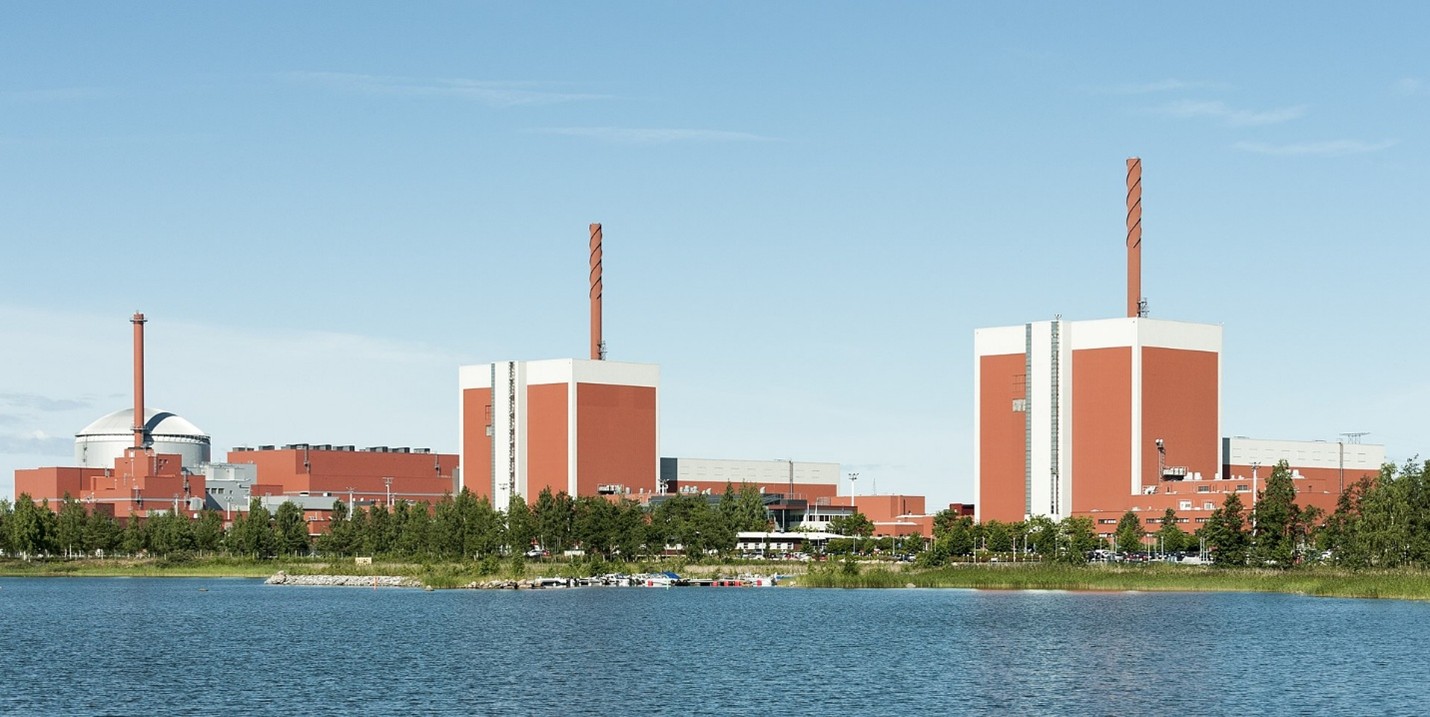
The European Investment Bank recently announced that it is providing €90 million ($103.8 million) in financing to Finnish nuclear power company Teollisuuden Voima Oyj (TVO). The funding is to be used by TVO to support new upgrades and maintenance at the Olkiluoto nuclear power plant.

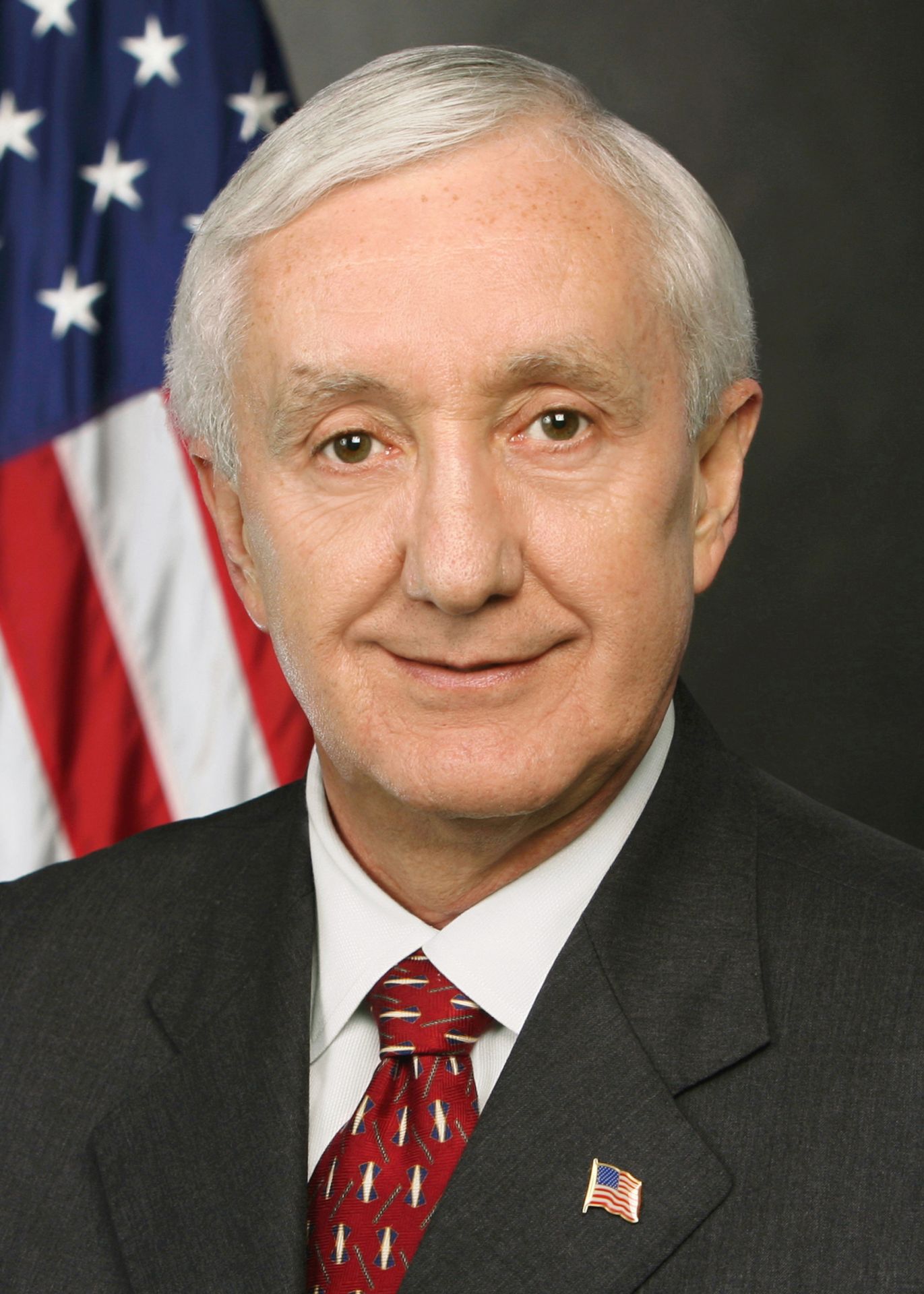
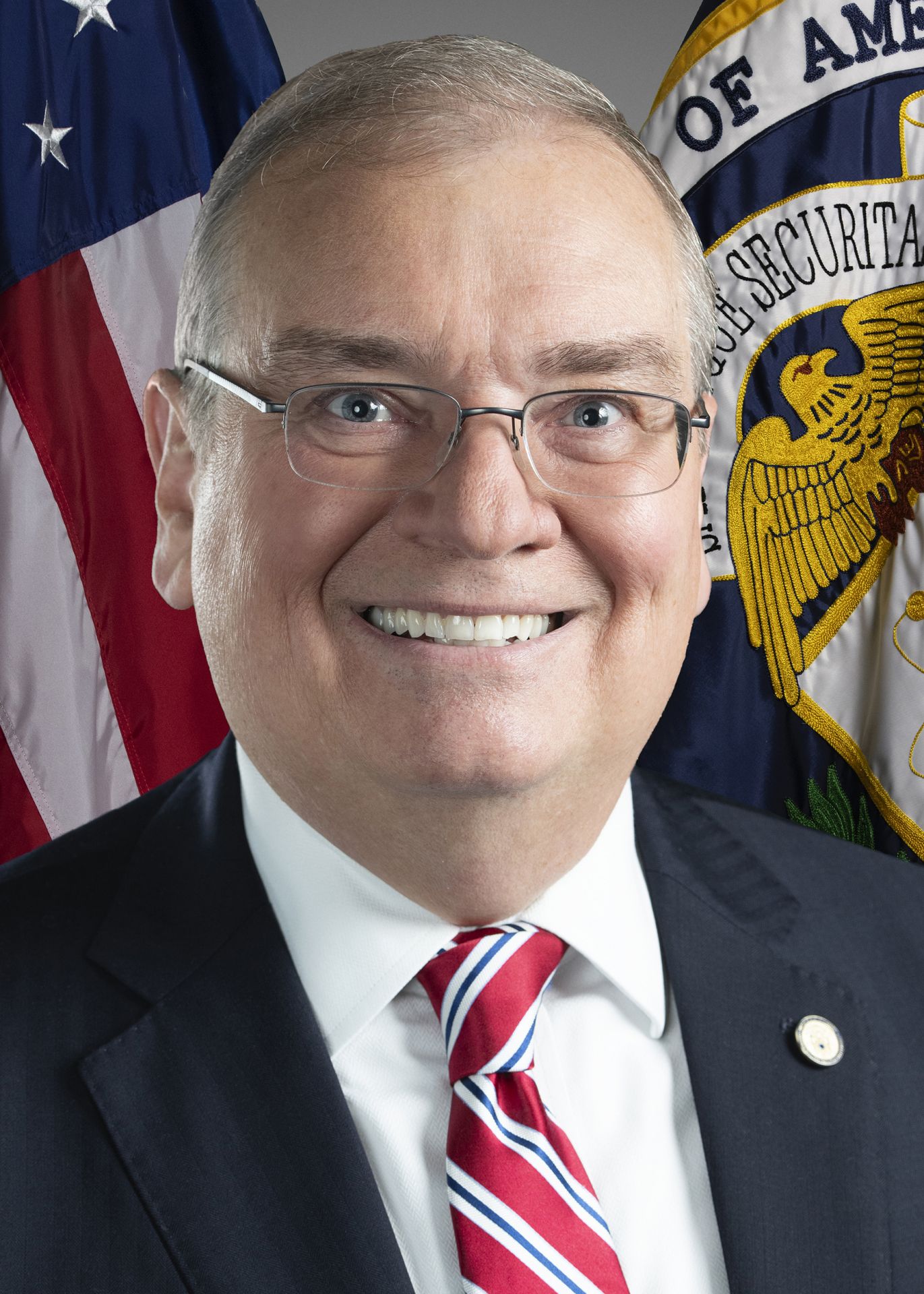
Dale Klein
This article was adapted from the author’s speech during a plenary at the 21st International Symposium on the Packaging and Transportation of Radioactive Materials (PATRAM 2025), San Antonio, Texas, July 2025.
There has been a lot of discussion lately about reforming the Nuclear Regulatory Commission. But I want to be clear: When it comes to nuclear safety and security, there is no place for partisan politics. I support efforts to streamline regulatory processes, but the independence and integrity of the NRC must remain sacrosanct. If we are serious about expanding nuclear power and reclaiming our global leadership in nuclear technology, having a strong independent regulator is fundamental.
Right now, we’re on the edge of a global nuclear resurgence driven by rising demand from data centers, growing concerns about energy security, and the need to decarbonize industry.
NN announces the 2025 40 Under 40 honorees
Following the enthusiastic response from the nuclear community in 2024 for the inaugural NN 40 Under 40, the Nuclear News team knew we had to take up the difficult task in 2025 of turning it into an annual event—though there was plenty of uncertainty as to how the community would receive a second iteration this year. That uncertainty was unfounded, clearly, as the tight-knit nuclear community embraced the chance to celebrate its up-and-coming generation of scientists, engineers, and policy makers who are working to grow the influence of this oft-misunderstood technology.

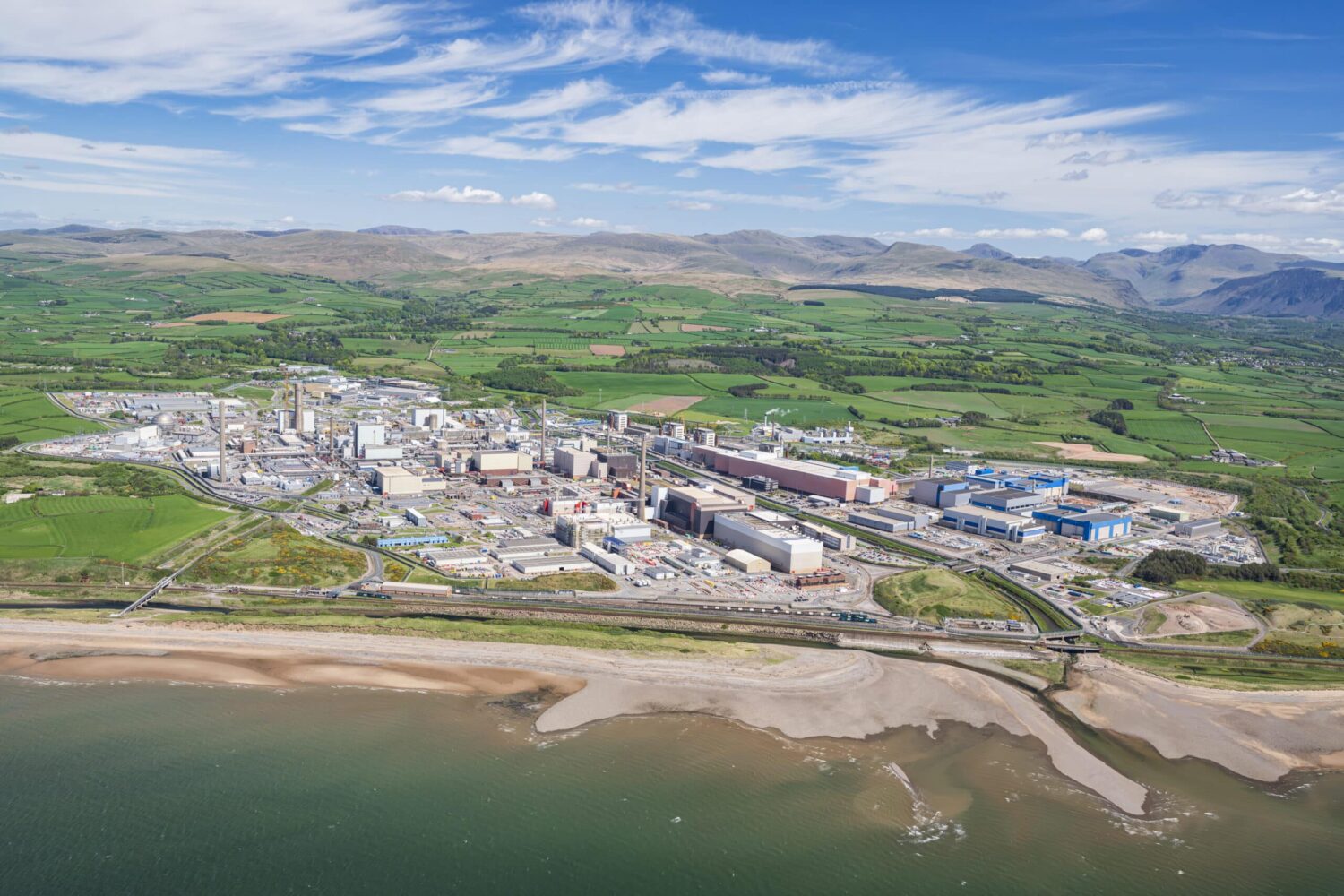
Sellafield Ltd., the site license company overseeing the decommissioning of the United Kingdom’s Sellafield nuclear site in Cumbria, England, has awarded a 15-year framework contract worth up to £4.6 billion ($6 billion) to support “high hazard risk reduction programs” at the site.

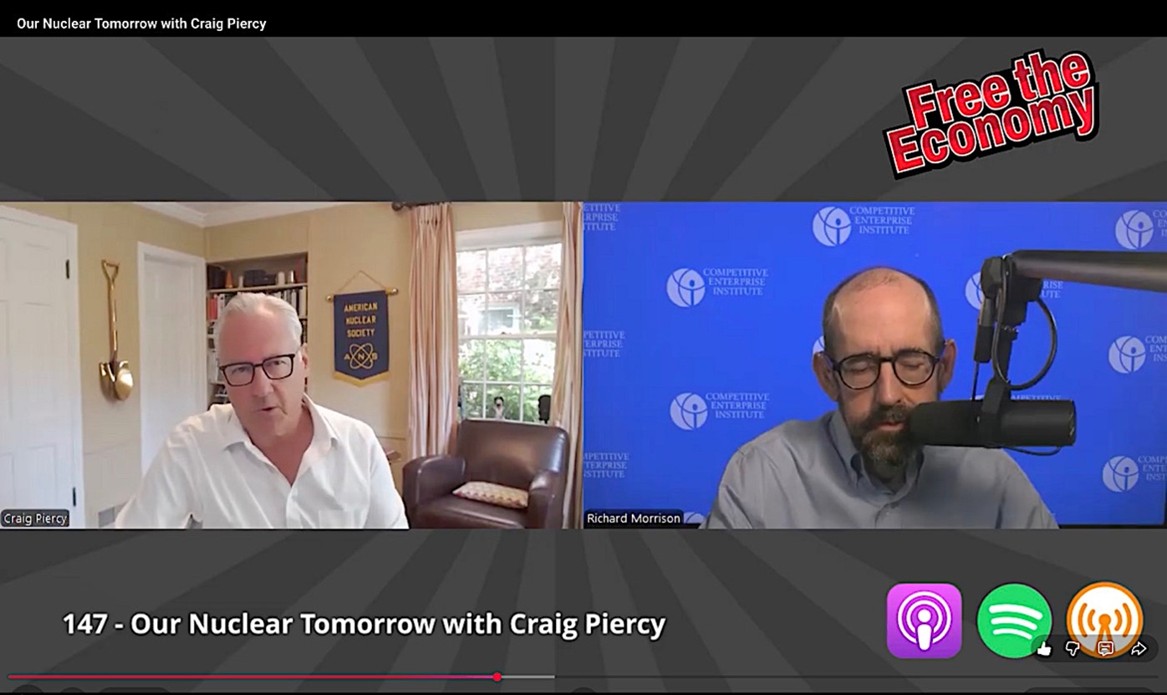
The American Nuclear Society's Executive Director/CEO Craig Piercy recently sat down with Richard Morrison on an episode of the Competitive Enterprise Institute’s Free the Economy podcast.
Following a meeting last week with President Donald Trump, Japan has announced that it would provide up to $332 billion to support critical energy projects in the U.S., including the construction of nuclear reactor projects.
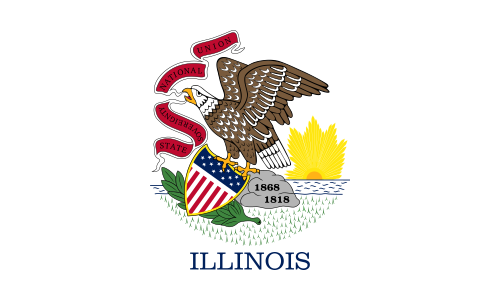
The Illinois General Assembly passed a clean energy bill on October 30 that would, in part, lift a 30-year moratorium on new nuclear energy in the state and create incentives for more energy storage.

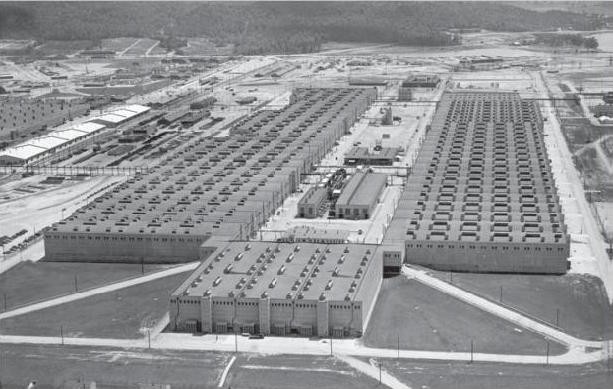
The American Nuclear Society recently announced the designation of three new nuclear historic landmarks: the Hot Fuel Examination Facility, the Neely Nuclear Research Center, and the Oak Ridge Gaseous Diffusion Plant K-25. Today’s article, the final offering in a three-part series, will focus on the historical significance of the Oak Ridge Gaseous Diffusion Plant K-25.
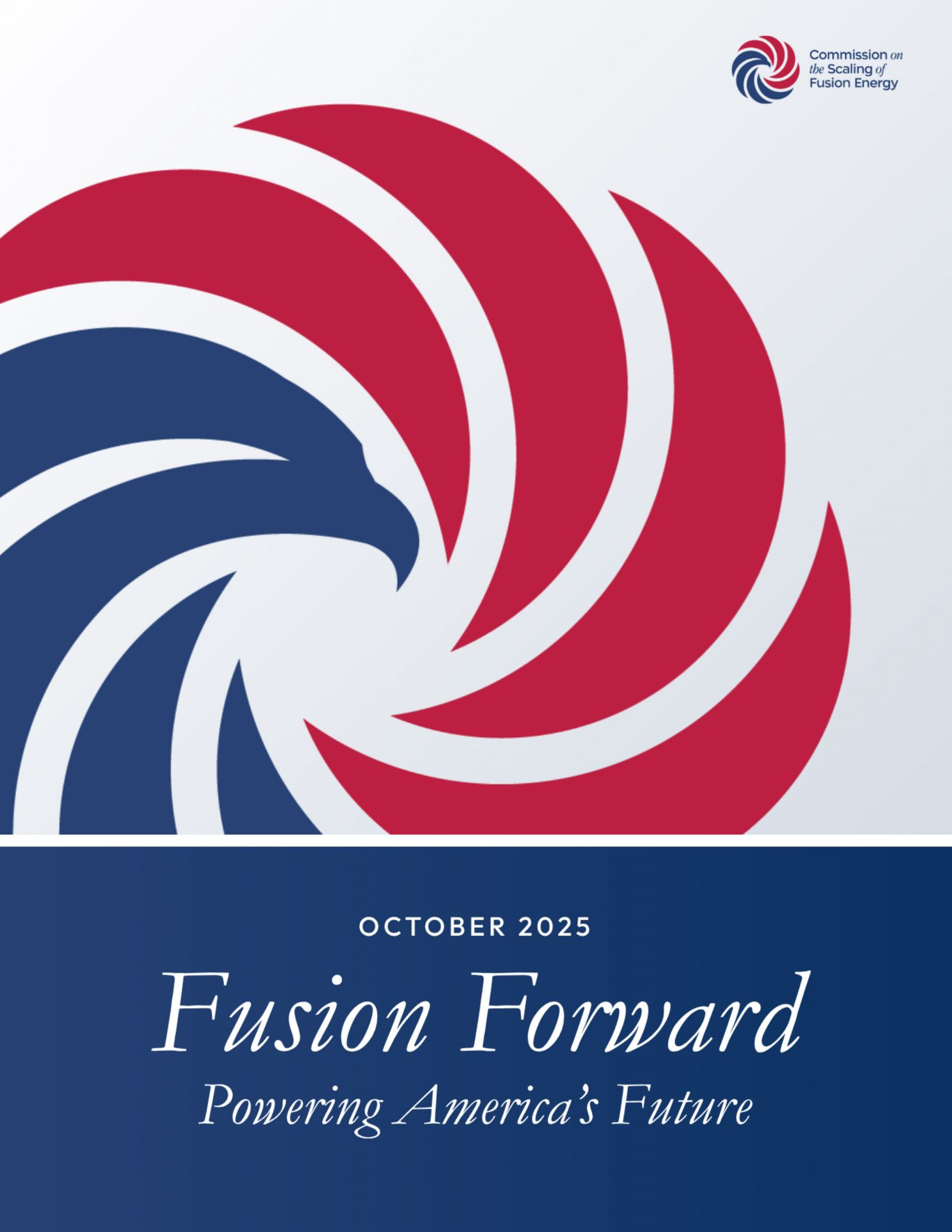
In the report Fusion Forward: Powering America’s Future issued earlier this month by the Special Competitive Studies Project’s (SCSP) Commission on the Scaling of Fusion Energy, it warns that the United States is on the verge of losing the fusion power race to China.
Noting that China has invested at least $6.5 billion in its fusion enterprise since 2023, almost three times the funding received by the U.S. Department of Energy’s fusion program over the same period, the commission report urges the U.S. government to prioritize the rapid commercialization of fusion energy to secure U.S. national security and restore American energy leadership.
SCSP is a nonpartisan, nonprofit initiative making recommendations to strengthen America’s long-term competitiveness in emerging technologies. Launched in fall 2024, the 13-member commission is led by Sens. Maria Cantwell (D., Wash.) and Jim Risch (R., Idaho), along with SCSP president and commission co-chair Ylli Bajraktari.
New York is going after nuclear in a big way. The New York Power Authority is releasing its first solicitations for plans to develop advanced nuclear reactors in the state’s upstate communities, the power authority announced on October 30.

In less than two weeks, the American Nuclear Society’s second annual conference of the year, the 2025 ANS Winter Conference & Expo, will come to Washington, D.C.
Today, ANS is announcing that Energy Secretary Chris Wright will be joining the list of nuclear leaders slated to speak at the conference.
Click here to register for the meeting, which will take place November 9–12 in Washington, D.C., at the Washington Hilton. Be sure to do so before November 7 to take advantage of priority pricing.
The American Nuclear Society’s Risk-informed, Performance-based Principles and Policy Committee (RP3C) has held another presentation in its monthly Community of Practice (CoP) series. Former RP3C chair N. Prasad Kadambi opened the October 3 meeting with brief introductory remarks about the RP3C and the need for new approaches to nuclear design that go beyond conventional and deterministic methods. He then welcomed this month’s speakers: Mike Mankosa, a project engineer at FPoliSolutions, and Cesare Frepoli, the company’s president, who together presented “Introduction to RISE: A Digital Framework for Maintaining a Risk-Informed Safety Case for Current and Next Generation Nuclear Power Plants.”
The Department of Energy, Argonne National Laboratory, NVIDIA, and Oracle have agreed to a public-private partnership to deliver the DOE’s largest AI supercomputers, named Solstice and Equinox.
Australia-based Clarity Pharmaceuticals, a clinical-stage radiopharmaceutical company, has signed a supply agreement for copper-67 with Nusano, Inc., headquartered in California. Nusano produces radioisotopes for medical, commercial, and industrial applications.

Lee

Summers
The Defense Nuclear Facilities Safety Board, the independent agency responsible for ensuring that Department of Energy facilities are protective of public health and safety, announced that the board’s acting chairman, Thomas Summers, has concluded his service with the agency, having completed his second term as a board member on October 18.
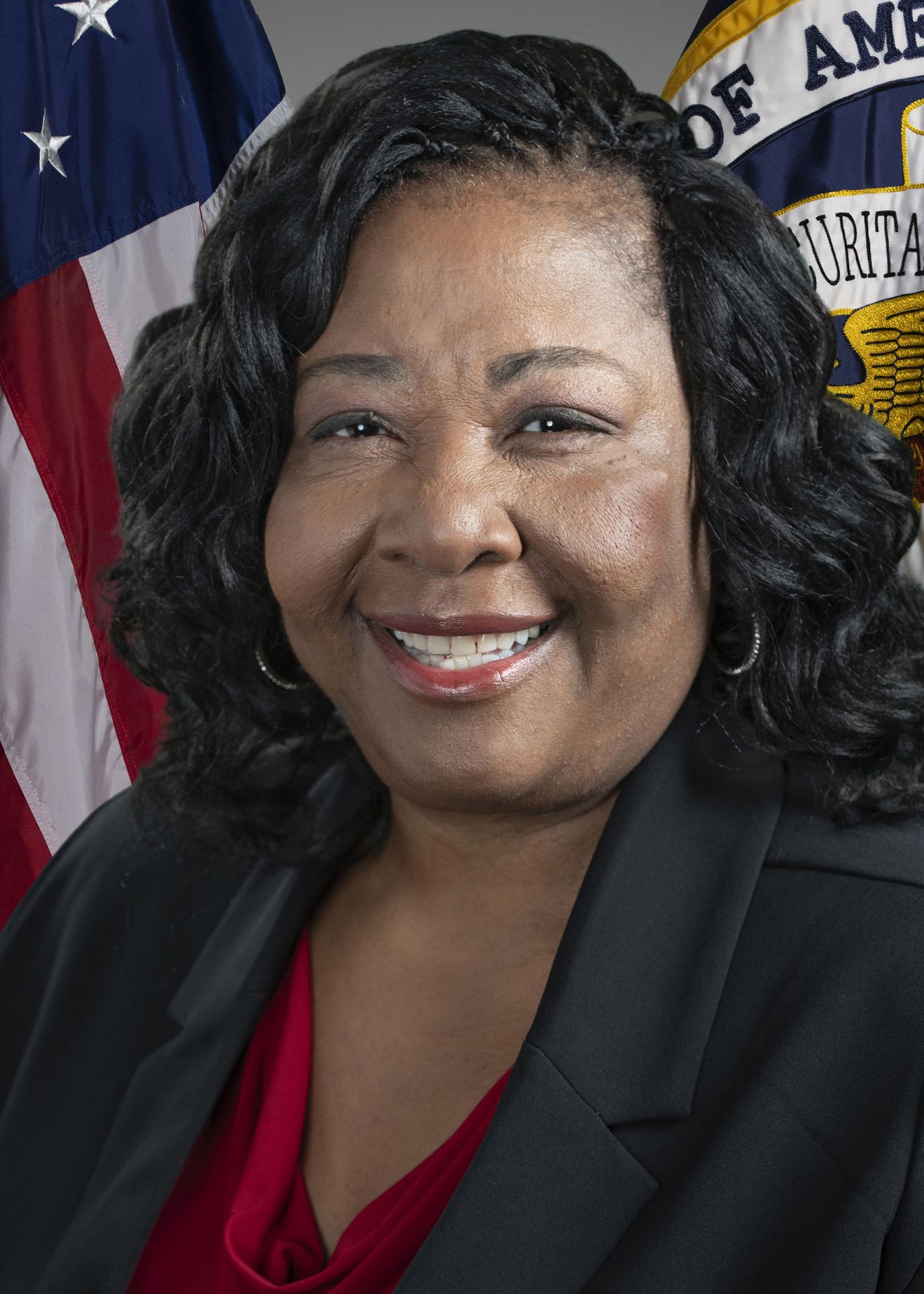
Summers’ departure leaves Patricia Lee, who joined the DNFSB after being confirmed by the Senate in July 2024, as the board’s only remaining member and acting chair. Lee’s DNFSB board term ends in October 2027.

Nieh
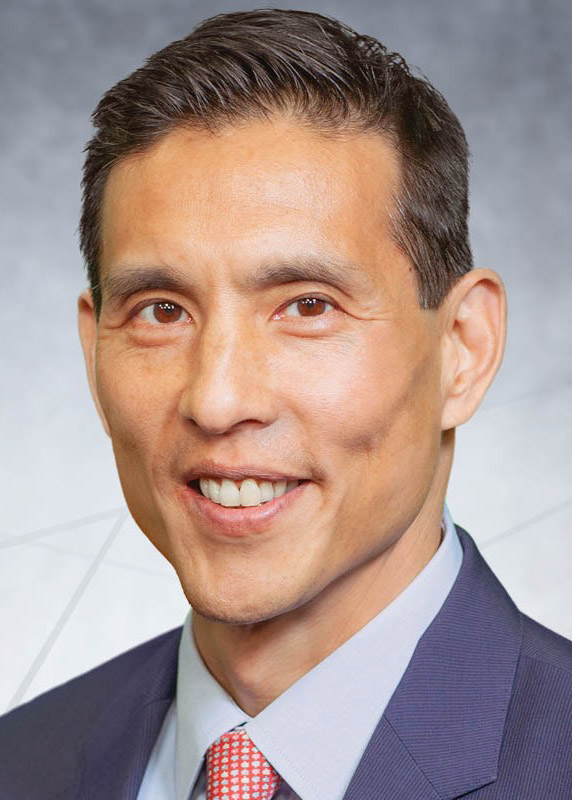
Ho Nieh, the Trump administration’s nominee to be a member of the Nuclear Regulatory Commission, and four new board members of the Tennessee Valley Authority were approved in a vote today by the Senate Environment and Public Works Committee and head to the Senate floor for a final vote.
The committee also voted to advance to the Senate floor the Nuclear REFUEL Act of 2025 (S. 2082), which would smooth the regulatory pathway for recycling used nuclear fuel.
President Donald nominated Nieh on July 30 to serve as NRC commissioner for the remainder of a term set to expire June 30, 2029, which was held by former NRC commissioner Chris Hanson, who Trump fired in June.

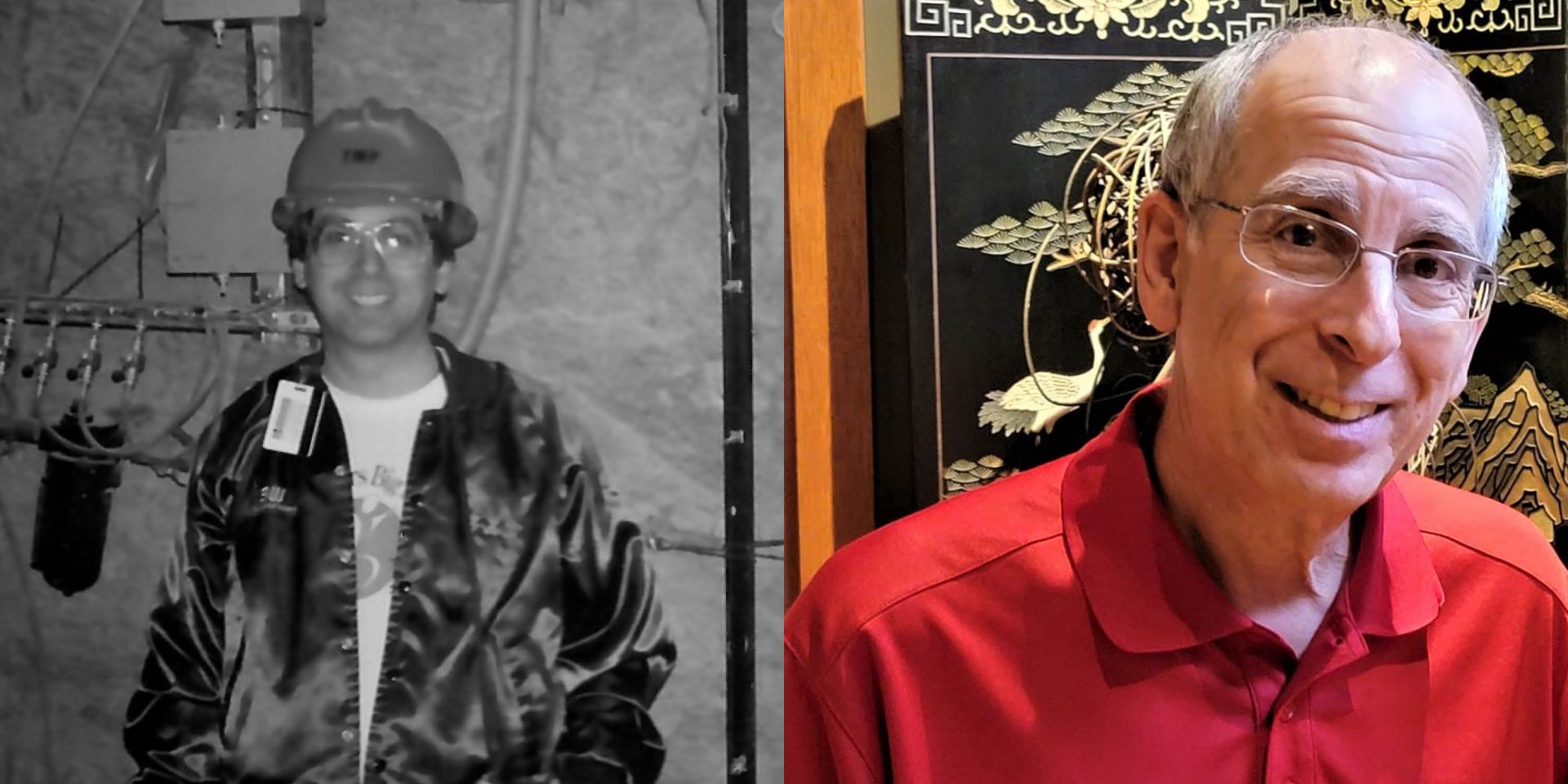
Levinson early in his career and today.
As a member of the American Nuclear Society, I have been to many conferences. The International Conference on Probabilistic Safety Assessment and Analysis (PSA ’25), embedded in ANS Annual Meeting in Chicago in June, held special significance for me with the PSA ’25 opening plenary session recognizing the 50th anniversary of the publication of WASH-1400, which helped define my career. Reflecting on that milestone sent me back to 1975, when I was just an undergraduate student studying nuclear engineering at Rensselaer Polytechnic Institute (RPI) in Troy, N.Y., focusing on my mechanics, fluids, and thermodynamic classes as well as my first set of nuclear engineering classes. At that time—and many times since—the question “Why nuclear engineering?” was raised.