Innovations in Fuel Reliability
September 1, 2023, 11:59AMSponsored Content
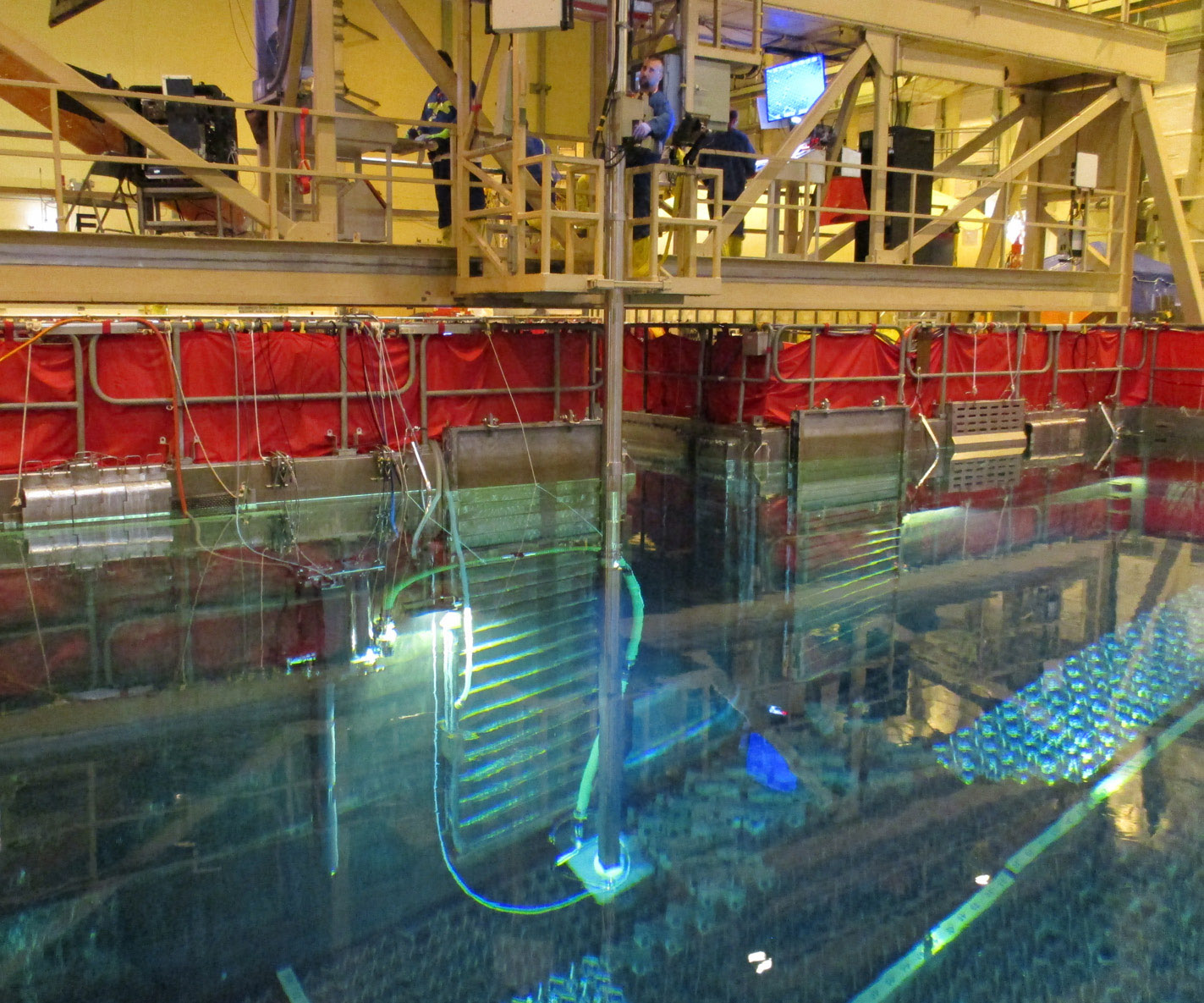
Dominion Engineering, Inc. (DEI) has developed a number of innovative and cost effective tools and services designed to improve fuel reliability.

HSB Global Inspection and Engineering Services – We provide specialized inspection and certification services for boilers, pressure vessels, nuclear components, and power plants worldwide. Wherever your business takes you, we’re at your side. Global reach. Local presence.
Dominion Engineering, Inc. (DEI) has developed a number of innovative and cost effective tools and services designed to improve fuel reliability.
15 years into an epic journey to realize the potential of the most abundant and safest nuclear fuel and critical material known to man. Thorium Energy Alliance (T.E.A.) has made world changing progress in reviving the many uses of thorium and its allied companion elements.
Westinghouse Parts Business (WPB) is excited to be collaborating with Samshin Ltd to provide replacements for obsolete valves using Samshin designs. Samshin has manufactured hundreds of Westinghouse-designed valves and valve parts for applications across the globe with reliable operation for over a decade.
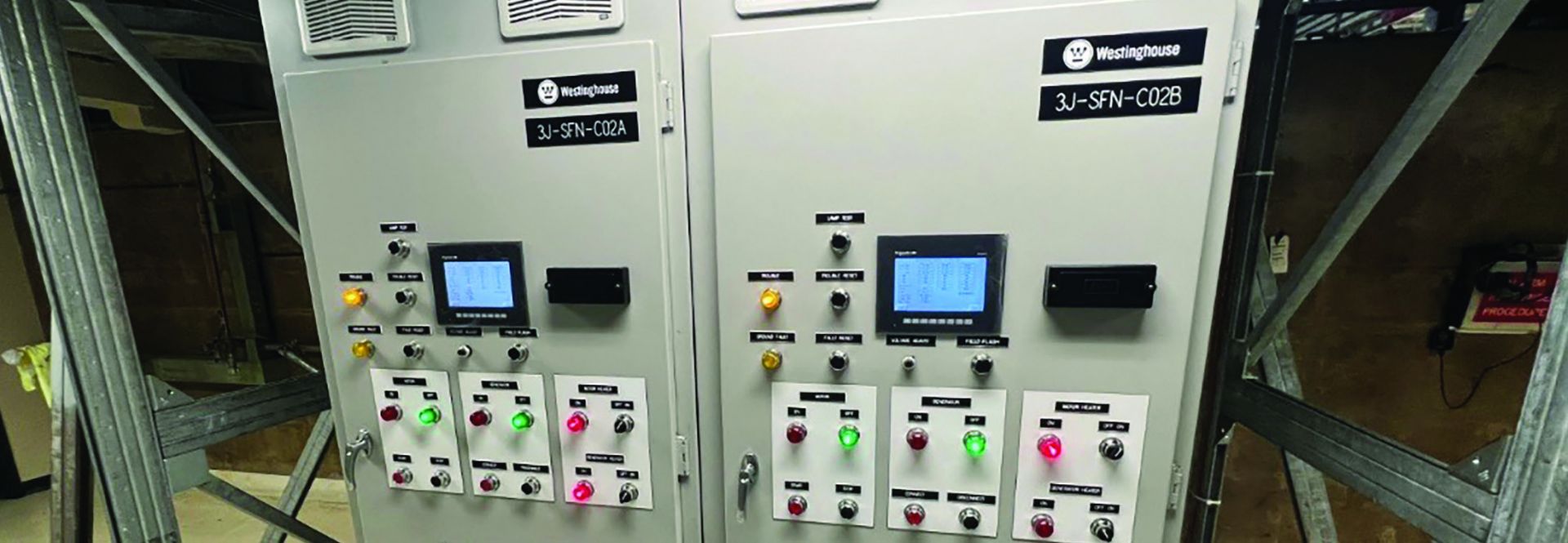
Westinghouse Parts Business (WPB) is proud of the first next generation Motor Generator (MG) Set System fully operational at Palo Verde Generating Station. The team completed a first-of-a-kind (FOAK) implementation and installation at the power plant operated by Arizona Public Service (APS), including the next generation MG Control Power Cabinets and new MG Sets. Additionally, Westinghouse installed the new ARCH (Advanced Rod Control Hybrid) system. These systems were installed in a single outage providing additional synergies and cost savings to operations.

Imagine if your employees had a Virtual Assistant that could create condition reports, work requests, or plan work orders simply by asking for it. Or better yet, what if the Virtual Assistant could create work packages and plan your employees’ day automatically without even having to ask? How much more productive would we be if we all had a Virtual Assistant to help perform our work and capture and share our activities as they occurred?
A message from Nucleation Capital

Nucleation Capital is a new venture fund focused on investing in next-generation nuclear energy and deep decarbonization. We are pleased to introduce ourselves to the broader nuclear community under the ANS theme “Invested in Nuclear.” Investing is always a forward-looking endeavor and, from what seemed to be an uncertain future, we’re delighted to see the industry anticipating substantial new growth and working to support it.
Bolstering this new outlook are important trends that are worth highlighting. We’re all seeing amazing shifts in how nuclear power is discussed. In the last few years, Nuclear has garnered surprise support from Democratic governors seeking to protect existing plants and Republican governors repealing old nuclear bans and vying to get next-gen plants sited in their states. In key pieces of federal climate legislation, nuclear has seen equal treatment under ITCs and PTCs and billions allocated to help save older plants and accelerate commercialization of new plants.
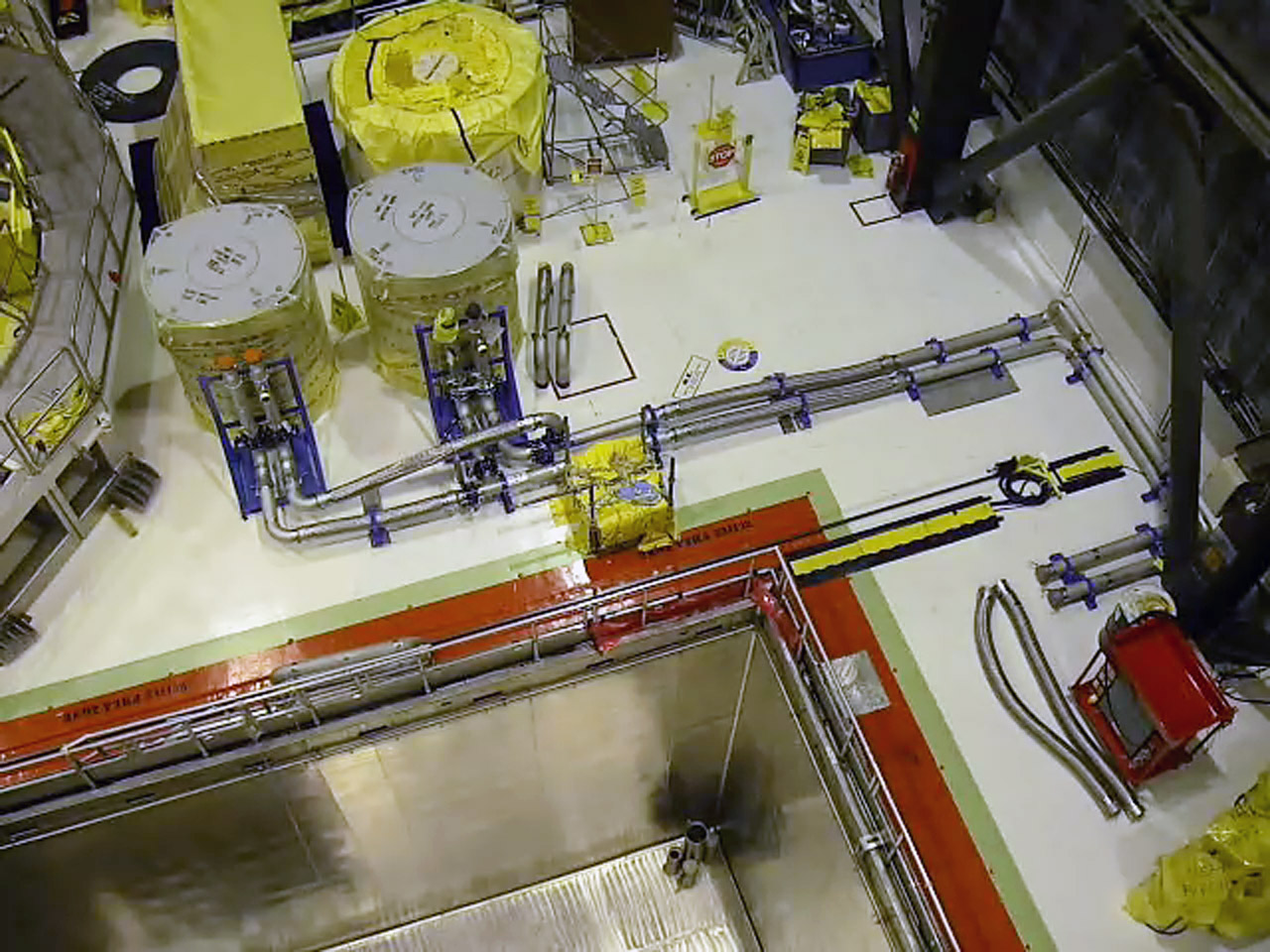
The return of low natural gas prices combined with the advent of high efficiency renewables has placed more pressure on nuclear power plant operators to reduce their operational and maintenance costs and to increase plant availability while continually meeting the increasing number of safety and regulatory requirements. Outage management is a key factor for good, safe, and economic nuclear power plant performance; it involves detailed planning and preparation as well as the application of proven advanced technologies for completing task activities. Outage tasks frequently require the use of pure, high clarity water. Traditional filtration technologies used for maintaining clarity have long been the bane of many nuclear plant operators. Poor water quality in the fuel pool and reactor cavity can cause high radiation exposure, and high turbidity can lead to the slow-down or complete stoppage of underwater work activities.
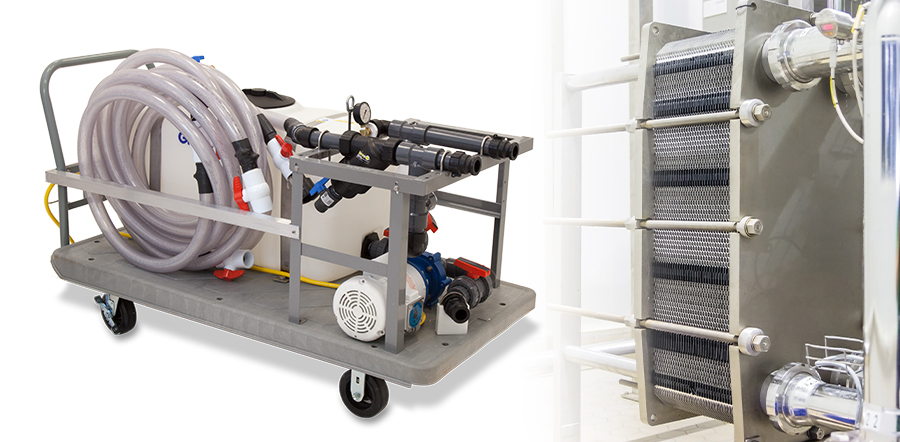
Power generation has many factors and key indicators to identify the “health” of a plant. Some macro-level indicators are vital to help identify challenges before they become problems; others are less sensitive yet just as important. Micro indicators such as condenser return temps or changes in pump pressures can be critical indicators of a problem that few understand, yet which results in enormous loss of efficiency. That problem is deposits on critical system tubing and piping caused by calcium carbonate or other mineral buildups. The bottom line? Scaling is a significant issue in power plants that can considerably impact efficiency and profitability.
Safety and reliability have long been hallmarks of the commercial nuclear industry, which has averaged an annual capacity factor over 90% since 2012 and generates more than 775 GWh of clean energy each year (US EIA).
In an industry driven to continuously improve to maintain plant availability at high levels, equipment reliability remains a frequent subject of conversation between nuclear plant operators and suppliers. In September 2021, INPO released event report 21-4 titled “Improving Plant Reliability” and identified a steady trend in equipment-related events which resulted in lost generation of 38 million MWh between 2018 and 2022. These events were generally preventable and led INPO to make several recommendations to the industry, most notably one that challenged the industry to review and establish a “sustainable parts quality process”.
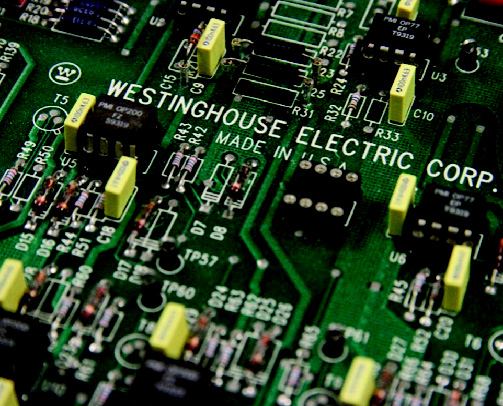
Obsolescence and the ability to obtain qualified replacement and spare parts are primary concerns in the nuclear industry. In fact, approximately 35% of installed equipment is obsolete.
Westinghouse Parts Business (WPB) has over 50 years of experience replacing and upgrading systems for operating nuclear power plants with access to original design information as the original equipment manufacturer (OEM).
WPB provides innovative, cost-efficient solutions for Westinghouse and non-Westinghouse systems in order to increase reliability of I&C systems, including enhanced replacement components, repair and refurbishment services. Recently, WPB has supported numerous customers in obsolescence and Reverse Engineering (RE) services.
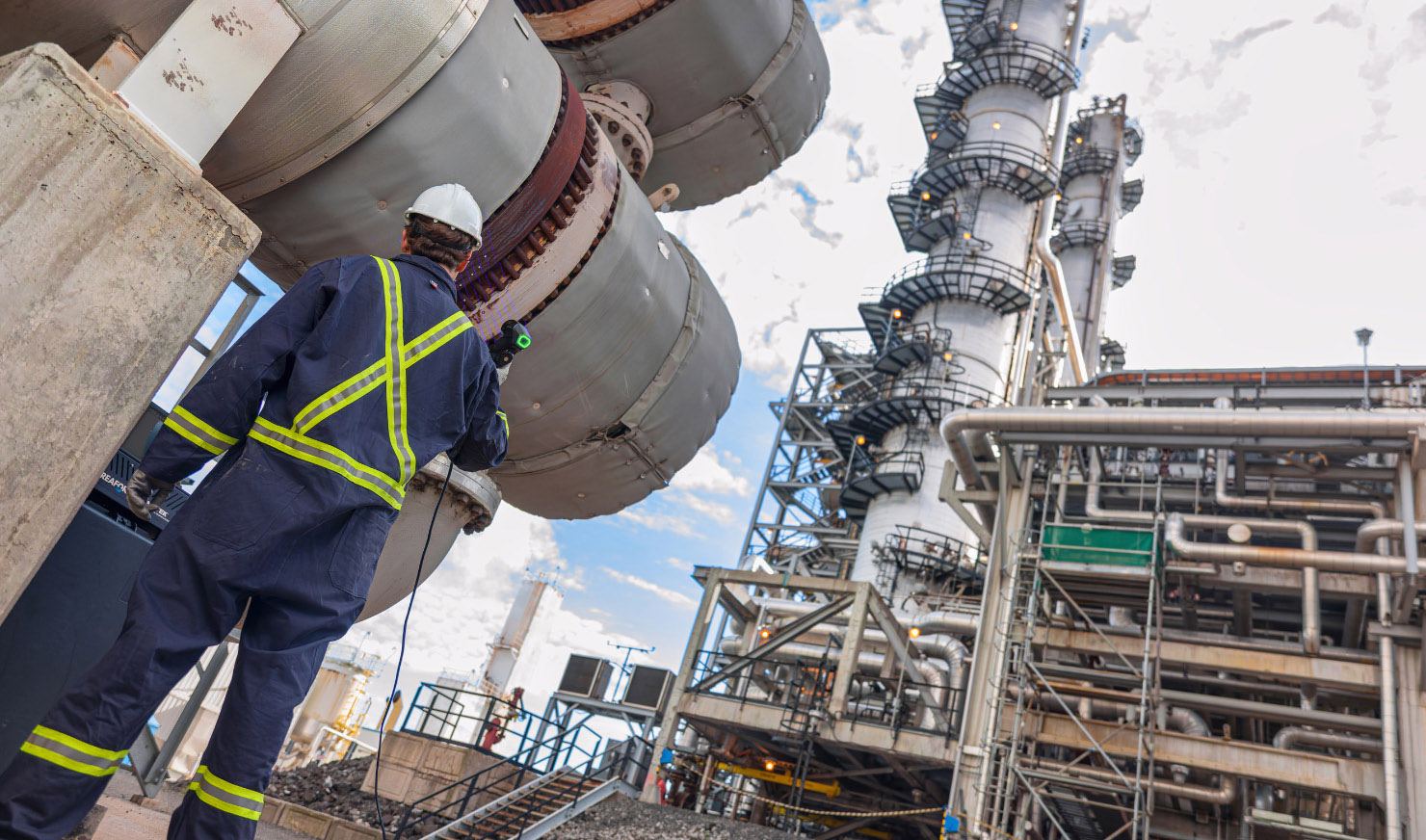
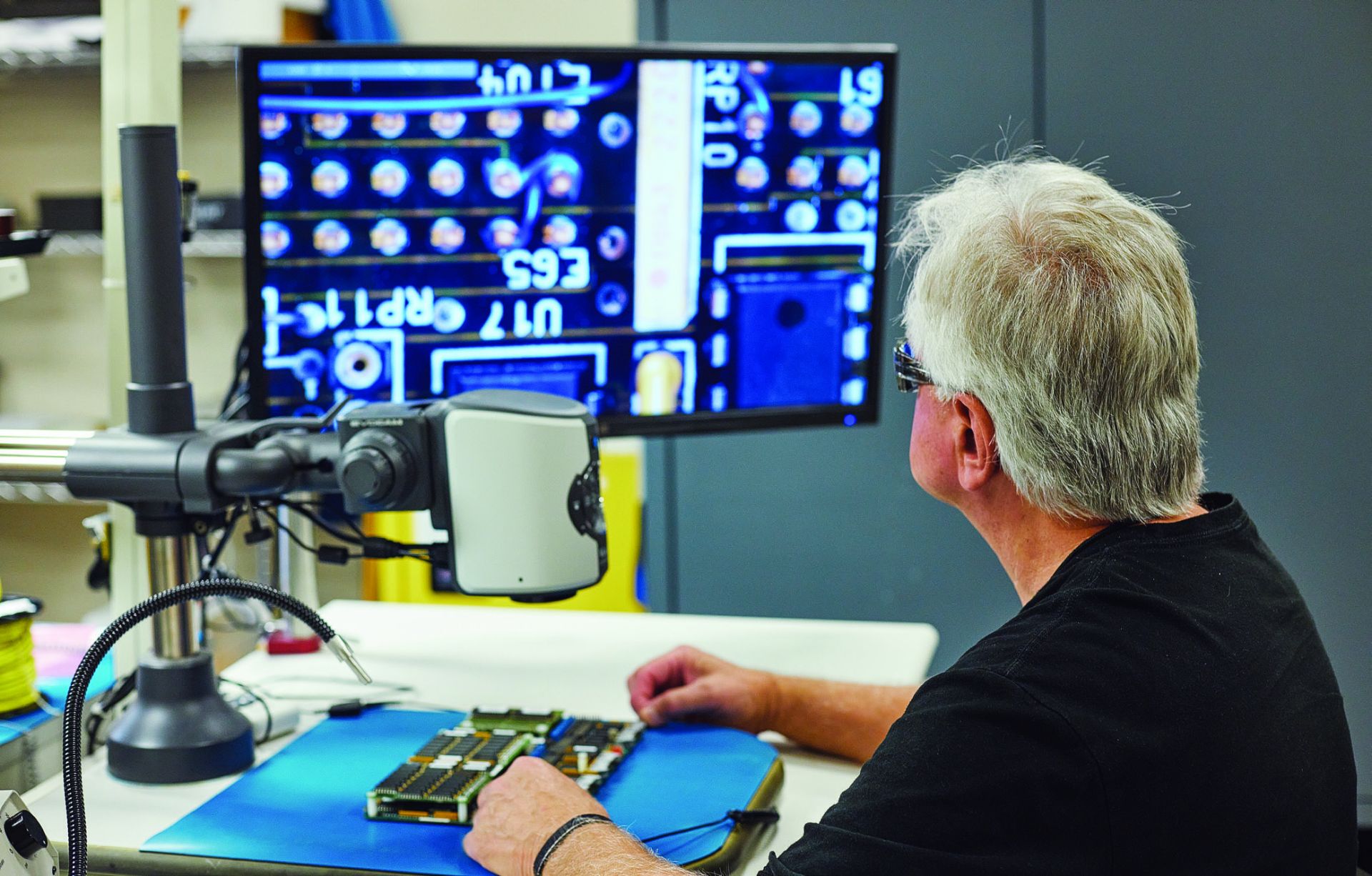
While nuclear power plants are some of the most highly regulated and safe worksites in the world, inspection challenges remain. According to estimates by industry experts, the over 400 reactors located across the globe are, on average, 30 years old, and getting older. Extending the nuclear fleet’s lifetime to 60 years or longer has become an imperative in many countries, with engineers and scientists looking for new methods and solutions to predict and maintain the structural integrity and reliability of on-site infrastructure. An unprecedented labor shortage, retiring inspection specialists, and legacy work methodologies are exacerbating the issues in conducting safety inspections efficiently, accurately, and cost-effectively.
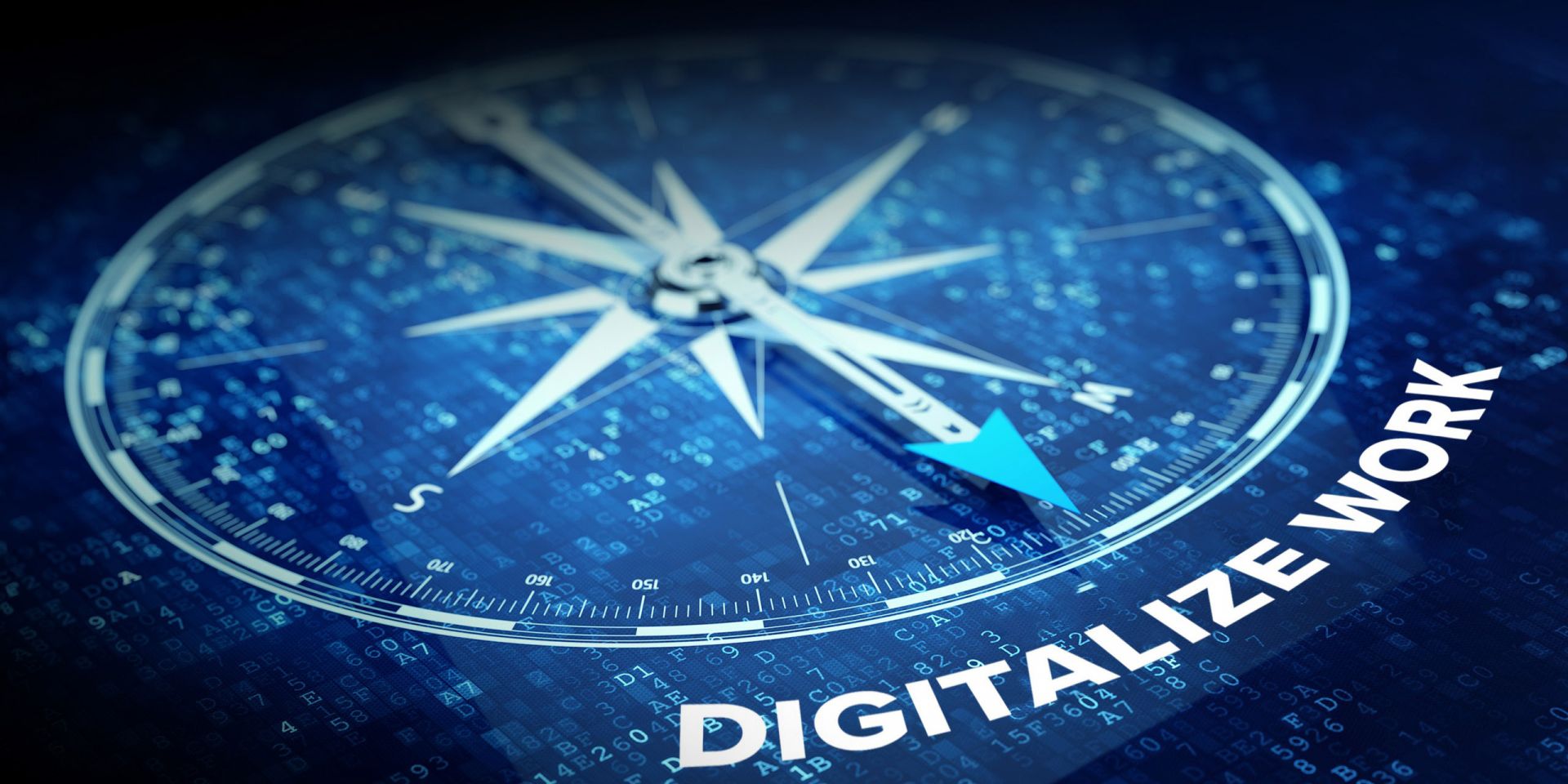
When it comes to computer-guided navigation, we look to our GPS app for seamless guidance. It provides granular, step-by-step directions while it tracks our position and progress towards our destination. It superimposes relevant information such as the location of restaurants and the lowest price gas stations on route. One of these days, it will even read us the menu of a selected restaurant on our path while placing an order as we drive towards it.
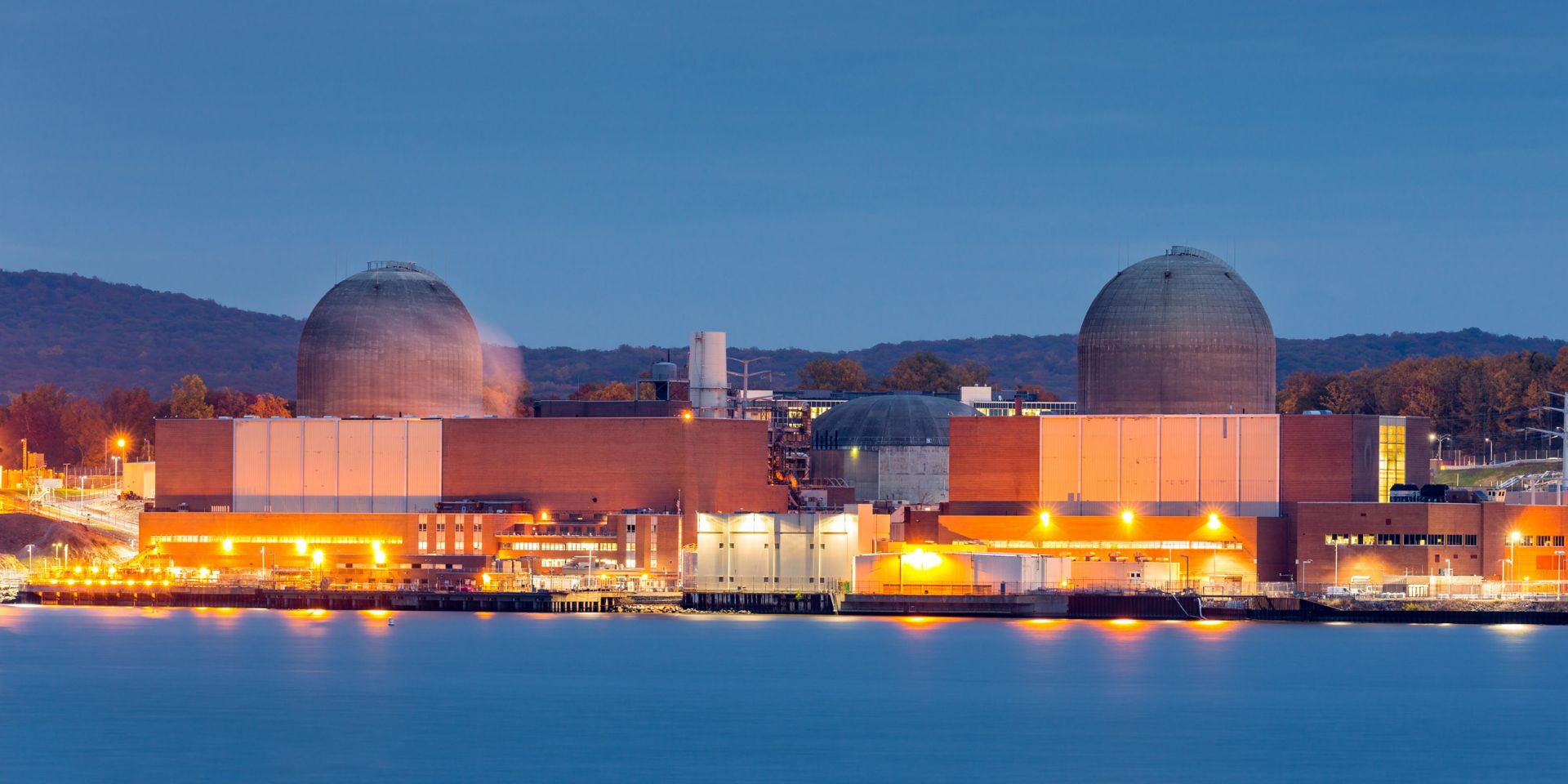
Managing plant source term for refueling outage cleanup and full power service can be controlled with the aid of specially macroporous resins. These ion exchange resins are often a cost-effective media for containing impurities in nuclear coolant, minimizing the release of contaminants and ionic leakage, all while encountering impact from oxidative chemistry and radiation. Macroporous resins continue to meet increased expectations in the industry and are considered among the best-accepted practices for nuclear plant source term minimization in standalone and layered polishing vessels.
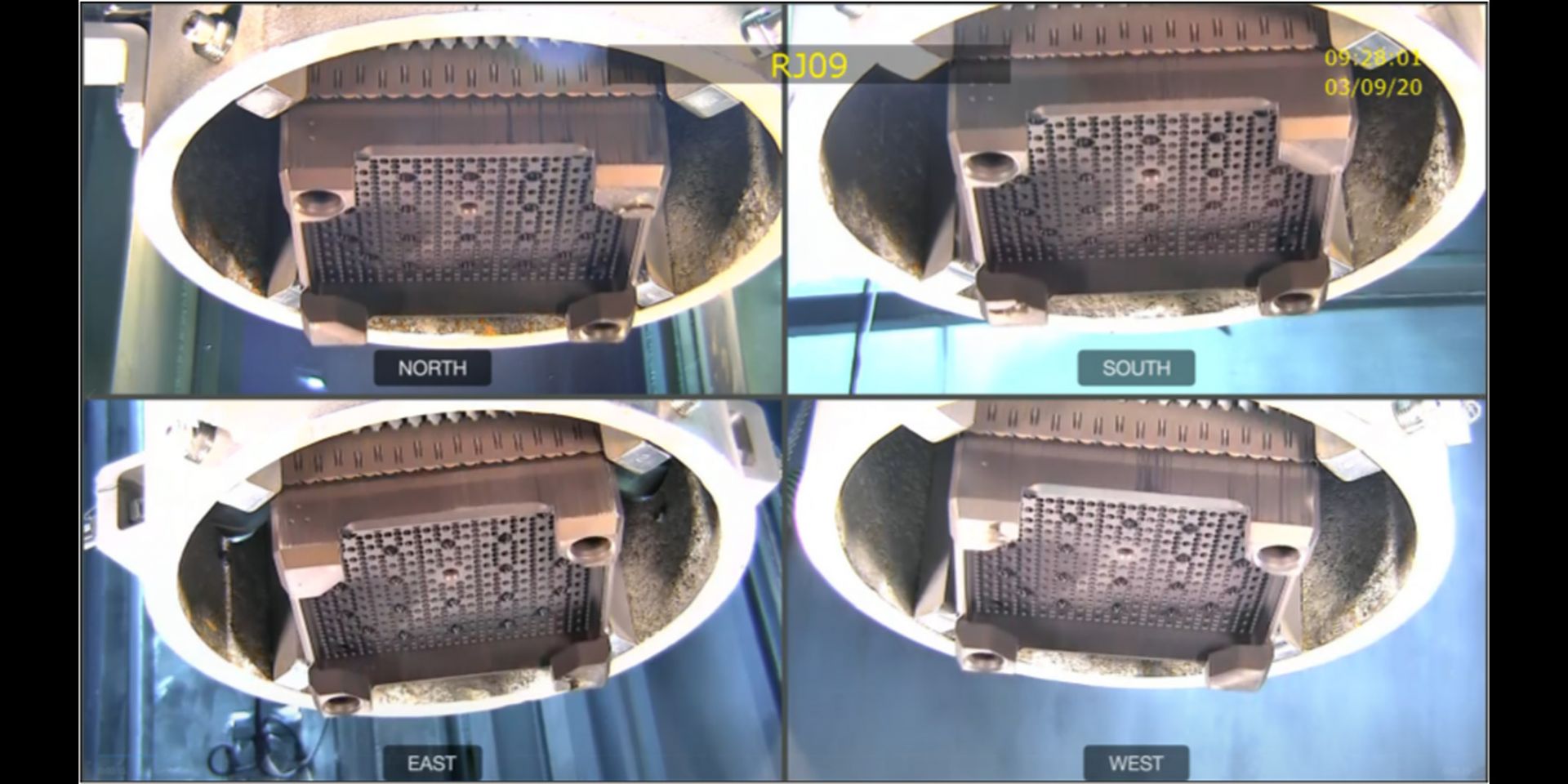
The process of making fuel for our light-water nuclear plants is meticulously developed and executed. And as anyone who has gone through the receipt process once it arrives at the plant can attest, the initial quality examination is likewise a thorough and rigorous activity. We do a great job of making sure that high quality fuel is ready to go into the core.
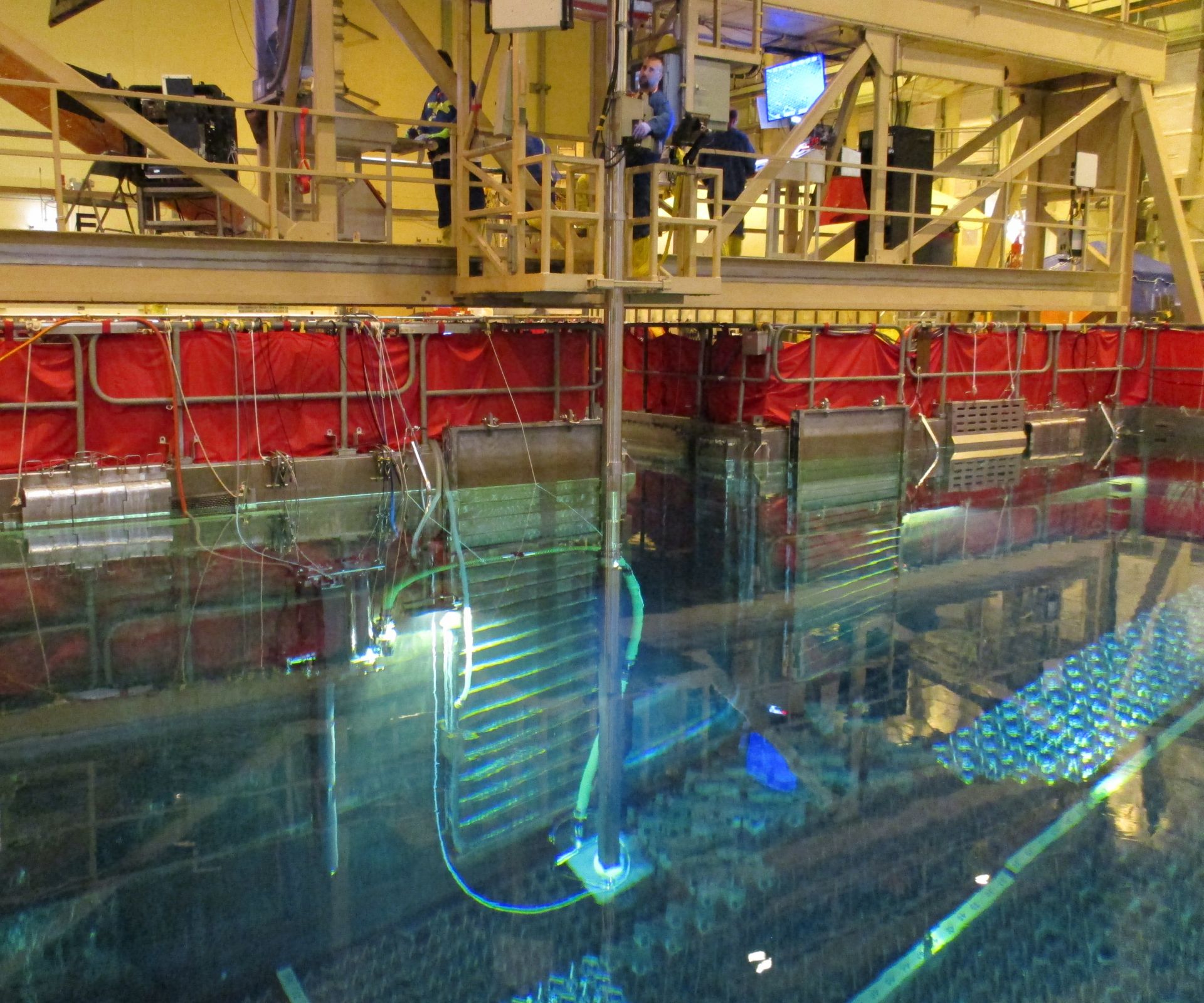
Dominion Engineering, Inc. (DEI) has developed a number of innovative and cost effective tools and services designed to improve fuel reliability and spent fuel cask loading operations. This includes BNDETM fuel cleaning, which effectively removes debris from all reload fuel bundles without significantly impacting outage schedule. Smart-SipTM fuel sipping, a related activity, provides much higher fidelity leak detection capability than traditional vacuum canister sipping equipment, ensuring tight leaks are reliably identified and dispositioned during refueling outages and prior to spent fuel cask loading operations. Related industry experience is discussed further below.
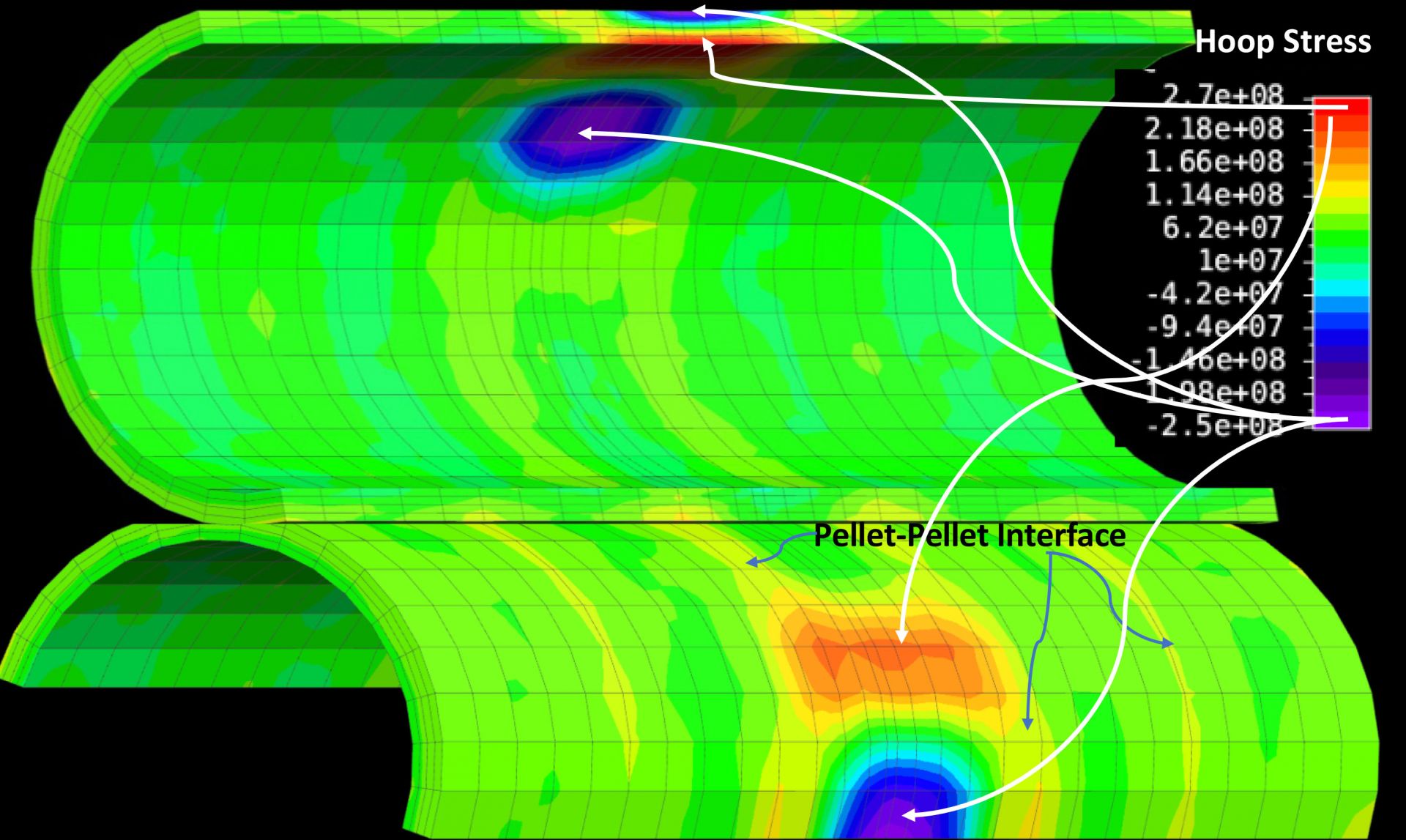
Decades of fuel performance data coupled with advanced analytics and multi-processor computing have enabled the development of ‘novel’ modeling & simulation tools that allow nuclear fuel engineers to predict behavior across the entire fuel cycle. With this new capability nuclear fuel designers and fuel reload managers are better equipped to predict performance and reliability. These tools are fundamental to communicating highfidelity safety margin assessments with the regulator, and, when applied in the early stage of reactor design, can achieve optimum safety system functionality. At the apex of the fuel performance codes development pyramid sit a triad of codes: SI’s Pegasus, DOE’s Bison, and CEA’s Alcyone, which share the commonality of three-dimensional modeling and simulation of nuclear fuel performance. Unique among the capabilities represented by these codes is the ability to bridge the encoded-technology gap between the frontend and the backend of the fuel cycle to eliminate sources of uncertainties in spent fuel safety evaluations. This capability is a distinguishing feature of the Pegasus code.
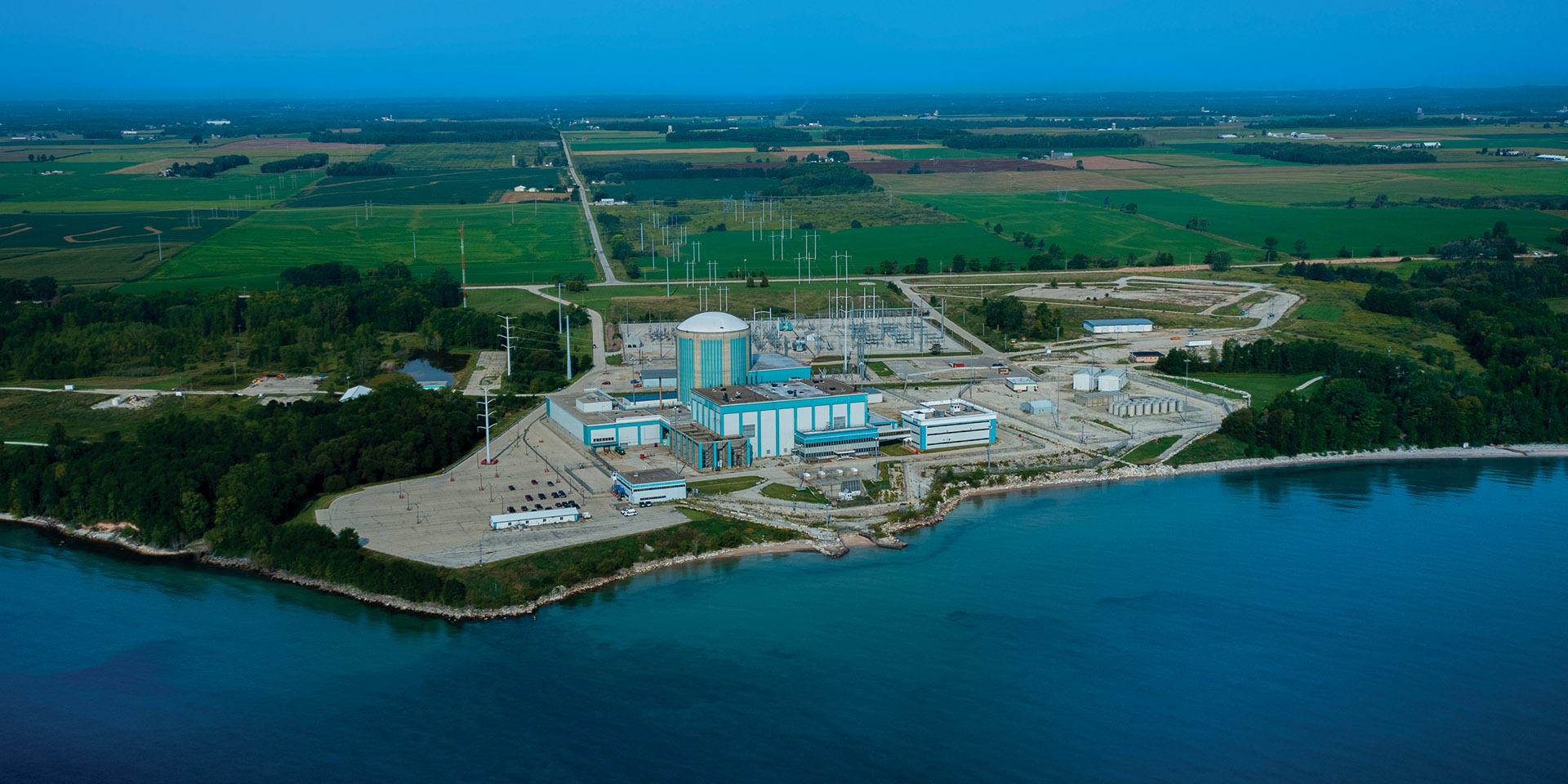
Contrary to what some believe, the nuclear industry, far from fading into the past, is experiencing an ongoing evolution. New generations of nuclear power technologies move closer to reality, while traditional nuclear generators are reaching retirement and entering decommissioning. As research on Small Modular Reactors (SMR) advances, prototype production is in full swing with the potential for SMRs to eventually replace the current fleet. And while technology advances, so do markets seeking to deal with the challenge of climate change in the face of the retirement of the currently operating nuclear power plants in the U.S. In an exceptional recent win for nuclear power, the Illinois legislature approved $700 million in subsidies for the Byron and Dresden nuclear stations over the next five years. It remains to be seen if this will be an isolated move in today’s nuclear plant lifecycle.
Work itself can be digitalized
Almost every aspect of work within a nuclear plant can be digitalized—from your frontline maintenance to back-end support functions. Digitalized work improves productivity, efficiency, and safety while substantially reducing costs.
From a work performance perspective, an organization can be defined as a collection of processes, often governed by regulatory policies. These processes are implemented using paper-centric procedures, work instructions, forms and checklists, often touching many hands during preparation, performance, and record management. This perspective applies to both direct powerplant operations and maintenance as well as administrative and support functions.
An innovative, rapidly deployable battery power supply system that enhances operator flexibility, improves stations’ probabilistic risk assessment profile, and augments FLEX response.
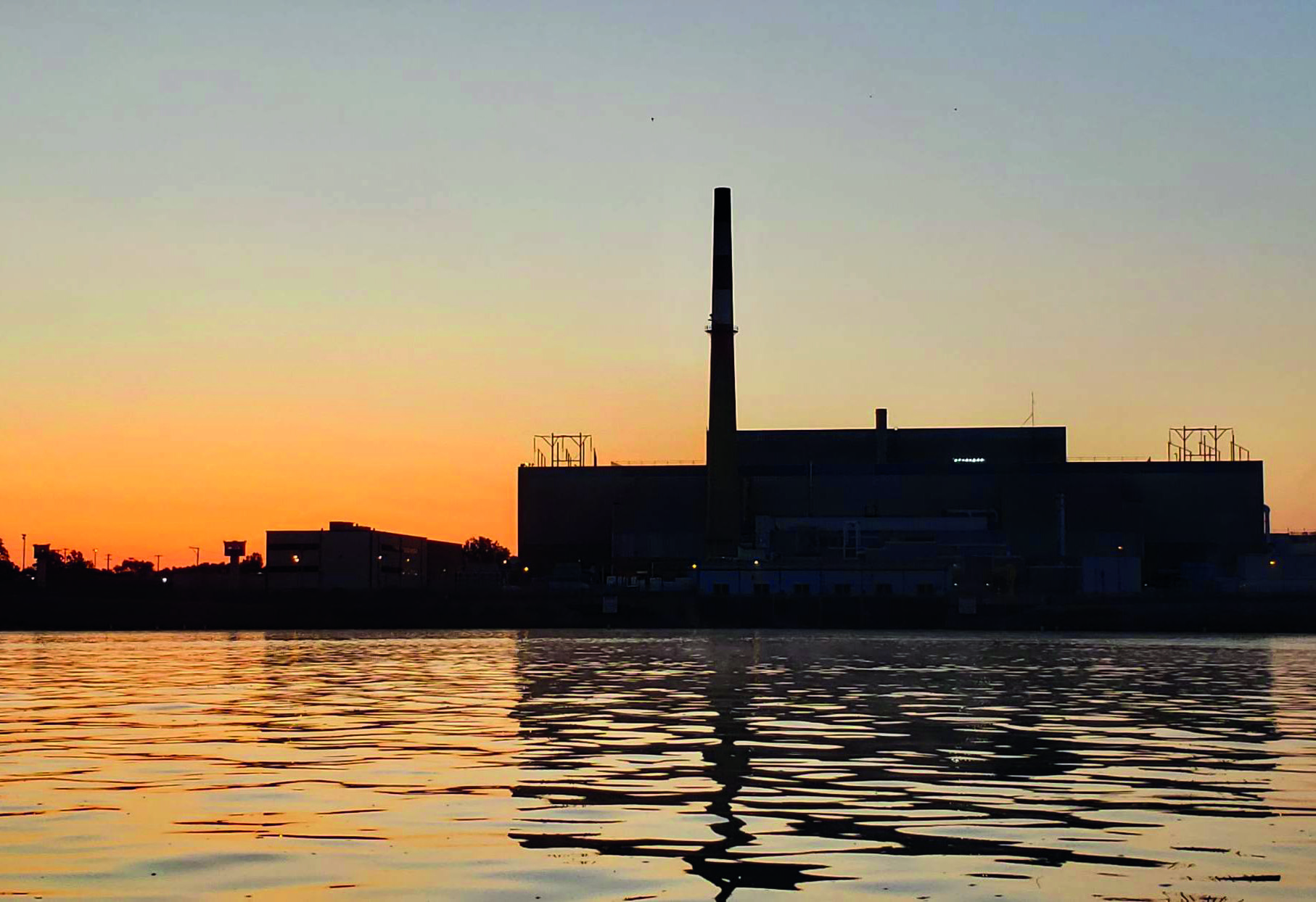
BlackStarTech® Innovation Group asked one simple question:
How do we further improve the response times of our FLEX strategies?
That question led to a second question:
Can we add defense in depth to U.S. FLEX response, enhance safety margins, and strategically provide critical power rapidly and reliably in under 30 minutes for up to 30 days?
The response and resultant innovative journey led to the development of a rapidly deployable and portable battery-powered energy delivery system transforming how the nuclear industry can provide critical DC and AC power to the most essential components and control systems. The BlackStarTech methodology utilizes compact and portable power supplies to further enhance essential equipment availability, as well as providing defense in depth to FLEX and B.5.b response. The portable battery power technology provides an alternative means of electrical power delivery solutions, expanding operator flexibility and optimizing station risk reduction strategies.
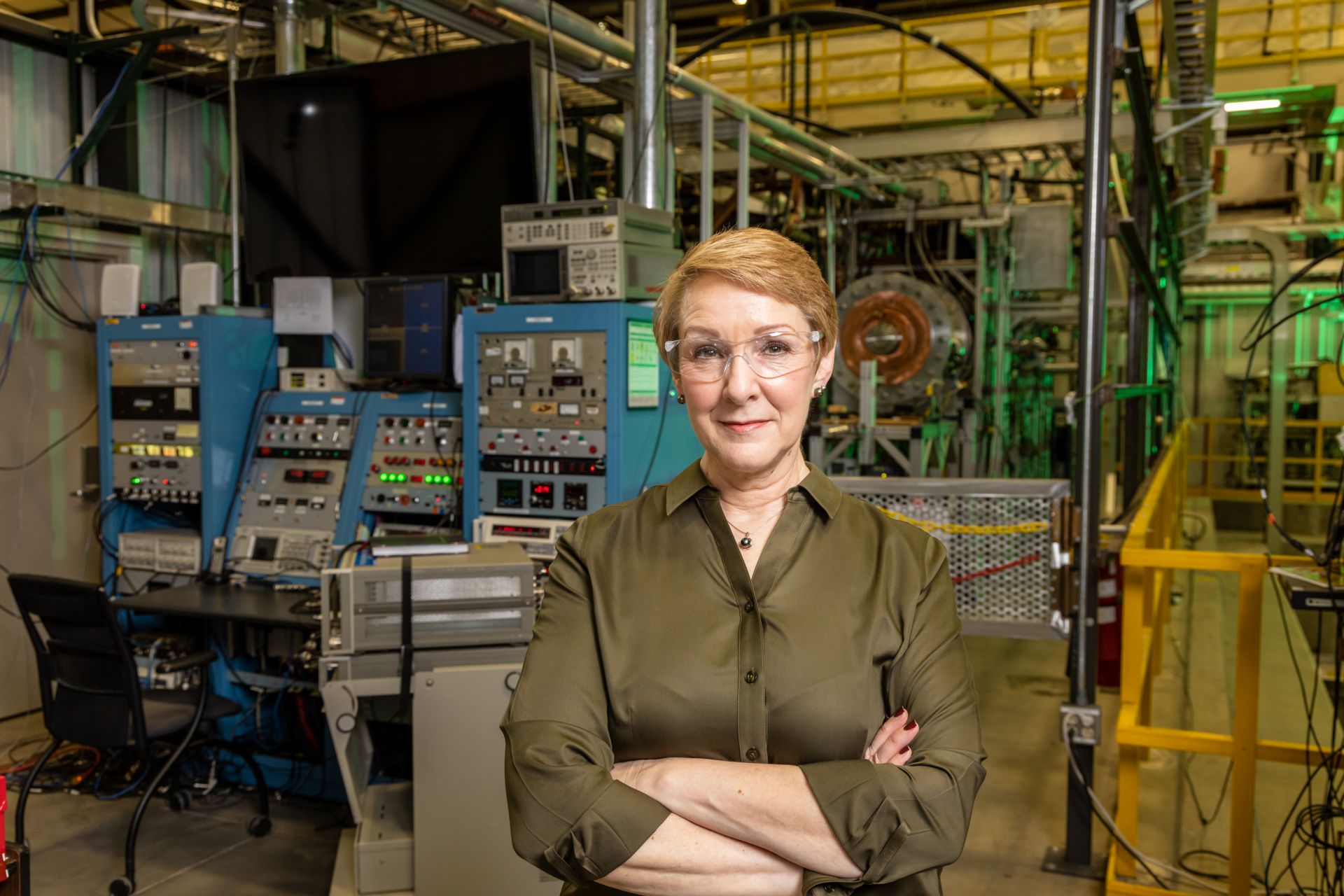
Oak Ridge National Laboratory has a long record of advancing fusion and fission science and technology. Today, the lab is focused more than ever on taking advantage of that spectrum of nuclear experience to accelerate a viable path to fusion energy and to speed efficient deployment of advanced nuclear technologies to today’s power plants and future fission systems.