ARC partners with INL for first reactor deployment
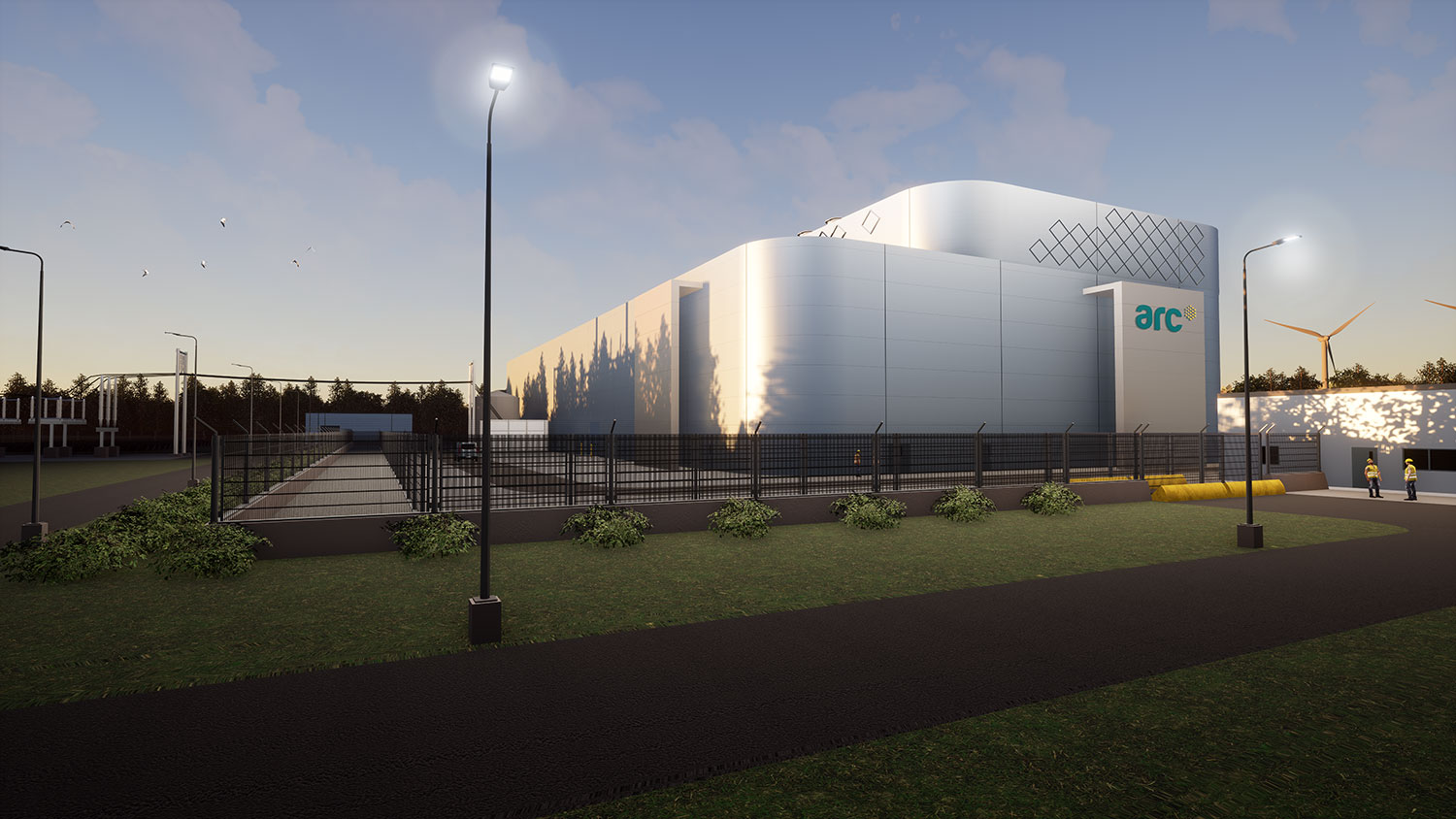
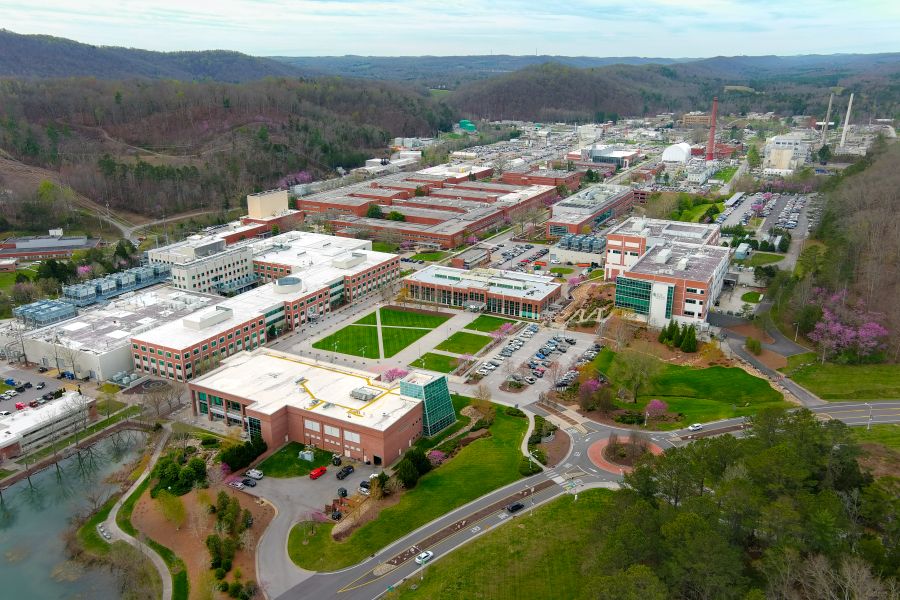
Earlier this week, ARC Clean Technology announced that it has entered into a Strategic Partnership Project agreement with Battelle Energy Alliance—the management and operating contractor of Idaho National Laboratory.
That agreement establishes a multiyear framework for ARC and INL to collaborate on the design, demonstration, and first deployment of the company’s ARC-100, a 100-MWe sodium-cooled fast reactor.
The background: ARC stands out in a sea of reactor start-ups as perhaps the oldest in the group. The Washington, D.C.–based company was founded in 2006, before other long-standing industry names like TerraPower (founded in 2008), X-energy (founded in 2009), and Oklo (founded in 2013).
In its two decades of operation, ARC has pursued many potential development and deployment avenues, though the activities of its early years are not well documented and are obscured by the company’s several name changes, which have included Advanced Reactor Technologies, Advanced Reactor Concepts, and ARC Nuclear. Early patent applications show that the company was developing its reactor design in the years after its founding, and its plans to develop a sodium fast reactor are mentioned in several Department of Energy publications around 2015.
In 2017, ARC partnered with GE Hitachi Nuclear Energy to jointly develop, license, and deploy the ARC-100 in Canada. At the time, GEH planned to license intellectual property related to its Prism reactor design to ARC.
Progress on the Canadian side of ARC’s work continues to this day; the ARC-100 has moved through several stages of regulatory review with the Canadian Nuclear Safety Commission, and ARC has partnered with several companies to advance plans for reactor deployment in Alberta.
Meanwhile, in the United States, ARC received a major boost in 2020 when the DOE rolled out the Advanced Reactor Demonstration Program, which aims to speed the demonstration of advanced reactors through industry-government cost-sharing partnerships. The ARDP is split into three different groups, the most well-known of which involves TerraPower and X-energy. ARC was selected for a different group, the confusingly named ARC-20 pathway. (ARC-20 is an abbreviation of Advanced Reactor Concepts 2020; its similarity to the company name is coincidental.) With ARC’s selection in ARC-20, the company received $27.5 million in DOE funding and set a goal of deploying its reactor by the mid-2030s.
That year, ARC also began prelicensing engagement activities with the Nuclear Regulatory Commission. The company is now planning to pursue licensing under the recently unveiled 10 CFR Part 53.
The agreement: This newly formed partnership with Battelle, according to ARC, will see INL supporting “multiple technical functions including engineering and design, advanced materials and manufacturing, high-performance computing and modeling, irradiation testing, reactor commissioning and operation, and site development; covering the full lifecycle from detailed design through [first-of-a-kind] deployment.”
Unlike other recent, high-profile reactor deployments at INL, ARC has not been named as a participant in either the Reactor Pilot Program or the Nuclear Energy Launch Pad. As such, its design must progress through NRC licensing rather than expedited DOE authorization.
Instead, the value of the DOE’s Strategic Partnership Projects Program is in making available “the wealth of technologies, distinctive personnel and expertise, and facilities” at INL to private industry, other federal organizations, and universities—as explained in an INL fact sheet on the program.
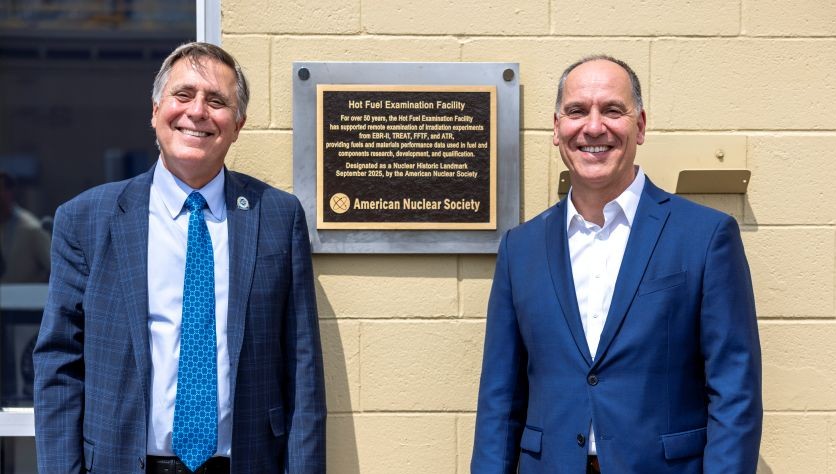
The ARC-100 is sodium-cooled and fueled with a metallic uranium-zirconium alloy that makes use of a supercritical CO2 Brayton Cycle power converter. It will not be the first sodium-cooled fast reactor built at INL. The ARC-100 directly builds on the lessons learned from the Experimental Breeder Reactor-II, which operated on the site for more than 30 years.
ARC’s newest press release did not include a tentative target date for NRC approval or commercial operation for the first deployment of the ARC-100.