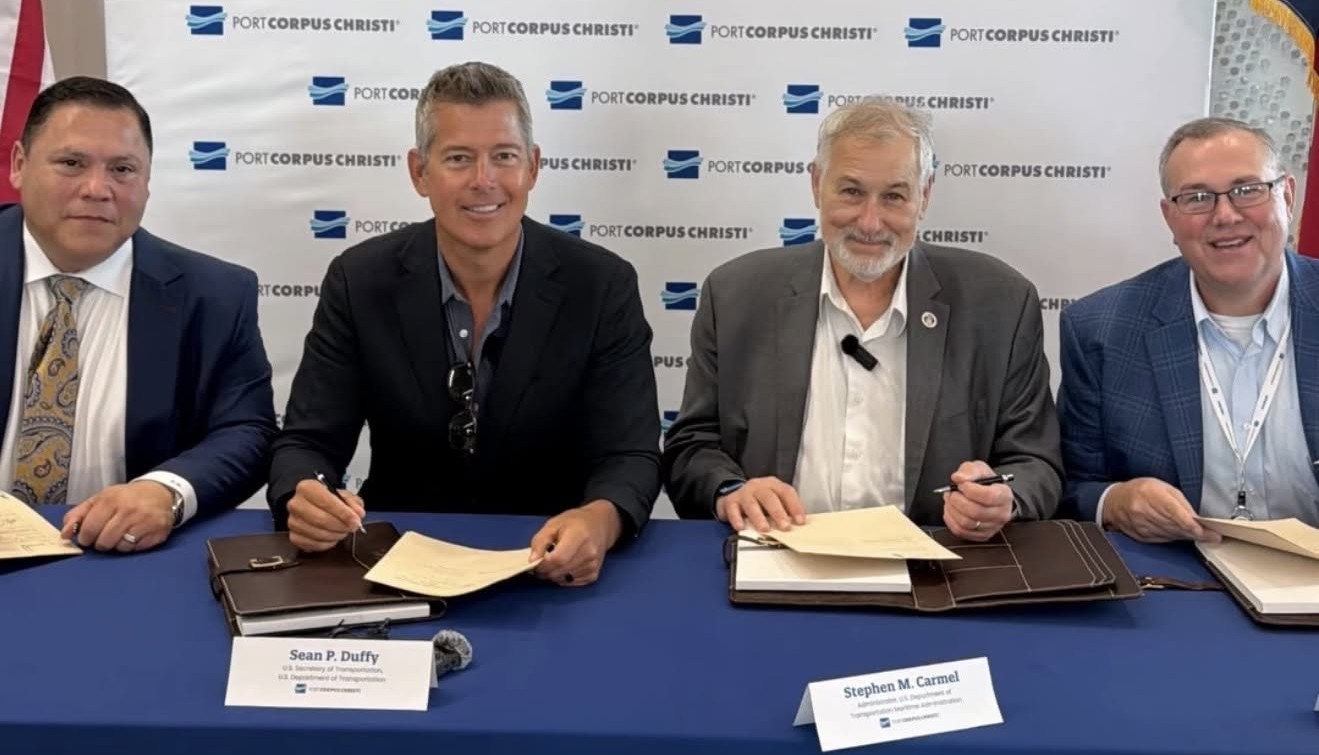
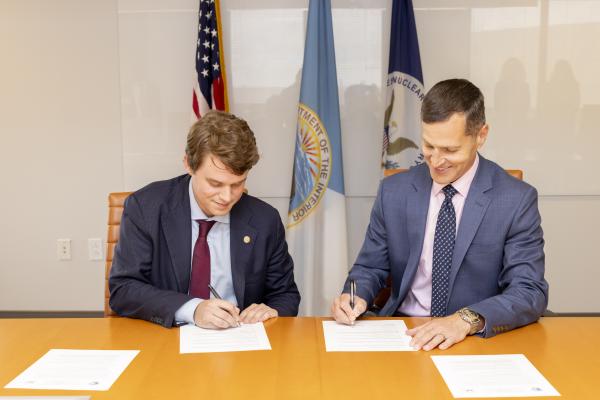
“Small modular reactors have the potential to reshape America’s maritime sector, lower shipping costs, and bolster our supply chains,” Duffy said in an announcement. “I’m thrilled that the Port of Corpus Christi is embracing this exciting partnership with the Trump administration to ensure the United States leads the way in innovation.”
About the partnership: The MOC will have the parties explore opportunities to advance maritime energy systems, such as through SMR technologies, resilient port microgrids, shoreside power architecture, infrastructure capable of supporting emerging vessel propulsion concepts, and workforce development, according to MARAD.
The Port of Corpus Christi and its customers moved 203.4 million tons of goods in 2025, down 1.5 percent from a record set in 2024. Crude oil shipments hit 127.4 million tons in 2025, while liquefied natural gas exports hit 18.6 million tons. According to the DOT, the Texas seaport is the country's largest port for petroleum exports.
“With this agreement, the Port of Corpus Christi affirms its commitment to work with the administration to promote innovation in the U.S. maritime sector in support of our nation’s storied maritime industrial base and the communities around the world that depend upon it,” said Jeff Pollack, chief strategy and innovation officer for the Port of Corpus Christi.
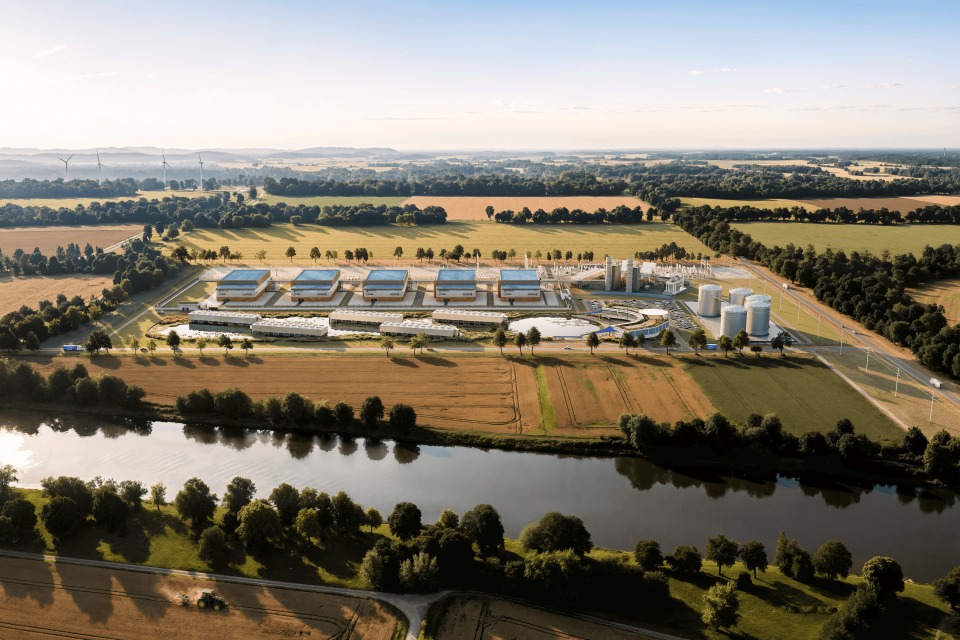
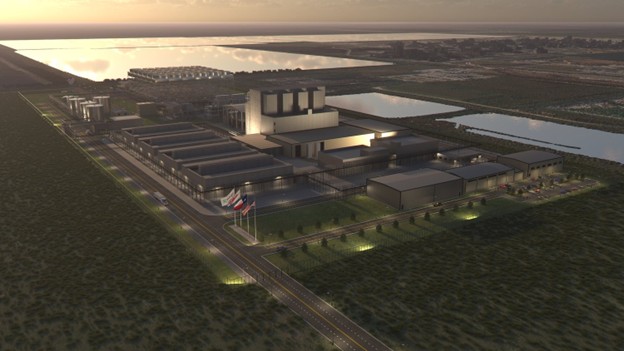
Core Power agreement: In a separate but related announcement, the Port of Corpus Christi and Core Power announced a partnership to conduct a site-specific maritime nuclear readiness study. The study would assess the feasibility of Corpus Christi as a potential location for a floating nuclear power plant for port and regional demand and as a potential gateway for nuclear-powered commercial ships.
“Ports are where energy systems and global trade meet. For floating nuclear power plants, we need to understand sites, grids, customers, operating models and long-term service arrangements. For nuclear-powered commercial ships, we need safe and predictable pathways for transit, berthing and routine port operations,” said Core Power CEO Mikal Bøe.
According to Core Power, the study is a preliminary exercise and would not finalize plans for siting, licensing and permitting, construction, investments, or nuclear technology deployment.
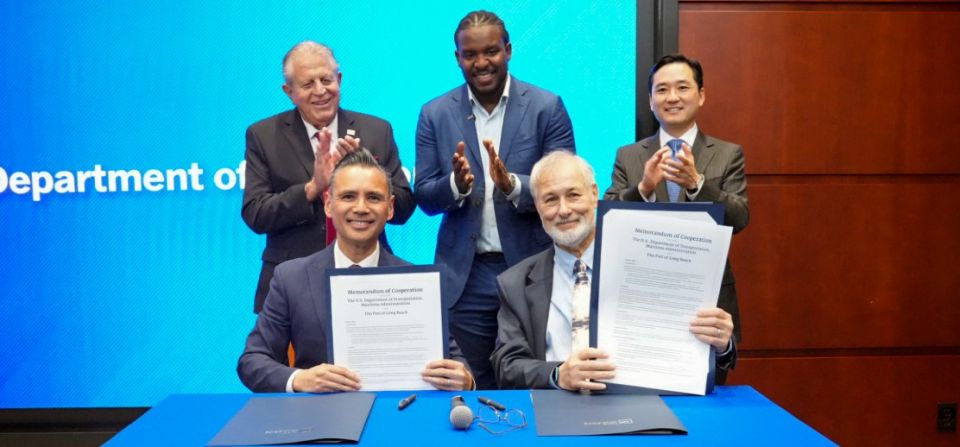
MARAD, seaports relationships: Earlier this summer, MARAD signed an MOC with the Port of Long Beach in southern California. The first-of-its-kind partnership pairs MARAD with the seaport to explore commercial nuclear-powered maritime vessels.
MARAD had issued a request for information in May seeking industry input on the development of domestic, scalable, commercially viable reactors for U.S. marine transportation.