UW-Madison: A Midwestern nucleus of fission and fusion
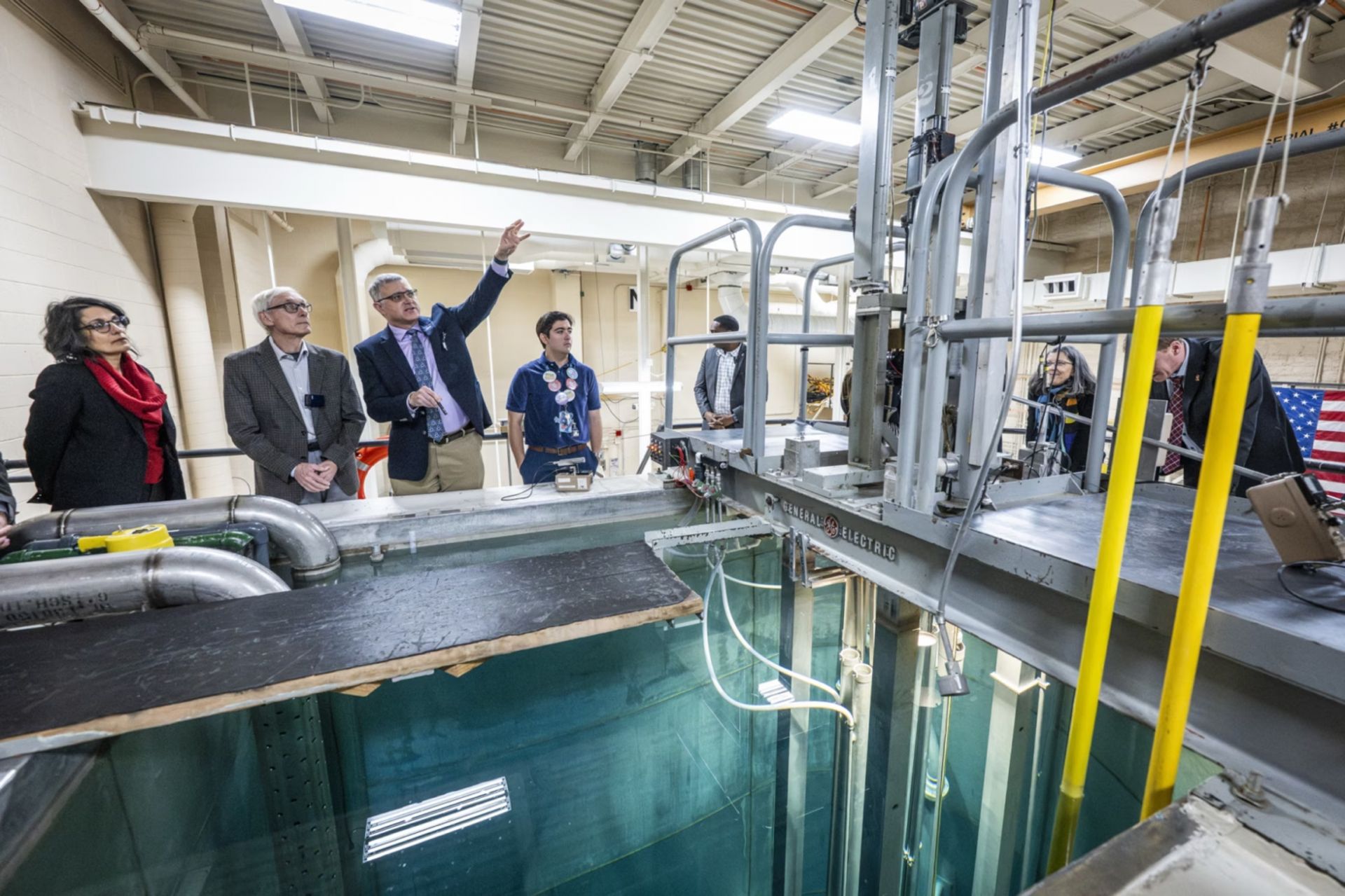
With more than six decades as a top-ranked program in its rearview, the Department of Nuclear Engineering and Engineering Physics (NEEP) at the University of Wisconsin–Madison is hardly slowing down. In fact, NEEP is continuing to grow and develop its faculty, curriculum, and research.
Wilson

Huff
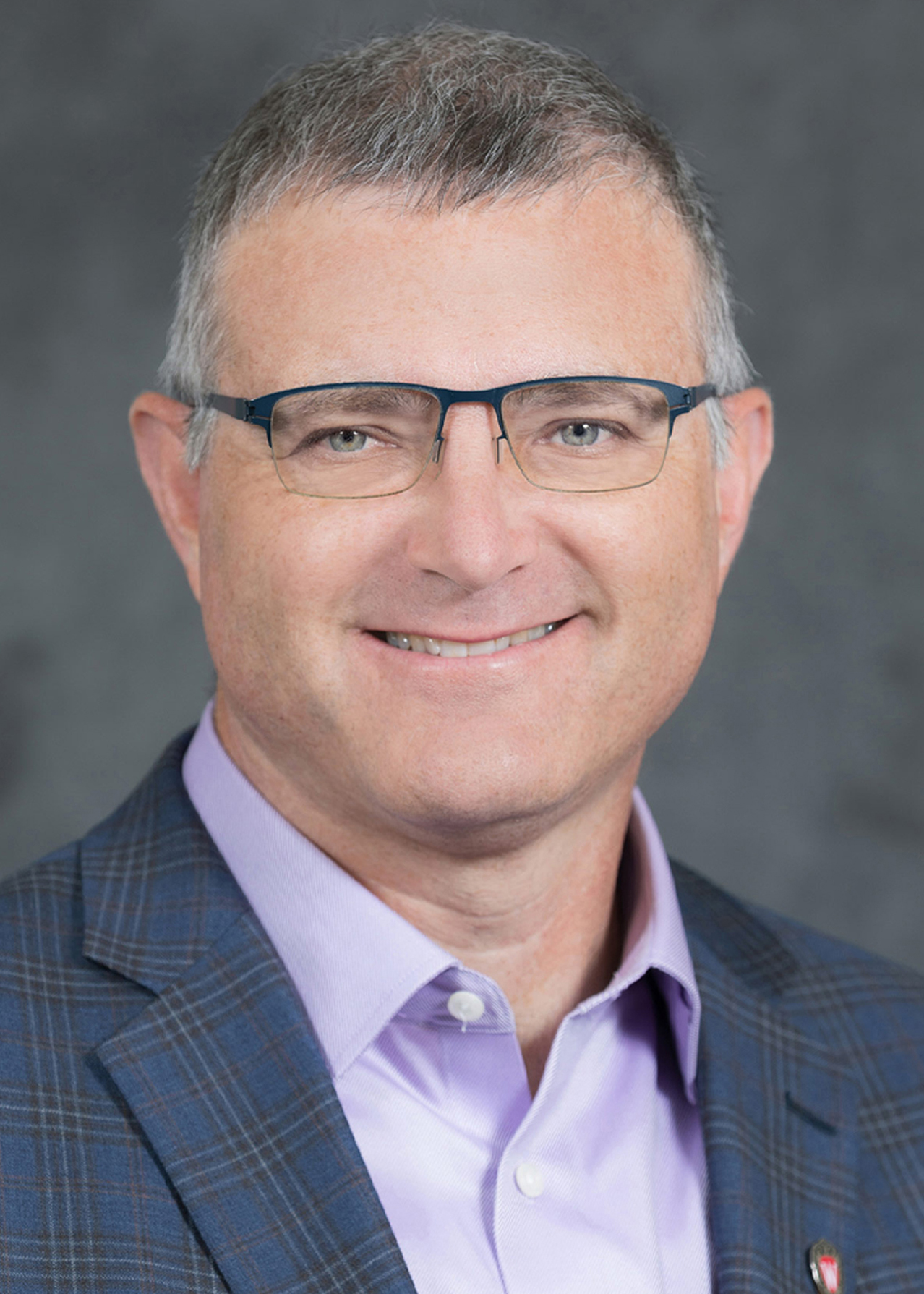
In April, Kathryn Huff, former assistant secretary of energy for nuclear energy, was named the new chair of NEEP. It’s a homecoming of sorts: Huff, who is returning to Wisconsin from the University of Illinois–Urbana-Champaign (UIUC), received her doctorate in nuclear engineering from UW-Madison in 2013, with Grainger Professor of Nuclear Engineering Paul Wilson as her advisor. She begins her new position this month, accepting the reins from Wilson.
Huff joins an expanding and very active department. Wilson told Nuclear News, “We are in a period of rapid growth as a department, including undergraduate students—from 60 to more than 150 in the past three years—and faculty—from 12 to 17 in three years—with plans to continue expanding.”
As the department grows in numbers, its curriculum is evolving too. A new fusion plasma focus area was launched in 2025 as part of the nuclear engineering bachelor’s program. It’s fitting for a university that has incubated not just one or two, but three fusion energy companies: Realta Fusion, Shine Technologies, and Type One Energy.
Wisconsin’s local nuclear experts
UW-Madison is a hub for fission and fusion alike. When Gov. Tony Evers wanted to explore potential new nuclear energy development in Wisconsin, which currently hosts two power reactors at Point Beach, he turned to Wilson and NEEP.
As director of the Wisconsin Nuclear Energy Siting Study, Wilson is “overseeing a team of over a dozen researchers from various disciplines and organizations” that are fulfilling a state law signed in July 2025 and a partnership agreement signed by NEEP and the Public Service Commission of Wisconsin in January. The state’s 2025–2027 Biennial Budget Bill included $2 million in funding to support the study.
The study team includes faculty from NEEP, the UW-Madison Nelson Institute of Environmental Studies, and the science communication and geography programs; students from NEEP, science communication, geography, public policy, and law; and experts from Pacific Northwest and Oak Ridge National Laboratories.
Throughout 2026, the study participants will be using a geographic information system (GIS) environment to “understand how different aspects of nuclear energy technologies, federal and state regulatory/permitting processes, the natural and built environments, and the sociopolitical fabric of the state combine to indicate which sites are more or less viable for hosting new nuclear energy facilities,” Wilson explained.
UW-Madison nuclear engineering students are participating in the study. For example, as Wilson explained, “We have one nuclear engineering graduate student assisting with reviewing different nuclear technologies and how their characteristics interact with the other inputs to the identification of viable sites. This student is working with a faculty expert, and their combined expertise in the key features of these nuclear energy systems will be important to inform the overall process.”
Midwestern hospitality
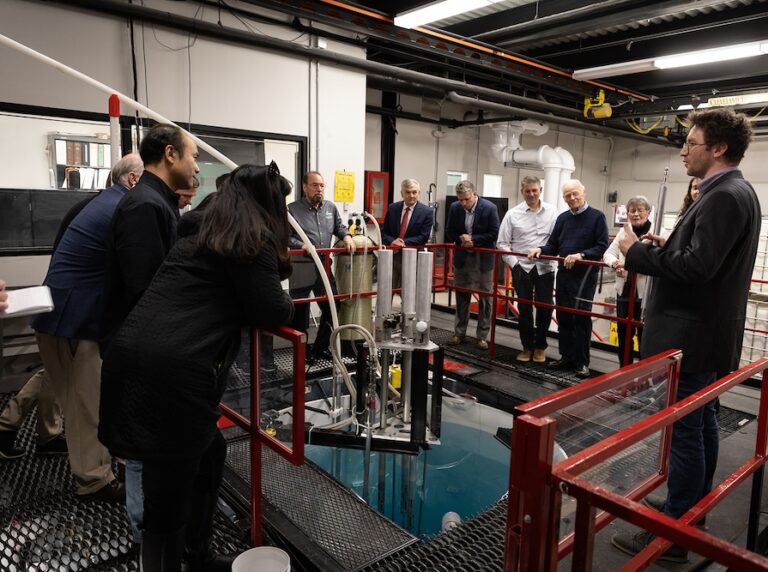
NEEP expertise and facilities have impacts beyond Wisconsin’s borders, and a new award of nearly $200,000 from the Department of Energy’s Office of Nuclear Energy for the Midwest Reactor Sharing Consortium expands that reach. The award, announced in December, will help UW-Madison use the University of Wisconsin Nuclear Reactor (UWNR)—a 1-MW TRIGA research reactor—to increase public awareness and student access to nuclear science, engineering, and technology in the region.
UW’s TRIGA reactor has operated on the Madison campus since 1961. It “plays an important role in our curriculum and supports local industry partners and new reactor developers,” Wilson said. “This award provides support for us to offer experiences at our nuclear reactor facility to a variety of outside groups.”
According to Wilson, nuclear engineering students from the University of Michigan and the University of Illinois can take a course that will familiarize them with the UWNR facility and give them the opportunity to conduct experiments that reinforce reactor physics concepts. Afterward, they can participate remotely in experiments during the semester.
Additionally, STEM students at other partner institutions—such as the Illinois Institute of Technology, the University of Wisconsin–LaCrosse, and Fort Lewis College—“will be able to make short visits to learn more about nuclear energy, radiation detection, and how the nuclear reactor works,” Wilson explained. “We’ll also be increasing our outreach and tour offerings to area K-12 students.”
Fusion is fire
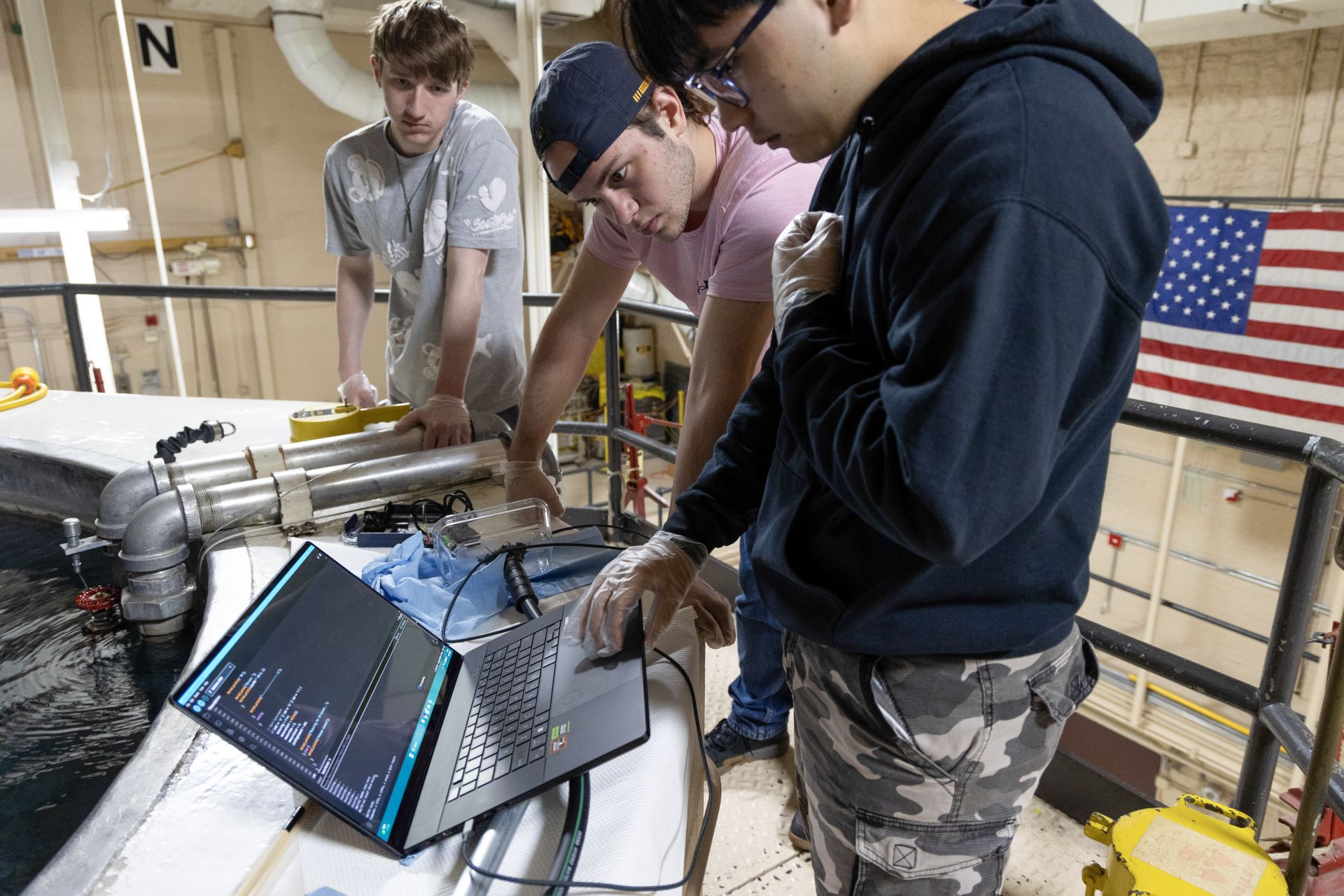
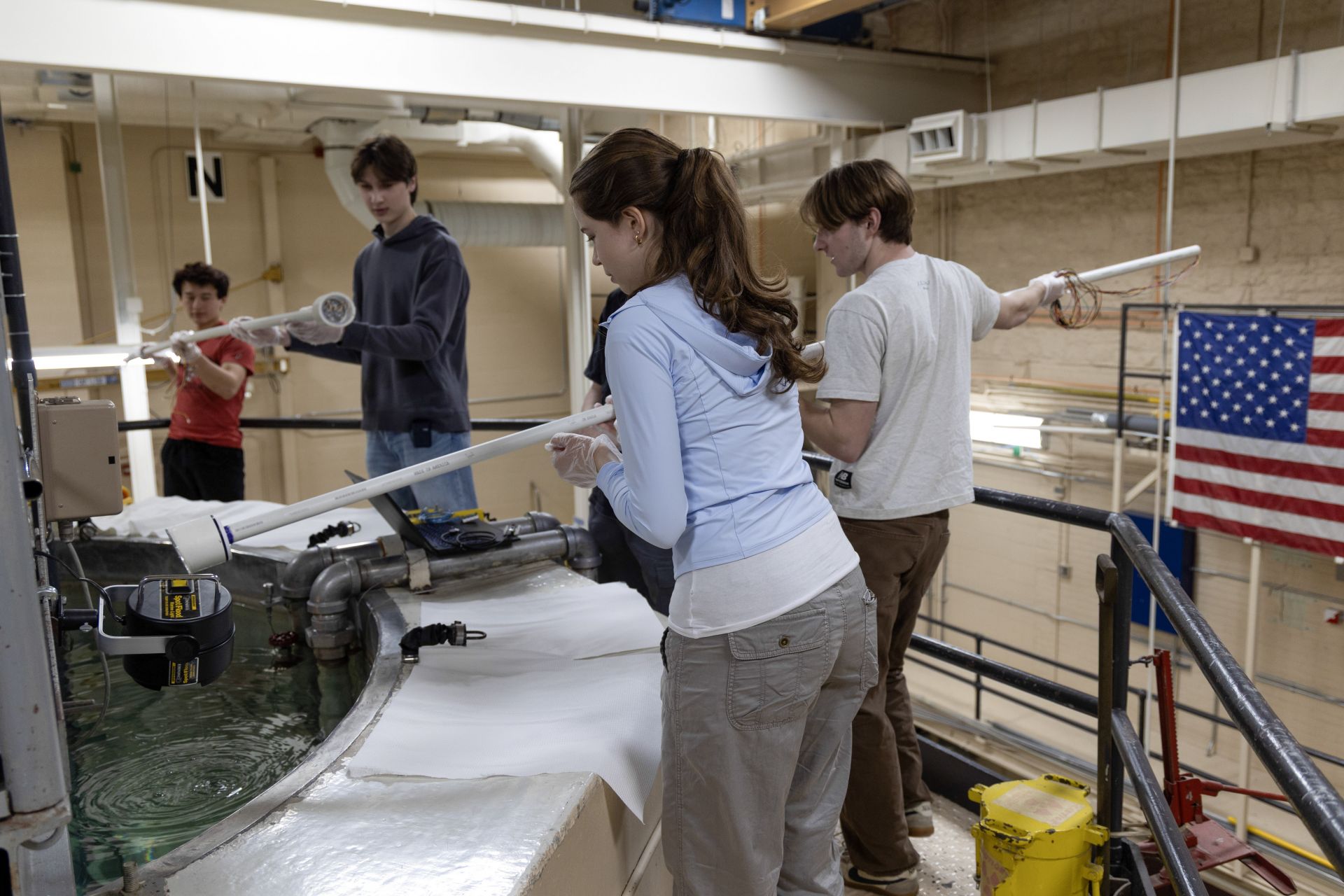
Above and facing page: First-year students test their semester-long Intro to Nuclear Engineering research projects: designing and fabricating light-sensitive detectors to measure the power output of nuclear reactors. (Photos: Lili Sarajian/UW-Madison)
Last year—the same year NEEP introduced an undergraduate fusion plasma focus—the department received an award from the DOE Office of Science’s Fusion Energy Sciences program for a Fusion Innovation Research Engine (FIRE) Collaboratives project.
Wilson describes FIRE collaboratives as “large, multi-institution centers receiving about $20 million over four years that are designed to make important contributions to advancing fusion energy.” At UW-Madison, a FIRE Collaborative explores technologies that will be important for developing viable fusion breeding blankets. It is led by Ben Lindley, an assistant professor and one of ANS’s 2024 40 Under 40.
Lindley and UW-Madison are collaborating on “Fusion Neutrons for Integrated Blanket Technology Development Through Advanced Testing and Design” with researchers from three other universities (Massachusetts Institute of Technology, UIUC, and the University of New Mexico), three companies (Realta Fusion, Rockwell Automation, and Shine Technologies), and three national laboratories (Argonne, Lawrence Livermore, and Princeton Plasma Physics Laboratory).
It was also in 2025 that the Great Lakes Fusion Energy Alliance emerged as a force to expand Midwestern momentum behind fusion energy development and commercialization. While siting fusion power plants in the region is the ultimate goal, the alliance plans to get there by focusing on workforce, growing a supply chain, and economic viability. UW-Madison is the alliance’s founding university partner, and it was UW-Madison that announced the new alliance in May 2025, following an inaugural Great Lakes Fusion Energy Summit organized at the university to coincide with Fusion Energy Week.
In the lab and the classroom
NEEP “has over 60 years of history as a leading nuclear engineering program, with unique strengths in both fission and fusion energy—both in the laboratory and in the classroom,” Wilson said. “Our extensive array of experimental facilities allows students to have valuable hands-on experiences as they develop a deeper understanding of concepts as undergraduates and graduate students alike,” giving them the education and preparation needed for future careers as leaders in companies, national laboratories, and government agencies.
NEEP offers bachelor’s degrees in nuclear engineering and in engineering physics, as well as master’s and doctoral degrees in the combined disciplines of nuclear engineering and engineering physics. Research focus areas include experimental plasma physics; plasma theory and computation; nuclear and fusion materials; nuclear systems engineering; energy transitions and policy; and nuclear security, nonproliferation, and arms control. The department also offers specialized certificates in engineering for energy sustainability and in nuclear engineering materials.
Some part of the department’s success in growing its student body might be down to the launch five years ago of a novel Introduction to Nuclear Engineering course for first-year nuclear engineering students. The course was developed by Adrien Couet, a professor of nuclear engineering and engineering physics, with support from Wilson and Assistant Professor Stephanie Diem.
The course goes beyond providing an introduction to the technological aspects of nuclear engineering. It explores associated economic and sociological topics and includes a semester-long project during which student teams must design, purchase materials for, and fabricate a light-sensitive detector to accurately measure the light emitted from the UWNR during operation.
Technology, policy, and vision
Huff is returning to her graduate school alma mater having already hit some remarkable career milestones. After teaching at UIUC for a few years, she took a leave of absence to work in Washington, D.C. From 2021 to 2024, she served at the DOE, including as assistant secretary of nuclear energy, during which time she directed nuclear energy policy; managed a large research and development portfolio; and coordinated work with national laboratories, universities, and industry.
She also brings prior experience gained at the Los Alamos Neutron Science Center, the Universidad de Chile physics department, the Kavli Institute for Cosmological Physics, Idaho National Laboratory, and Argonne National Laboratory.
Devesh Ranjan, the dean of the College of Engineering, noted at the time of her appointment to NEEP chair that Huff “brings a rare combination of technical depth, national leadership experience, and forward-looking vision at exactly the right moment.”
Huff told Nuclear News that “NEEP is among the strongest nuclear engineering departments in the country. Its research and educational excellence across fission, fusion, and nuclear policy are supported by major facilities and highly productive and highly decorated faculty that are at the top of their respective research fields.”
She is looking forward to being part of NEEP’s momentum. “Active hiring is bringing in new faculty across key areas to further strengthen the department’s technical breadth and long-term trajectory. And, simultaneously, the state of Wisconsin is leveraging resources . . . to take a leading role in new nuclear energy deployment in the United States,” Huff said. “The combination of internal growth and external opportunity puts NEEP in a position to make the most of the coming decades.”
Shaping national agendas
When asked about her goals for the department, Huff replied, “I hope to serve the faculty and students as they make the most of those opportunities before them. That includes maintaining strong federal support while expanding partnerships with national laboratories, industry, private foundations, and other stakeholders, so that the department can operate at the scale required for national impact.”
Departmental excellence must be “met with visibility and sustained engagement at the national level,” Huff added. “NEEP has the technical depth and the institutional credibility to shape national research agendas in both fission and fusion, and to contribute directly to policy and deployment decisions. That role depends on consistent engagement with federal programs, national laboratories, and industry partners, and on maintaining a clear connection between fundamental research and applied outcomes.”