Extracting efficiency

May 27, 2026, 9:31AMNuclear NewsCraig Piercy

Craig Piercy
cpiercy@ans.org

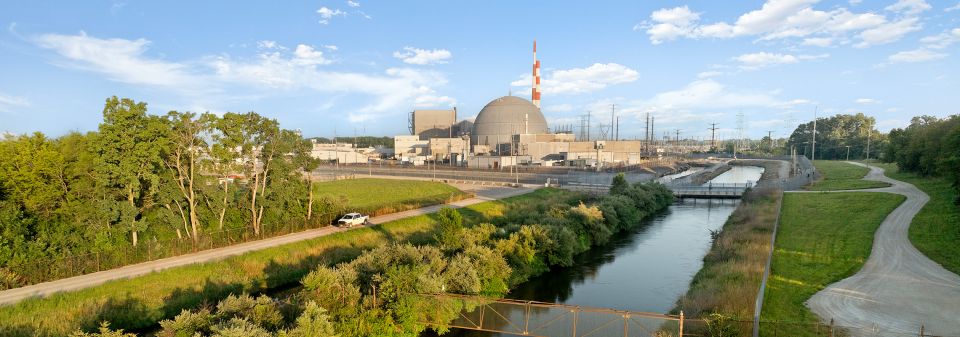
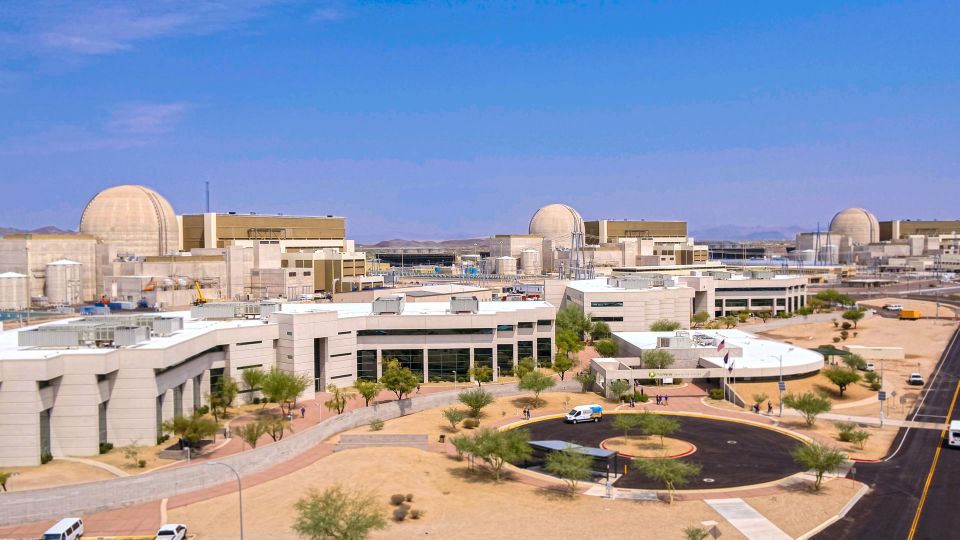
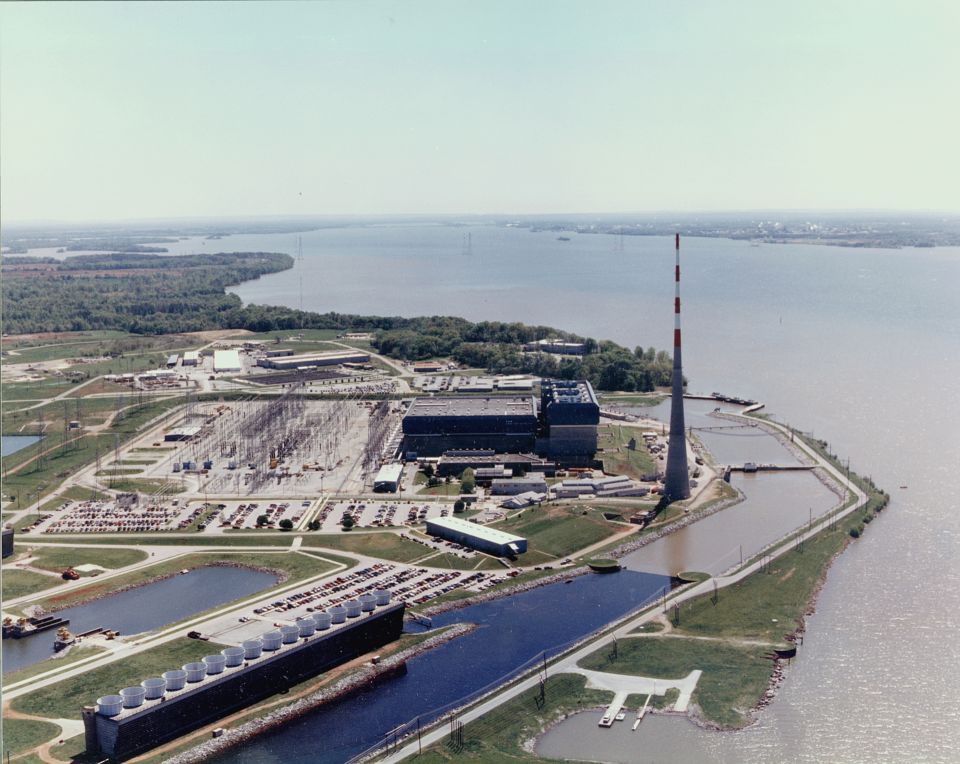
May is a month when we pause—briefly—to recognize something that too often goes unsaid: the extraordinary performance of the existing U.S. nuclear fleet. Capacity factors remain above 90 percent (with a median of 91.29 for the three-year period 2023–2025—see Nuclear News, May 2026, p. 24), an impressive figure delivered at a scale unmatched anywhere else on the globe. That level of sustained output is not an accident of design; it is a daily achievement. It reflects the discipline, professionalism, and pride of the men and women who operate and maintain these facilities, often without fanfare.

In this issue, you will also read about the important work researchers at our national laboratories are doing to extract even greater efficiency from the plants we already have. That effort deserves more attention, because it points to a fundamental truth: the fastest, most reliable way to expand nuclear generation in the United States is not solely through new builds—it is by maximizing the assets already on the grid.

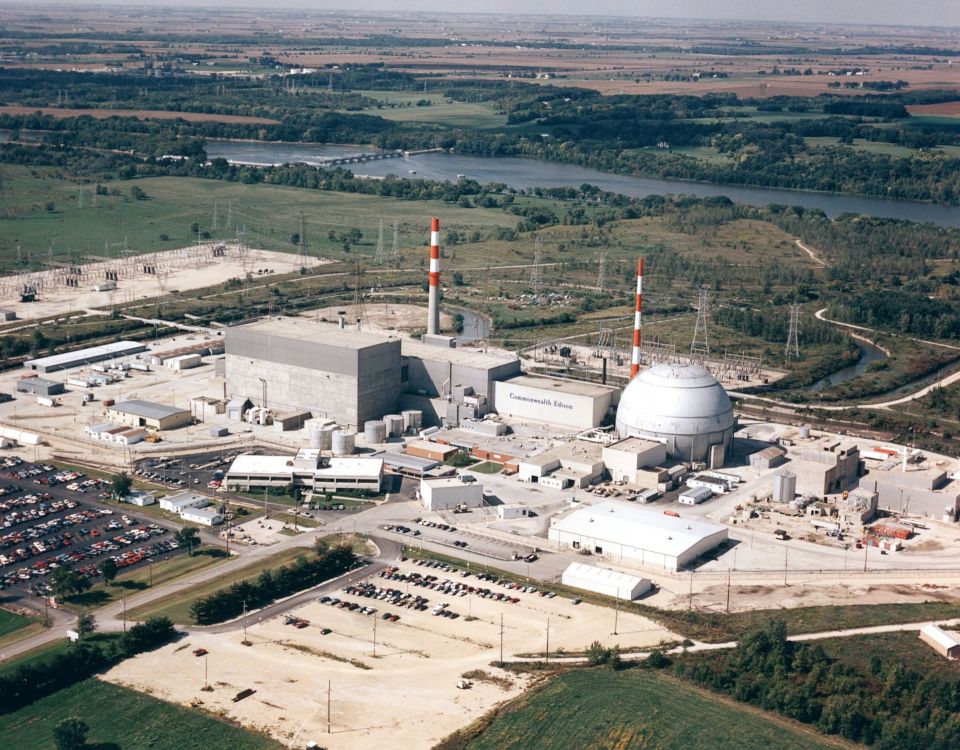
Extended operating cycles, uprates, and license renewals are not glamorous, but they are effective. If approached strategically, they represent a meaningful capacity wedge. Estimates suggest we could unlock something on the order of 8–10 gigawatts of additional generation over the next decade. That is the equivalent of several new large reactors—without the long lead times and capital risk.

While moderating ANS’s recent “Path to Criticality” webinar—which featured several developers aiming to bring prototype reactors on line this year (some as early as America’s 250th birthday on July 4)—I was struck by how the competitive landscape of new nuclear is evolving. The race for a nuclear resurgence is shaping up to be a contest between the “bigs” and the “smalls.”

Large reactors derive their advantage from scale: mature supply chains, regulatory familiarity, and the ability to deliver high output with strong operating efficiency over long lifetimes—albeit with significant upfront capital requirements and long replication timelines.

Smaller and advanced reactors, by contrast, are not designed to compete on thermodynamic or economic efficiency at the unit level. Their advantage lies in economies of production. Standardization, modular fabrication, and repeatable deployment all create a pathway to faster learning curves and more rapid “nth-of-a-kind” cost reductions. While this model offers the prospect of speed and flexibility, it still must demonstrate durable economics and achieve sufficient market adoption to realize those production-based gains.

Many people in the nuclear community have their own “theory of the case” in the big-versus-small debate. Ultimately, however, the question is not which side will win but how we will position ourselves to succeed with both—while not losing sight of the opportunities sitting right in front of us to preserve, extend, and incrementally expand the existing fleet.


Related Articles

Diablo Canyon gets key state approval

December 16, 2025, 7:00AMNuclear News

Pacific Gas & Electric has announced that the California Coastal Commission, the state agency in charge of protecting California’s roughly 840 miles of coastline, unanimously voted to...

Supplier Showcase focus: License renewals

September 22, 2025, 3:01PMNuclear News

The American Nuclear Society is hosting a Supplier Showcase webinar, “License Renewal: Smarter, Faster, Better,” tomorrow, September 23, from 2:00 p.m. to 3:00 p.m. (ET) on the increasing...