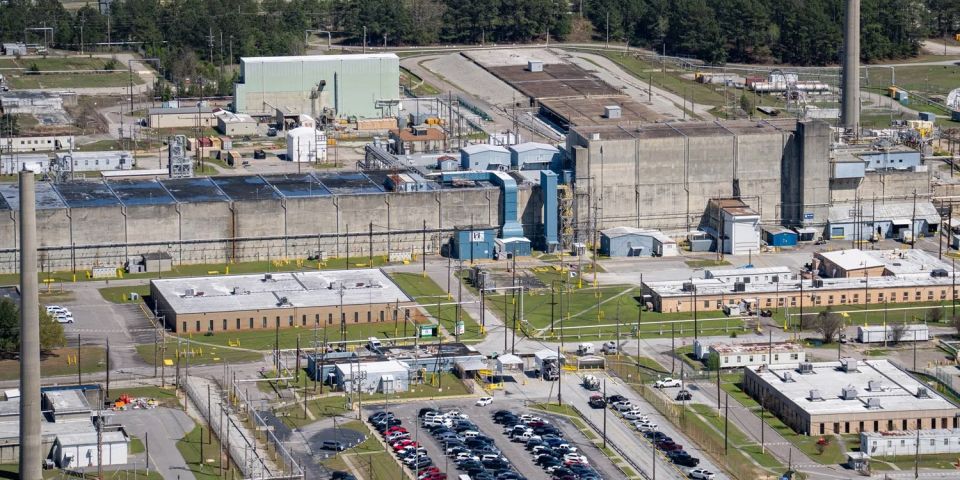
The DOE’s National Nuclear Security Administration last week announced it had selected Amentum to enter negotiations for a phased lease related to developing a data center and dedicated energy generation source at the Savannah River Site.
The Paducah site, located in western Kentucky, and SRS, in South Carolina, are among the four federally owned sites that the DOE chose last year for private-sector partnership projects to develop data centers with energy generation facilities. The other sites were the Oak Ridge Reservation in Tennessee and Idaho National Laboratory.
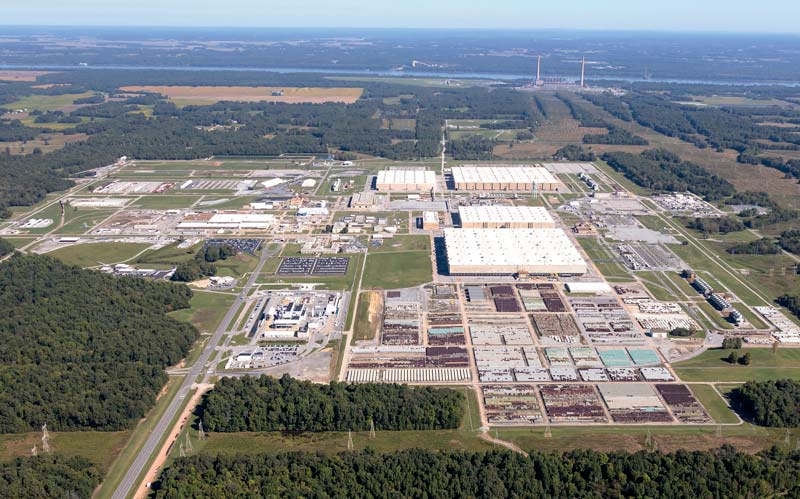
Paducah project: For the Paducah project, NextEra Energy is to develop—at or near the DOE Paducah site—2 GW of new, grid-connected, natural gas–fired electricity generation; upgrade existing transmission infrastructure; and deploy as much as 2.6 GW of battery energy storage. In its announcement of the partnership, the DOE made no mention of the use of nuclear energy.
The electricity will be used to support a planned 1.8-GW AI and high-performance computing innovation campus. Because the site’s energy generation and storage capacity will exceed the campus’s own energy needs, the extra electricity will be distributed to the regional grid.
Brookfield will develop and operate the Paducah data center campus. Big Rivers Electric Power Corporation will provide wholesale electricity services, Jackson Purchase Energy Cooperative will provide retail electricity services, and Paducah Power System will serve as a community partner.
The Paducah project involves more than $100 billion in privately funded investment, representing one of the largest such projects in Kentucky’s history. Approximately 8,000 construction jobs and 600 permanent jobs at the campus are expected to be created.
Construction is anticipated to be completed in 2031.
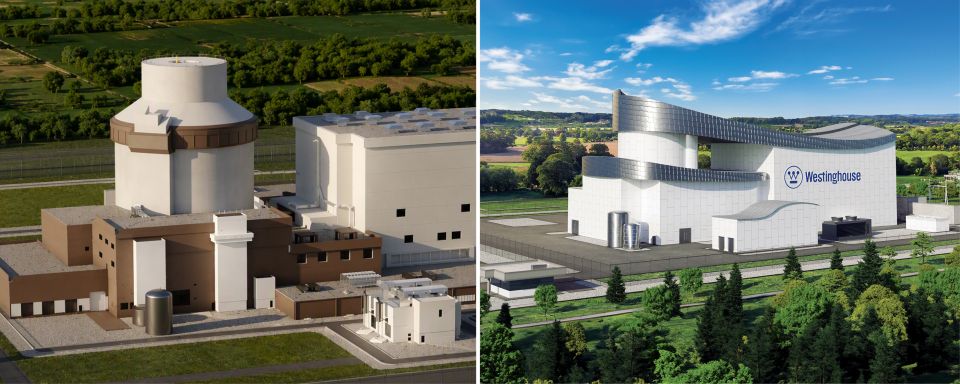
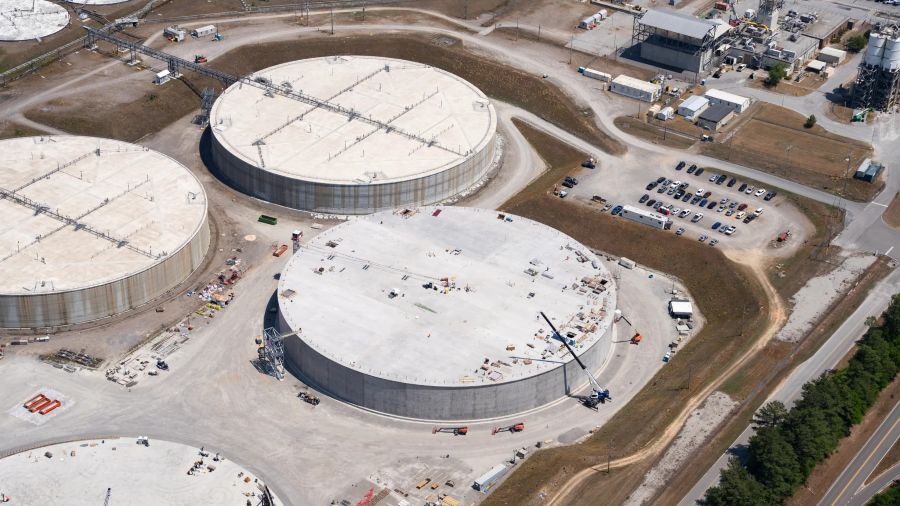
SRS project: In South Carolina, the NNSA and Amentum are collaborating to “rapidly” construct a 1-GW data center with approximately 2 GW of on-site energy generation “consisting of natural gas bridging to nuclear energy.” However, in its announcement, the DOE noted that Amentum’s selection to enter negotiations “does not constitute a final lease award. Any agreement will be subject to successful negotiations and all applicable permitting requirements, safety and security evaluations, and other federal approvals.”
As with the Paducah project, the SRS project has the objectives of accelerating the development of AI and energy infrastructure while using public-private partnerships to advance innovative technologies. The DOE said that both projects support “the Trump administration’s goals of utilizing federal lands to lower energy costs and help power the global AI race,” which were laid out in an executive order issued in July 2025.
NNSA Administrator Brandon Williams said that the SRS project “represents an opportunity to strengthen America’s leadership in artificial intelligence, expand reliable energy generation, and strengthen our national security. By working with the private sector, we can move faster, apply innovative technologies, and make productive use of federal land while maintaining our commitment to mission delivery.”
Winning the AI race: In reference to the Paducah project, DOE Secretary Chris Wright similarly noted that “the U.S. government is leveraging its assets—like our federal lands—to add power generation, create jobs, and ensure the United States wins the AI race.”
He continued, “By transforming former DOE sites into engines of innovation and economic growth, we can revitalize communities with increased tax revenue and thousands of jobs, while also strengthening America’s energy security.”