International roundup: May highlights from Europe, Africa
SMR-300 deployments, power plant names, trade missions, agreements between neighboring countries, and renewed interest in nuclear energy are among the notable developments that occurred internationally in the month of May.
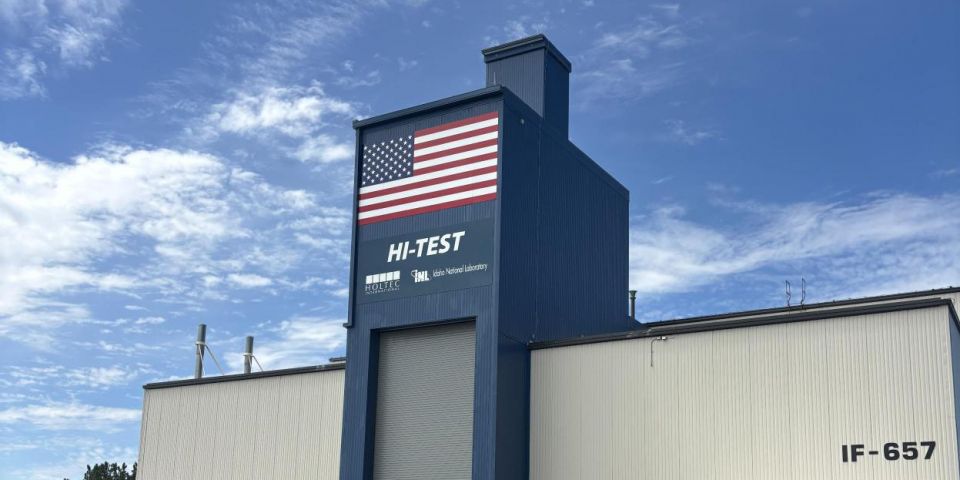
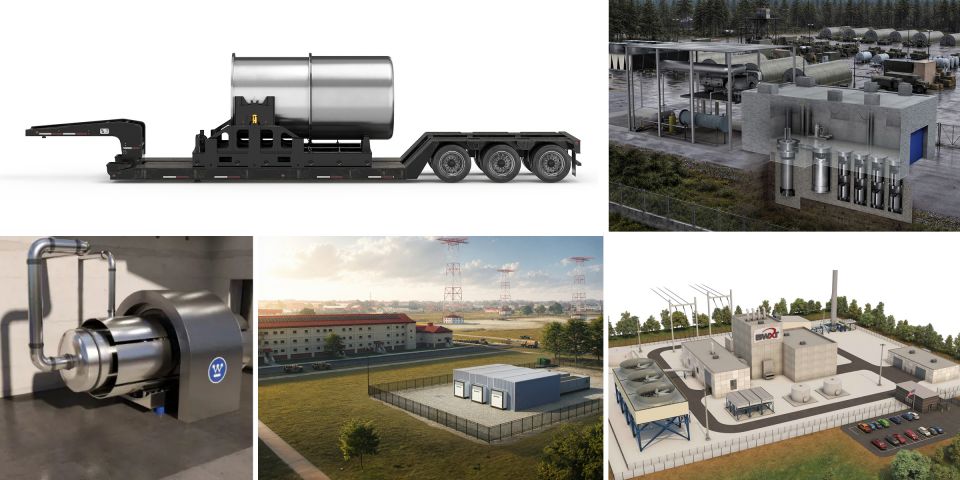
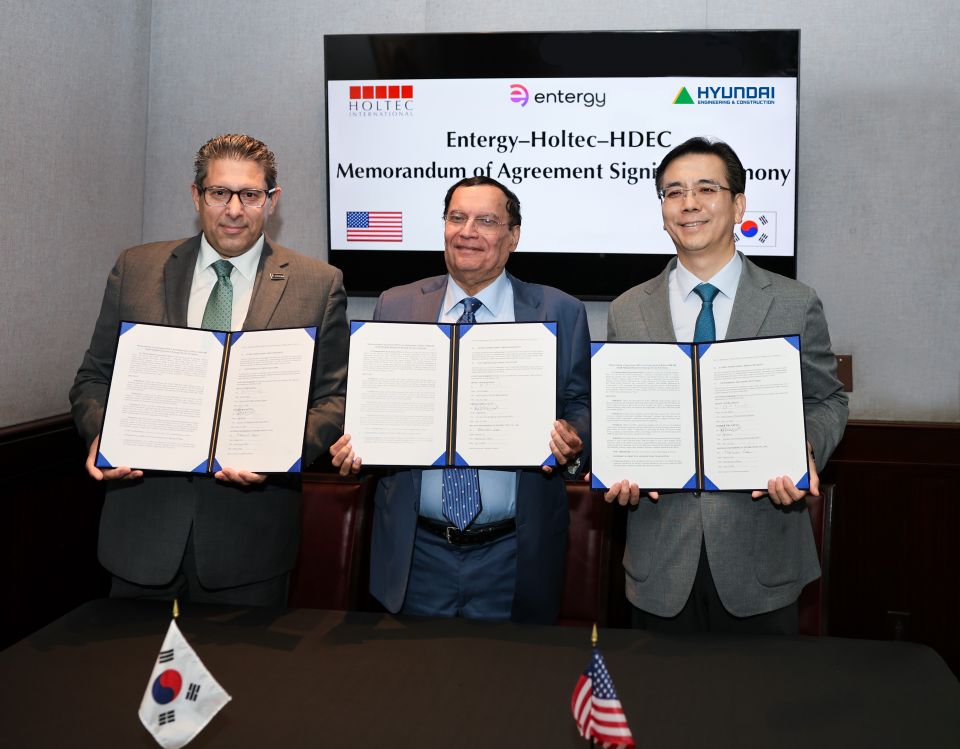
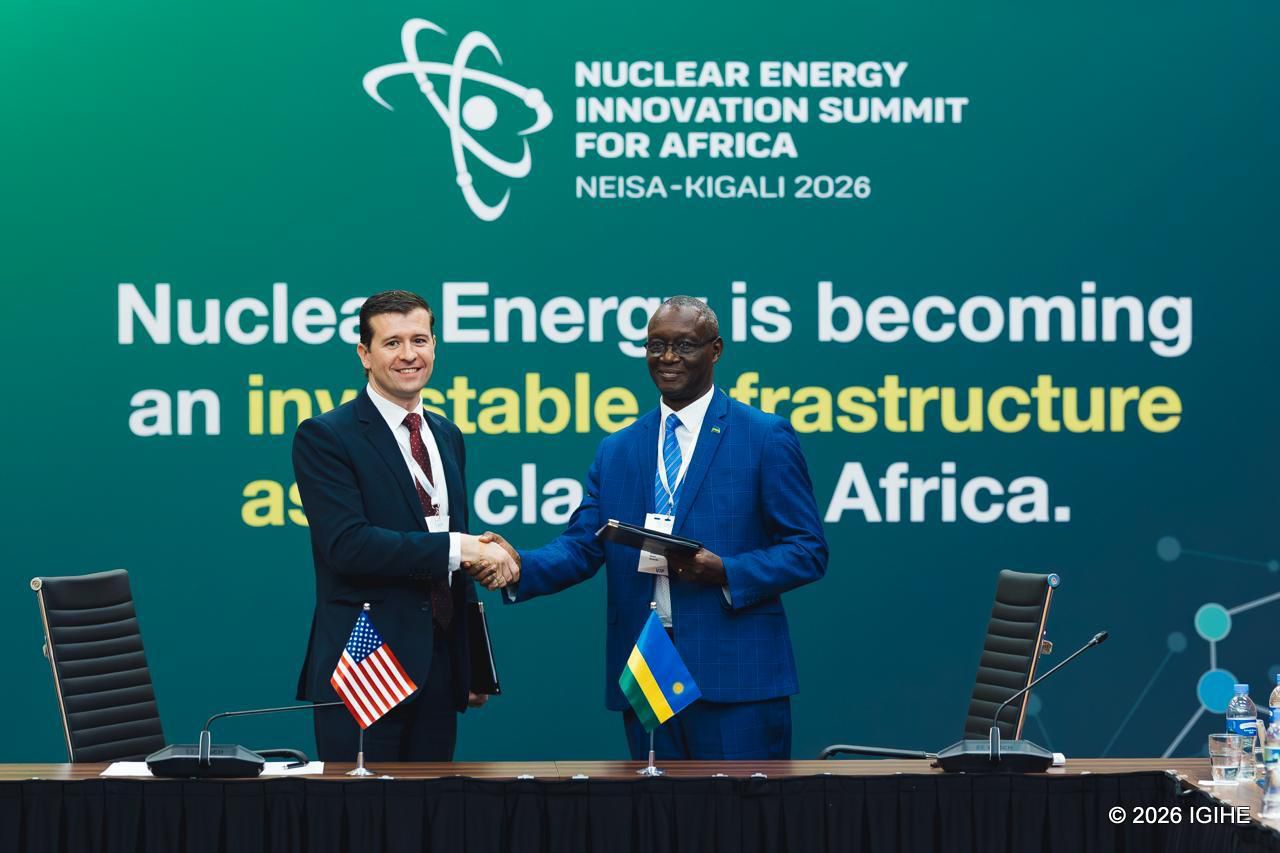
Holtec, Rwanda reach agreement: Holtec International and the Rwanda Atomic Energy Board (RAEB) signed a development agreement on May 19 to deploy Holtec’s SMR-300 reactors in Rwanda. The agreement was signed by Holtec Europe director Rafael Marin and RAEB CEO Fidele Ndahayo during the Nuclear Energy Innovation Summit for Africa.
“Holtec is proud to help navigate Rwanda’s transition to a nuclear power generator and to help position the country as a pioneer in the field of SMR deployment in Africa,” said Marin in a statement.
Also at the summit, U.S. and Rwanda officials signed a separate U.S.–Rwanda civil nuclear cooperation memorandum of understanding.
In March, a review by the International Atomic Energy Agency reported that Rwanda was making strides toward adding nuclear power to its energy mix and progressing on its nuclear infrastructure plans, which included the deployment of SMRs in the 2030s. According to the IAEA, Rwanda is aiming to have nuclear power supply 60–70 percent of its energy mix.
Holtec, meanwhile, plans to deploy two SMR-300s at the Palisades power plant site in Michigan under the name Pioneer-1 and 2.
Wylfa site seeks name: Great British Energy-Nuclear (GBE-N) has launched a competition to find a name for the SMR facility it is building at Wylfa, in northern Wales. Local residents have until 5 p.m. on June 8 to submit their suggestions at greatbritishenergynuclear.uk/nameyourpowerstation. The winning name will be announced shortly after, according to a news release.
“I’m excited about the role that the people of Anglesey will play in selecting a name for the site. Local people are central to this project and will be for generations to come,” Wales Secretary of State Jo Stevens said in a statement.
“This is the start of a decades-long relationship with the people of Anglesey, so it’s only right that we ask them to help name the power station which will be a part of this community’s story for generations,” added GBE-N CEO Simon Roddy.
The naming competition was announced shortly after Rolls-Royce SMR and GBE-N signed a contract paving the way for work to commence at the site of the decommissioned Wylfa nuclear plant.
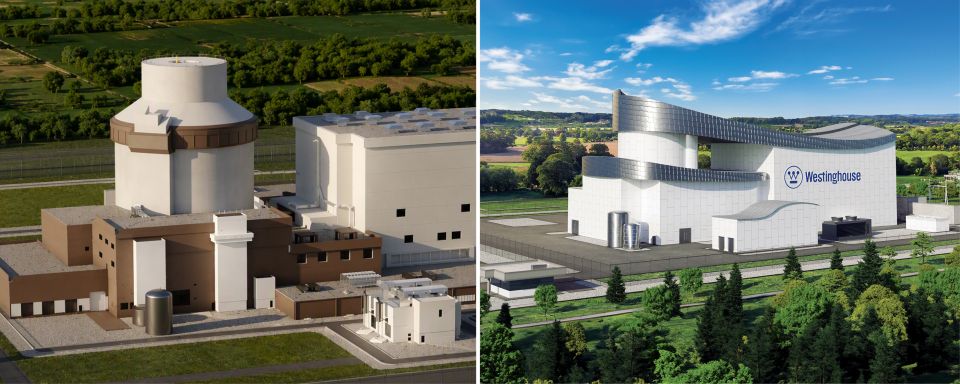
Polish execs meet with Westinghouse, Bechtel, U.S. officials: More than two dozen Polish supplier CEOs traveled to Washington, D.C., in May for a trade mission, meeting with members of the White House National Energy Dominance Council, senior government leaders, members of Congress, and representatives from Westinghouse and Bechtel.
The trade mission—organized by the Nuclear Energy Institute and Poland’s Chamber of Power Industry and Environmental Protection—provided an opportunity for all sides to meet as Poland advances its efforts to build its first nuclear power plant at the Lubiatowo-Kopalino site in the voivodeship of Pomerania and deploy three AP1000 reactors.
“The level of engagement reflects a deeper truth: Poland is not simply purchasing a power plant. It is establishing an entirely new industrial sector, anchored in U.S. partnership and designed for long‑term national resilience,” according to a Bechtel blog post on the event.
Agreements have already been reached with Arabelle Solutions for steam turbine generators and with Polish firm DORACO for civil preparation work, according to Bechtel. Meanwhile, Polish state-owned utility Polskie Elektrownie Jądrowe and the U.S. Export-Import Bank signed a direct loan agreement, the first of its kind between the agency and a Polish entity.
“Building on the success of the current project at the Lubiatowo-Kopalino site in Pomerania, we are pleased to welcome PEJ and Polish suppliers to the U.S. as we to continue build a robust supply chain that supports Poland’s energy security goals while creating economic benefits on both sides of the Atlantic,” said Dan Lipman, president of global business initiatives at Westinghouse, in a statement.
Belgium, Netherlands sign MOU: Belgium’s Minister of Energy Mathieu Bihet and the Netherlands Secretary of State for Climate and Green Growth Jo-Annes de Bat signed an MOU at the Belgium-Netherlands Nuclear Conference in May, committing to strengthening the collaboration in nuclear energy efforts. This includes the development and deployment of nuclear reactors, nuclear workforce training, and waste management.
"The Netherlands is currently at a pivotal moment, with plans to strengthen its energy independence through a greater share of nuclear energy in its energy mix,” De Bat said in a statement. “In a rapidly evolving sector that requires a high density of knowledge, cooperation with neighboring countries is essential. Together with Belgium, we can give the necessary impetus to our common ambitions.”
Italian PM eyes nuclear power framework: In a mid-May address to the Italian Senate, Italian Prime Minister Giorgia Meloni addressed energy concerns, including nuclear power. Italy has stayed away from the energy source for decades. The country stopped new reactor development in 1988 in the wake of the Chernobyl accident and decommissioned the four units that were in service. In 2011, following the Fukushima-Daiichi accident, a referendum passed that placed a one-year moratorium on efforts to revive nuclear power, stalling plans in Italy.
But rising electricity costs and geopolitical tensions could open an opportunity for Italy to revisit nuclear power. Meloni told the Senate her government was working on an “enabling law will be approved by the summer, and the implementing decrees will be adopted to create the legal framework necessary for the resumption of nuclear power in Italy," she said in her address.