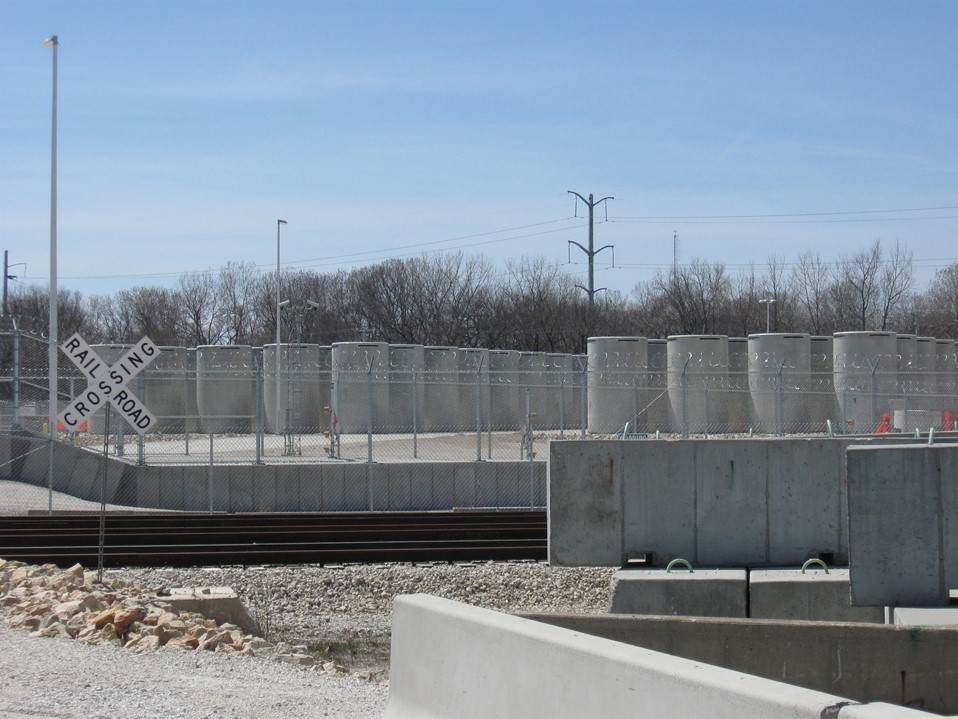
GAO: Clarification of HLW definition could save DOE billions
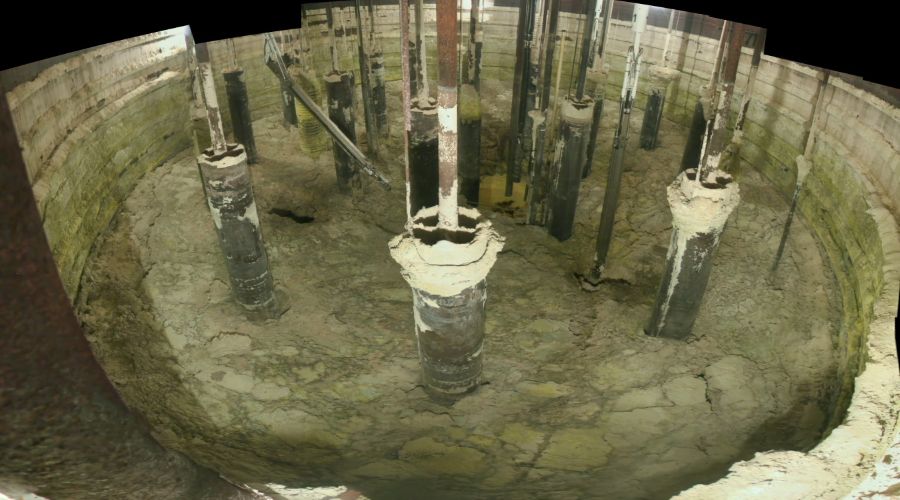
A clearer definition of what constitutes high-level radioactive waste could save the Department of Energy’s Office of Environmental Management “tens of billions of dollars” in waste management costs and accelerate its cleanup schedule by decades, according to a report by the U.S. Government Accountability Office.
DOE-EM’s efforts to manage waste resulting from legacy spent nuclear fuel reprocessing have been hindered for decades by the ambiguity of the statutory definition of HLW as laid out in the Atomic Energy Act and Nuclear Waste Policy Act, the report states. While admitting that the DOE has taken steps to overcome this ambiguity, the GAO says that the department has not fully evaluated all available opportunities to treat and dispose of waste more economically as either transuranic or low-level radioactive waste.

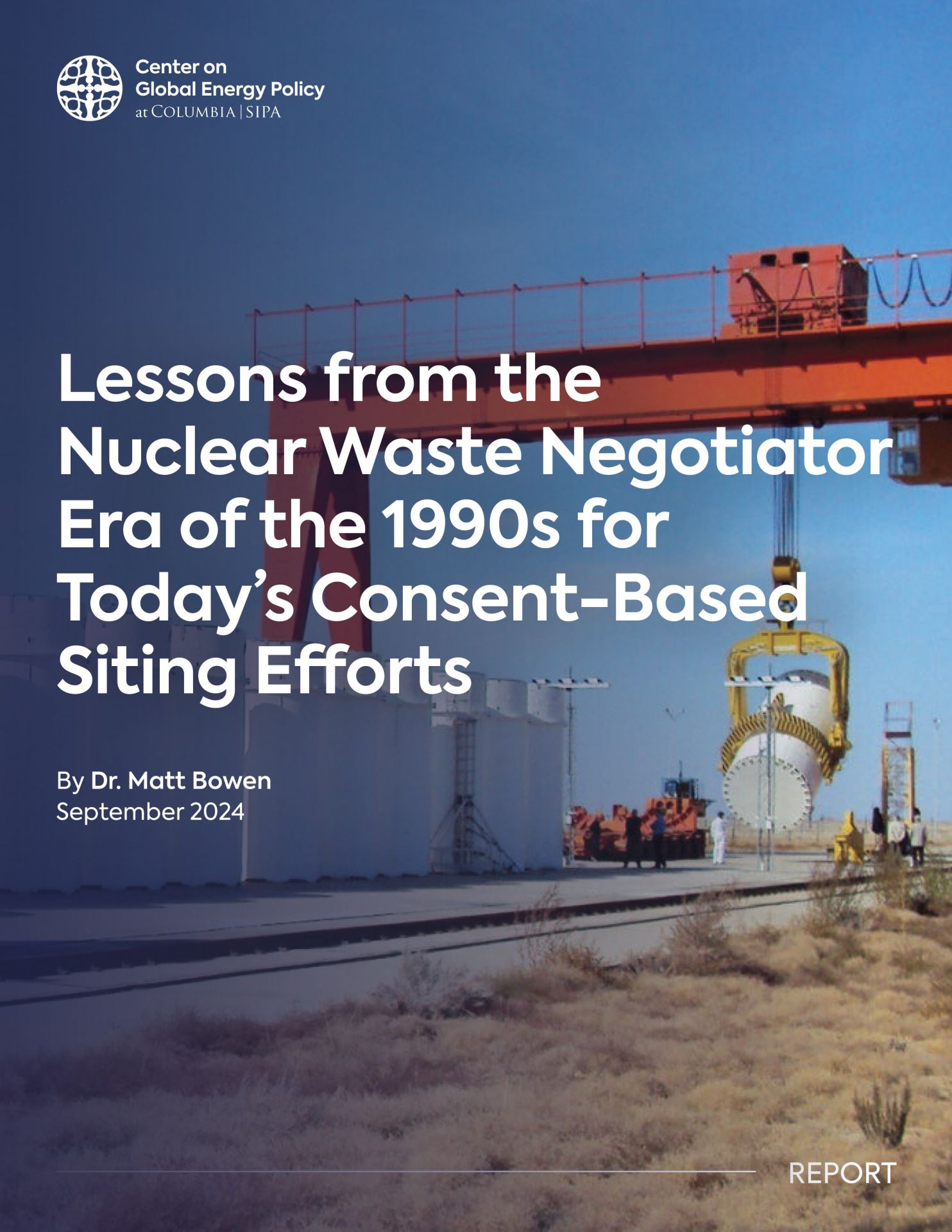 As the Department of Energy embarks on its consent-based process for siting a geologic repository for spent nuclear fuel and high-level radioactive waste, a new report from the Center on Global Energy Policy at Columbia University SIPA highlights relevant lessons from the federal government’s now defunct Office of the Nuclear Waste Negotiator.