
-3 2x1.jpg)
Trump leaves space nuclear policy executive order for Biden team
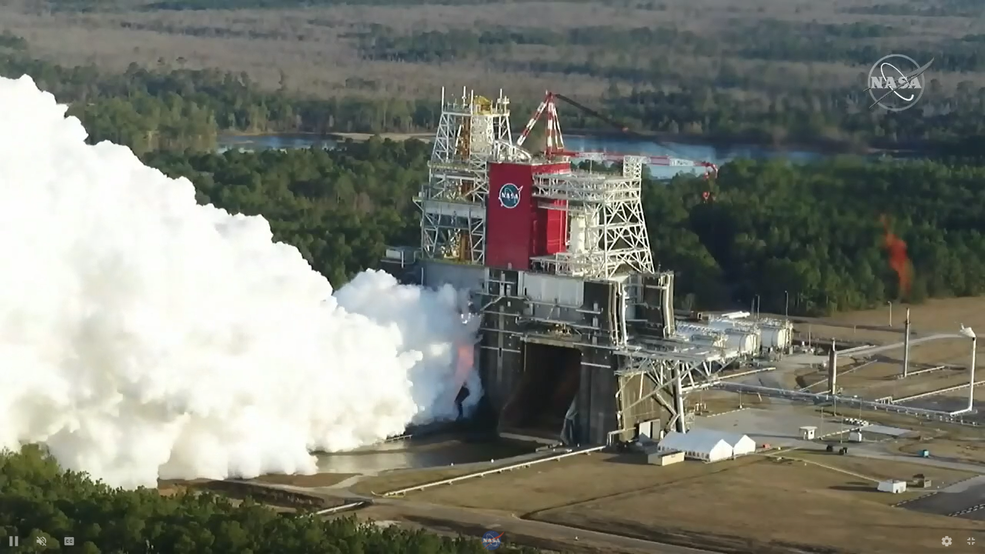
A hot fire test of the core stage for NASA’s Space Launch System rocket at Stennis Space Center in Mississippi was not completed as planned. The SLS is the vehicle meant to propel a crewed mission to the moon in 2024. Source: NASA Television
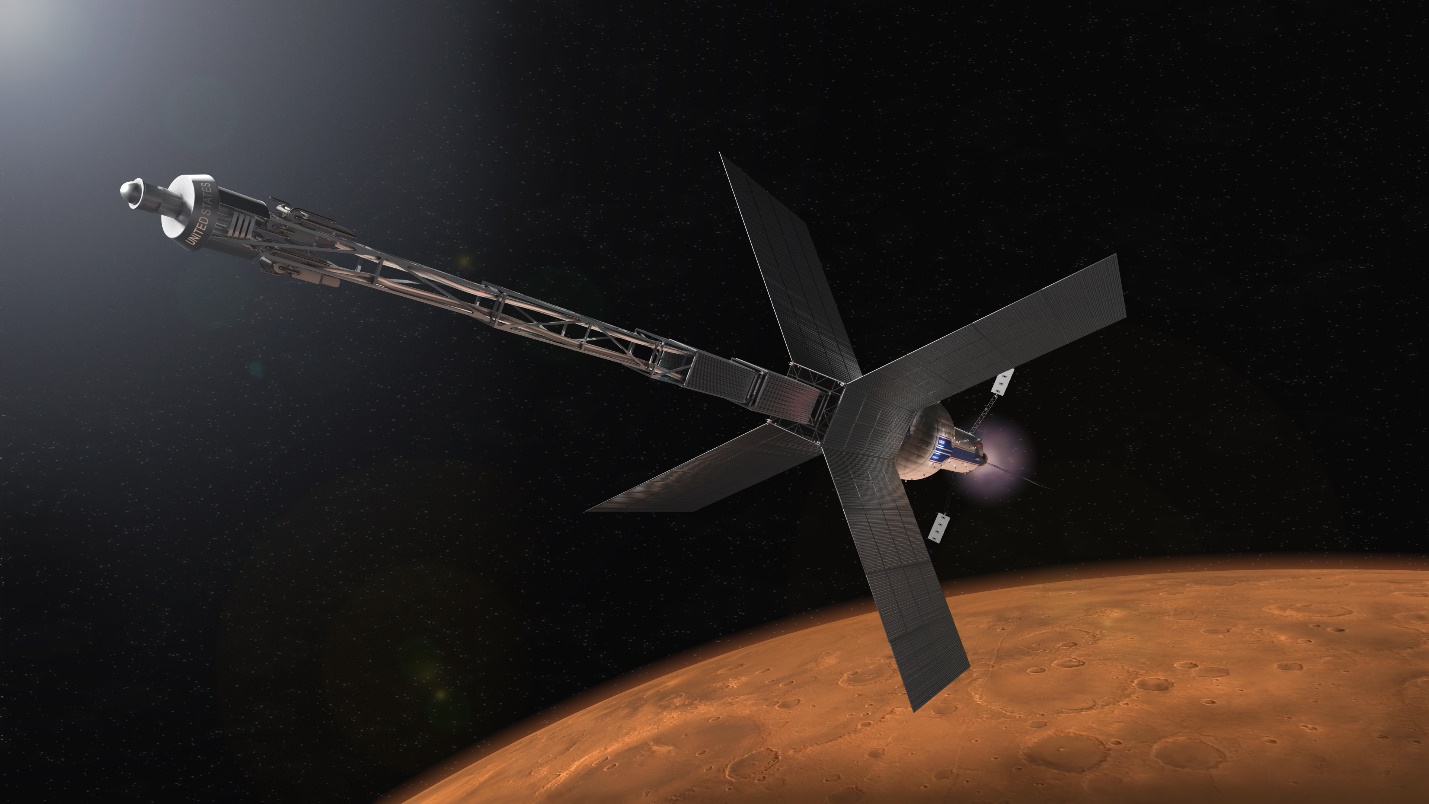
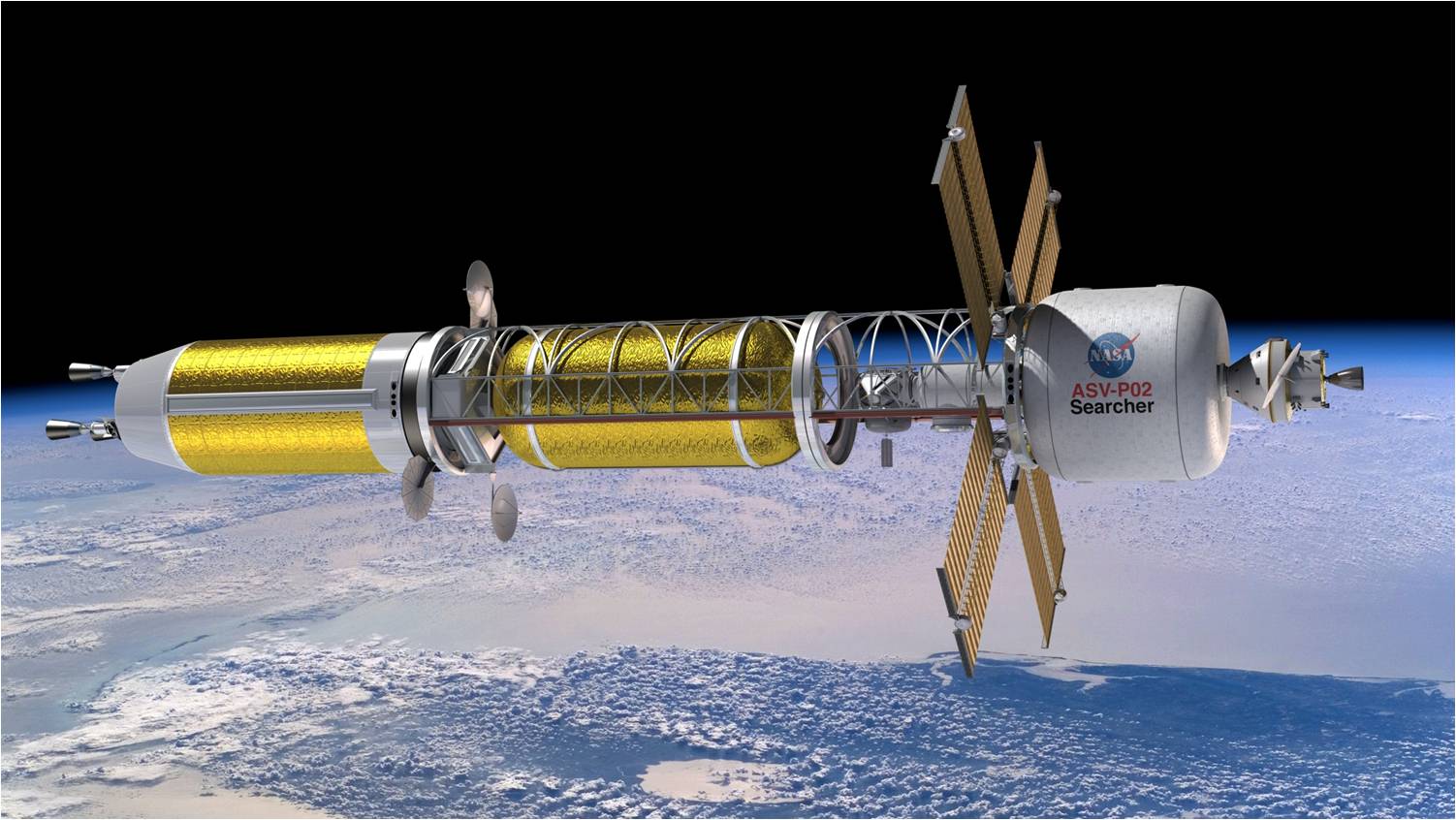
Among the executive orders President Trump issued during his last weeks in office was “Promoting Small Modular Reactors for National Defense and Space Exploration,” which builds on the Space Policy Directives published during his term. The order, issued on January 12, calls for actions within the next six months by NASA and the Department of Defense (DOD), together with the Department of Energy and other federal entities. Whether the Biden administration will retain some, all, or none of the specific goals of the Trump administration’s space nuclear policy remains to be seen, but one thing is very clear: If deep space exploration remains a priority, nuclear-powered and -propelled spacecraft will be needed.
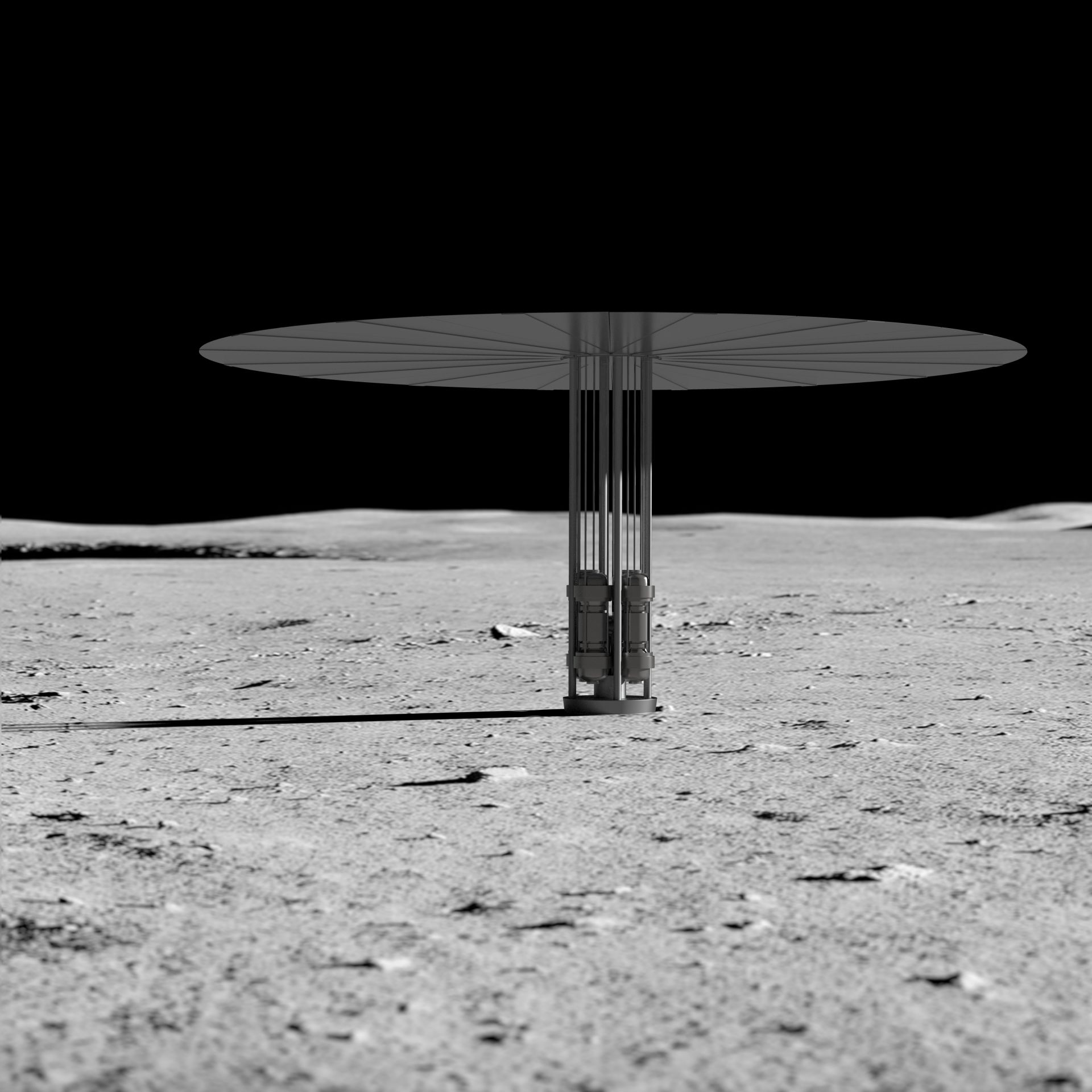
The prospects for near-term deployment of nuclear propulsion and power systems in space improved during Trump’s presidency. However, Trump left office days after a hot fire test of NASA’s Space Launch System (SLS) rocket did not go as planned. The SLS rocket is meant to propel crewed missions to the moon in 2024 and to enable a series of long-duration lunar missions that could be powered by small lunar reactor installations. The test on January 16 of four engines that were supposed to fire for over eight minutes was automatically aborted after one minute, casting some doubt that a planned November 2021 Artemis I mission can go ahead on schedule.
 Welcome to the New Year! Even though I am on the road, there is just so much happening lately in nuclear I could not pass up the opportunity to talk about it!
  ANS member Dr. Christopher Morrison was a recent guest on
  Cassini-Huygens is a Flagship-class NASA-ESA-ASI robotic spacecraft sent to the Saturn system. It has studied the planet and its many natural satellites since its arrival there in 2004, as well as observing Jupiter and the Heliosphere, and testing the theory of relativity. Launched in 1997 after nearly two decades of gestation, it includes a Saturn orbiter Cassini and an atmospheric probe/lander Huygens that landed in 2005 on the moon Titan. Cassini is the fourth space probe to visit Saturn and the first to enter orbit, and its mission is ongoing as of 2013. It is powered by a plutonium power source, and has facilitated many landmark scientific discoveries in its mission to the stars.