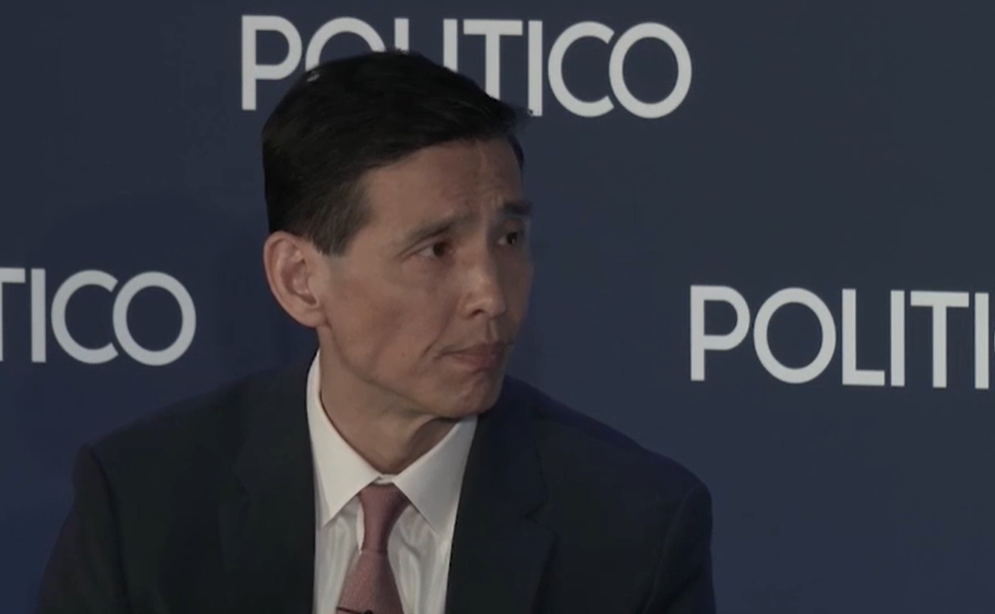
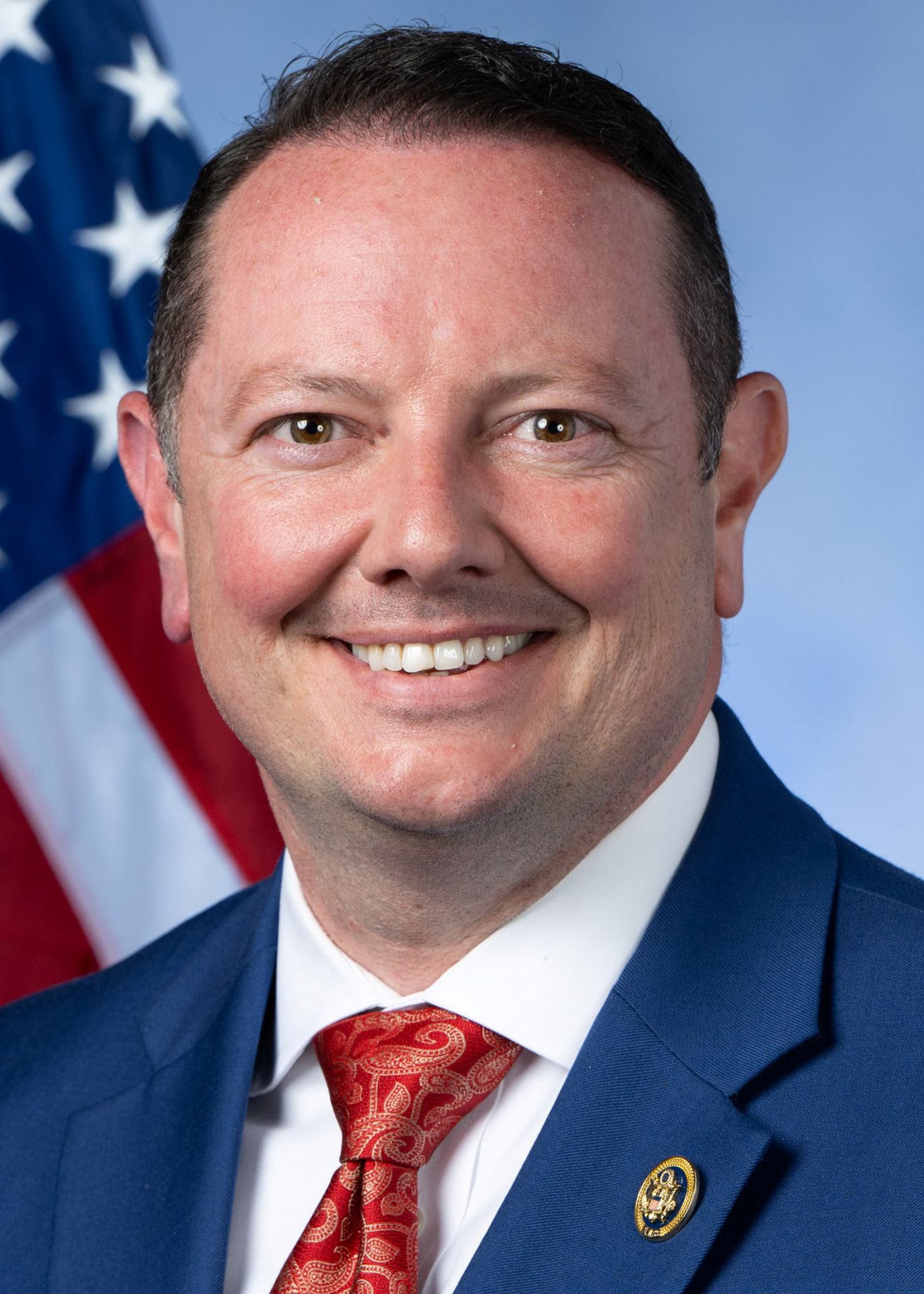
NRC Chairman Ho Nieh at the Politico Energy Summit. (Photo: Politico)
The digital publication Politico held its Energy Summit on Wednesday, gathering several prominent speakers to discuss the U.S. energy agenda, including nuclear power’s role. Nuclear Regulatory Commission Chairman Ho Nieh was among those who took the stage.
While he had only about 20 minutes to speak at the gathering, which was also broadcast virtually, Nieh broached several topics with Politico reporter Kelsey Tamborrino, including small modular reactors, licensing, the agency’s recruitment and retention efforts, and the NRC’s status and operations as an independent regulator.
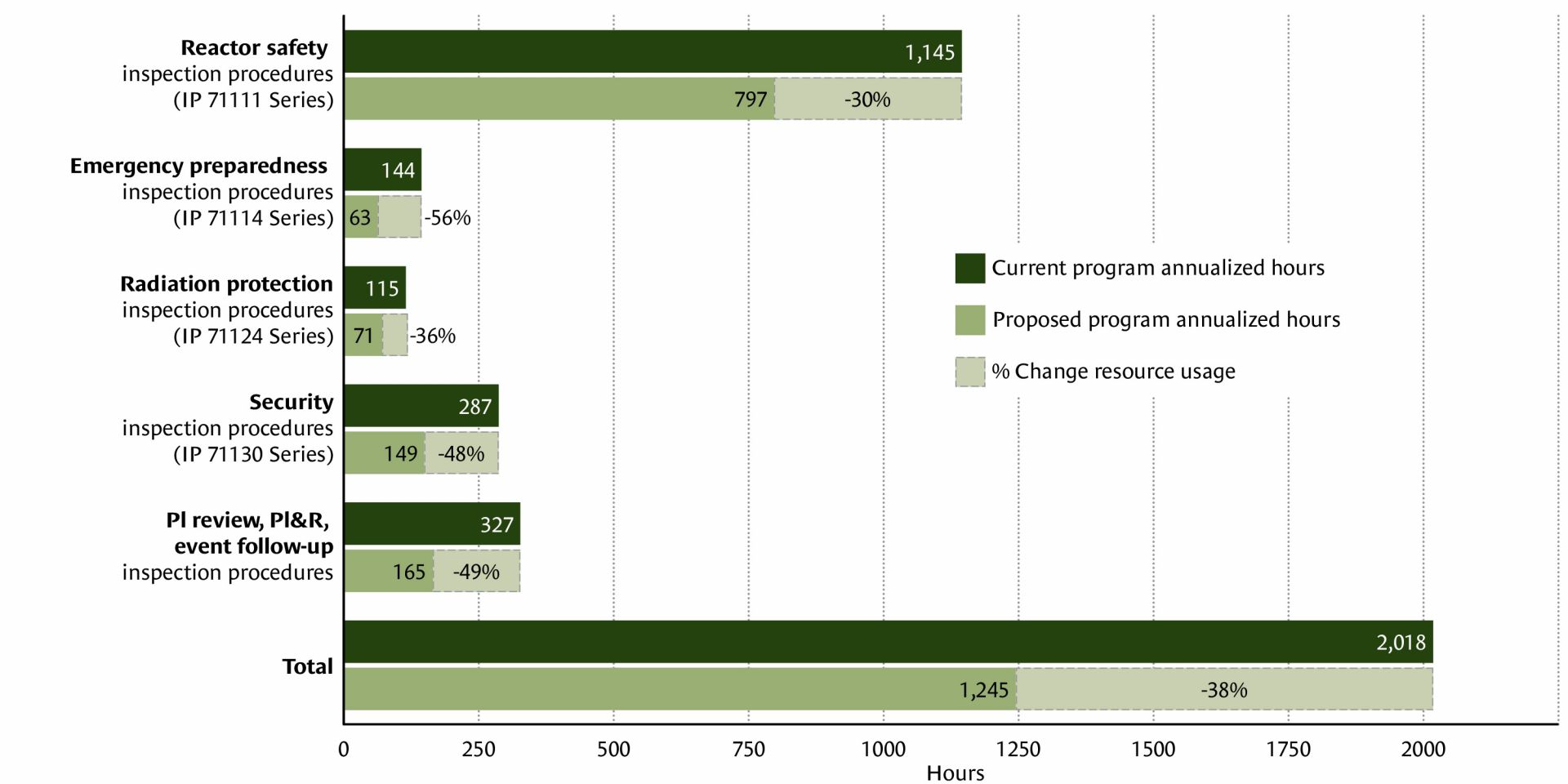
The difference in ROP inspection hours from current levels to proposed levels at a typical nuclear power reactor. (Data: NRC, adapted from SECY-26-0014, p. 24)
The Nuclear Regulatory Commission staff is recommending proposed changes for the Reactor Oversight Process (ROP) baseline inspection program that could reduce the number of hours spent annually on direct inspections at U.S. nuclear power plants by 38 percent.
In addition to the proposed ROP changes, NRC staff published recommendations for the baseline security program that would reduce the number of direct inspection hours necessary for this program by about 50 percent compared to current levels. This includes the Force-on-Force (FOF) inspection program.
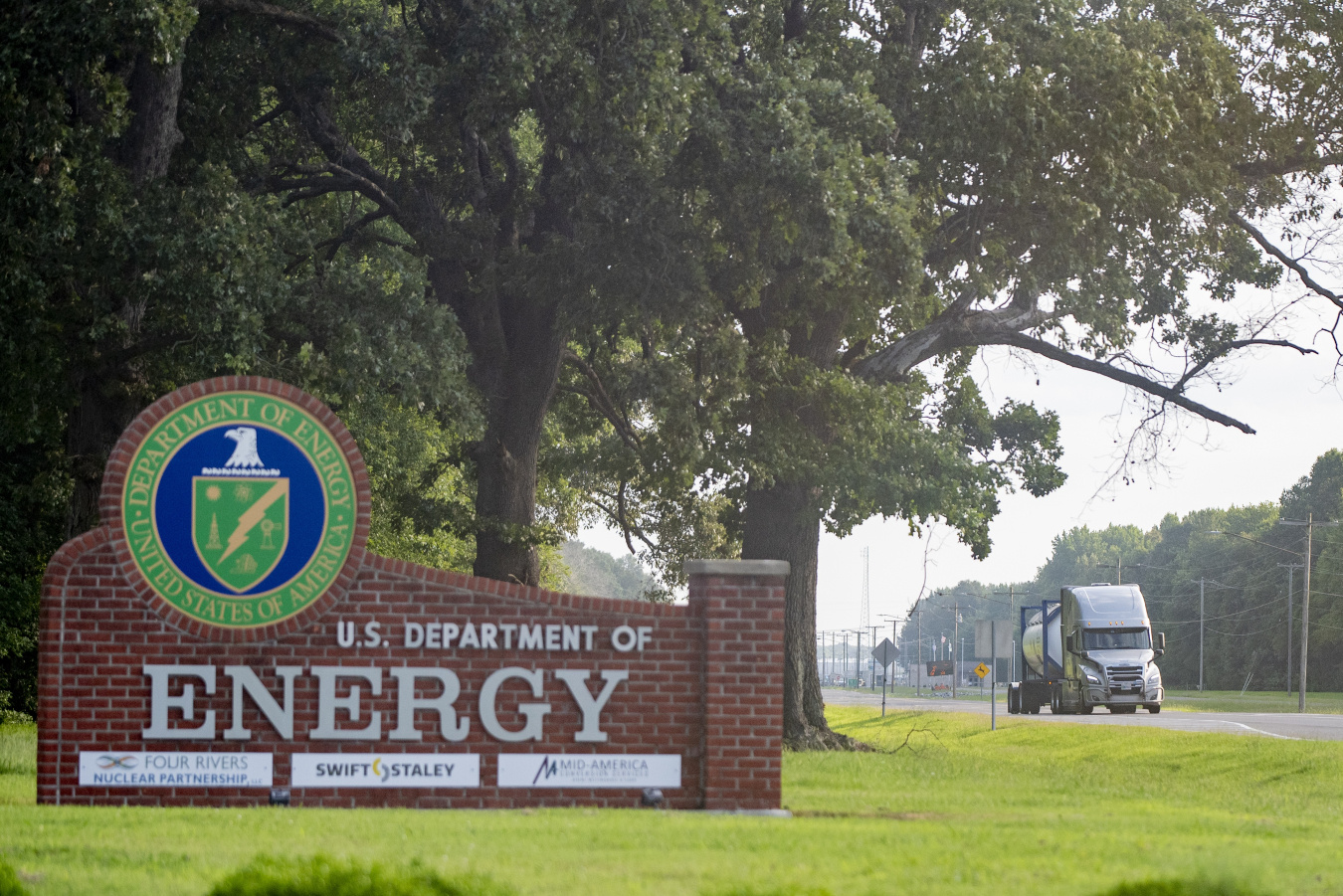
The Paducah Site in Kentucky. (Photo: DOE)
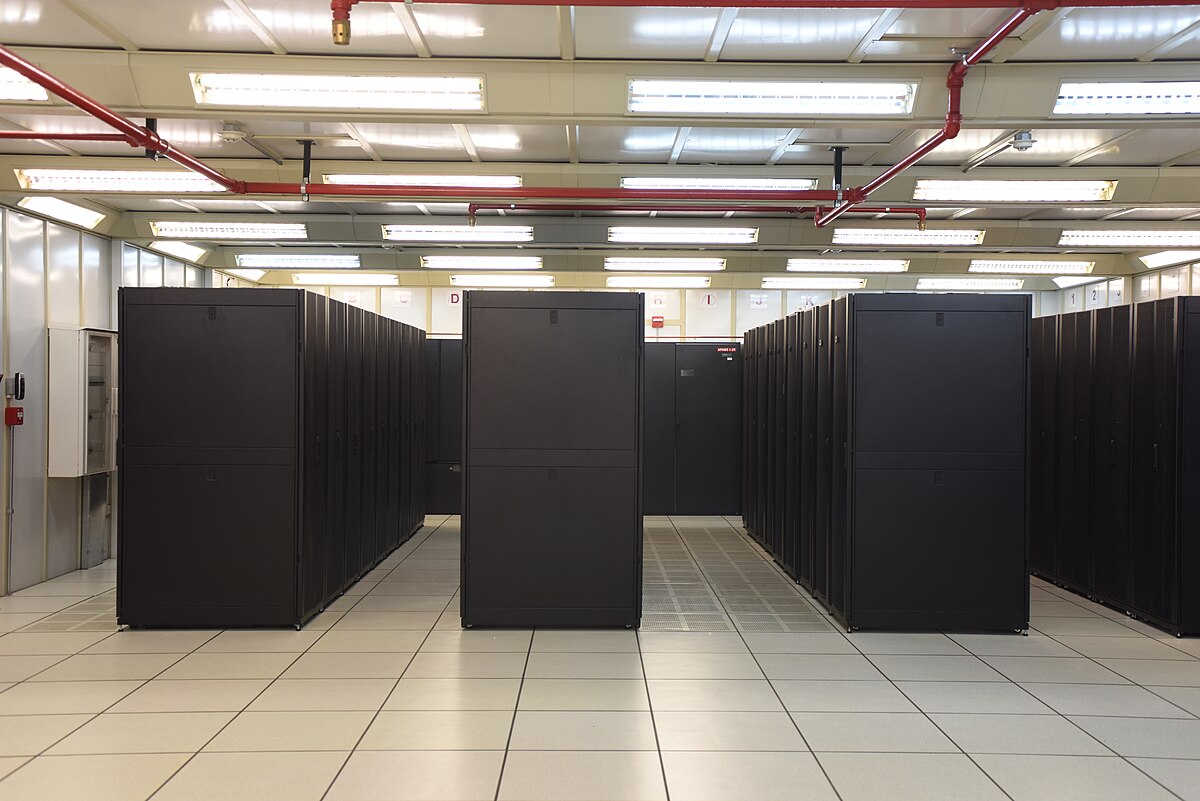
The Department of Energy’s Office of Environmental Management has issued a request for offer (RFO) seeking proposals from U.S. companies to build and power AI data centers on the DOE’s Paducah Site in Kentucky. Companies are being sought to potentially enter into one or more long-term leasing agreements at the site that would be solely funded by the applicants.
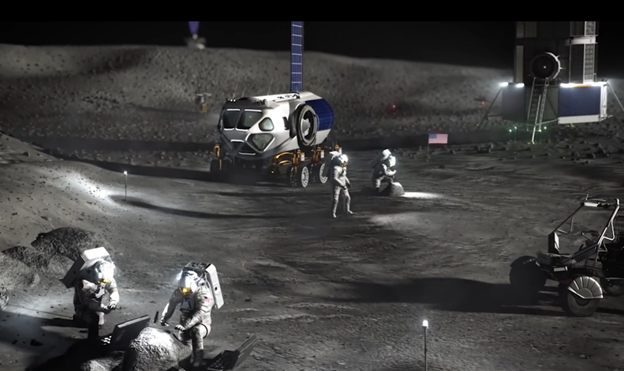
A still image from a NASA video illustrating power needs on the lunar surface. (Image: NASA)
After the Trump administration’s new push to get a nuclear reactor on the moon by 2030 was first reported by Politico last month, media played up the shock value for people new to the concept. Few focused on the technical details of the new plan for lunar fission surface power (FSP), which halts and replaces a program that began under the first Trump administration with an early hope of getting a reactor on the moon by the end of 2026. Now, the focus is on streamlining NASA’s internal processes to support commercial space companies that can build a reactor with more than twice the power and mass and have it ready for launch by 2030.
A representation of the NRIC DOME microreactor test bed. (Image: NRIC)