
What skills are most needed in the advanced reactor workforce?

Nick Touran
I got into nuclear engineering when I realized I could apply my passion for computers to the critical human challenge of energy. After training, I spent the past 13-plus years building automated and integrated engineering analysis tools for the efficient design/licensing of advanced nuclear reactors. Given what I’ve seen, I expect that modern high-level programming languages and data systems will continue to enable new efficiencies in analysis, configuration management, work planning, procurement, training, compliance, and execution in operations. The magnitude of potential impact laid out, for example, in Information Technology for Nuclear Power Plant Configuration Management (IAEA-TECDOC-1651) is well within reach. These impacts are identical to those promised by digital twins. Achieving these goals will require more information workers in the offices of nuclear vendors and operators to develop sophisticated skills in software engineering, database administration, statistics, and business analytics. Additionally, decision makers must be better trained to best understand and choose specialized IT systems and software.






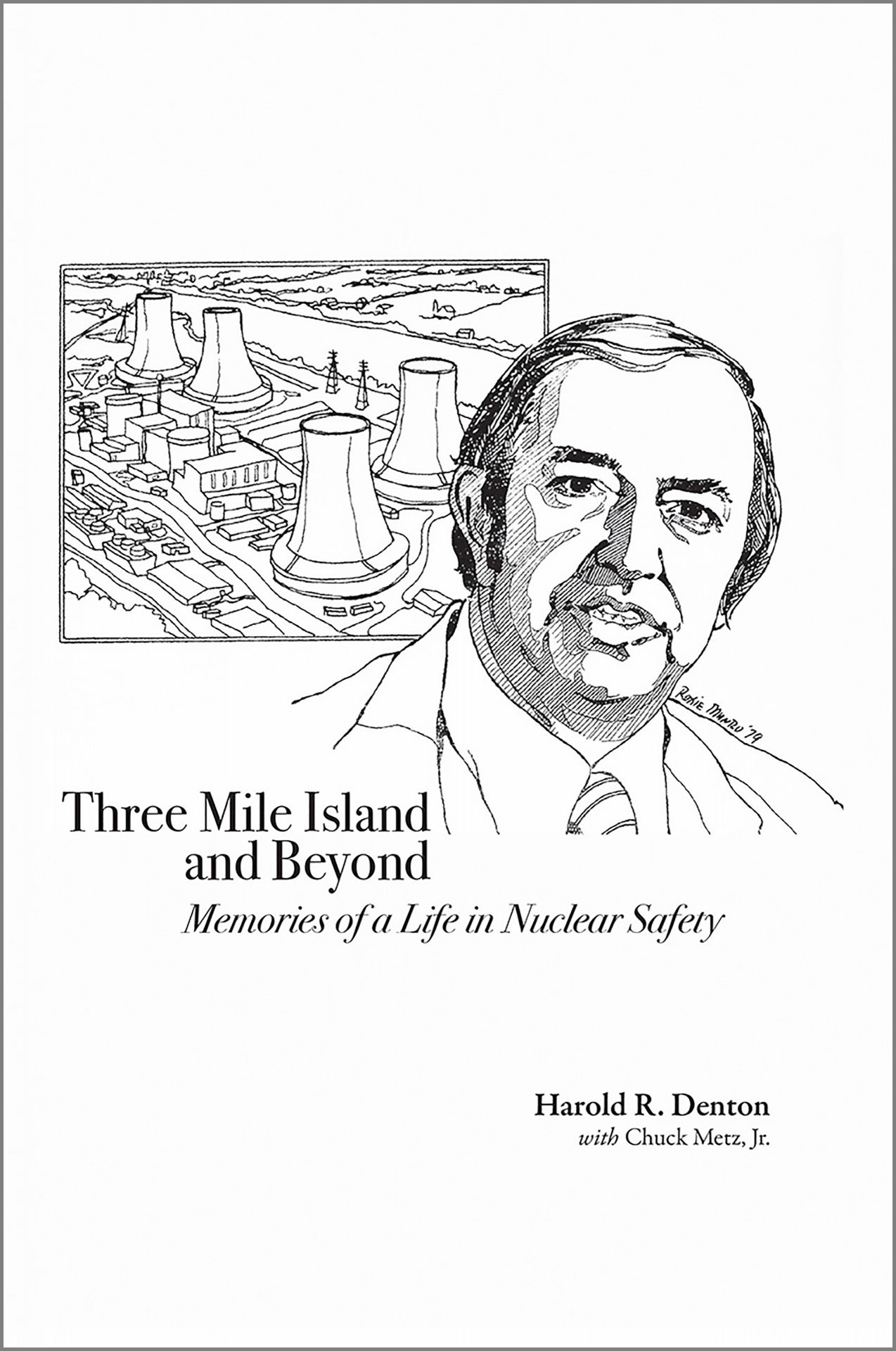



 Eric Goldin, president of the

 Scott Dempsey is the senior vice president of waste management business development for EnergySolutions, a nuclear services company headquartered in Salt Lake City, Utah.
 David Gandy, the senior technical executive for nuclear materials at the Electric Power Research Institute, is charged with leading a project to lower the costs and manufacturing time for small modular reactors and advanced reactors. The Department of Energy–funded project is led by EPRI, and its collaborators include the United Kingdom–based Nuclear Advanced Manufacturing Research Center and Oregon-based reactor developer NuScale Power. The testing has focused on producing the upper and lower pressure vessel assemblies for NuScale’s 60-megawatt SMR.
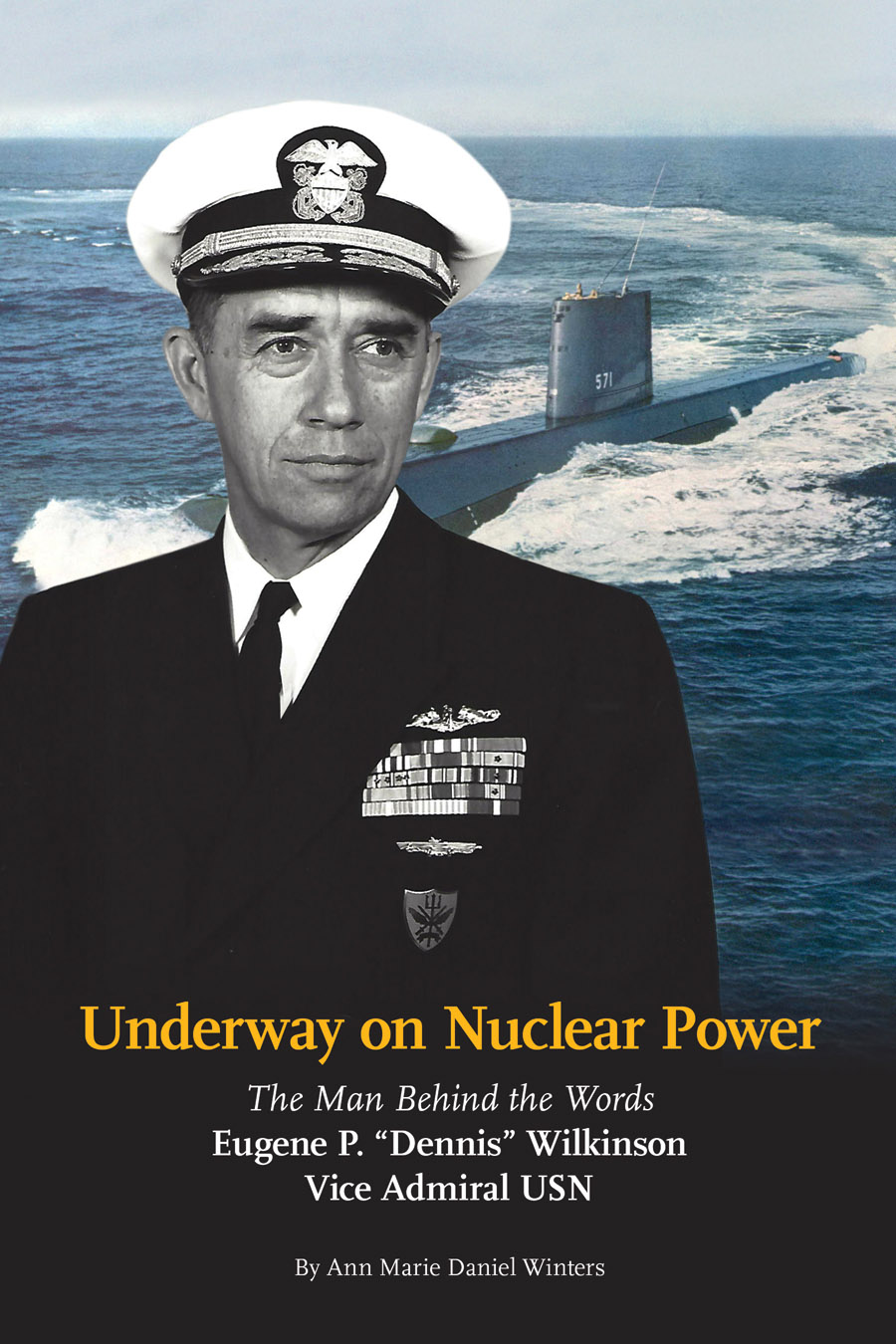 Dennis Wilkinson would have celebrated his 100th birthday on August 10, 2018. The life and career of the man who captained the first nuclear-powered submarine and the first nuclear-powered surface ship and was the first president and chief executive officer of the Institute of Nuclear Power Operations (INPO) have been captured in Ann Winters’s book, Underway on Nuclear Power: The Man Behind the Words, Eugene P. “Dennis” Wilkinson, Vice Admiral USN.