

HALEU and the promise of nuclear energy: An interview with the DOE’s Kathryn Huff

Kathryn Huff
Deploying a fleet of advanced reactors in the 2030s means deploying high-assay low- enriched uranium (HALEU) infrastructure now.
The future fleet will need more than 40 metric tons of HALEU by 2030, according to Department of Energy projections. Getting to the 5–20 percent fissile uranium-235 content of HALEU involves either enriching natural or low-enriched uranium (LEU) or downblending high-enriched uranium (HEU).
Because downblending the limited stocks of HEU held at the DOE’s Idaho National Laboratory and Savannah River Site is a short-term option at best, the Energy Act of 2020 authorized a HALEU Availability Program to build a sustainable enrichment infrastructure by the time advanced reactors are ready for commercial deployment.
Comments on a request for information reached the DOE in February 2022, just before Russia’s invasion of Ukraine amplified global energy security concerns. While the war in Ukraine didn’t change the DOE’s plans, it “accelerated everything,” said Kathryn Huff, who leads the DOE’s Office of Nuclear Energy (DOE-NE) as assistant secretary. “Our attention is now laser-focused on this issue in a way that it wouldn’t have been in the past.”

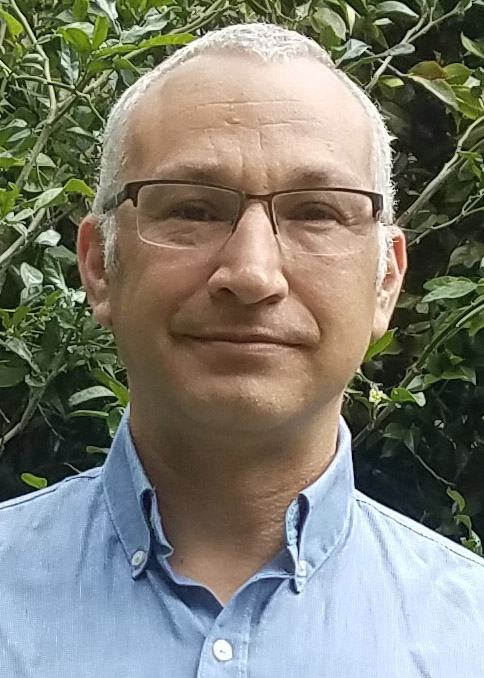

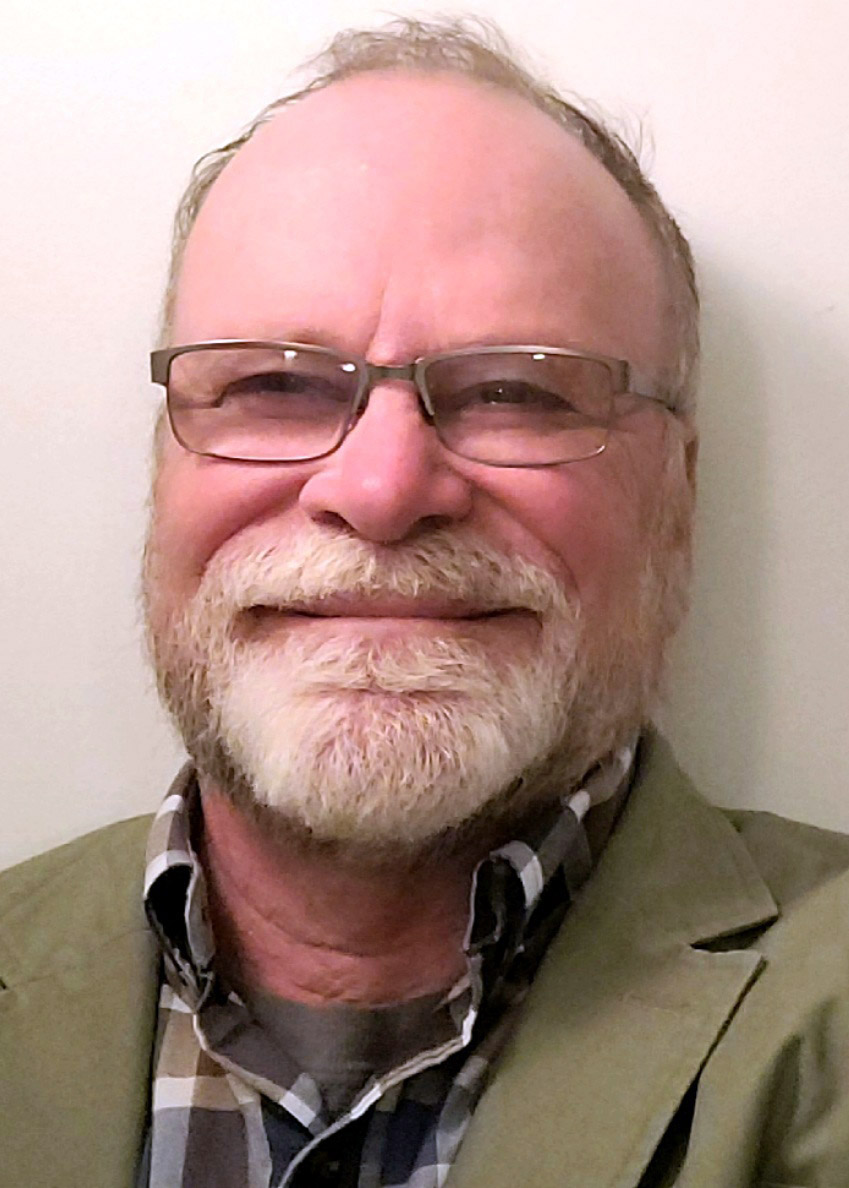

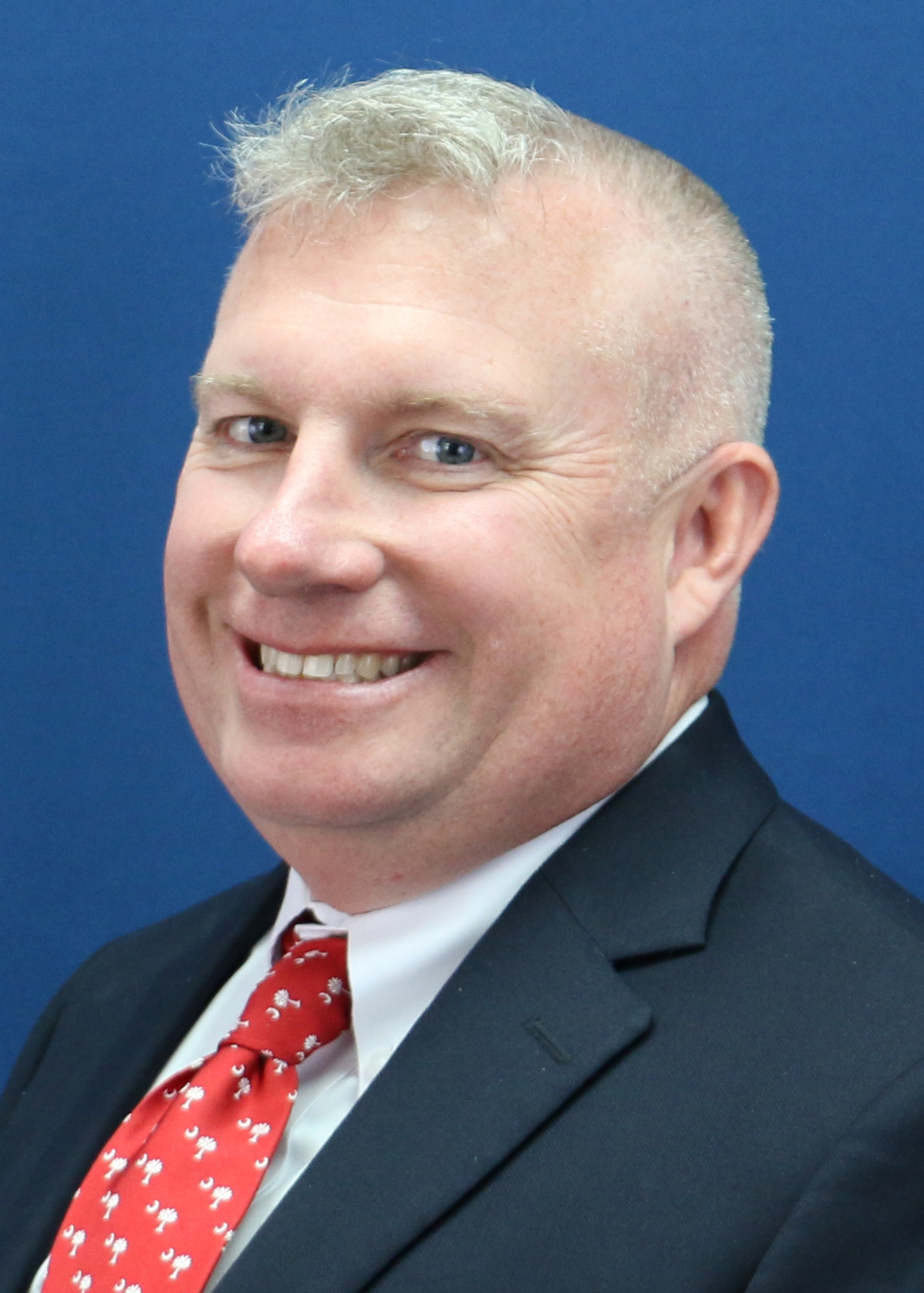
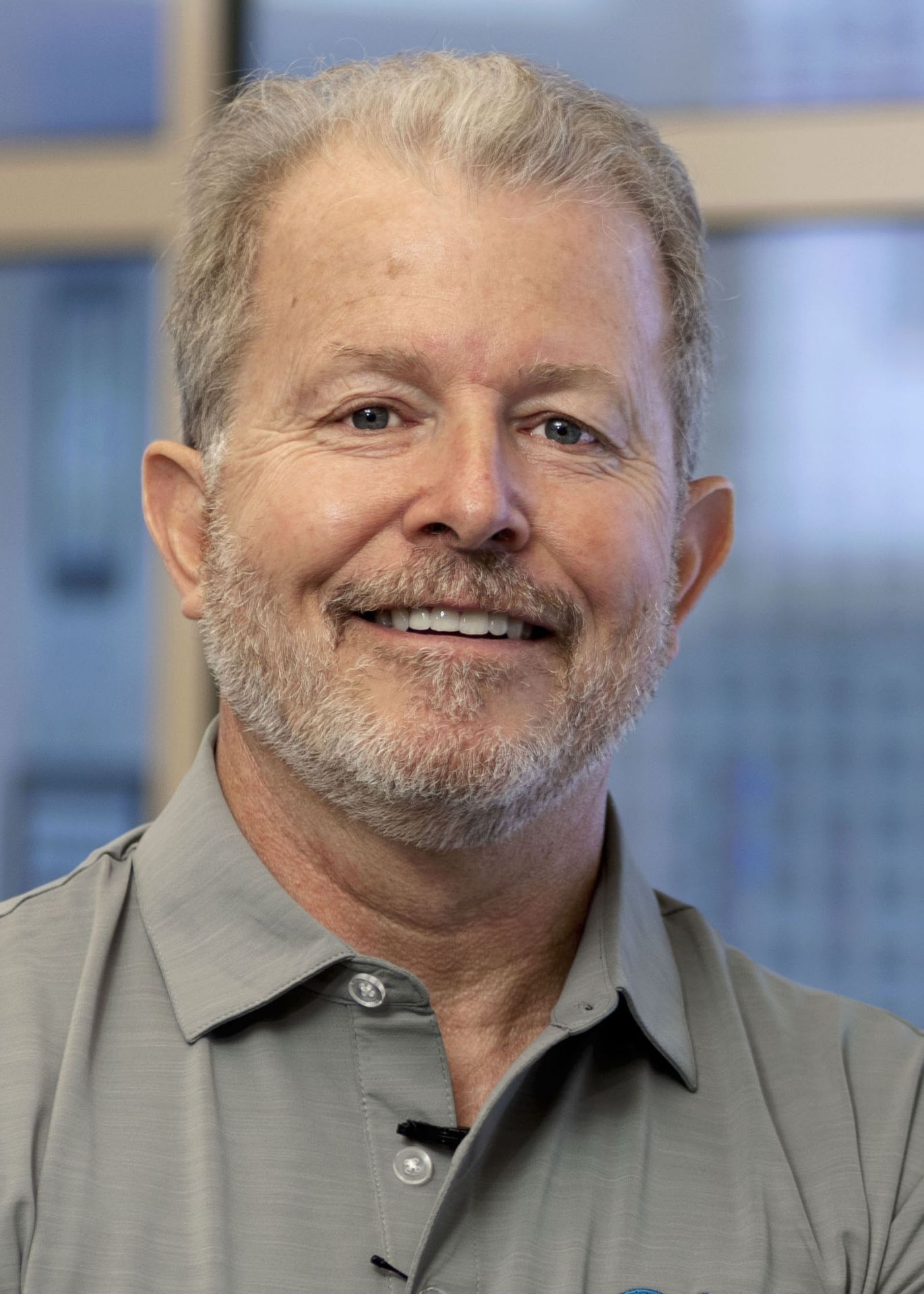
 Eric Goldin, president of the
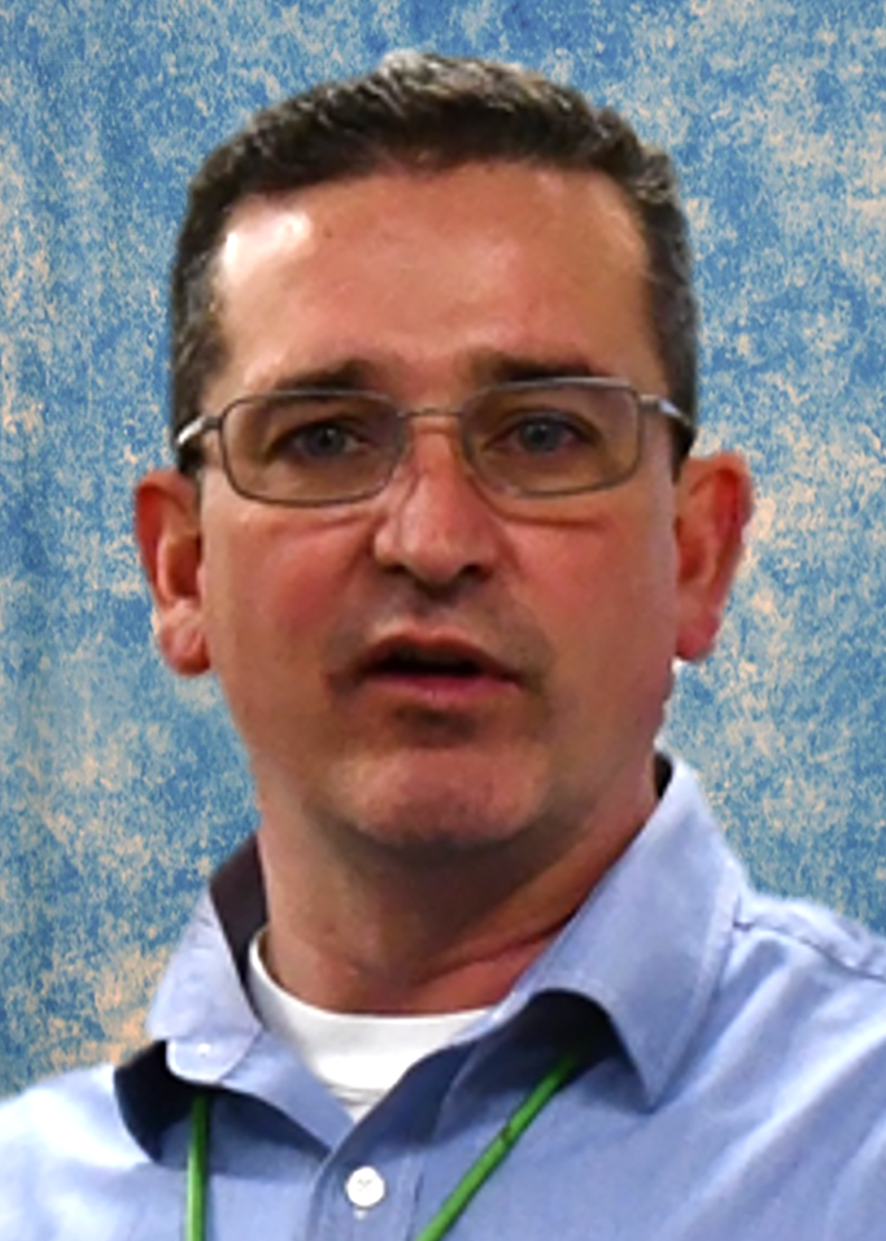

 Scott Dempsey is the senior vice president of waste management business development for EnergySolutions, a nuclear services company headquartered in Salt Lake City, Utah.
 David Gandy, the senior technical executive for nuclear materials at the Electric Power Research Institute, is charged with leading a project to lower the costs and manufacturing time for small modular reactors and advanced reactors. The Department of Energy–funded project is led by EPRI, and its collaborators include the United Kingdom–based Nuclear Advanced Manufacturing Research Center and Oregon-based reactor developer NuScale Power. The testing has focused on producing the upper and lower pressure vessel assemblies for NuScale’s 60-megawatt SMR.
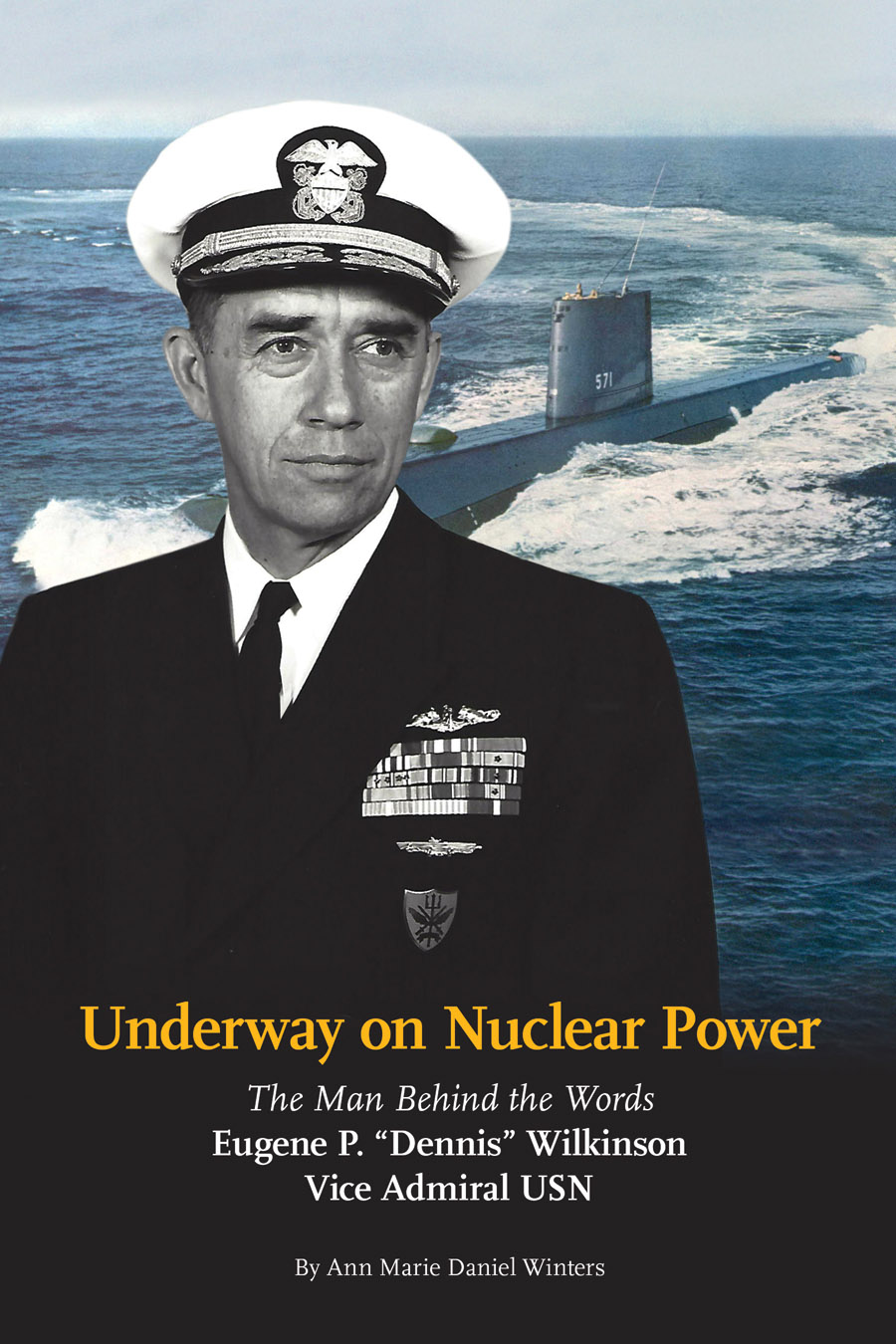 Dennis Wilkinson would have celebrated his 100th birthday on August 10, 2018. The life and career of the man who captained the first nuclear-powered submarine and the first nuclear-powered surface ship and was the first president and chief executive officer of the Institute of Nuclear Power Operations (INPO) have been captured in Ann Winters’s book, Underway on Nuclear Power: The Man Behind the Words, Eugene P. “Dennis” Wilkinson, Vice Admiral USN.