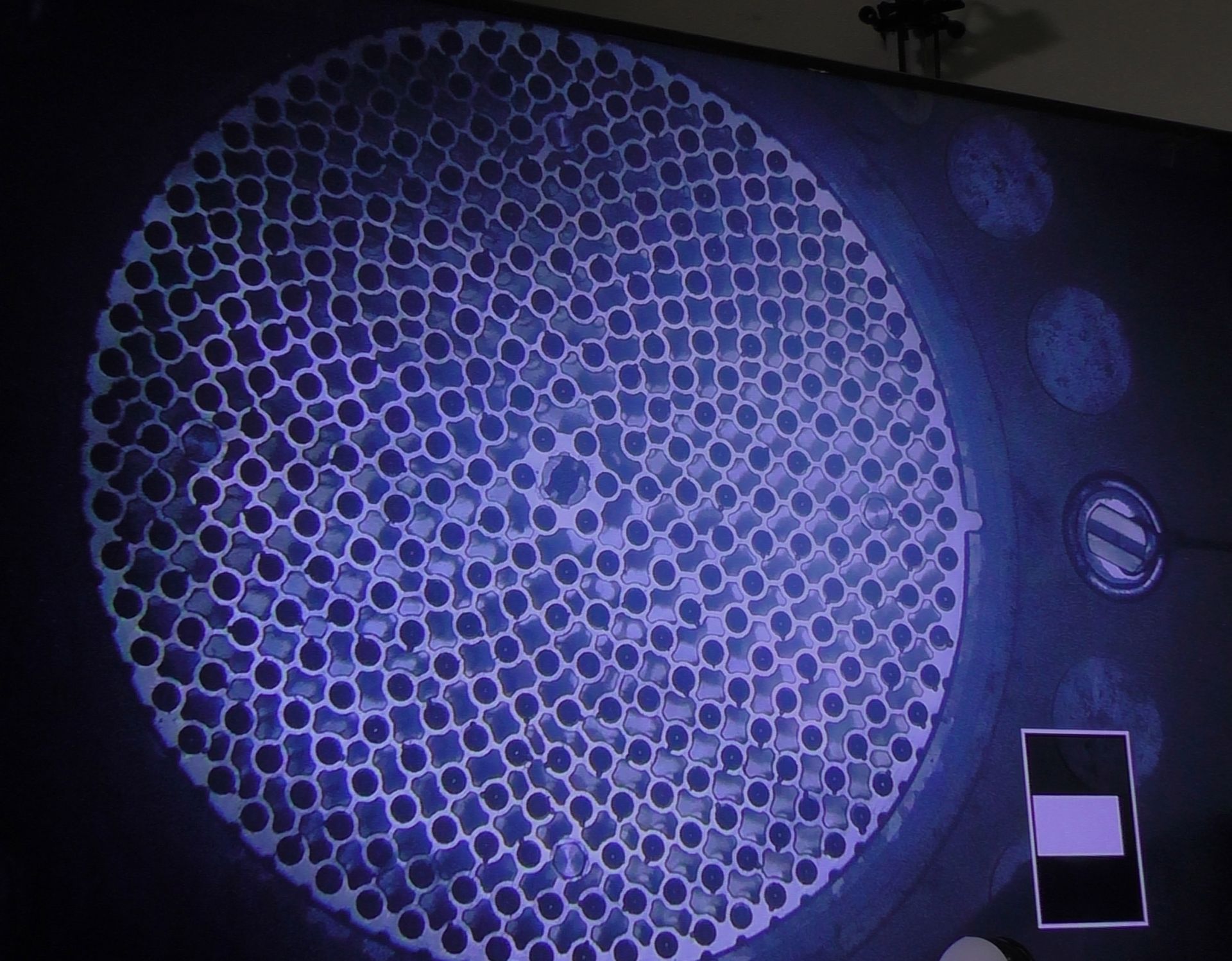
From the ground up: Building a workforce for advanced nuclear
Advanced reactor demonstration projects on the horizon will challenge the nuclear supply chain in new ways. A vital component that can be east to overlook is the need for skilled construction, trades, and craft workers. That's why Idaho National Laboratory is forging valuable networks to address these needs.
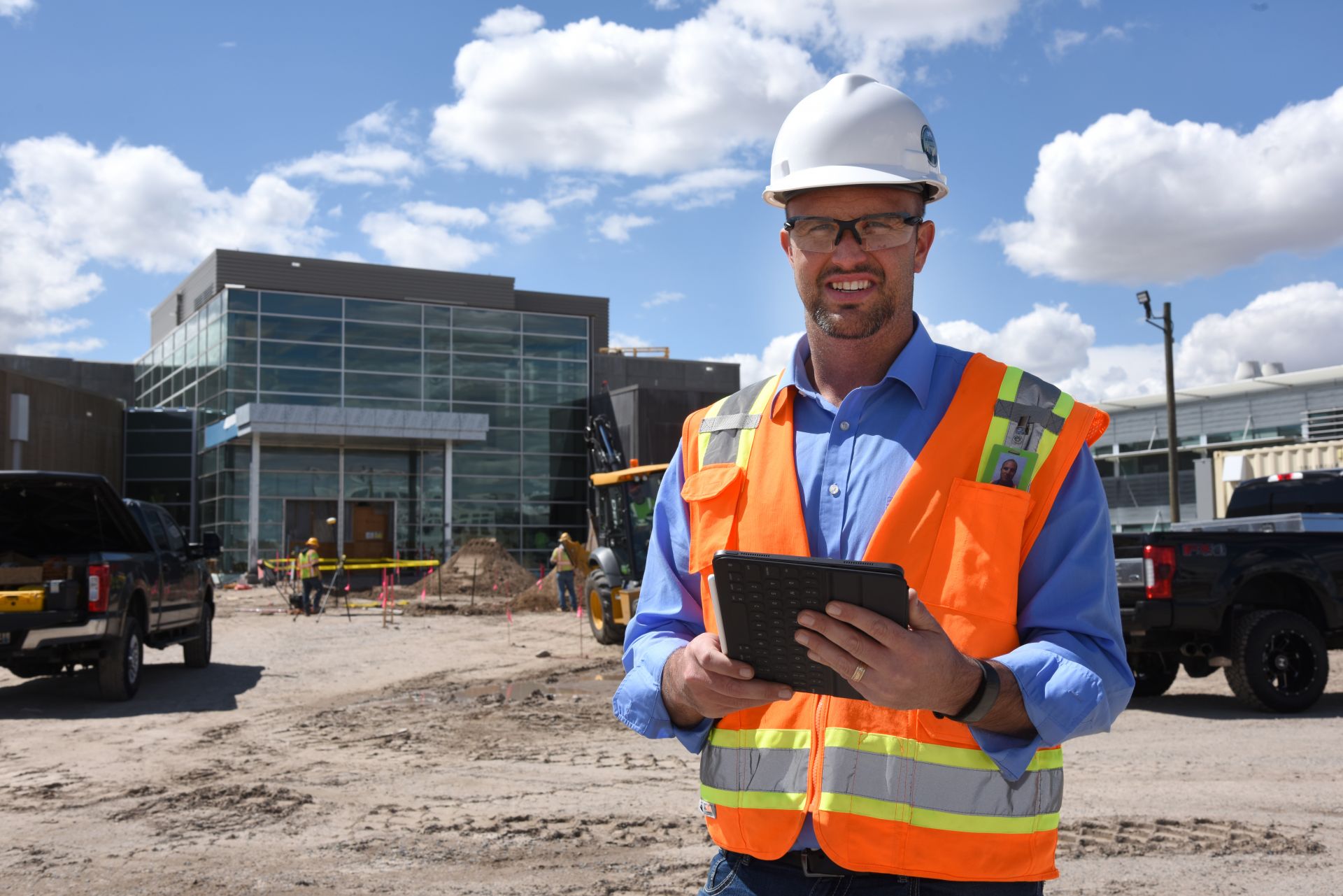
INL will need technical, innovative, and safety-minded construction personnel for the advanced nuclear projects ahead. Photo: INL
Around the world, researchers in the energy industry are engaging in the work of studying, testing, and developing carbon-free energy solutions. Throughout these circles, many scientists and engineers are embracing the possibilities of advanced nuclear technologies, including small modular reactors and microreactors. While these innovative technologies are poised to address some of the nation’s biggest concerns, they also present their own unique challenges, including the need for a large and talented workforce within the construction industry.
Fortunately, the state of Idaho and its key nuclear players are well-equipped for this challenge. In southeastern Idaho, home of Idaho National Laboratory, strong partnerships throughout the region have forged networks between the lab and the educational institutions, employers, trades, and unions that are working to establish this highly specialized nuclear talent pipeline.
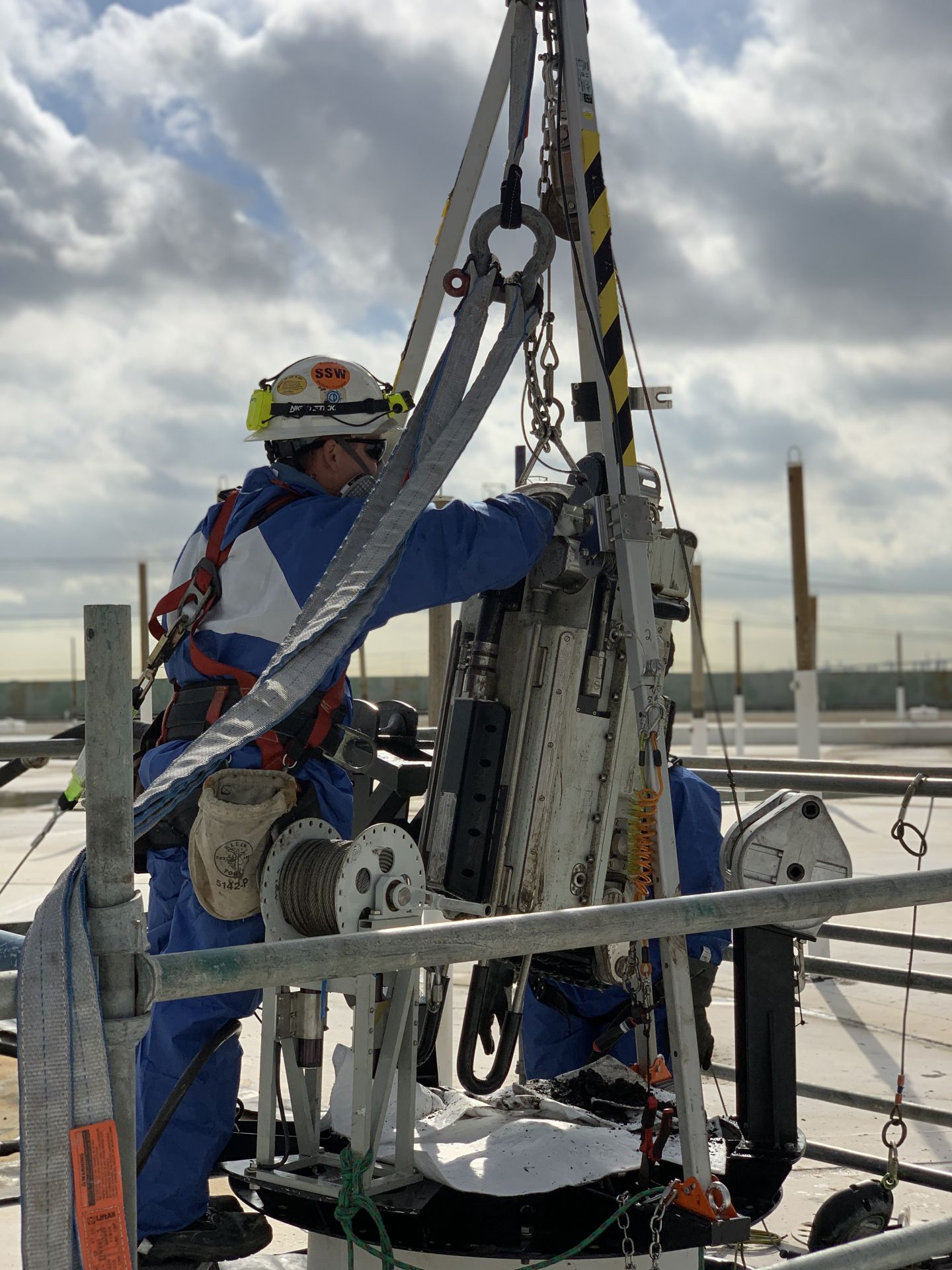


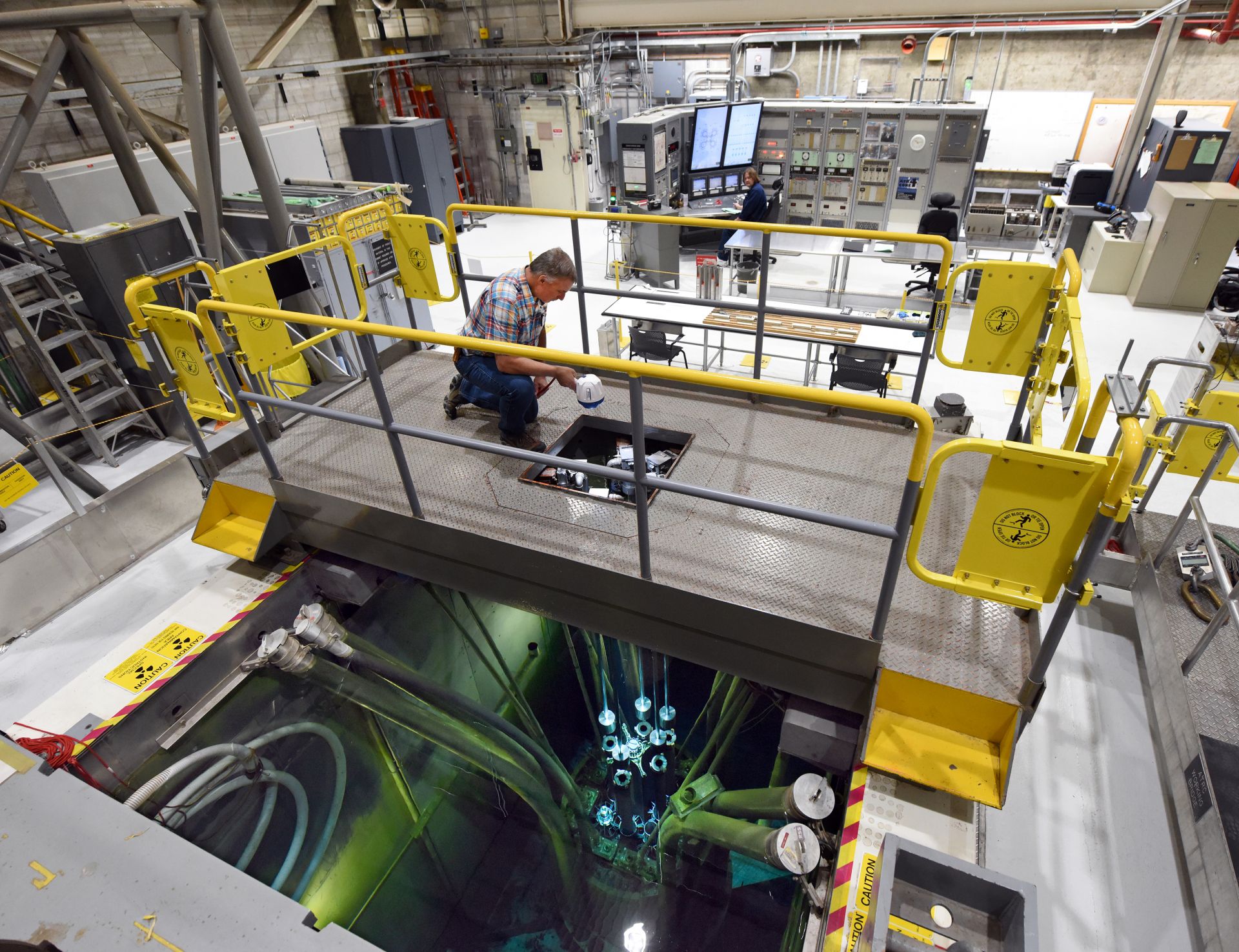
 On March 9, the Department of Energy’s Office of Environmental Management (EM) released its first strategic plan in several years. Titled “A Time of Transition and Transformation: EM Vision 2020-2030,” and called the Strategic Vision1, the document outlines the past accomplishments in cleaning up legacy nuclear waste and provides a broad overview of the initiatives that EM plans to put into motion over the next decade, “laying the groundwork for a long-term plan to realize meaningful impact on the environmental cleanup mission.”2
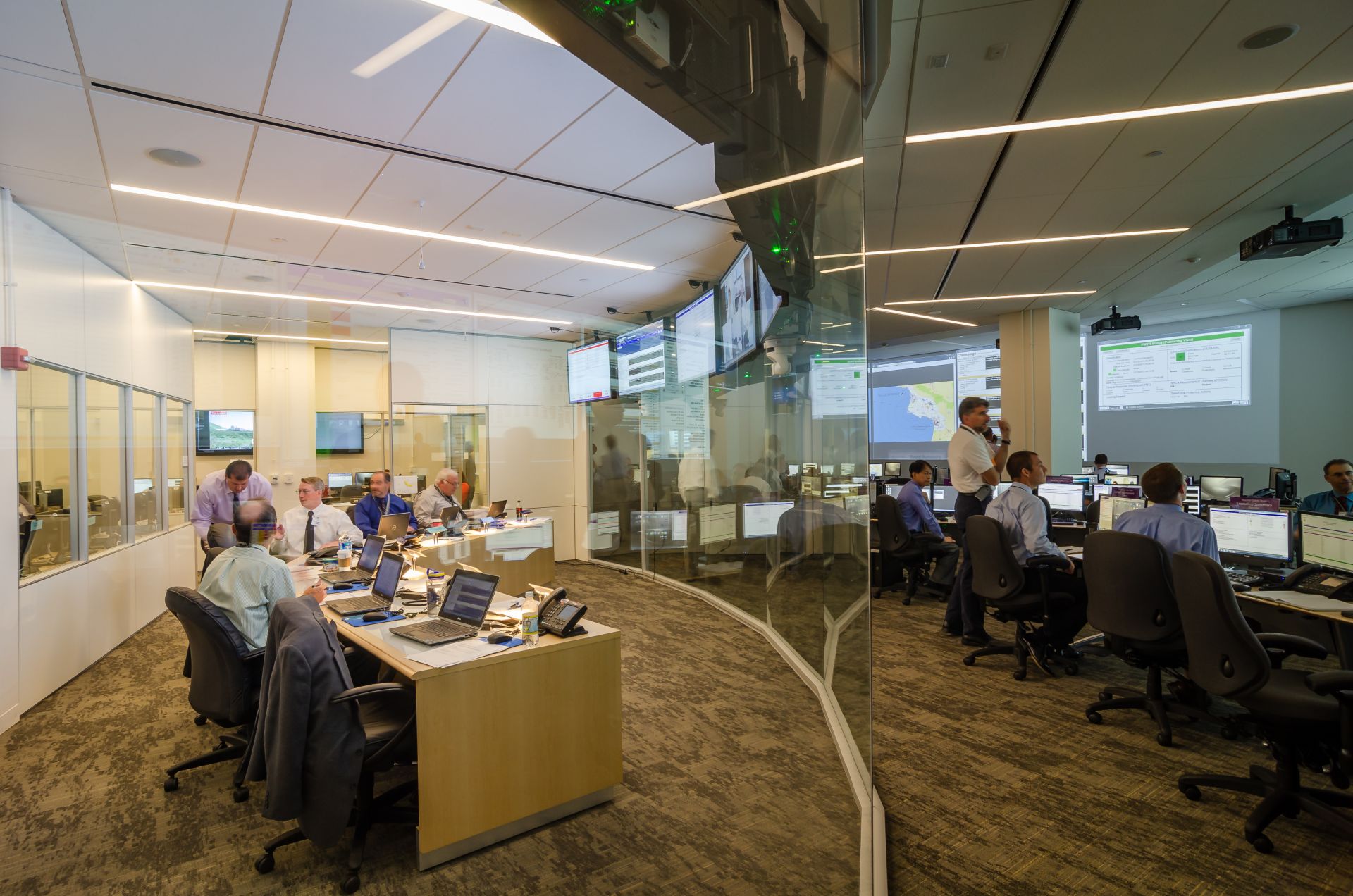 One essential lesson from the events at Three Mile Island-2 in March 1979 can be summed up in three words: Preparedness takes practice. The emergency response capacity of the Nuclear Regulatory Commission and nuclear plant operators is more than just a set of procedures. Active training and evaluation are required to coordinate effectively with local and state authorities and protect the public in the event of an off-site radiological release.
 Radiation has benefited mankind in many ways, including its use as an energy source and an indispensable tool in medicine. Since the turn of the 20th century, society has sought ways to harness its potential, while at the same time recognizing that radiological exposures need to be carefully controlled. Out of these efforts, and the work of many dedicated professionals, the principles of justification, optimization, and limitation have emerged as guiding concepts.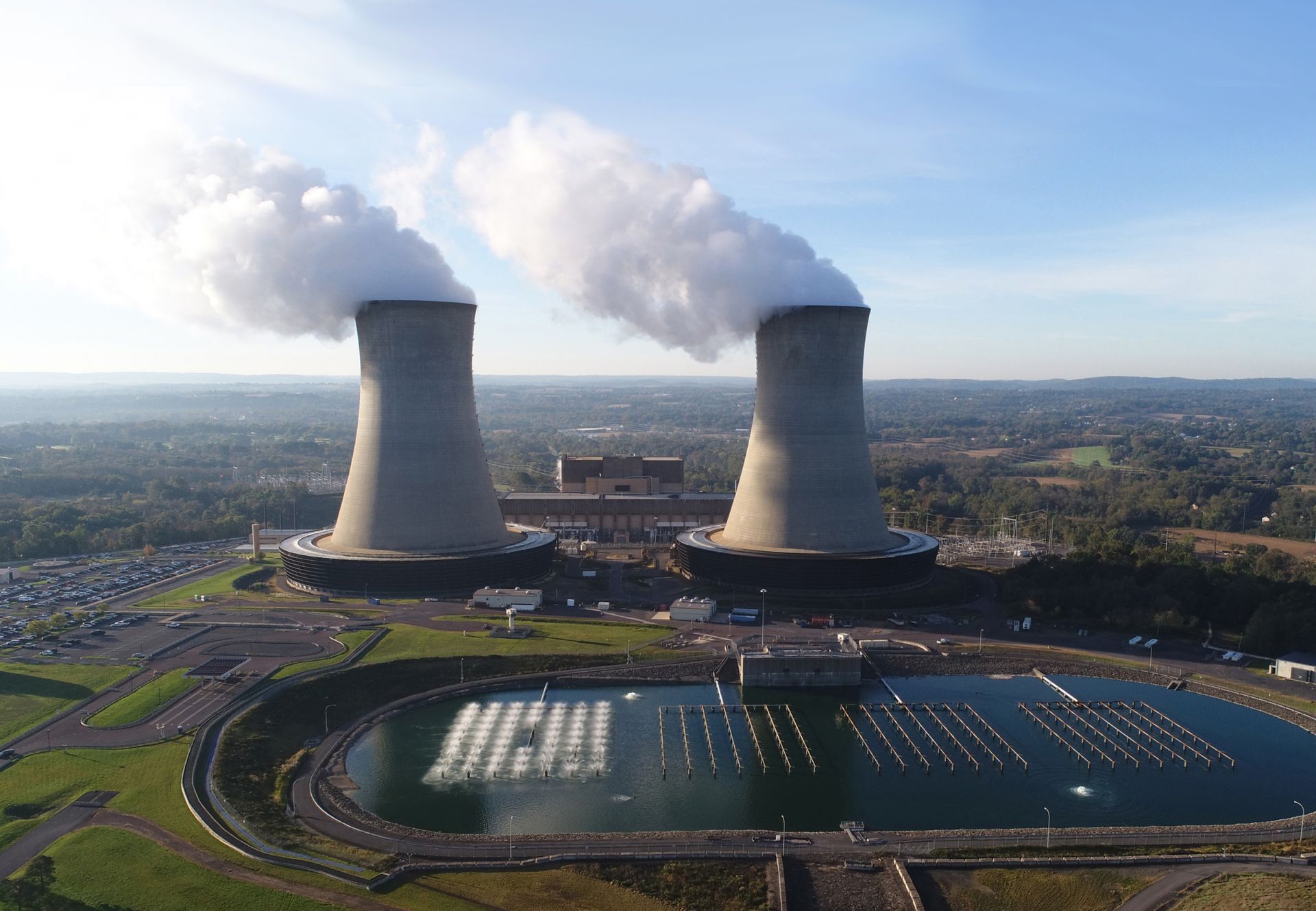
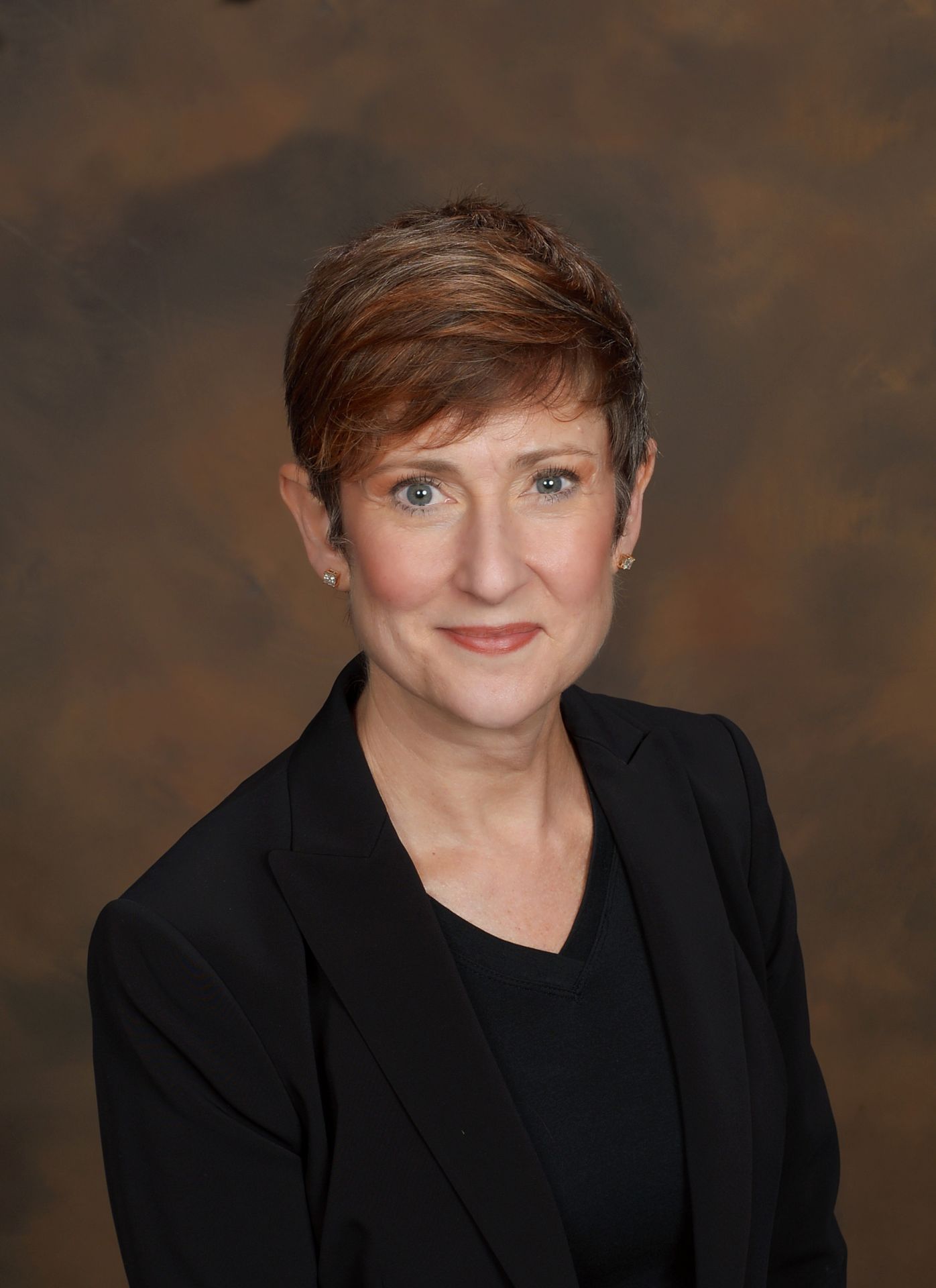 Mary Lou Dunzik-Gougar said she feels very fortunate to be taking on the role of president of the American Nuclear Society at this moment in history. “By that, I don’t mean at the time of the COVID-19 pandemic,” she quickly clarified. “I mean at a time when we are making exciting and transformational changes to the Society.”