Dixon and Hafen: An update on robotics and plant maintenance
Joe Dixon
Hubert Hafen
Wälischmiller Engineering (HWM), of Markdorf, Germany, has joined forces with NuVision Engineering (NVE) to form NuVision-Wälischmiller under parent company Carr’s Engineering. The NVE-HWM team develops, demonstrates, and deploys engineered remote systems and robotics to meet the high safety standards, quality requirements, and challenging demands of the nuclear industry.
HWM specializes in remote-handling and robotic solutions for hazardous applications. Since 1946, HWM has been delivering a range of remote-handling solutions, including precision manipulators, tools, and controllers, to the nuclear industry.
NVE, founded in 1971, is headquartered in Pittsburgh, Pa., with major operational facilities in Charlotte, N.C. The company delivers engineered solutions and services to its customers in the nuclear markets of commercial power, research, isotope production, and government cleanup sectors. NuVision develops, demonstrates, and deploys technology-based solutions that help extend the life and safe operation of power plants, improve new plant designs, and remediate government-owned legacy waste sites.
Joe Dixon is the robotics director at NVE. For nearly 20 years, he has provided solutions for the global nuclear industry and has conceived, designed, fabricated, deployed, and managed teams for advanced robotics, isotope production, scientific research, decommissioning, energy production, process maintenance, and remote handling. Having worked on large projects around the world, Dixon is one of the industry’s leaders in remote-handling and robotics technologies.
Hubert Hafen is the chief technology officer for HWM. With more than 30 years of experience in the nuclear industry, Hafen has served as chief engineer and project manager for a large number of international remote-handling projects, such as remote-handling equipment for the decommissioning of the Greifswald nuclear power plant in Germany, the decommissioning of the reprocessing plant in Karlsruhe, Germany, planning for the remote equipment for the ITER project, and several remote-handling projects in Japan, Russia, China, the United Kingdom, France, and Germany. His ability to present clients with problem solving has made him renowned in the robotics world.
Dixon and Hafen talked recently with Nuclear News editor-in-chief Rick Michal about what is new in robotics and remote-handling systems.

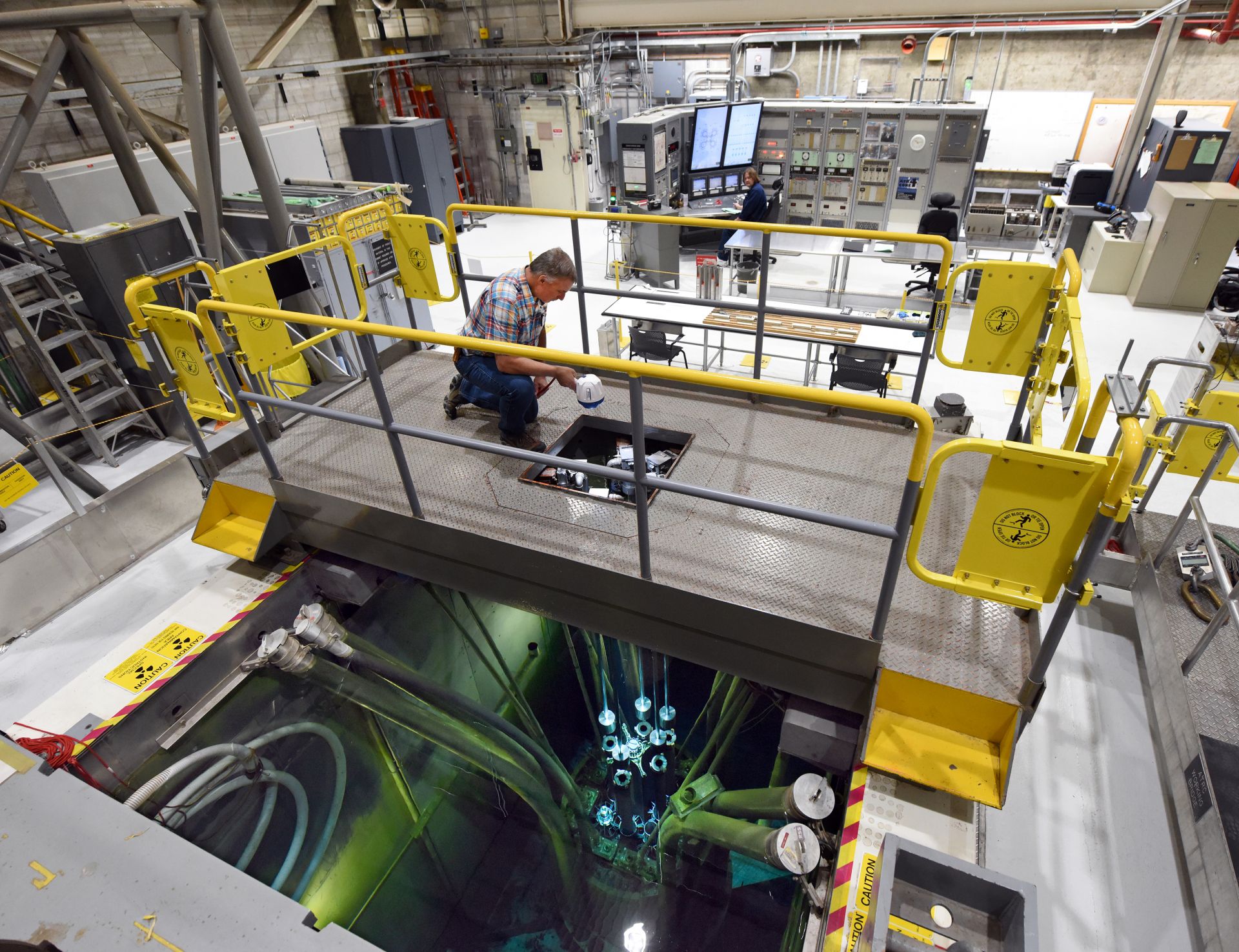
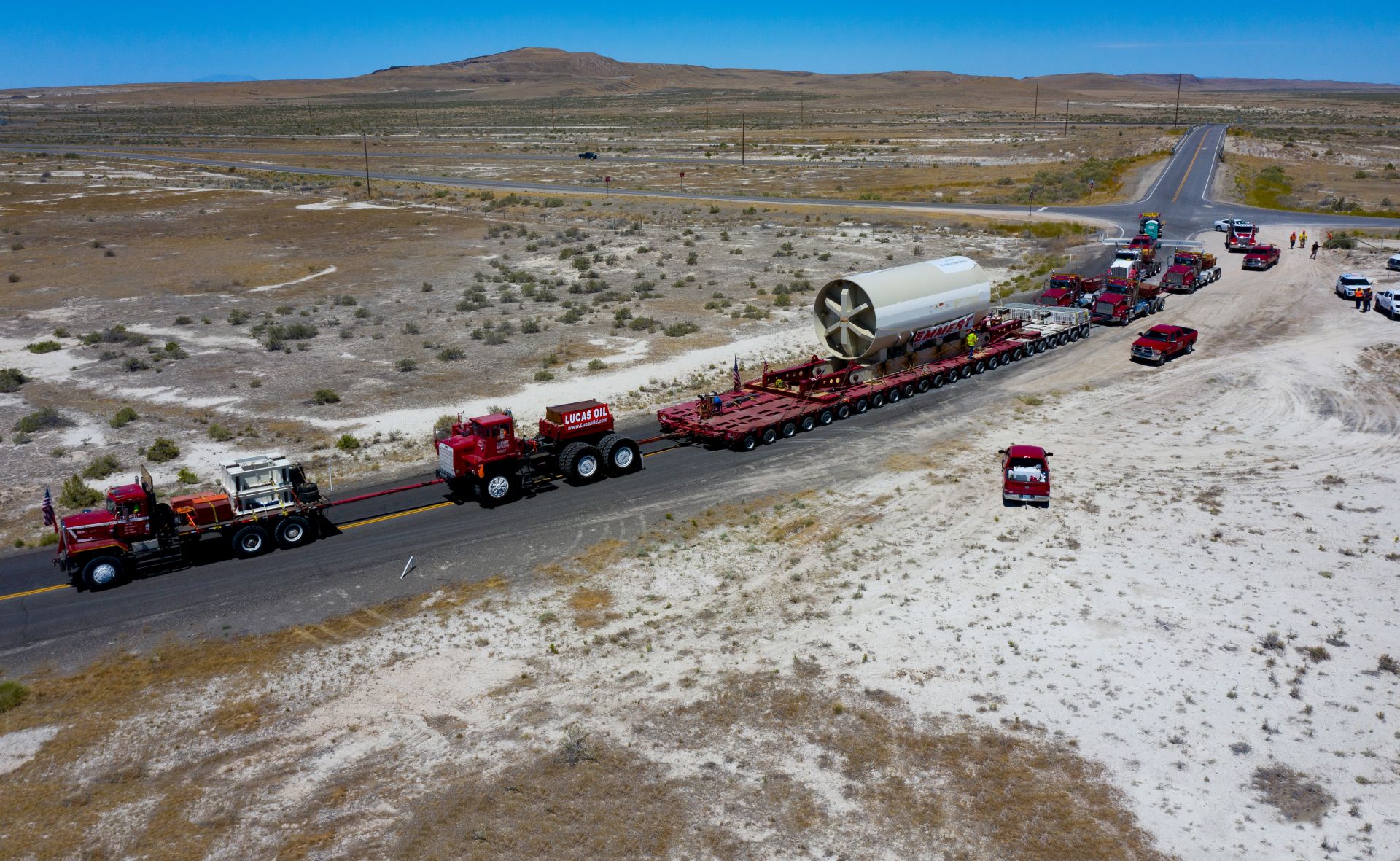
 On March 9, the Department of Energy’s Office of Environmental Management (EM) released its first strategic plan in several years. Titled “A Time of Transition and Transformation: EM Vision 2020-2030,” and called the Strategic Vision1, the document outlines the past accomplishments in cleaning up legacy nuclear waste and provides a broad overview of the initiatives that EM plans to put into motion over the next decade, “laying the groundwork for a long-term plan to realize meaningful impact on the environmental cleanup mission.”2
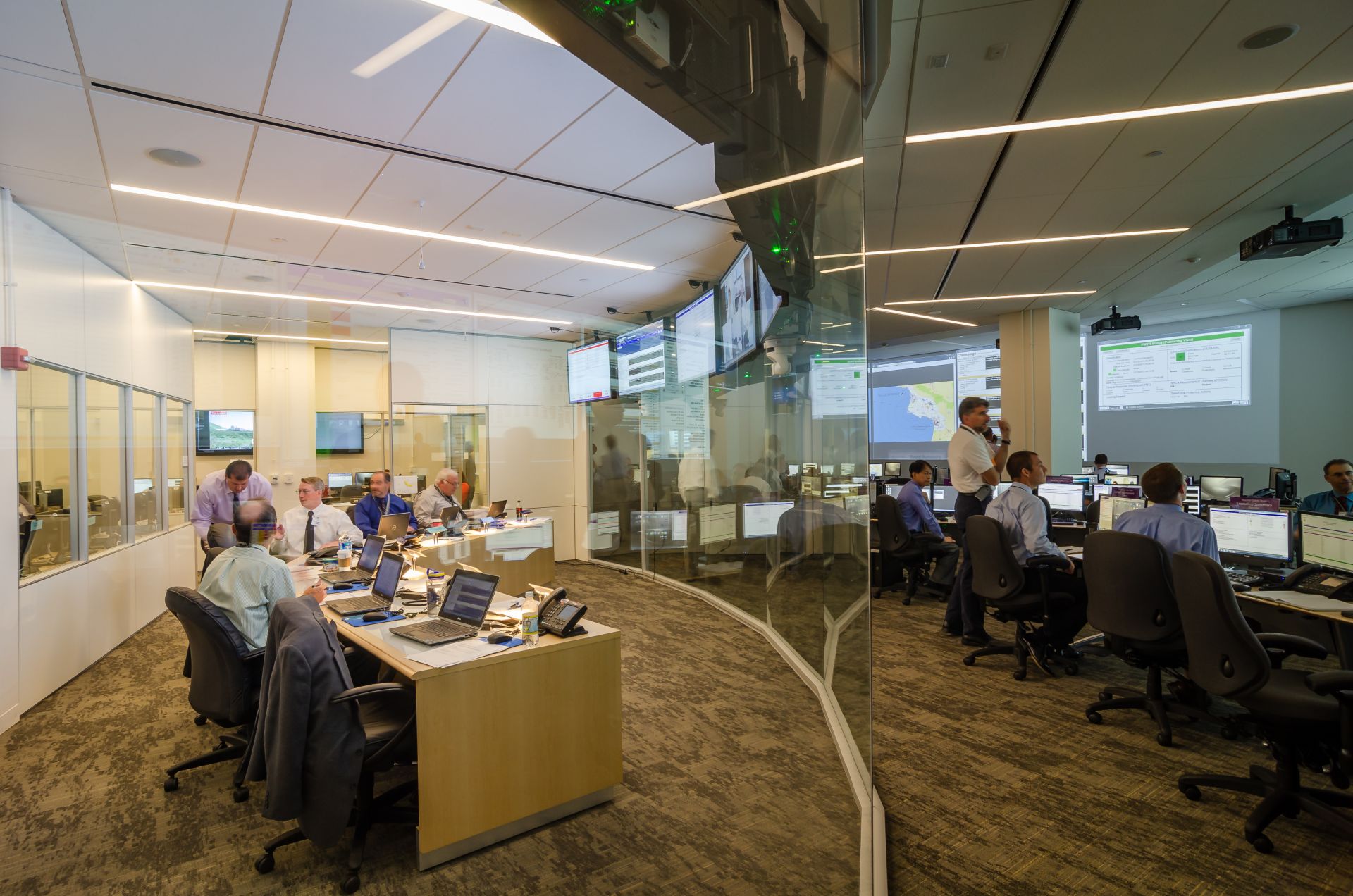 One essential lesson from the events at Three Mile Island-2 in March 1979 can be summed up in three words: Preparedness takes practice. The emergency response capacity of the Nuclear Regulatory Commission and nuclear plant operators is more than just a set of procedures. Active training and evaluation are required to coordinate effectively with local and state authorities and protect the public in the event of an off-site radiological release.
 Radiation has benefited mankind in many ways, including its use as an energy source and an indispensable tool in medicine. Since the turn of the 20th century, society has sought ways to harness its potential, while at the same time recognizing that radiological exposures need to be carefully controlled. Out of these efforts, and the work of many dedicated professionals, the principles of justification, optimization, and limitation have emerged as guiding concepts.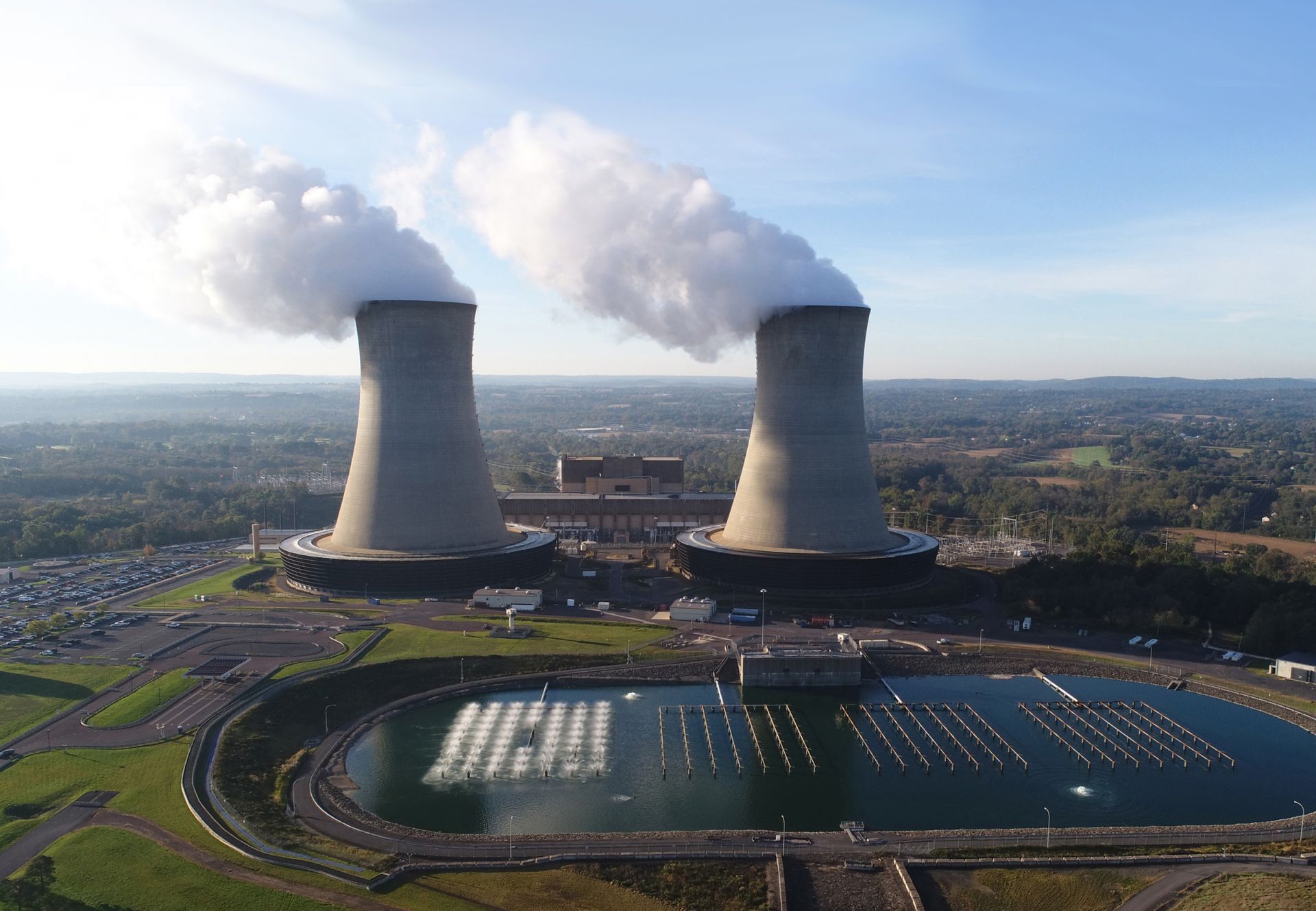

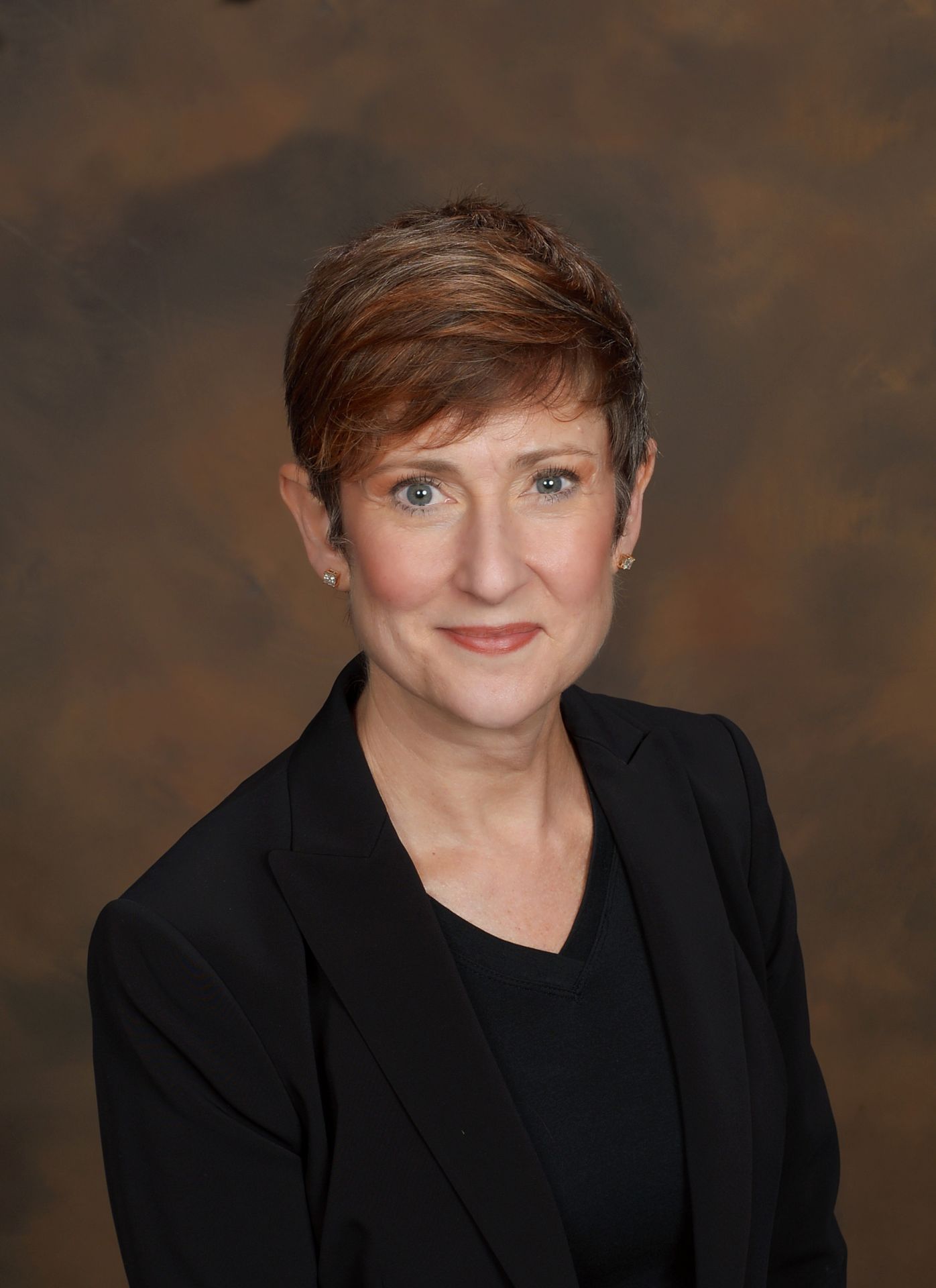 Mary Lou Dunzik-Gougar said she feels very fortunate to be taking on the role of president of the American Nuclear Society at this moment in history. “By that, I don’t mean at the time of the COVID-19 pandemic,” she quickly clarified. “I mean at a time when we are making exciting and transformational changes to the Society.”