Oklahoma: Along with every other state selected by the DOE for a possible life cycle campus, Oklahoma is a Nuclear Regulatory Commission Agreement State. However, it is also one of the 14 U.S. states that has never been home to a commercial nuclear power plant. The closest Oklahoma has come to having a nuclear power plant was Black Fox, a two-unit plant project that was ultimately canceled in 1982. The state was once home to an AGN-211-P university research reactor at the University of Oklahoma, which shut down in the 1980s.
Beyond Black Fox and the AGN, there are two other historically relevant sites in Oklahoma that shed some light on its experience with the nuclear fuel cycle. Those are the Kerr-McGee Corporation’s Cimmaron site, an enriched uranium and mixed oxide fuel fabrication site, and the Sequoyah Fuels Corporation’s uranium conversion facility. The Cimmaron site was active from 1965 to 1975, and the SFC site was active from 1970 to 1992. Both sites are still undergoing decommissioning.
While these facilities were shut down relatively long ago, Oklahoma is presently pursuing potential nuclear developments on several fronts. In 2025, Gov. Kevin Stitt signed S.B. 130 into law, directing the Oklahoma Corporation Commission to commission a nuclear generation feasibility study. The resulting study ultimately concluded that there were no technical barriers preventing the state from developing nuclear energy, though it also acknowledged potential challenges in the areas of economics, timelines, and public perception.
At the end of last year, the Grand River Dam Authority—Oklahoma’s largest public electric utility—was one of four utilities to form the Great Plains New Nuclear Consortium. This new group is now investigating bringing new nuclear to Nebraska and Oklahoma.
Aside from the legislature-directed feasibility study and the GRDA, the University of Oklahoma is working to develop its nuclear presence once again. Earlier this year, it became the home of one of the newest student sections of the American Nuclear Society, and it is now working to reestablish its nuclear engineering major, which was dissolved in 1985.
While Oklahoma’s full NLIC application is not yet available, the state is reportedly planning to partner with Oklo, Deep Isolation, and Oklahoma-based Occlusion Nuclear Solutions on its NLIC projects.
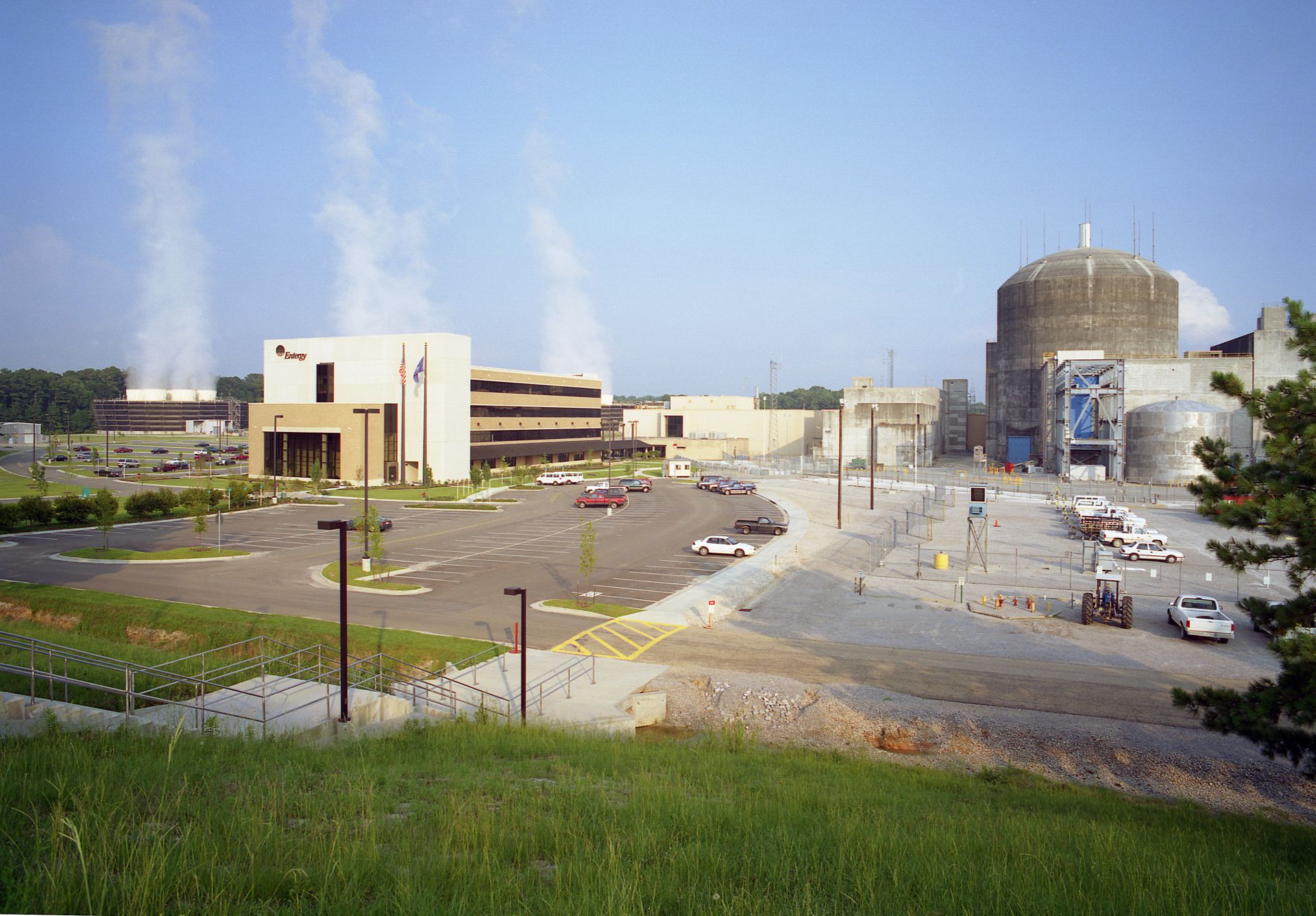
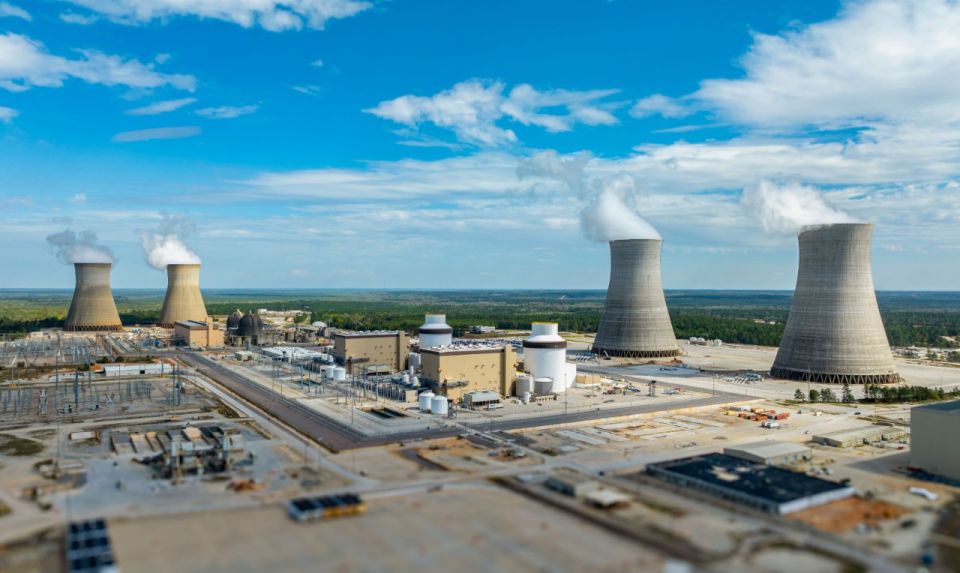
Louisiana: Only two of the five selected states, Louisiana and Tennessee, are home to commercial nuclear power plants. About 15 percent of Louisiana’s in-state electricity generation comes from its two nuclear plants: the 1152-MWe Waterford-3 and the 967-MWe River Bend, which came on line in 1985 and 1986, respectively.
While these two sites currently represent Louisiana’s only significant nuclear infrastructure, the state is in the early stages of developing new projects across the sector. In March, Louisiana launched its new Nuclear Strategic Framework, a collaboration between its economic development and energy agencies that aims to develop new nuclear manufacturing, generation, fuel conversion, and enrichment capabilities.
Elsewhere in the policy world, a recent executive order from Gov. Jeff Landry and several pieces of legislation have provided new boosts to nuclear in the state. S.B. 127, passed last year, authorized the state’s energy department to create an expedited permitting pathway for advanced nuclear projects. Meanwhile, H.R. 212, also passed last year, calls for the state’s energy department to embark on a new nuclear feasibility study.
As for Louisiana’s application to the DOE, the state is proposing the development of three specialized hubs to support NLIC goals:
- At the Louisiana State University Innovation Park, the state plans to support supply chain fabrication, materials and component testing, fuel conversion, energy integration, and workforce development.
- At a military installation in northwest Louisiana, the state plans to test and deploy a small modular reactor.
- At Port Fourchon, Louisiana’s southernmost port, the state plans to explore spent fuel sequestration opportunities on the Outer Continental Shelf by way of “salt domes and/or other conducive strata.”
One final clarifying point regarding the state’s nuclear sector: Louisiana is not currently home to any enrichment infrastructure, though its name frequently and confusingly comes up in many enrichment related stories. Urenco USA, the only commercial enricher currently operating domestically, is a subsidiary of a company called Louisiana Energy Services. In the 1980s and ’90s, LES engaged with the NRC on the proposed Claiborne Enrichment Center near Homer, La. That plan, for a multitude of reasons, ultimately did not come to fruition, and LES now seems to have little—if any—involvement with the state after which it is named.
Up next: Idaho, Tennessee, and Utah’s existing nuclear frameworks and tentative plans for the NLIC program will be the subject of forthcoming deep dives on Nuclear Newswire—stay tuned.