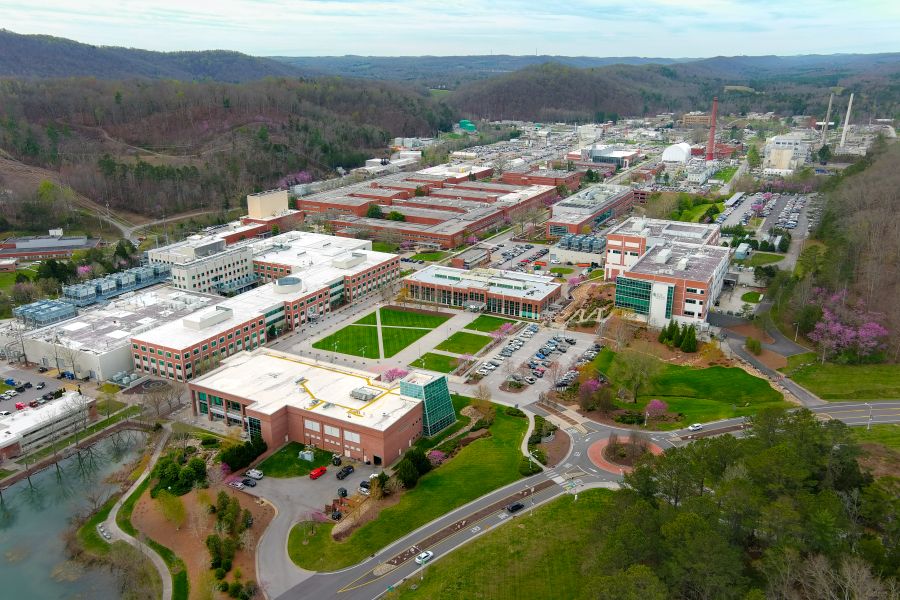
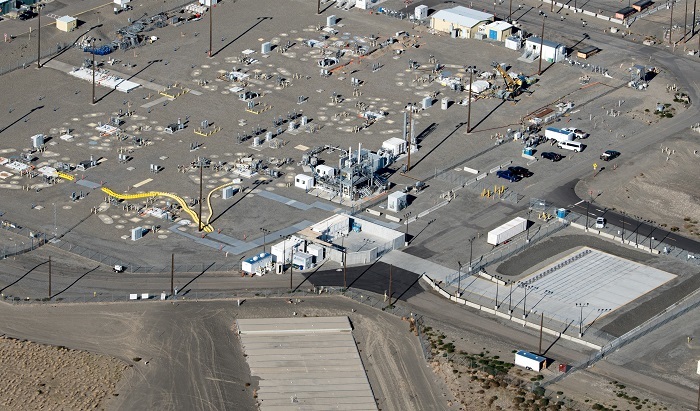
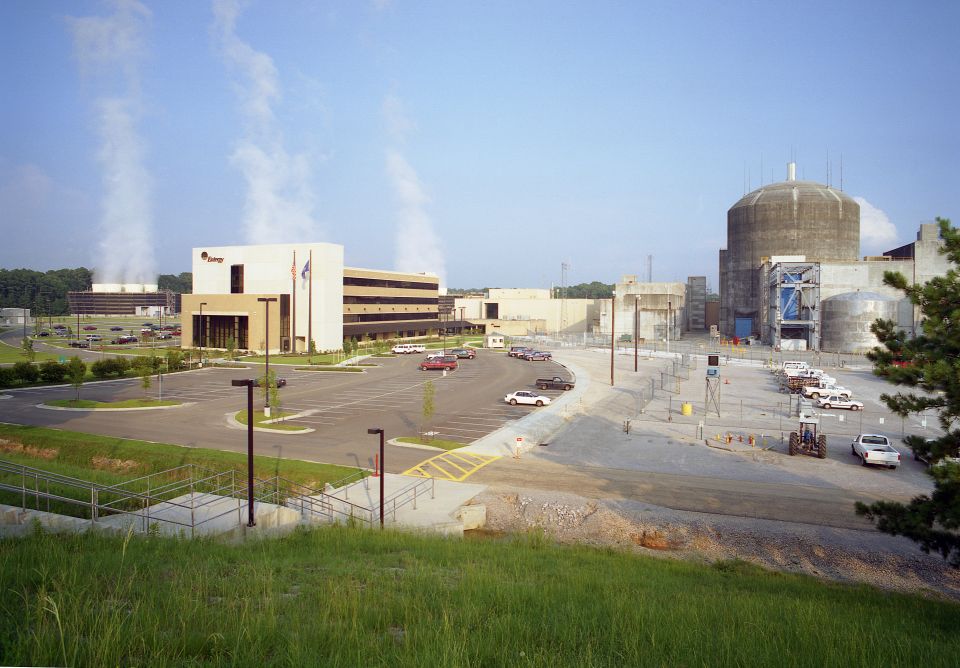
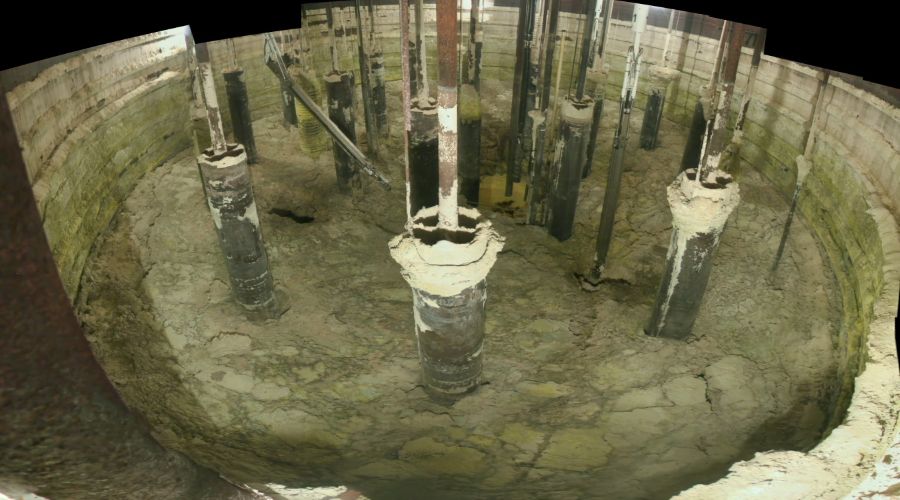
Today's announcement also represents another step in exploring a more complete domestic nuclear fuel cycle — from uranium production and fuel fabrication to reactor operations and long-term management of used nuclear fuel. The NLIC program is intended to evaluate a range of approaches, including consolidated storage, recycling technologies, and eventual disposal.
"A Nuclear Lifecycle Innovation Campus has the potential to advance two important national objectives: strengthening America's nuclear fuel infrastructure and improving long-term management options for used nuclear fuel," said ANS CEO Craig Piercy. "We are encouraged to see a cooperative, voluntary process involving the federal government, states, Tribal nations, local communities, and other stakeholders."
"Communities considering these opportunities deserve clear, accurate, and independent technical information," continued Piercy. "As a professional scientific society, ANS can help provide objective technical expertise to inform these discussions. Our members stand ready to assist."
ANS technical experts available
ANS and its more than 12,000 members are available to provide technical expertise on nuclear technology and used nuclear fuel management. This includes information on storage, recycling, transportation, disposal, and the technical safeguards associated with each approach. ANS experts are available to answer questions, participate in public meetings, and serve as an independent technical resource.
Questions about the NLIC program, requests for ANS technical experts, and media inquiries may be directed to NLIC@ans.org.
Visit www.ans.org/nlic for more information, including the names of ANS’s designated NLIC technical experts for each state.
About the American Nuclear Society
Established in 1954, the American Nuclear Society (ANS) is an international professional organization of engineers, scientists, technologists, teachers, and healthcare providers devoted to the peaceful applications of nuclear science and technology. Its more than 12,000 members represent government, academia, research laboratories, medical facilities, and private industry. ANS's mission is to advance, foster, and spur the development and application of nuclear science, engineering, and technology for the benefit of humanity.
###