Tennessee fusion regulations take effect
On June 9, Tennessee became the first U.S. state to implement its own regulatory framework for nuclear fusion machines. It’s a notable step in the rapidly developing field of fusion regulation, and will help Tennessee prepare to regulate Type One Energy’s proposed commercial fusion power plant near Oak Ridge.
Background and decision: In 2023, the Nuclear Regulatory Commission elected to integrate the regulation of fusion machines into the existing byproduct materials program, rather than classifying them—with commercial fission reactors—as utilization facilities. With this decision made, the onus has now fallen to NRC Agreement States to decide how they will regulate fusion machines.
In response to the NRC’s decision, in March of this year a new amendment was filed to the Effective Rules and Regulations of the State of Tennessee. This amendment laid out the framework for how the state will register and license fusion machines, processes, and related activities.
These 11 pages of new rules establish the basics of how fusion machines will be permitted to power up in Tennessee. They state that, to be certified, an applicant must have the needed personnel; a method to retrain and test that personnel at least annually; and facilities, equipment, and procedures that protect the public’s safety, health, and property.
Additionally, the rules require that an applicant has appointed a radiological safety officer and established a radiation safety committee to advise and assist on safety concerns. Finally, the rules describe the general safety provisions that the facility itself must meet, along with general rules for operation procedures.
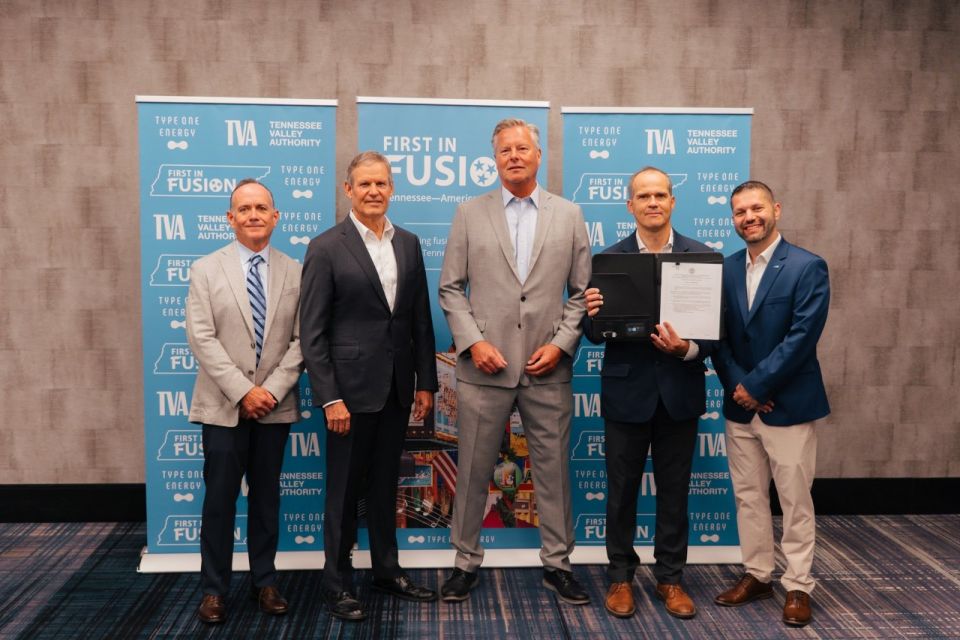
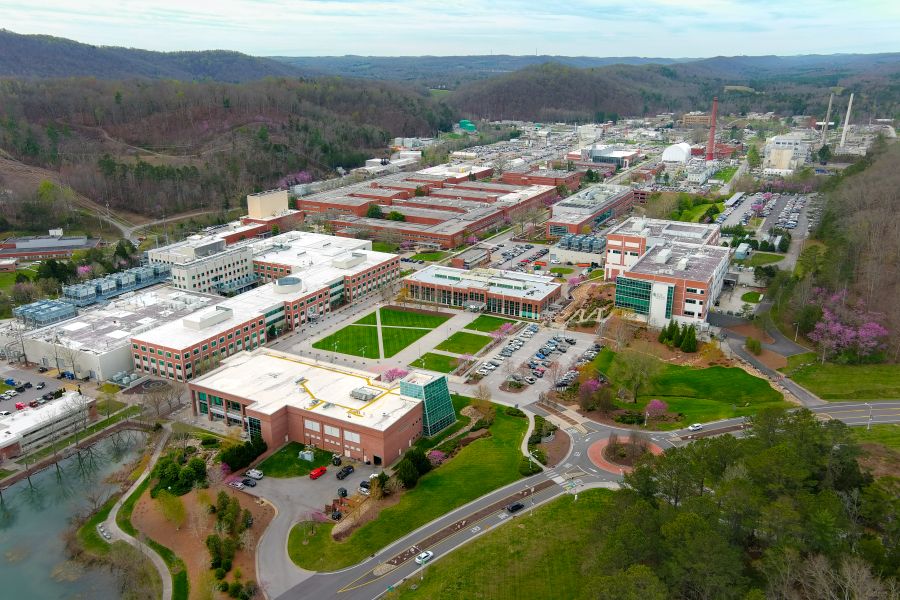
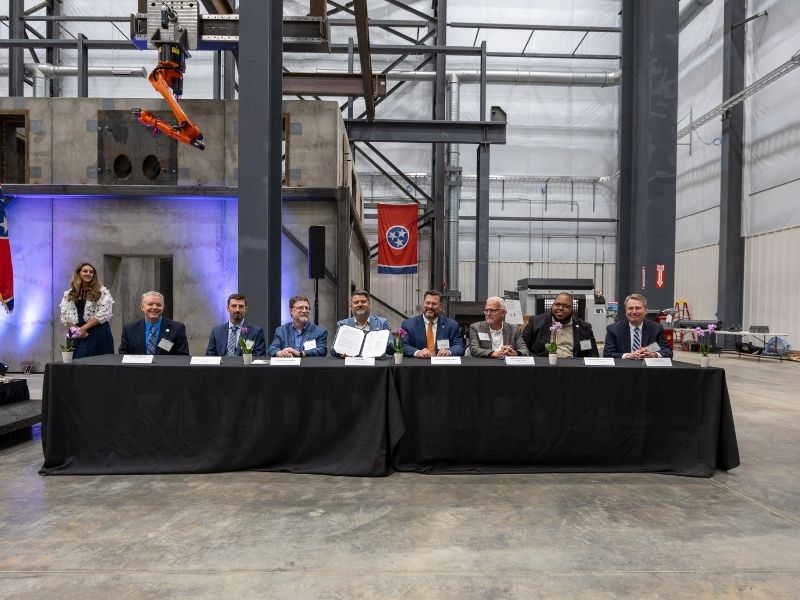
Fusion in Tennessee: This development comes as Type One Energy continues to progress on a project to deploy Infinity Two, its 400-MWe fusion pilot power plant near Oak Ridge. That project is being developed in partnership with the Tennessee Valley Authority, Oak Ridge National Laboratory, and the University of Tennessee.
According to a press release from the Tennessee Department of Environment & Conservation (which will be responsible for overseeing fusion regulation in the state), Type One Energy’s commercial site “is anticipated to be among the first licensees under this new framework and will function as a fusion development campus through projects between [ORNL, TVA, and UT.]” The press release further stated that, under these new rules, power plant construction could begin in 2028.
Thoughts from industry: At last week’s 2026 Annual Conference of the American Nuclear Society, fusion regulation was discussed during numerous forums. During the opening plenary, Alexander Valys, cofounder and president of fusion start-up Xcimer Energy, said that the NRC’s decision to cede fusion licensing to the Agreement States was seen as a win for the industry. He added that, today, companies have the freedom to consider the contrasting benefits of many states when deciding where to build their pilot plants.
However, looking to a future where companies are working to deploy dozens of plants per year all across the United States, Valys said, “We’re probably going to want something more standardized, as opposed to having to worry about 40 licensing regimes. But, for fusion, that’ll be a champagne problem.”