Transformation in shipping: ATLAS is designed to encourage cooperation among the maritime industry, the nuclear industry, and the IAEA as they work to identify and address challenges to applying nuclear power at sea. Through ATLAS, IAEA member states will develop a framework that promotes and supports marine nuclear deployment. This framework will include recommendations for revising IAEA safety standards and nuclear security guidance to ensure effective safeguards throughout the lifetime of maritime nuclear vessels and associated facilities.
IAEA director general Rafael Mariano Grossi noted that the application of nuclear energy in shipping and offshore industries “offers an unprecedented opportunity: Not only could it enable ships to sail cleanly, further, and faster without frequent refuelling, the high energy density of small modular reactors provides clean energy for a range of operations. This is the kind of solution we urgently need to achieve genuine and lasting transformation in shipping and beyond.”
Two-day launch event: According to the IAEA, the Washington, D.C., event will “formally introduce the ATLAS vision, structure, and initial work plan while fostering dialogue among member states and key stakeholders on the opportunities and challenges associated with nuclear applications at sea.” Ministers from IAEA member states and other organizations, such as the International Maritime Organization, are invited to the launch event.
The first day will feature an opening session with keynote addresses by Grossi and U.S. Secretary of Energy Chris Wright, followed by statements from IAEA member state ministers. There will then be a series of panel discussions on various topics related to maritime applications of nuclear technologies.
On the second day, there will be an IAEA-led technical plenary session focused on the proposed activities of ATLAS, with feedback gathered from regulatory agencies, industry representatives, shipping companies, classification societies, and other stakeholders. In addition, invited heads of delegations will participate in a tour of the NS Savannah, the first nuclear powered merchant ship, which is presently moored in Baltimore, Md.
According to the IAEA, the August launch is expected to establish “strong momentum and visibility for the initiative by securing high-level political endorsement and fostering engagement across the nuclear and maritime sectors.”
Discussions at the event are expected to “deliver a shared understanding and validation of priority actions related to legal and regulatory frameworks, safety, security, safeguards and liability” and to “enhance alignment between nuclear and maritime stakeholders by identifying key challenges, gaps and areas requiring harmonization.”
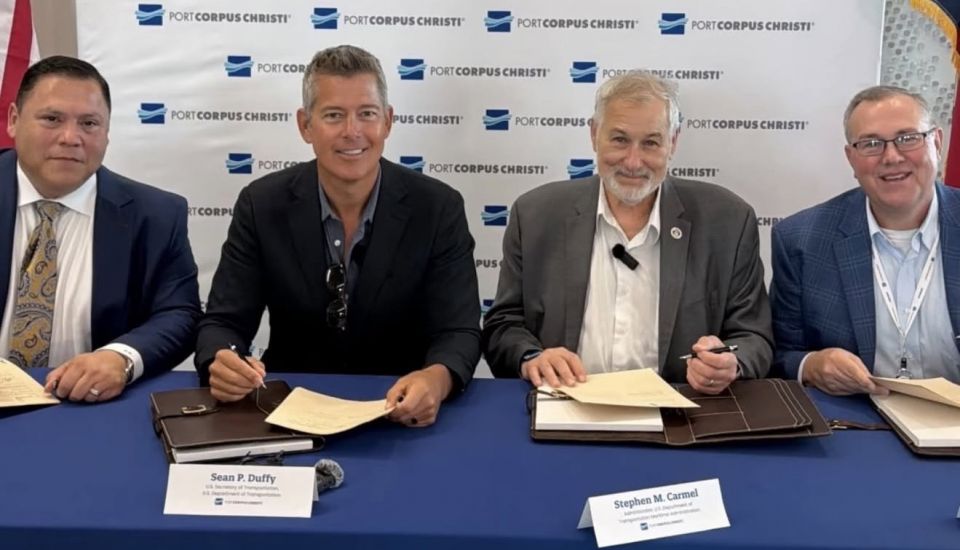
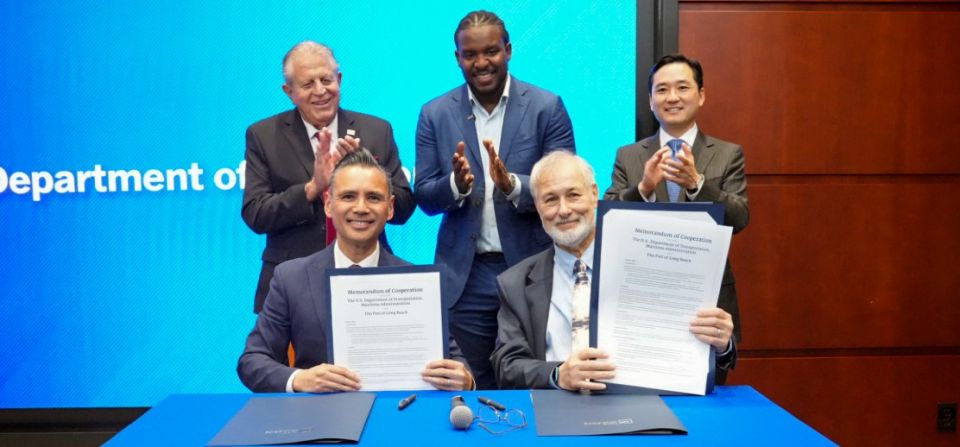
Other maritime initiatives: The Department of Energy is not the only U.S. agency interested in developing nuclear power for maritime and offshore applications. The Department of Transportation’s Maritime Administration recently announced an initiative requesting industry input on the development of “a U.S.-built scalable, repeatable, commercially viable, system-centric, small modular reactor and their deployment within the marine transportation system.”
It was also recently announced that the U.S. Navy intends to demonstrate the ability of the nuclear-powered USS Gerald R. Ford to provide electricity to installations on shore—specifically Naval Station Norfolk in Virginia.