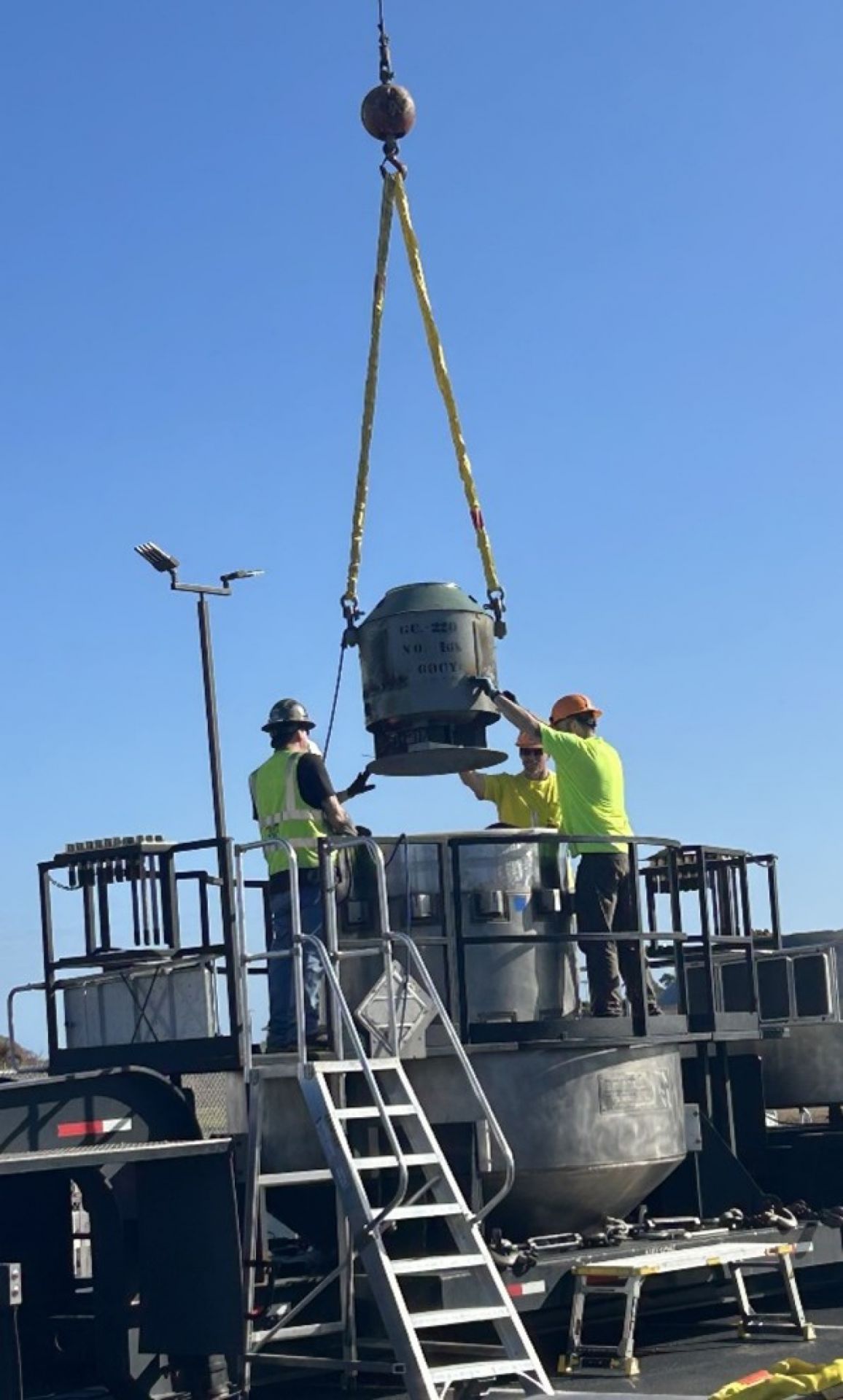
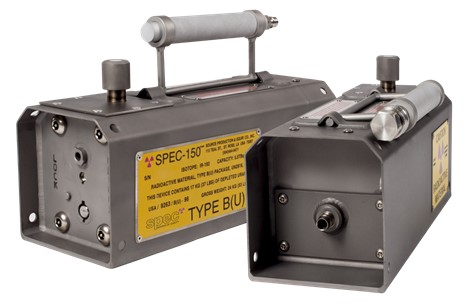
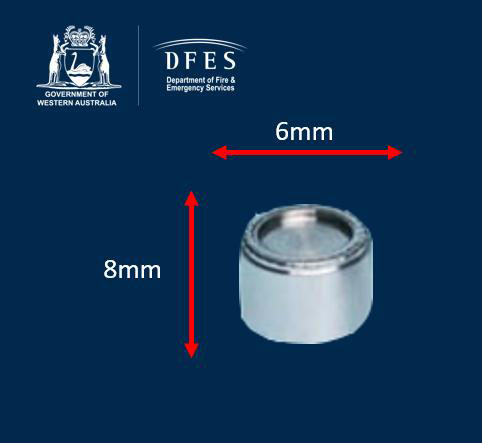
The NNSA’s Office of Radiological Security team loads a Cs-137 irradiator into a secure transportation container. (Photo: NNSA)
The Department of Energy’s National Nuclear Security Administration announced that it has successfully removed all cesium-137 irradiators from South Carolina, as the agency seeks to eliminate radiological threats and protect communities.
Cs-137 sources are commonly used to irradiate cellular blood cells prior to transfusion to prevent graft-versus-host disease, where the donated cells view the recipient’s cells as an unfamiliar threat. If stolen from a less-secure facility, however, the cesium inside the irradiators could be used to create a radiological dispersal device, commonly referred to as a dirty bomb.
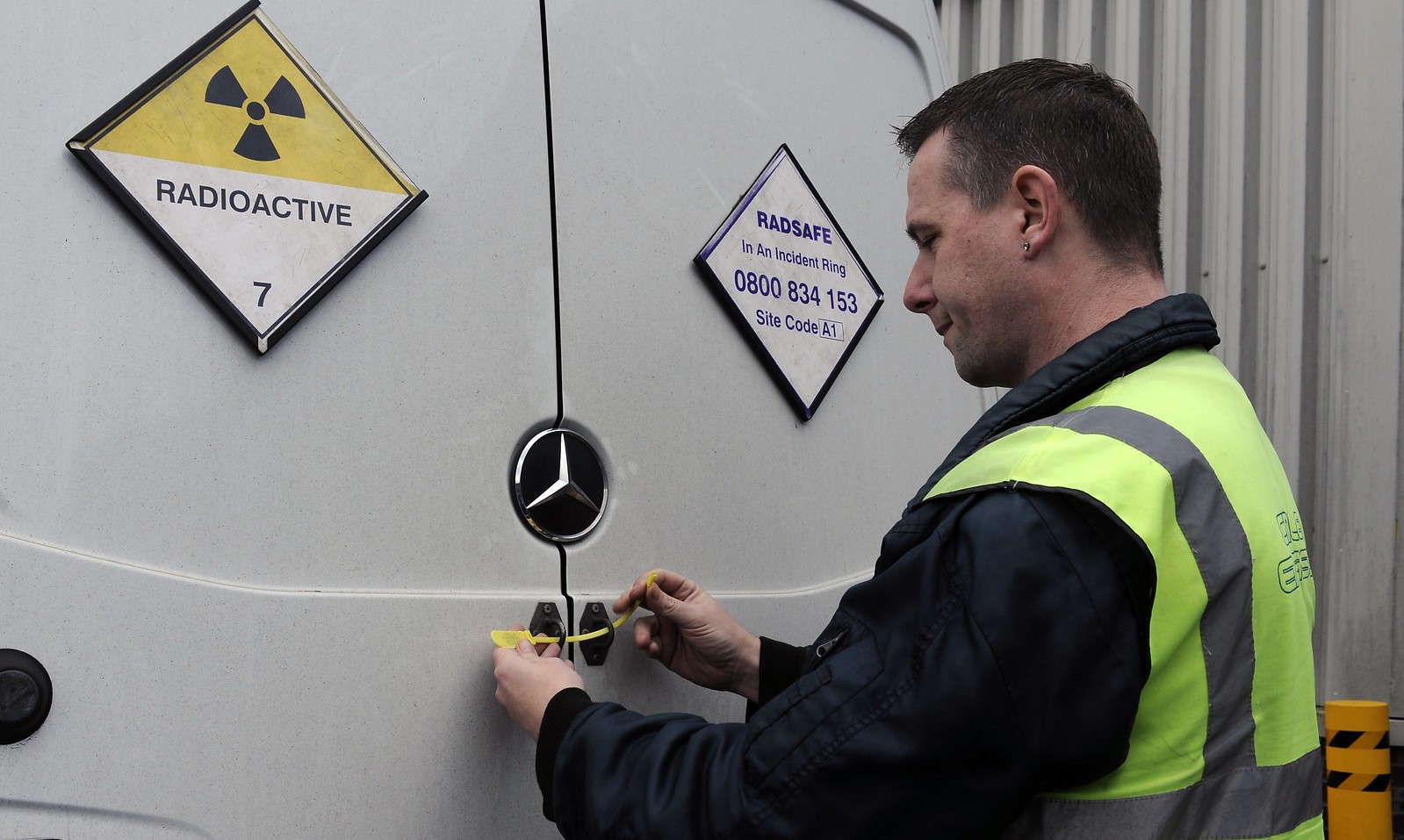
After inspection, a vehicle is sealed to prevent tampering or unauthorized alterations in this IAEA photo from 2011. (Photo: Dean Calma/IAEA)
The International Atomic Energy Agency has said that more than half of all thefts of nuclear and other radioactive material reported to the agency’s Incident and Trafficking Database (ITDB) since 1993 occurred during authorized transport, with the share rising to nearly 70 percent in the past decade. The ITDB covers incidents involving nuclear material, radioisotopes, and radioactively contaminated material.
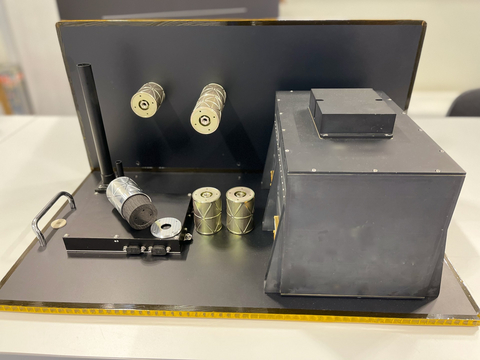
RHUs arranged in a spacecraft structure cutaway. (Photo: Perpetual Atomics)
U.K.-based Perpetual Atomics and U.S.-based QSA Global claim to have achieved a major step forward in processing americium dioxide to fuel radioisotope power systems used in space missions. Using an industrially scalable process, the companies said they have turned americium into stable, large-scale ceramic pellets that can be directly integrated into sealed sources for radioisotope power systems, including radioisotope heater units (RHUs) and radioisotope thermoelectric generators (RTGs).
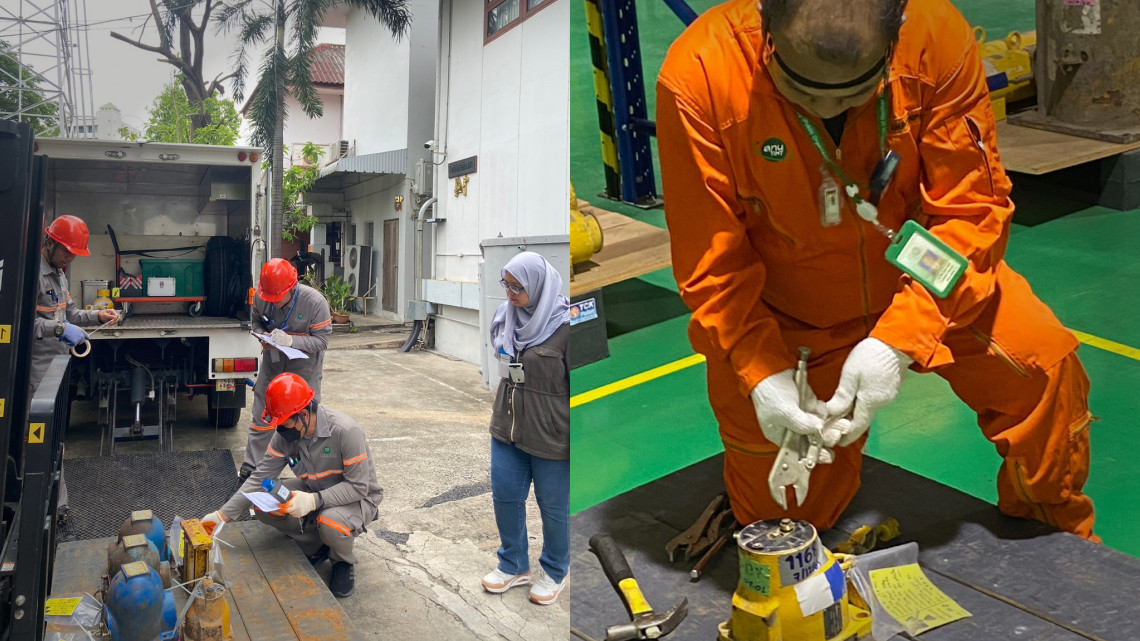
A new IAEA peer review service demonstrates the proper management of disused sealed radioactive sources. (Photos: IAEA [left] and TINT [right])
The International Atomic Energy Agency has carried out the first mission of its Disused Sealed Radioactive Sources Technical Centre peer review service, or DSRS TeC, at the Thailand Institute of Nuclear Technology (TINT) in Bangkok. Held July 18–21, the inaugural mission was supported by funds from the United States.