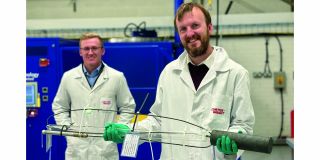
NRC expected to issue Mo-99 facility license for Shine in 2021

May 13, 2020, 9:10PMNuclear News

Shine Medical Technologies, which is building a medical isotope production facility in Janesville, Wis., said on May 11 that it expects to have an operating license issued by the Nuclear Regulatory Commission by October 2021. Shine’s application seeking approval to operate the facility, which will produce isotopes including molybdenum-99, was accepted and docketed by the NRC last October. Mo-99, the precursor to technetium-99m, is used in more than 40 million medical patient procedures every year.

Fact-checking Amazon's new season of Bosch

May 5, 2020, 1:19PMEdited June 2, 2020, 5:03PMNuclear NewsJohn Fabian

The latest season of Amazon’s detective series Bosch premiered recently on its streaming service, Prime. The season opens with the murder of a medical physicist and the theft of radioactive cesium, with plenty of drama following as the protagonist tries to solve the murder and end the “catastrophic threat to Los Angeles.” The show is a work of fiction, but let’s take a closer look at the depiction of radiation to sort out the scientific facts.

The setup: The series stars Titus Welliver as Los Angeles Police Department detective Harry Bosch and Jamie Hector as his partner, Jerry Edgar. The first episode of the sixth and latest season begins late in the evening at a Los Angeles hospital. We are shown a nervous-looking medical physicist as he walks into a laboratory, the camera dramatically focusing on the radiation sign on the door. No one else is around as the medical physicist clears out the lab’s inventory of what we find out later is cesium. The physicist then walks the material out of the hospital without anyone giving him a second look.