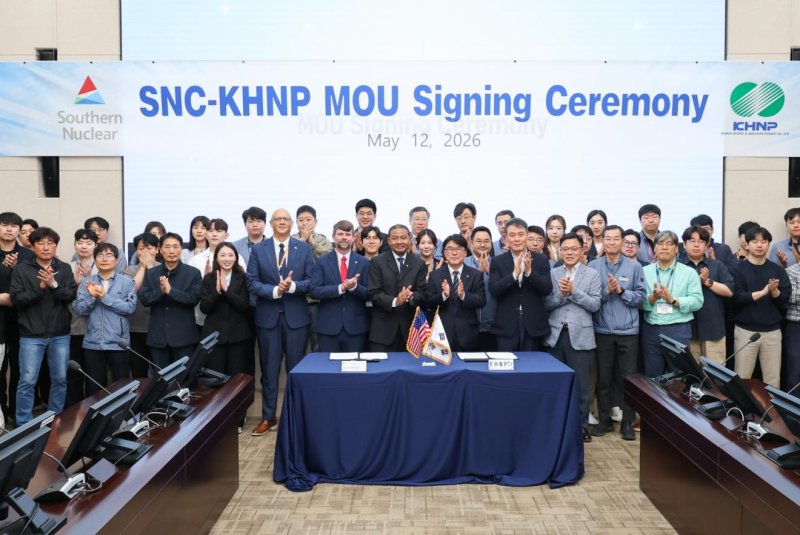
Employees from KHNP and Southern Nuclear after the signing of the companies’ MOU. (Photo: KHNP)
This week, the United States and South Korea have taken two steps toward deepening their nuclear partnership through two notable announcements. First, the majority-state owned Korea Hydro & Nuclear Power signed a memorandum of understanding with Birmingham, Ala.–based Southern Nuclear.
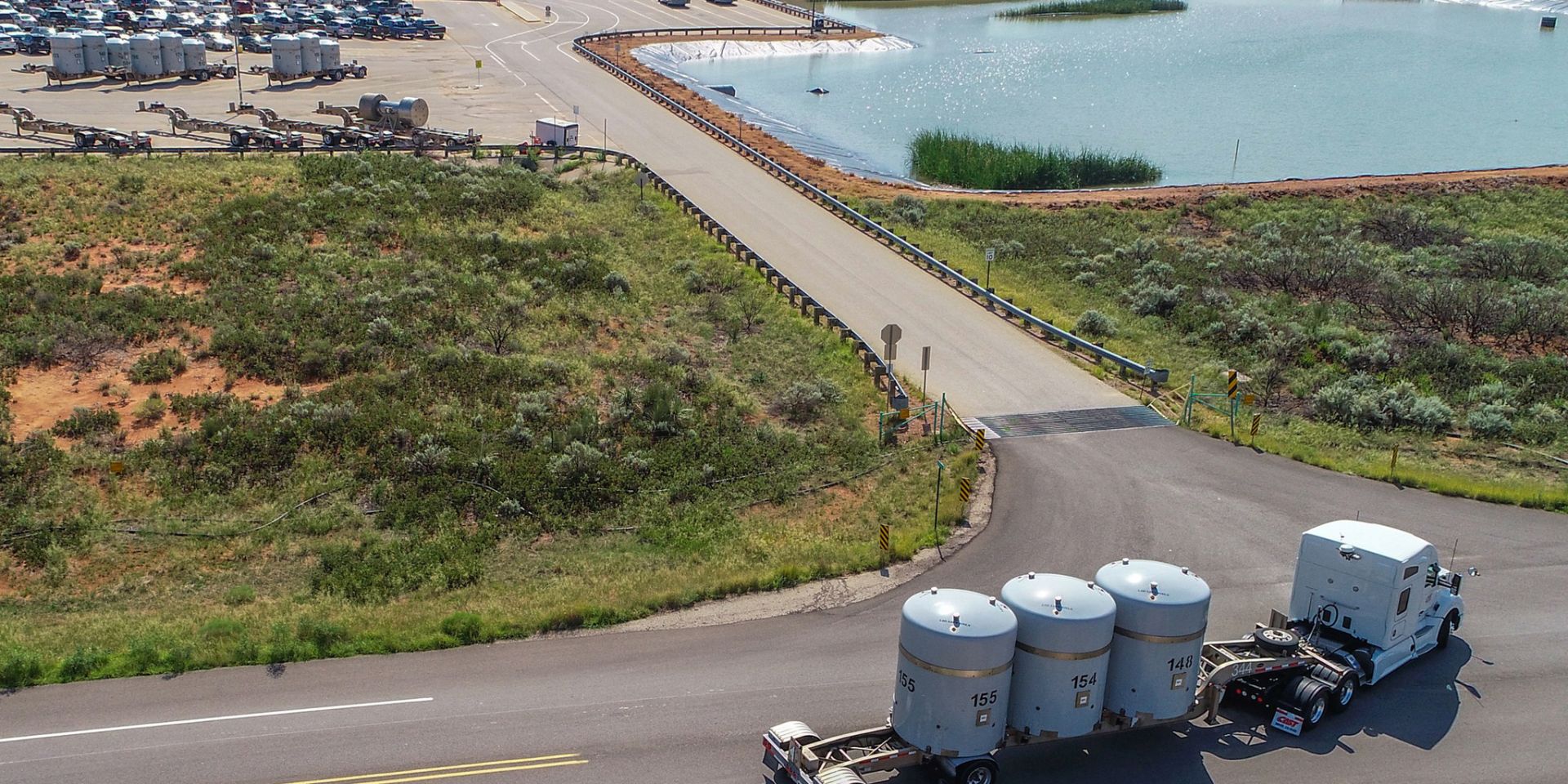
A truck loaded with TRUPACT shipping containers pulls into the WIPP site in New Mexico. (Photos: WIPP)
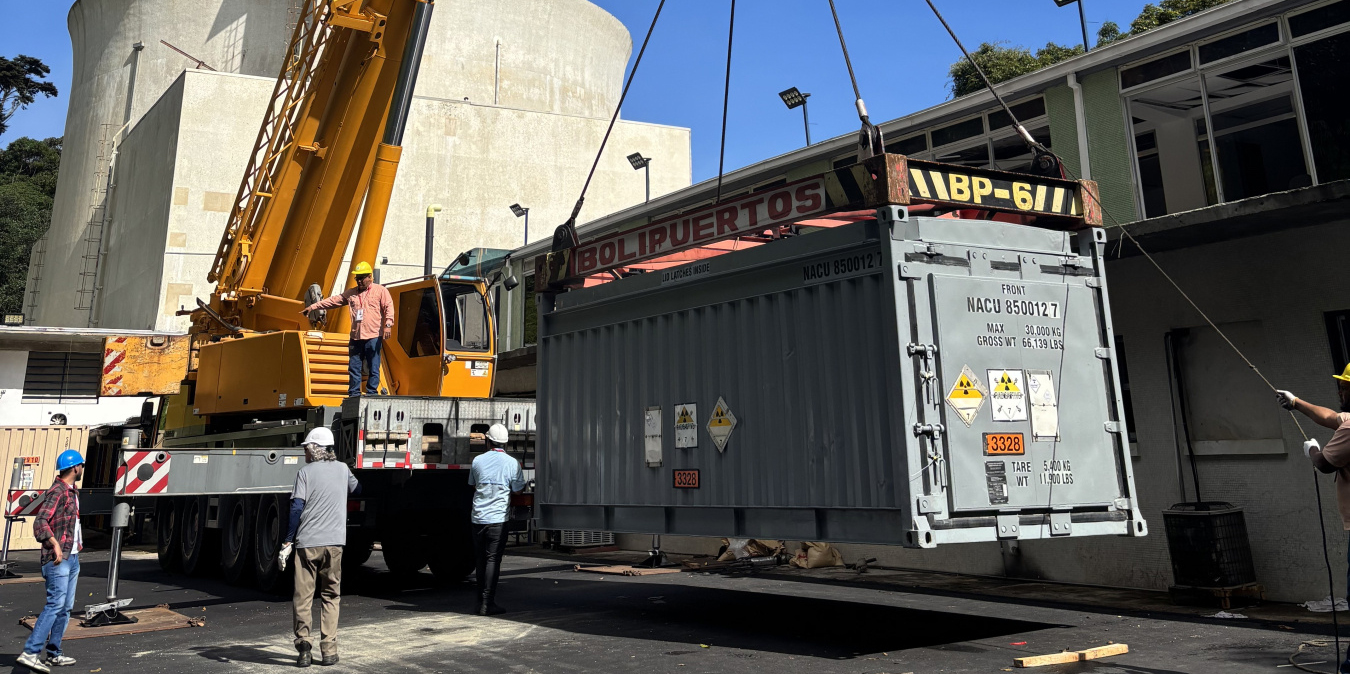
As part of a future consent-based approach by the federal government to site new deep geologic repositories for nuclear waste, local communities and states that are considering hosting such facilities are sure to have many questions. Currently, the Waste Isolation Pilot Plant in New Mexico is the only example of such a repository in operation, and it offers the opportunity for state and local officials to visit and judge for themselves the risks and benefits of hosting a similar facility. But its history can also provide lessons for these officials, particularly the political process leading up to the opening of WIPP, the safety of WIPP operations and transportation of waste from generator facilities to the site, and the economic impacts the project has had on the local area of Carlsbad, as well as the rest of the state of New Mexico.
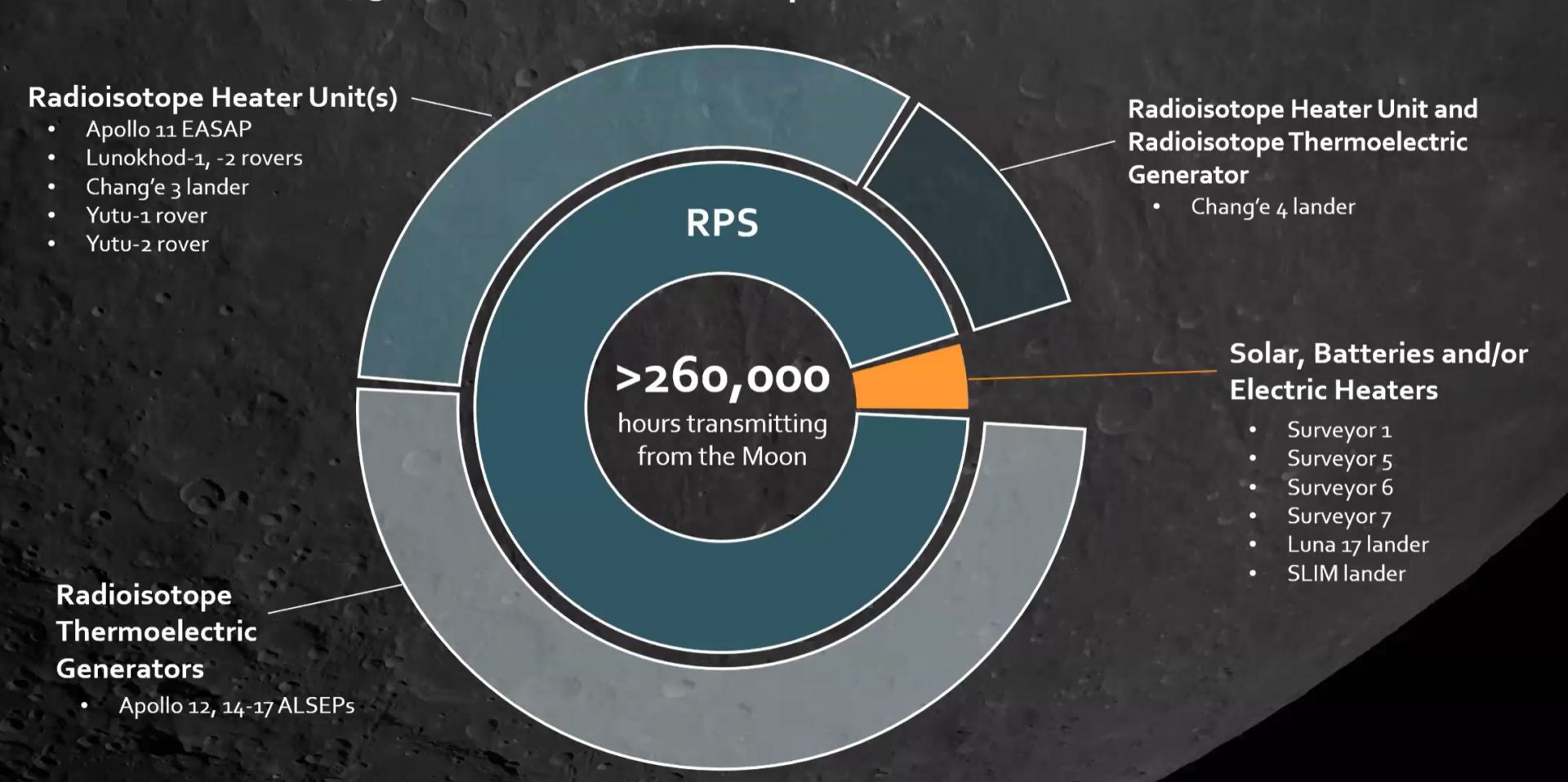
Radioisotope power systems have enabled more than 90 percent of all non-human operational time on the lunar surface. (Source: Zeno Power)
The American Nuclear Society recently hosted a new webinar in its ongoing Educator Training series titled, “Powering the Lunar Frontier: Nuclear Energy for the Artemis Era.” This webinar featured a presentation from Harsh Desai, chief commercialization officer at Zeno Power and chair of the Nuclear Energy Institute’s Space Nuclear Taskforce.
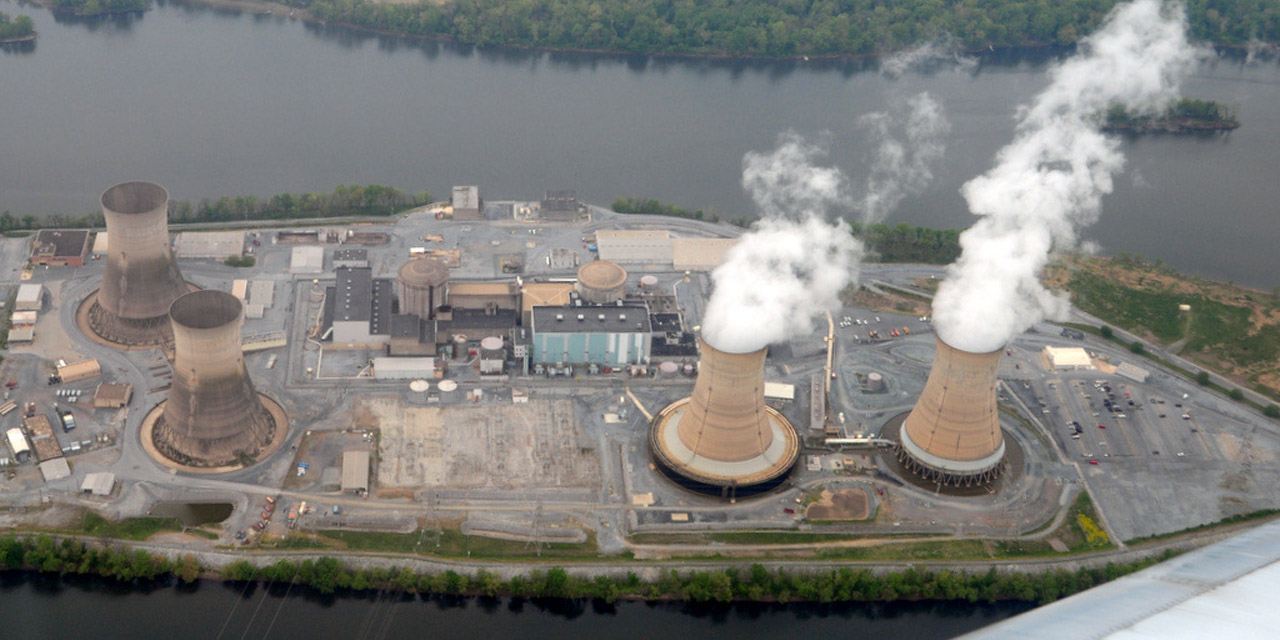
An aerial photo of Three Mile Island. (Photo: Constellation)
In a first quarter earnings call Monday, executives at Constellation said they should know in June or July the status of a request to the Federal Energy Regulatory Commission to transfer capacity interconnection rights from the company’s Eddystone gas- and-oil-powered plant in Pennsylvania to Crane nuclear power plant (formerly Three Mile Island-1).
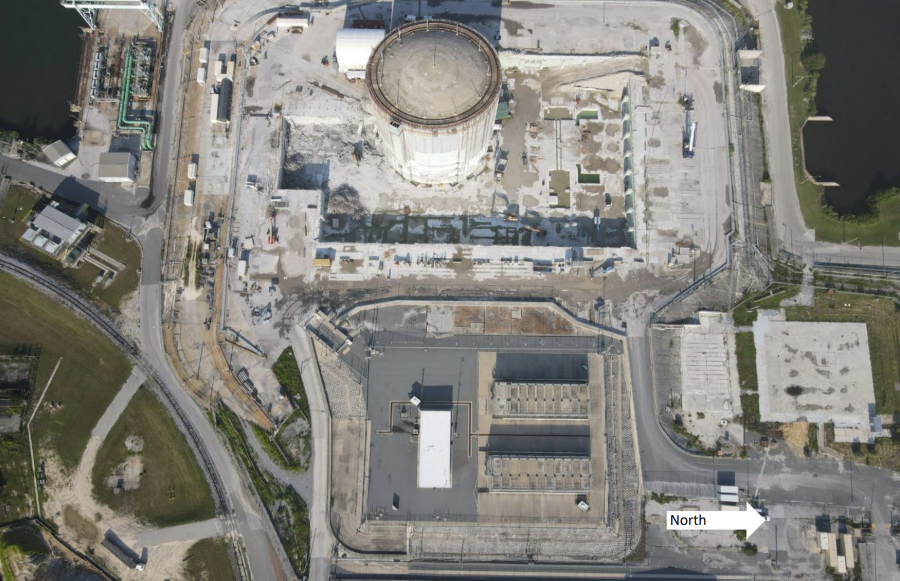
General site conditions of Crystal River-3 as of August 2025. (Photo: ADP)
Advanced Decommissioning Partners, a joint venture of NorthStar Group Services and Orano USA, is set to complete major decommissioning activities at Crystal River-3 nuclear power plant in Florida this summer, according to the license termination plan (LTP) the company submitted to the Nuclear Regulatory Commission.
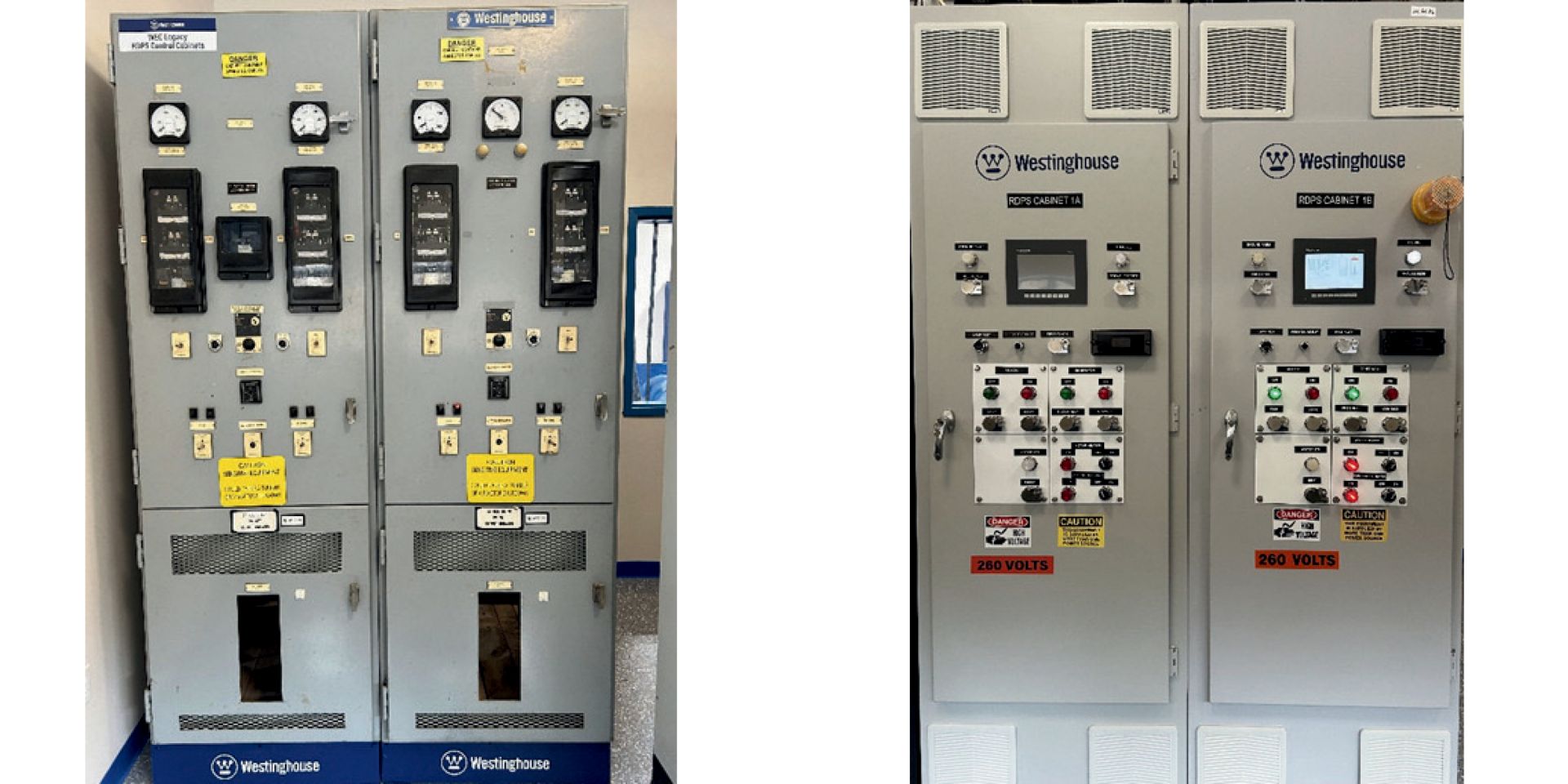
Modernizing a critical control power platform for long‑term reliability and lifecycle sustainment
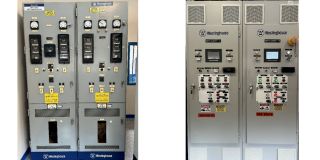
Original MG Cabinet (left) vs. Next Generation Replacement MG Cabinet (right)
Motor Generator (MG) sets and the associated Control Power Cabinets provide critical control power for rod drive systems in pressurized water reactor (PWR) plants. As these systems age, many utilities face growing challenges related to component obsolescence, limited supplier support, and legacy cabinet designs that introduce maintenance risk and single‑point vulnerabilities (SPV).
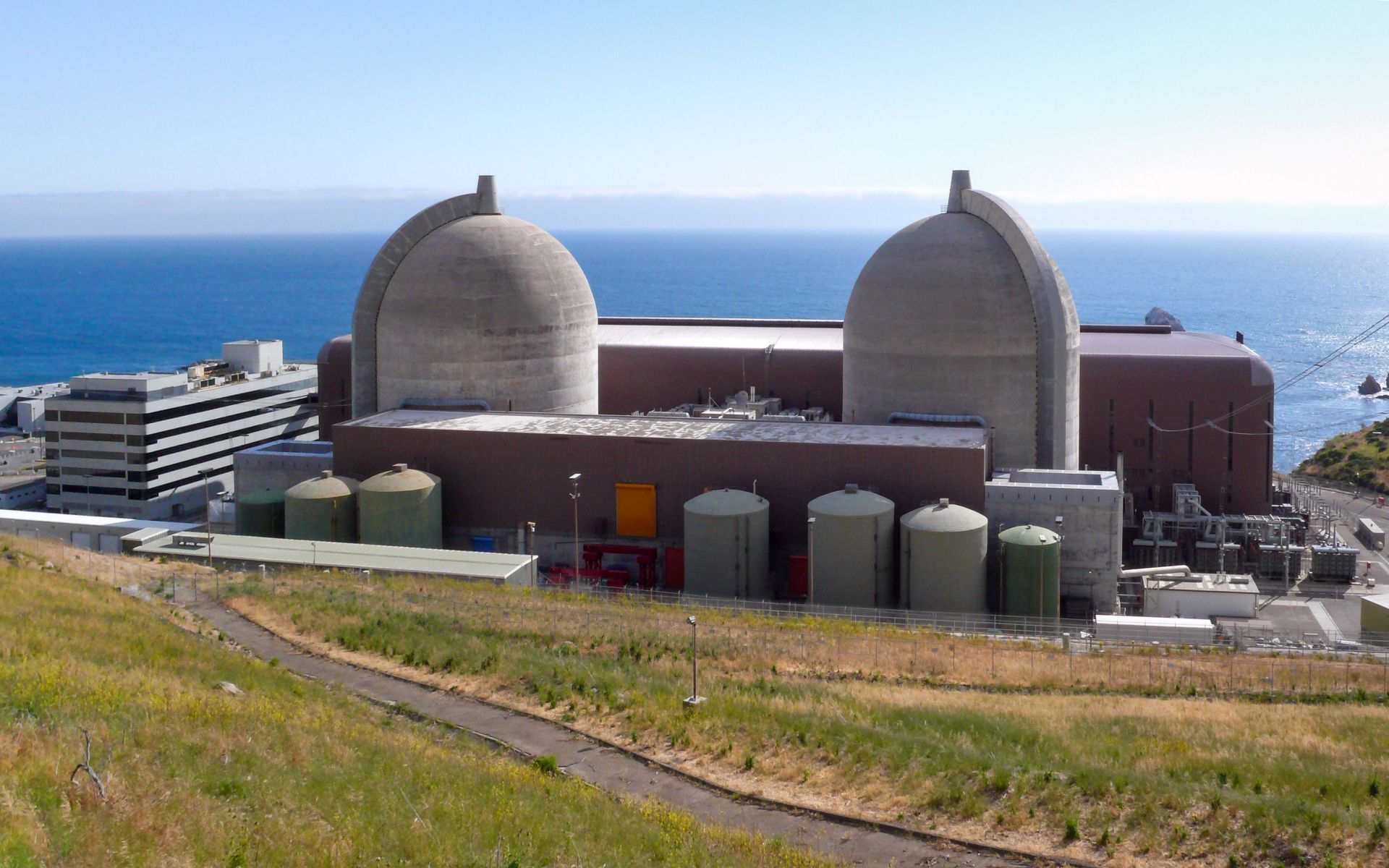
Diablo Canyon nuclear power plant. (Photo: PG&E)
Originally scheduled for shutdown in 2025, Diablo Canyon nuclear power plant was given at least a few more years of life when in 2022, California lawmakers approved an extension of operations into 2030. The Avila Beach, Calif., plant already has the OK from the Nuclear Regulatory Commission to operate into 2044 and 2045 after the two reactors’ operating licenses were renewed and extended for another 20 years, but state lawmakers still must approve any further extension beyond 2030 if the plant is to remain in operation.
NNSA technical experts oversee the loading of spent nuclear fuel into a specialized cask in Venezuela. (Photo: NNSA)
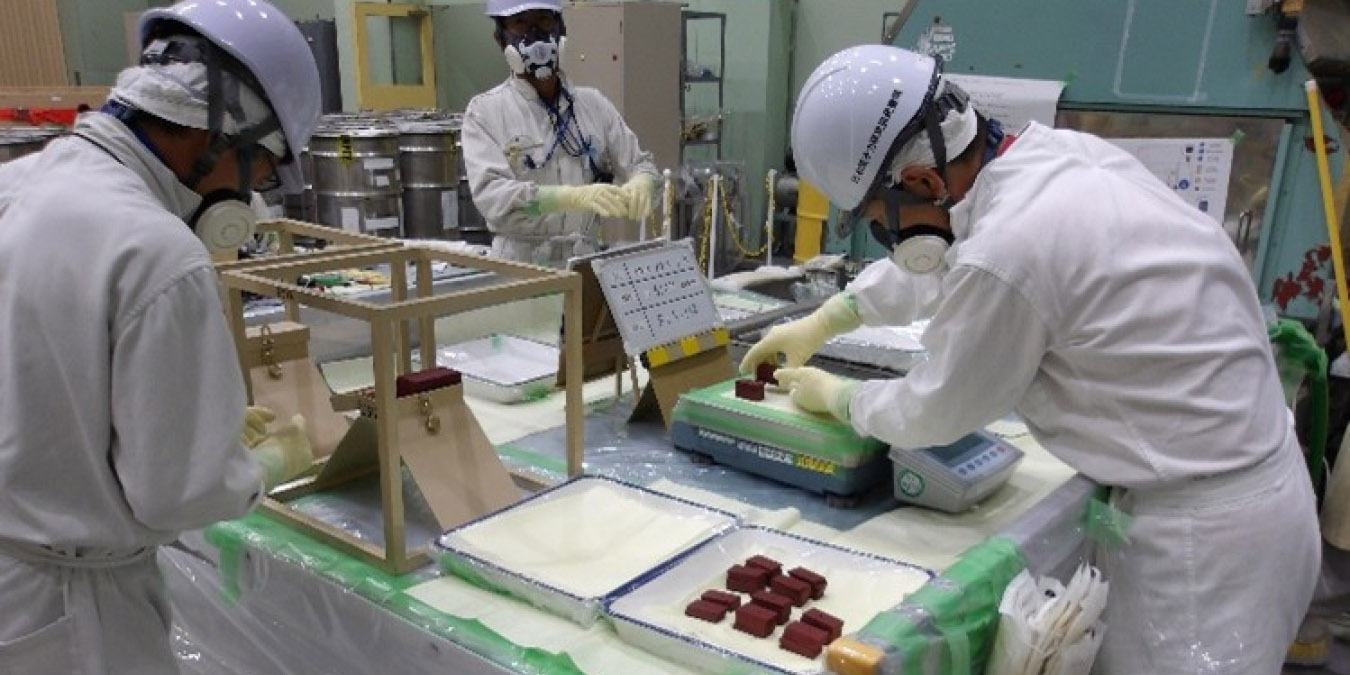
A team within the Office of Defense Nuclear Nonproliferation (DNN) in the Department of Energy’s National Nuclear Security Administration has worked with staff from the Venezuelan Institute for Scientific Research and the International Atomic Energy Agency to remove all remaining high-enriched uranium from Venezuela’s RV-1 research reactor, the NNSA has reported.
Members of the Japanese team package HALEU at Japan’s Fast Critical Assembly for shipment to the United States. (Photo: DOE/NNSA)
The Department of Energy’s National Nuclear Security Administration announced last week that it has transferred 1.7 metric tons of high-assay low-enriched uranium from Japan to the United States.
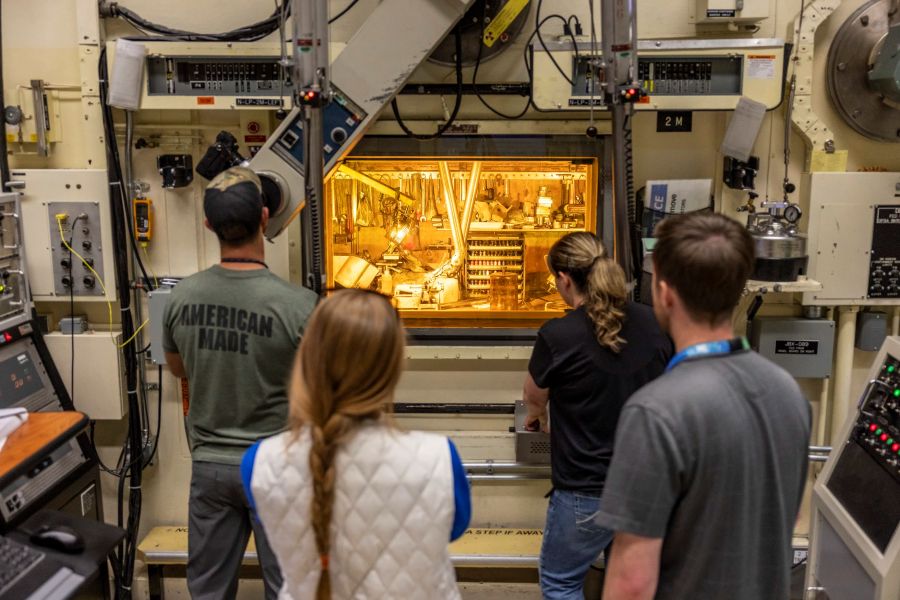
ANEEL fuel rodlets undergoing postirradiation examination at INL’s Hot Fuel Examination Facility. (Photo: Clean Core Thorium Energy)
Clean Core Thorium Energy has announced the completion of its nearly two-year ANEEL fuel irradiation testing and qualification campaign at Idaho National Laboratory.
The idea behind ANEEL (Advanced Nuclear Energy for Enriched Life) fuel is to provide existing pressurized heavy water reactors with a fuel option that has increased high-burnup performance without requiring any modification to the reactors.
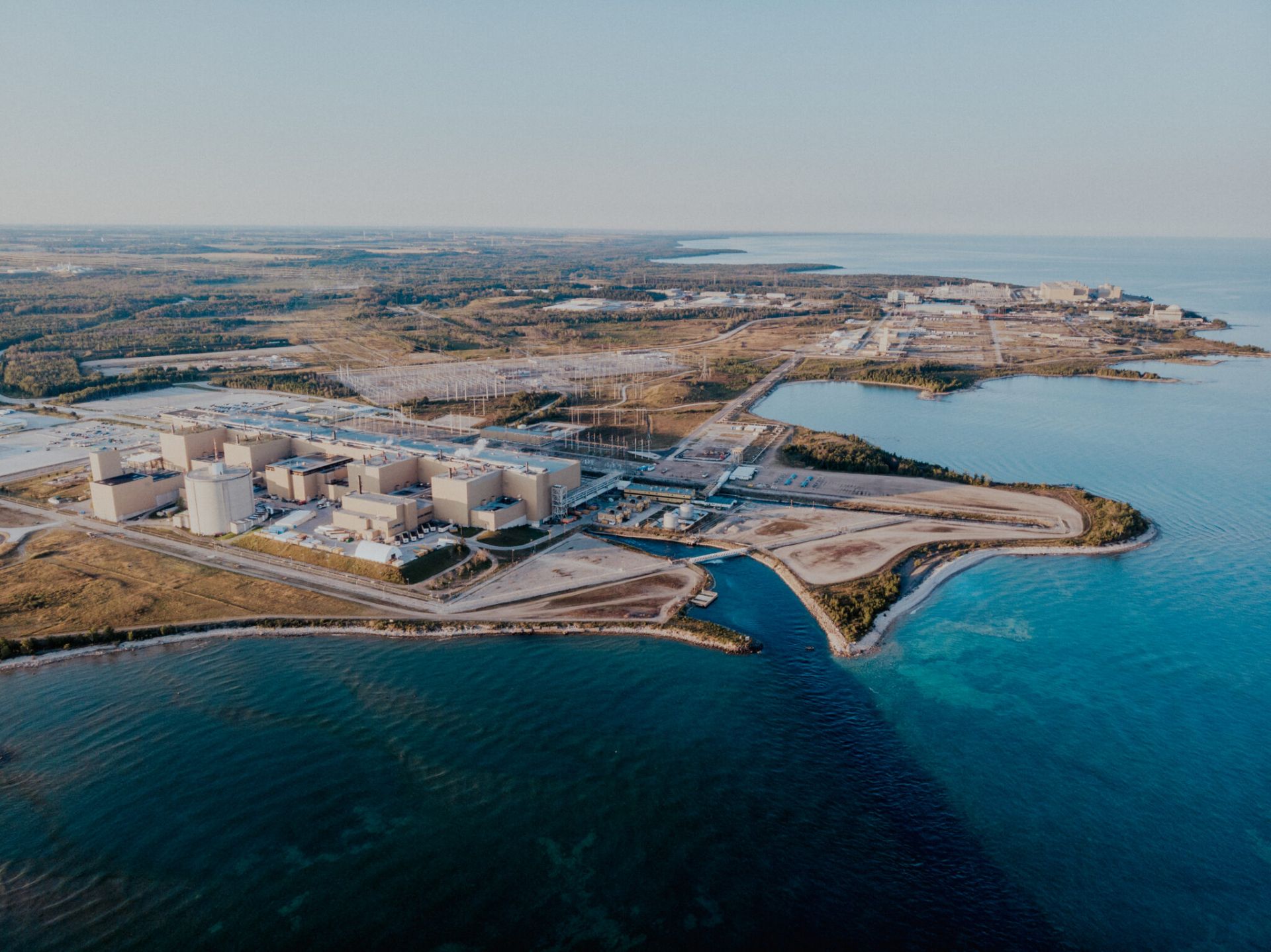
Bruce power plant in Ontario, Canada. (Photo: Bruce Power)
The Bruce C nuclear power plant expansion project in Ontario, Canada, moved one step closer to fruition last week with the May 7 announcement that Bruce Power and the provincial government of Ontario had entered into a cost-sharing and recovery agreement that could be worth C$300 million ($219.4 million).
Ontario has directed the province’s Independent Electricity System Operator (IESO) to enter into the agreement with Bruce Power so the Canadian utility can proceed with First Nations and community engagement, workforce planning, preconstruction and site preparation planning, and other critical activities that fall under predevelopment work. This work would be completed by 2030.
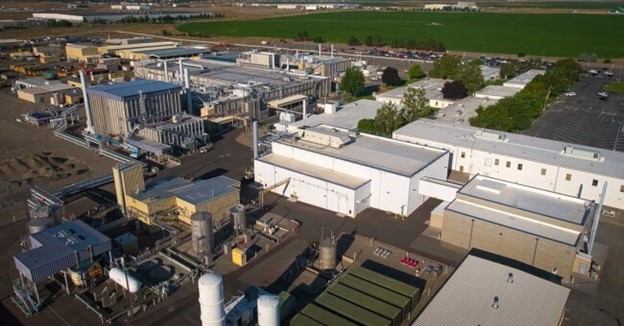
Framatome’s fuel fabrication facility in Richland, Wash. (Photo: Framatome)
Framatome announced this week that its nuclear fuel manufacturing facility in Richland, Wash., has received Nuclear Regulatory Commission approval for a license amendment supporting fabrication of nuclear fuel with enrichment levels above 5 percent uranium-235, with manufacturing scheduled to begin in 2027.
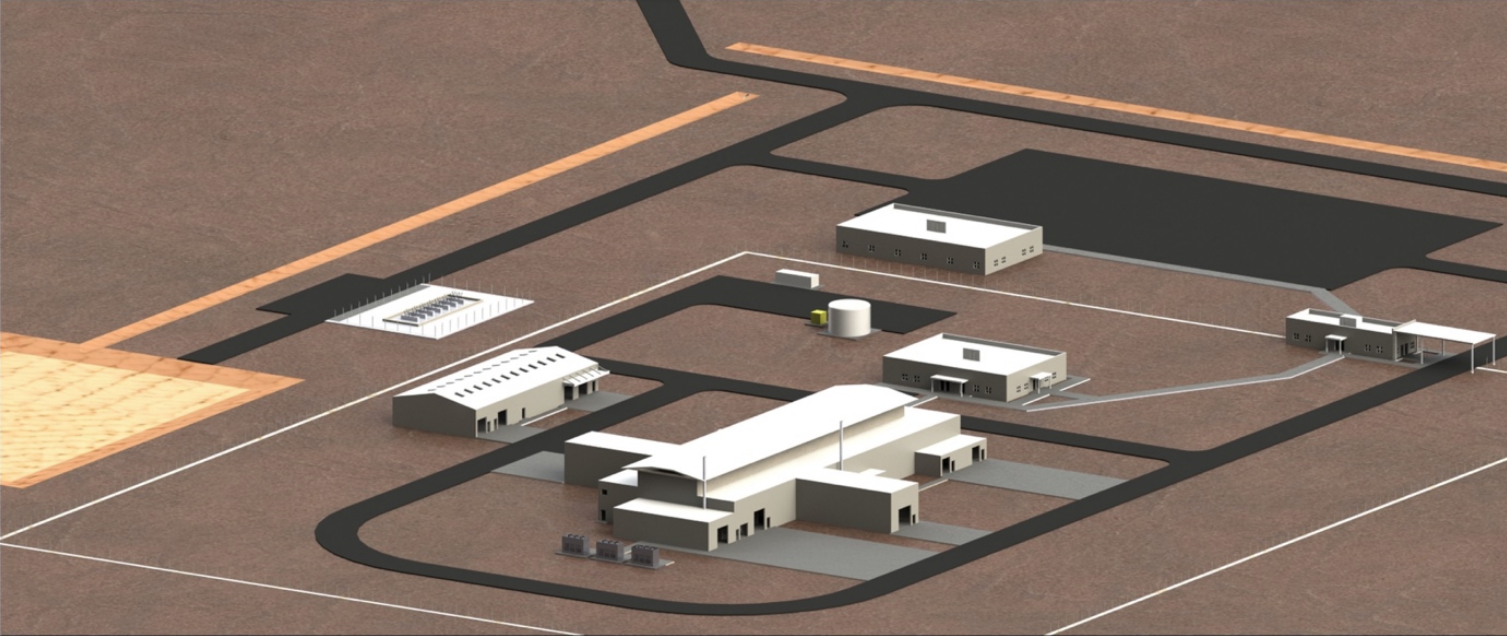
Eden isotope production complex site rendering. (Image: Eden)
Eden Radioisotopes has filed a construction permit application with the Nuclear Regulatory Commission for a facility to produce medical radioisotopes, primarily molybdenum-99 and lutetium-177.
The United States has lacked a reliable domestic source of Mo-99 for diagnostic imaging for decades, and has invested in infrastructure in South Africa, the Netherlands, and Belgium to assist facilities in producing the isotope using HALEU targets. These reactors are old, and there have been disruptions to the supply chain due to unplanned outages for repairs. With a 66-hour half-life, Mo-99 cannot be stockpiled.
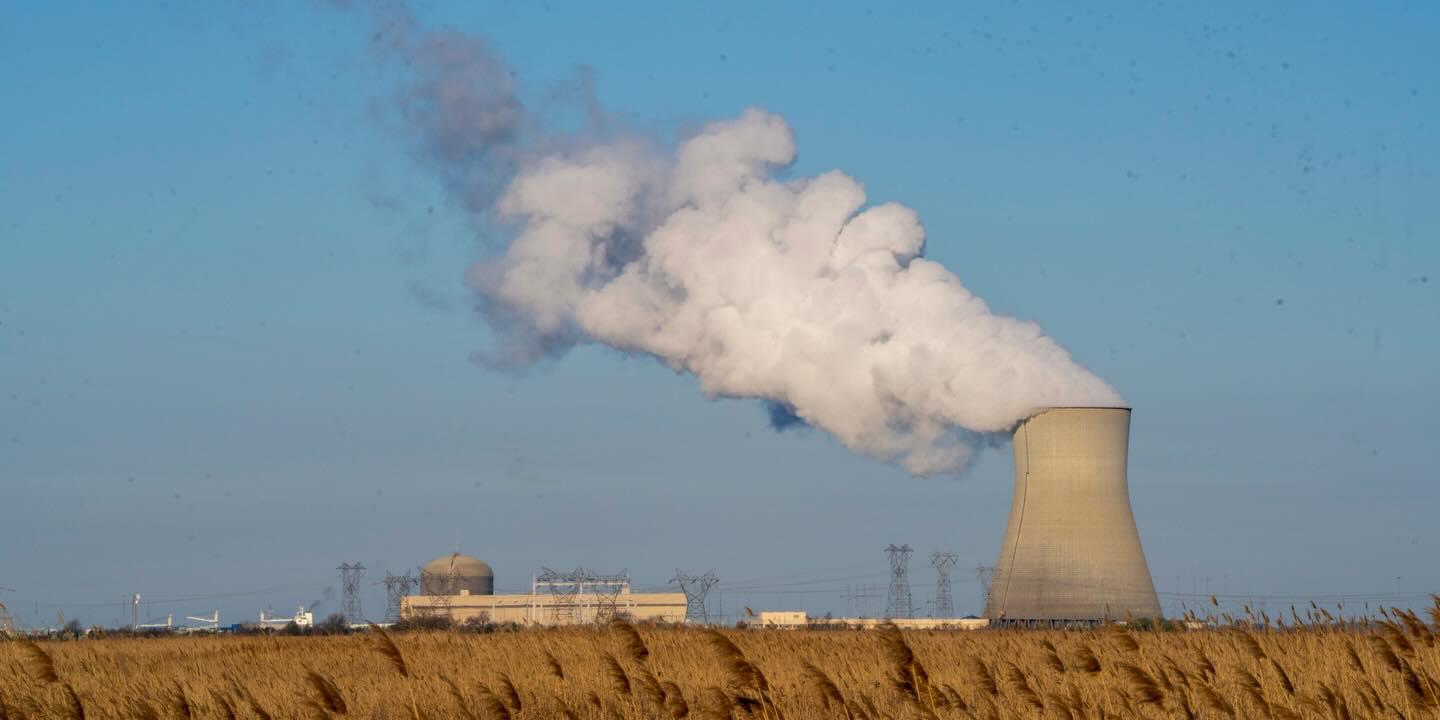
Cooling towers at the Hope Creek/Salem site. (Photo: Gov. Mikie Sherrill’s Office)
New Jersey’s two nuclear power plants, Hope Creek and Salem, may be joined by other nuclear facilities after lawmakers lifted the state’s de facto moratorium on new nuclear construction.
Gov. Mikie Sherrill said state officials are eyeing sites for potential nuclear facilities. Executives at PSEG Nuclear—the operators of Hope Creek and Salem—welcome the news of the growing momentum for nuclear power in the state but cautioned it will take more than lifting a moratorium to make this feasible.
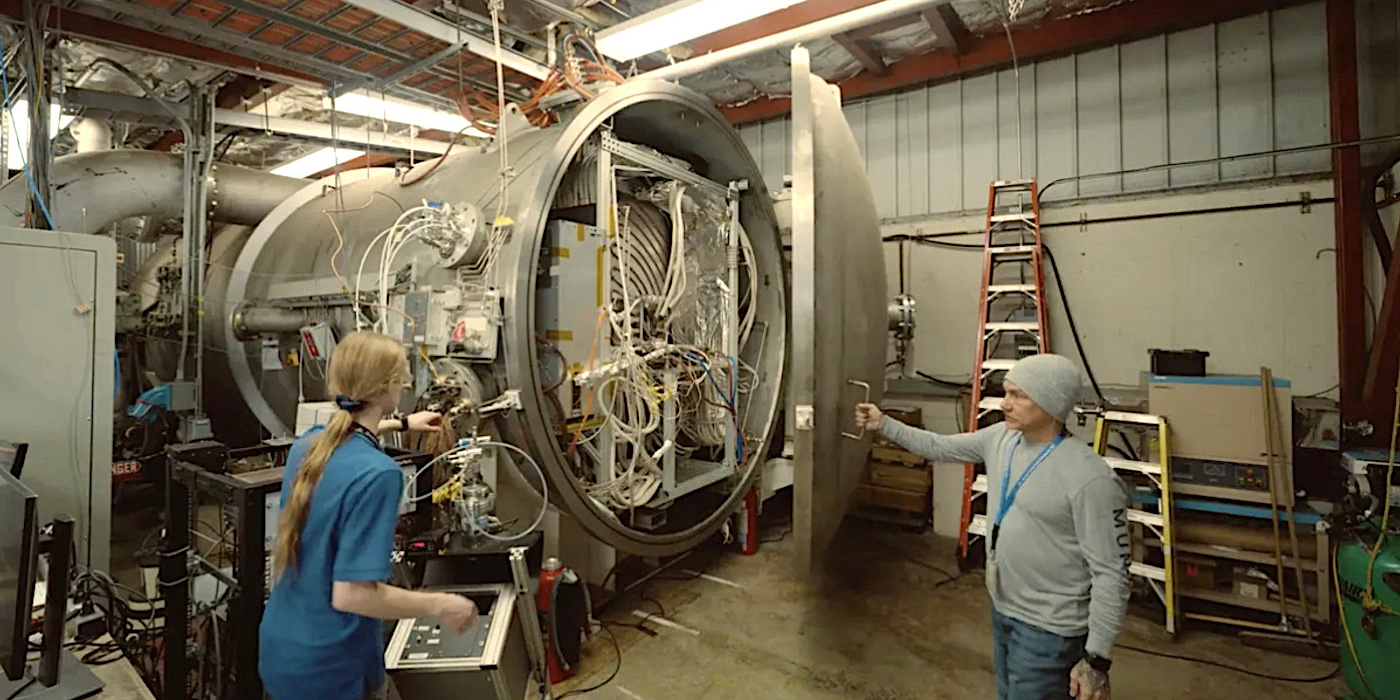
The Condensable Metal propellant (Comet) vacuum facility at NASA’s Jet Propulsion Laboratory, where the new lithium-fed ion engine was tested. (Photo: NASA/JPL-Caltech)
A new prototype ion engine known as a lithium-fed magnetoplasmadynamic (MPD) thruster has passed a crucial test at NASA. The space agency is hoping to eventually combine this technology with nuclear fission to produce power and thrust for lengthy space flights, such as a crewed mission to Mars.