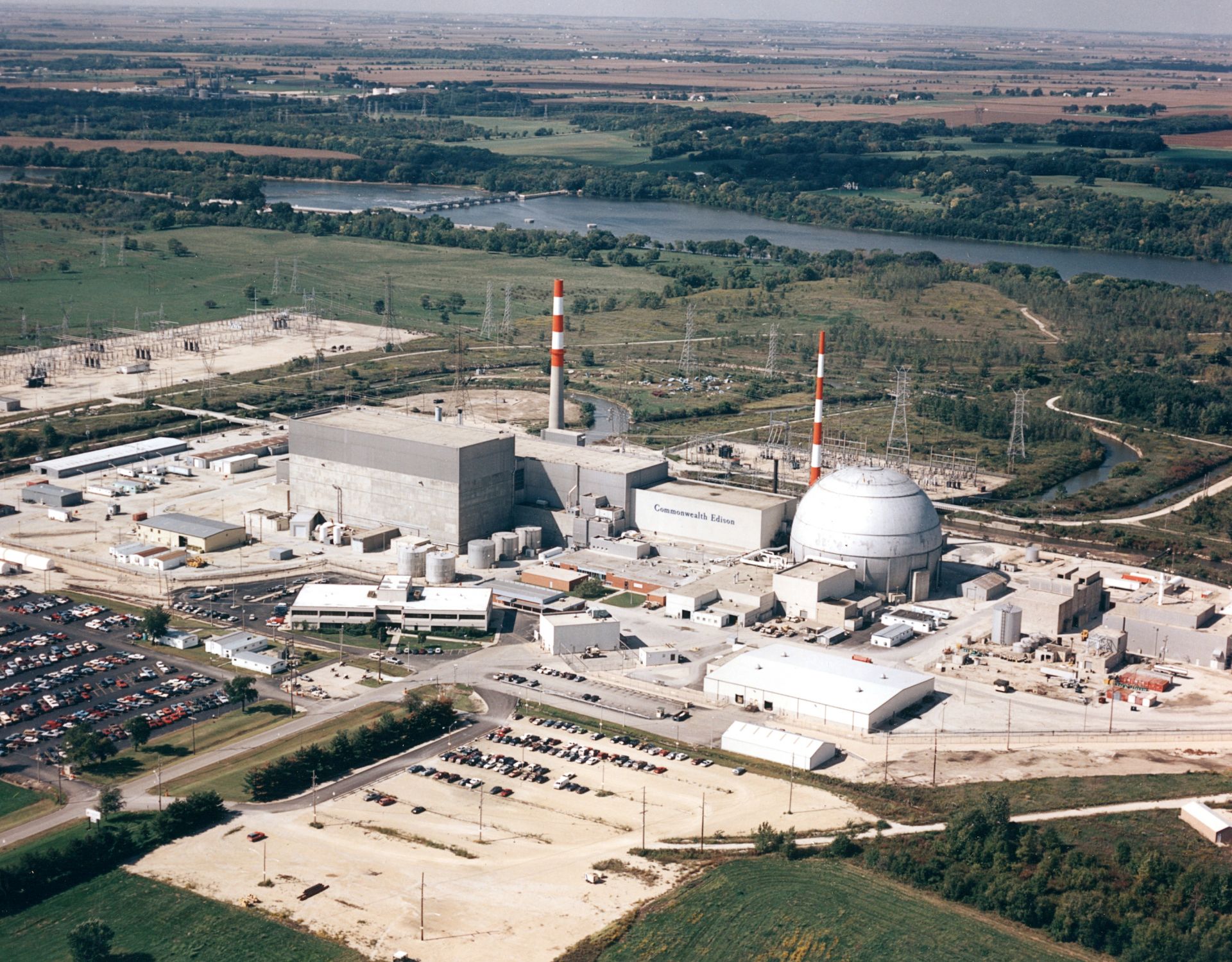
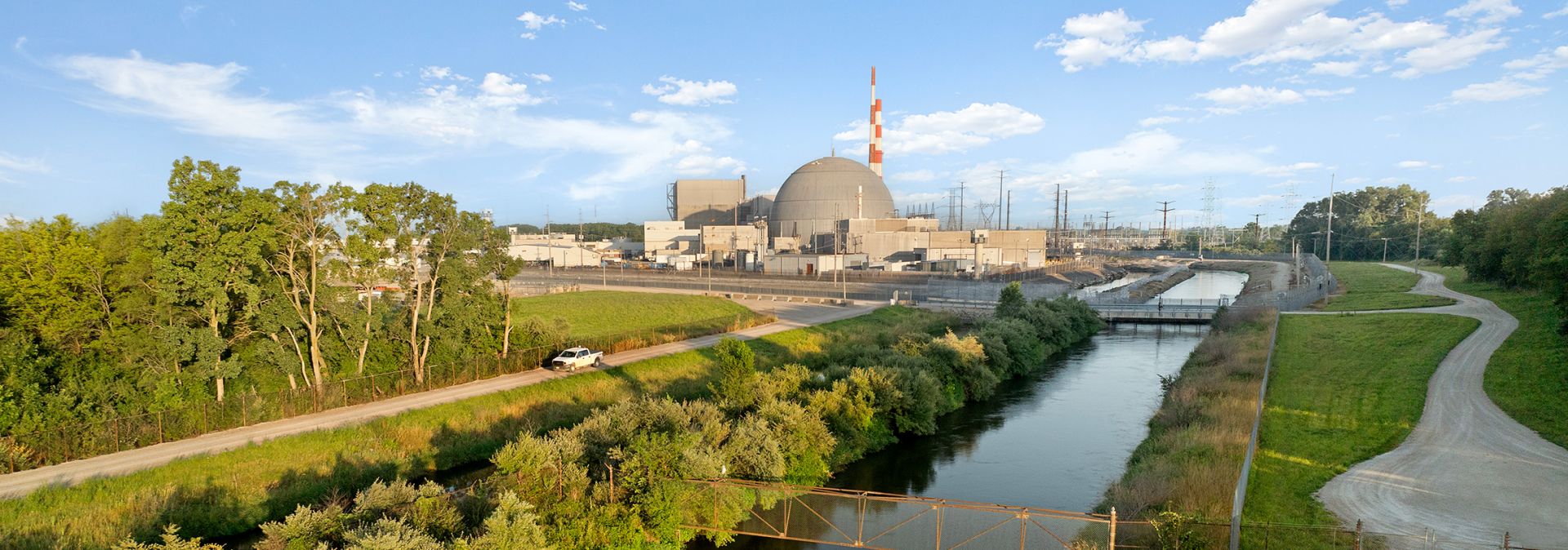
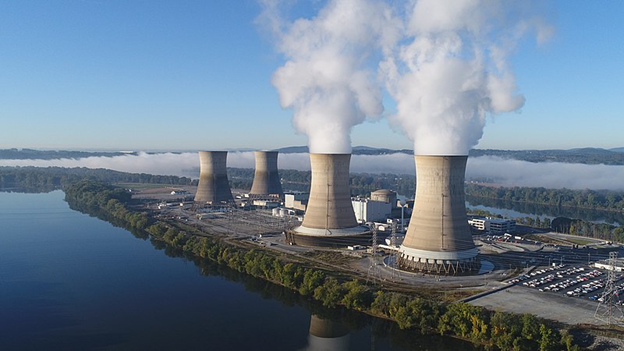
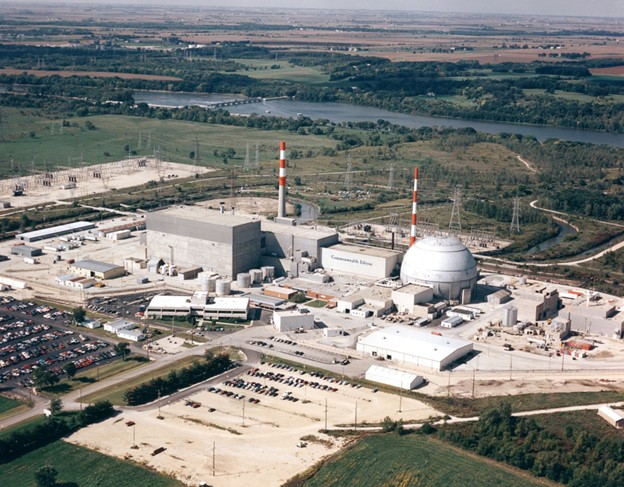
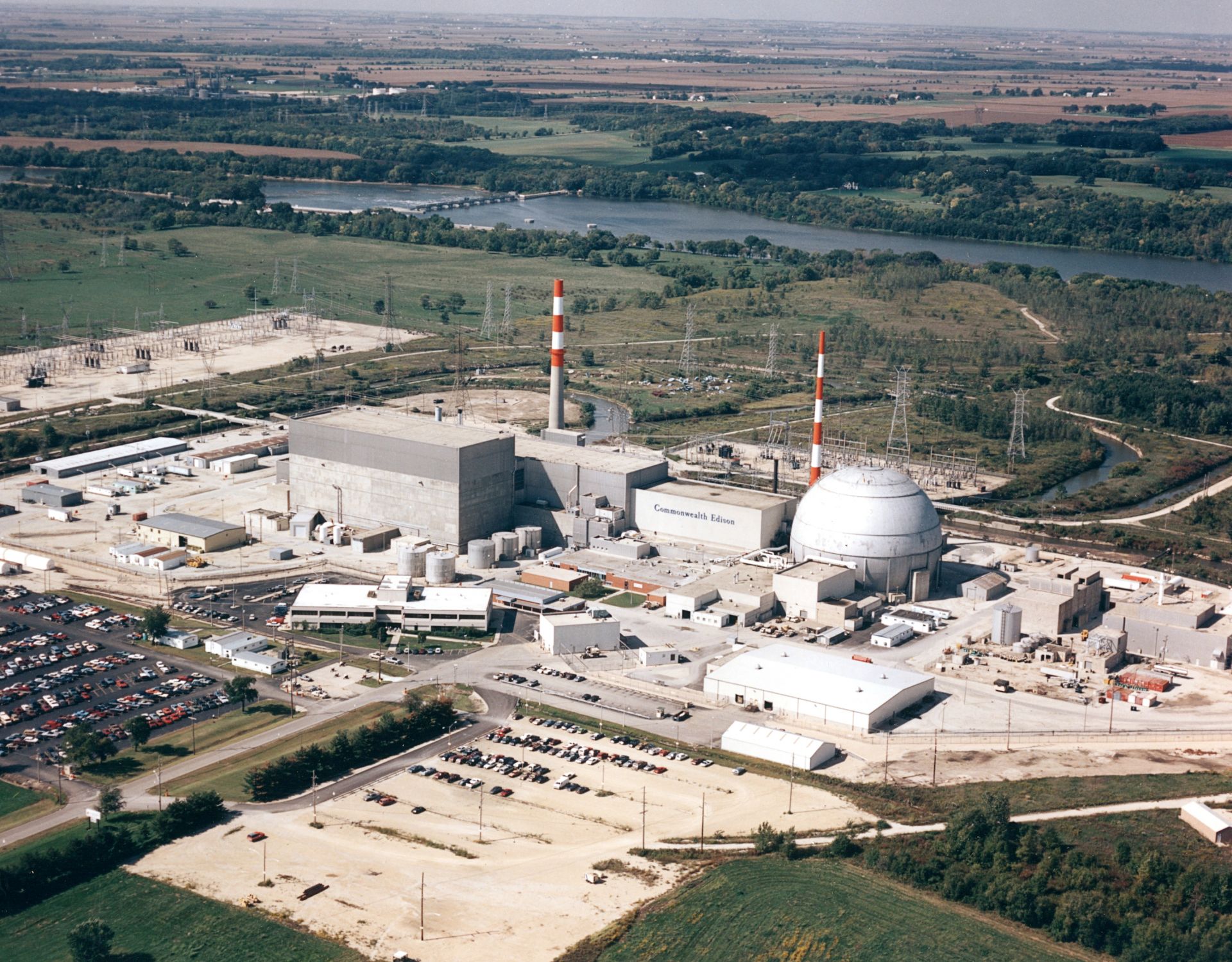
Dresden nuclear power plant. (Photo: Constellation)
Constellation signed new long-term power purchase agreements during the second quarter that will ultimately provide roughly 920 MW in nuclear power to these new partners.
These nuclear contracts were among the topics Constellation executives broached during the second-quarter earnings call, along with existing power generation, the Crane restart, and New York and Illinois’s nuclear energy plans.
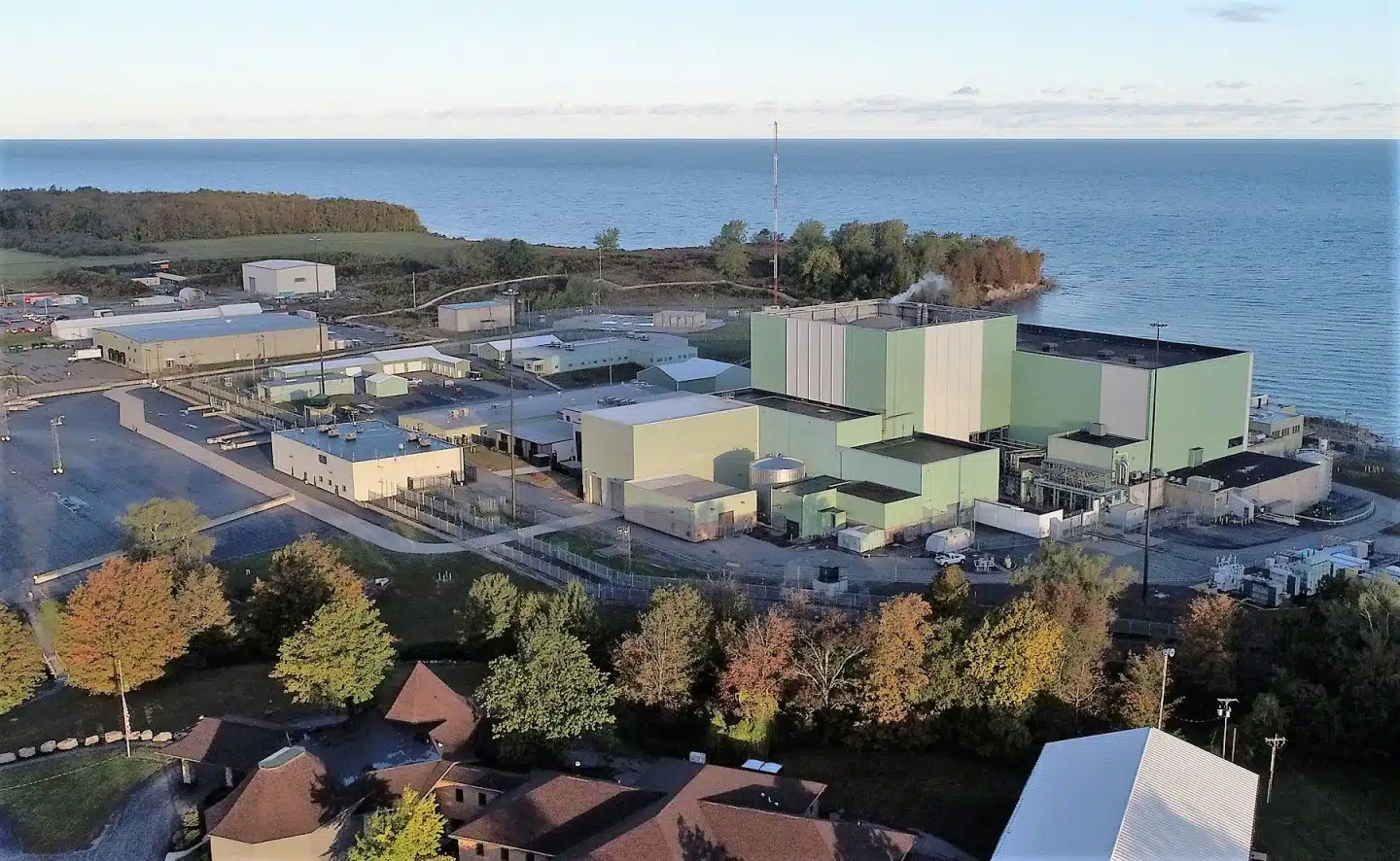
The Ginna nuclear power plant. (Photo: Constellation)
The Nuclear Regulatory Commission has accepted Constellation’s subsequent license renewal application to extend operations at the Ginna nuclear power plant by another 20 years.
If approved, the Ontario, N.Y., facility’s operating license would be extended through September 18, 2049. The plant was first issued a 40-year license in 1969, followed by a 20-year renewal in 2004 that extended the license into 2029.
Constellation’s Dresden nuclear power plant. (Photo: Constellation)
Yesterday, Constellation announced that it has entered into a long-term nuclear power purchase agreement (PPA) for 176 MW of electricity from its Dresden nuclear power plant. That PPA, which will also help facilitate a 30-MWe uprate, is providing power to an unusual partner: Walmart.
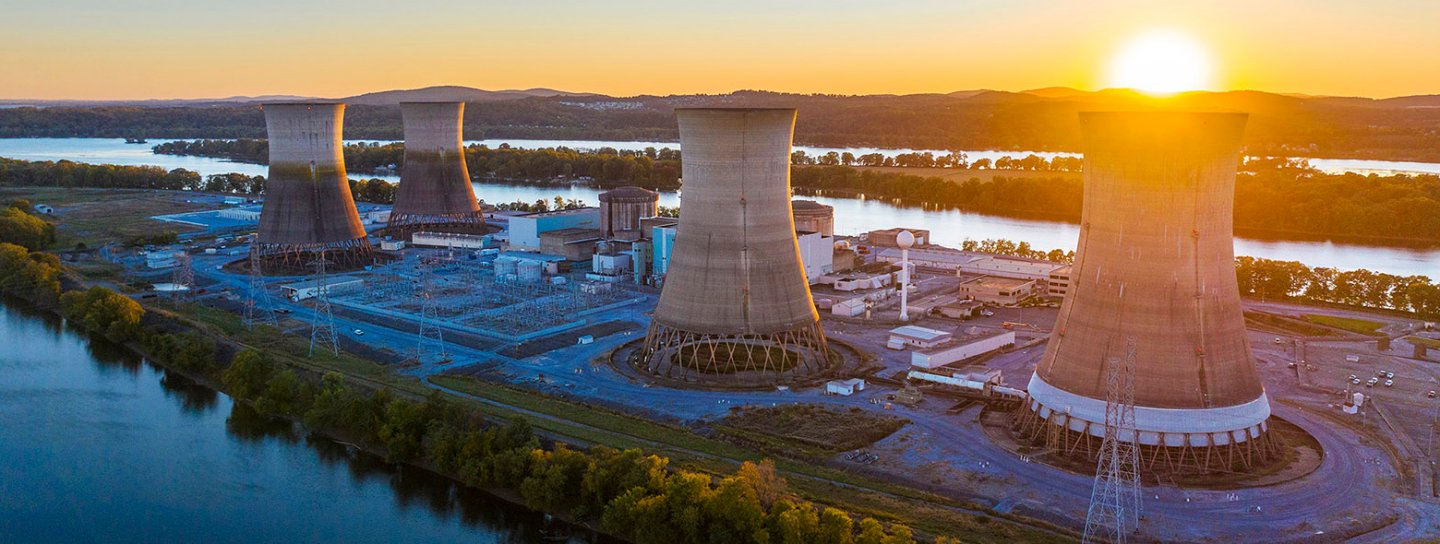
Crane nuclear power plant. (Photo: Constellation)
The Federal Energy Regulatory Commission has approved Constellation’s waiver request to transfer PJM capacity interconnection rights from one of its gas- and oil-powered plants to its Crane nuclear power plant (formerly Three Mile Island-1).
While Constellation executives previously said that an unsuccessful waiver request wouldn’t have prevented the Middletown, Pa., plant from restarting as soon as 2027, it could have impacted whether Crane could fully deliver power to the grid once it is on line. The decision, issued by FERC on June 1, likely helps facilitate Constellation’s path forward for the plant’s restart.
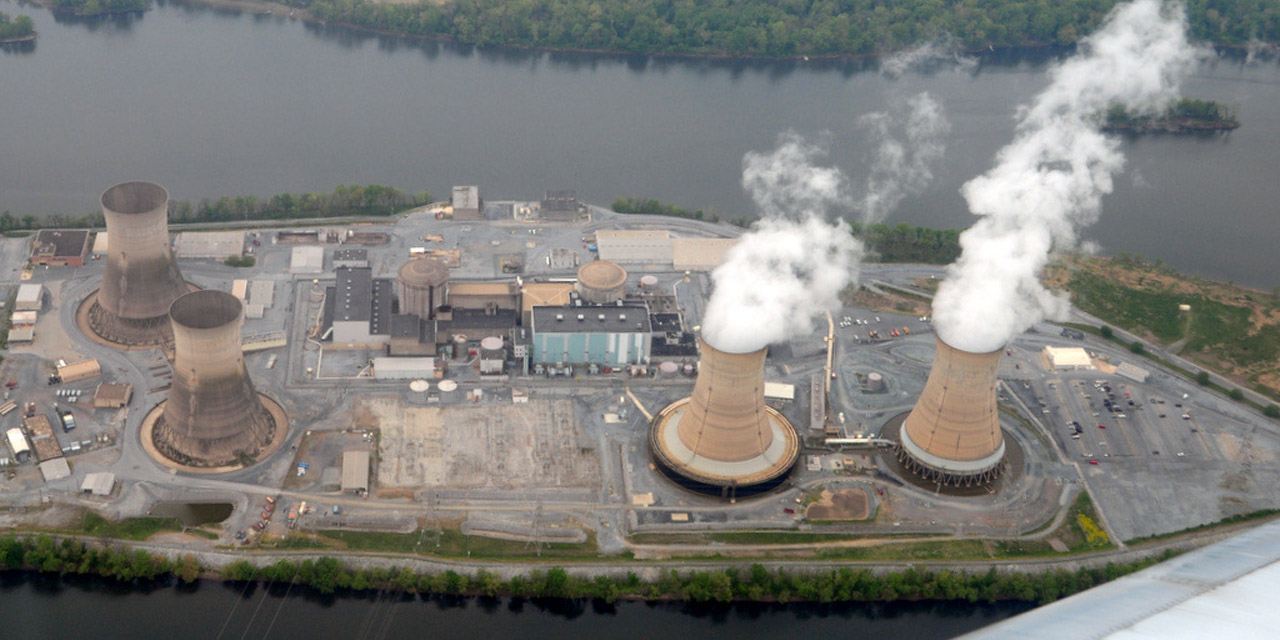
An aerial photo of Three Mile Island. (Photo: Constellation)
In a first quarter earnings call Monday, executives at Constellation said they should know in June or July the status of a request to the Federal Energy Regulatory Commission to transfer capacity interconnection rights from the company’s Eddystone gas- and-oil-powered plant in Pennsylvania to Crane nuclear power plant (formerly Three Mile Island-1).
Three Mile Island nuclear power plant before its shutdown in 2019. (Photo: Constellation Energy)
When the former Three Mile Island-1 restarts in 2027 as the Crane Clean Energy Center, it will not face a delay of several years before it can be reconnected to the grid, Constellation CEO Joseph Dominguez said this week.
Among the items that emerged on Constellation and the Crane restart in Middletown, Pa., during last week’s CERAWeek energy conference was a Reuters report on an analysis from electric grid provider PJM suggesting the plant may not be connected to the grid until 2031.
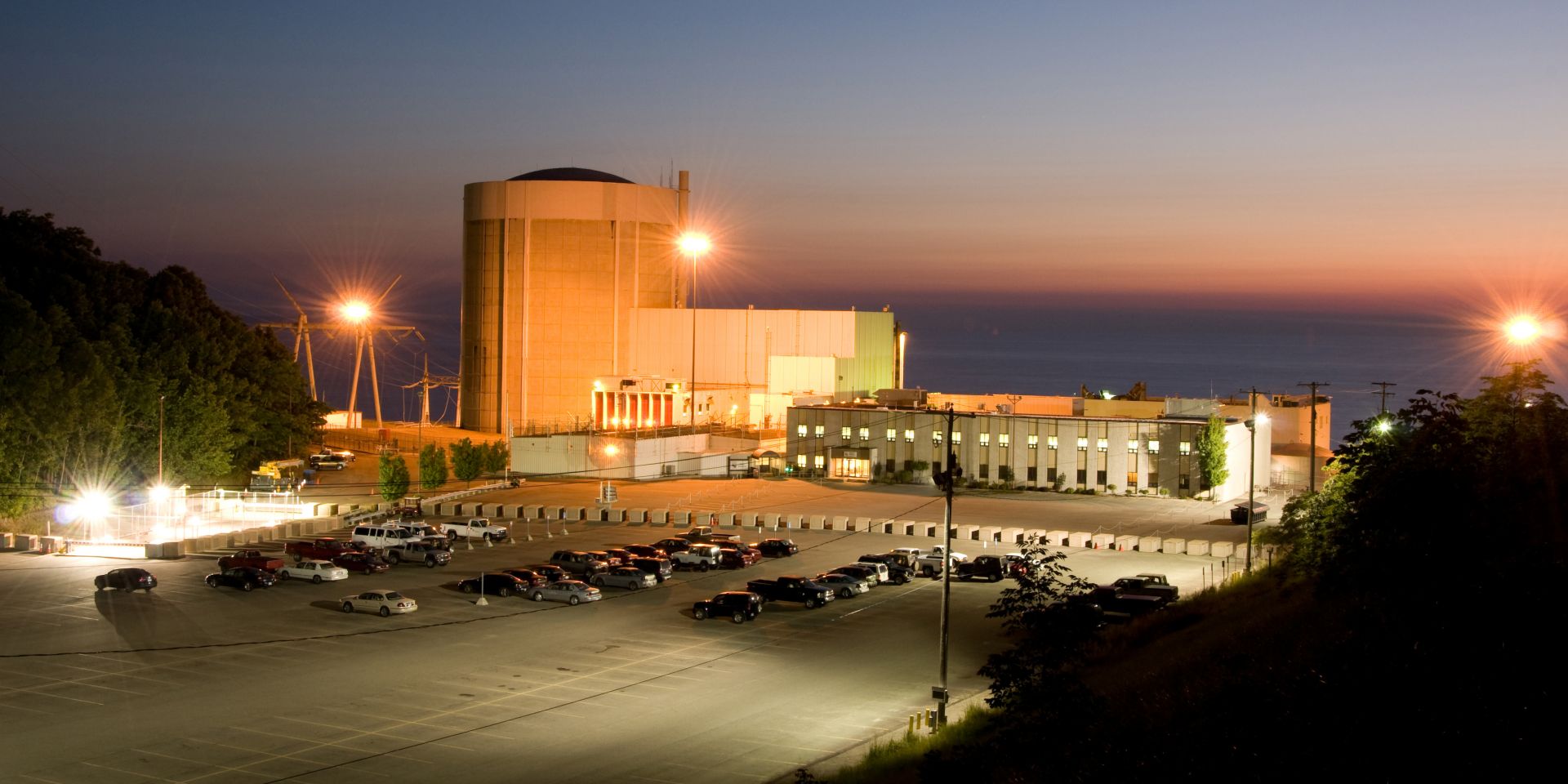
The Palisades nuclear power plant in Covert Township, Mich. (Photo: Holtec)
At last week’s Regulatory Information Conference, Jamie Pelton cochaired a panel on Palisades nuclear power plant’s restart—a “historic restart,” as she put it.
Her choice of words was perhaps an understatement. After all, no U.S. nuclear plant has yet restarted after being slated for decommissioning.
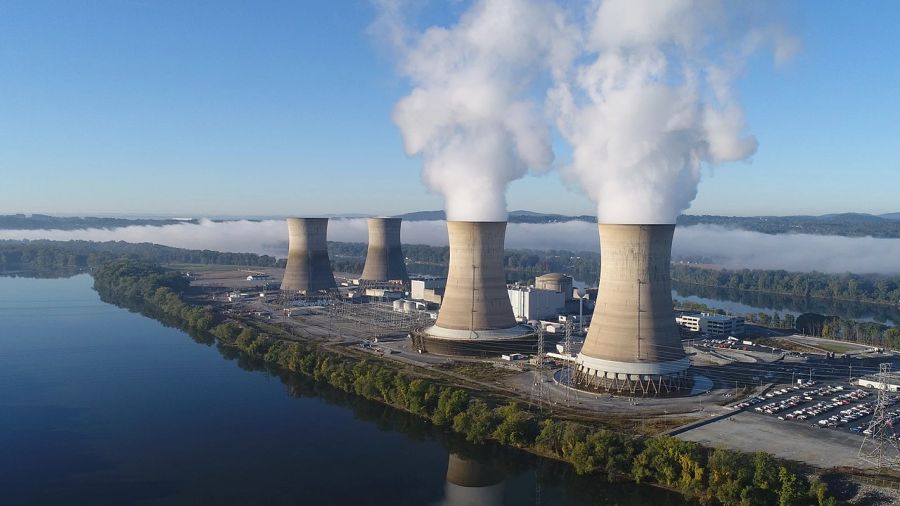
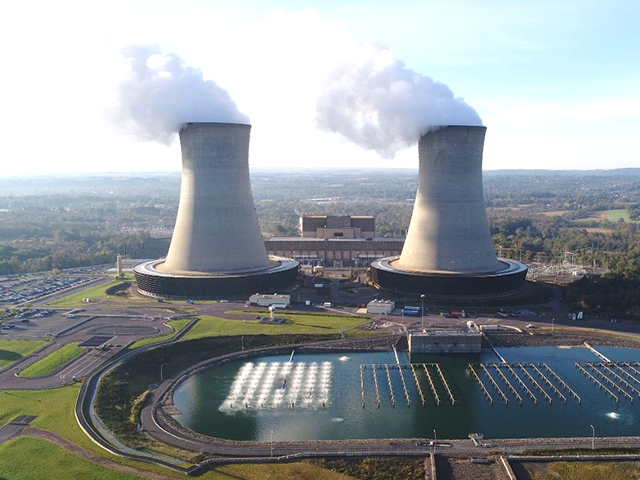
The cooling towers of Three Mile Island, with TMI-2 in the background and Crane in the foreground. (Photo: Constellation Energy)
Constellation has submitted an application with the Nuclear Regulatory Commission requesting three amendments to its renewed facility license to support the potential restart of Crane nuclear power plant (formerly Three Mile Island-1).
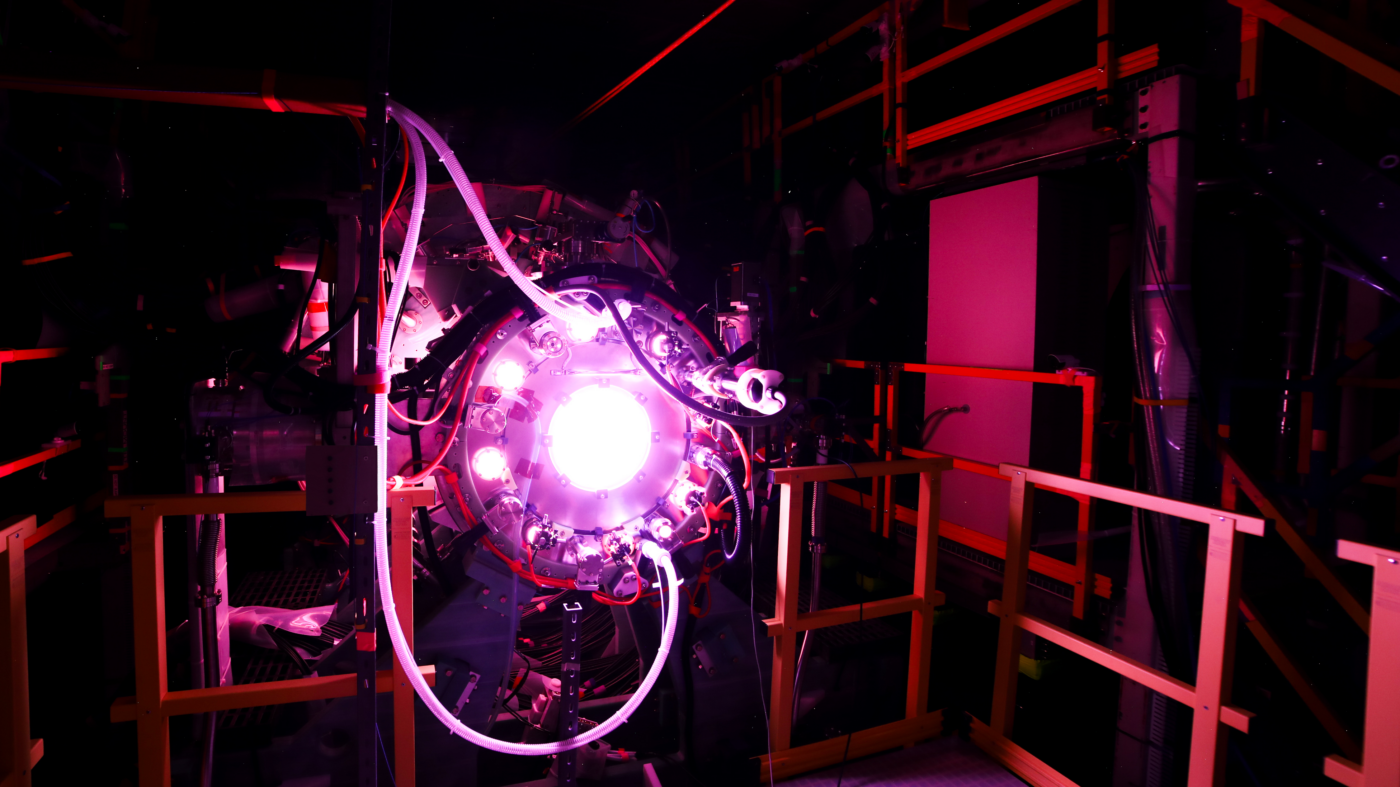
Helion Energy’s 7th-generation prototype, Polaris. (Photo: Helion Energy)
Two start-ups working to commercialize fusion energy made headlines last week. Helion Energy announced that its Polaris prototype fusion energy machine recently demonstrated measurable deuterium-tritium fusion and achieved a plasma temperature of 150 million degrees Celsius (MºC). Newcomer Inertia Enterprises announced that it has raised $450 million in its Series A fundraising round.
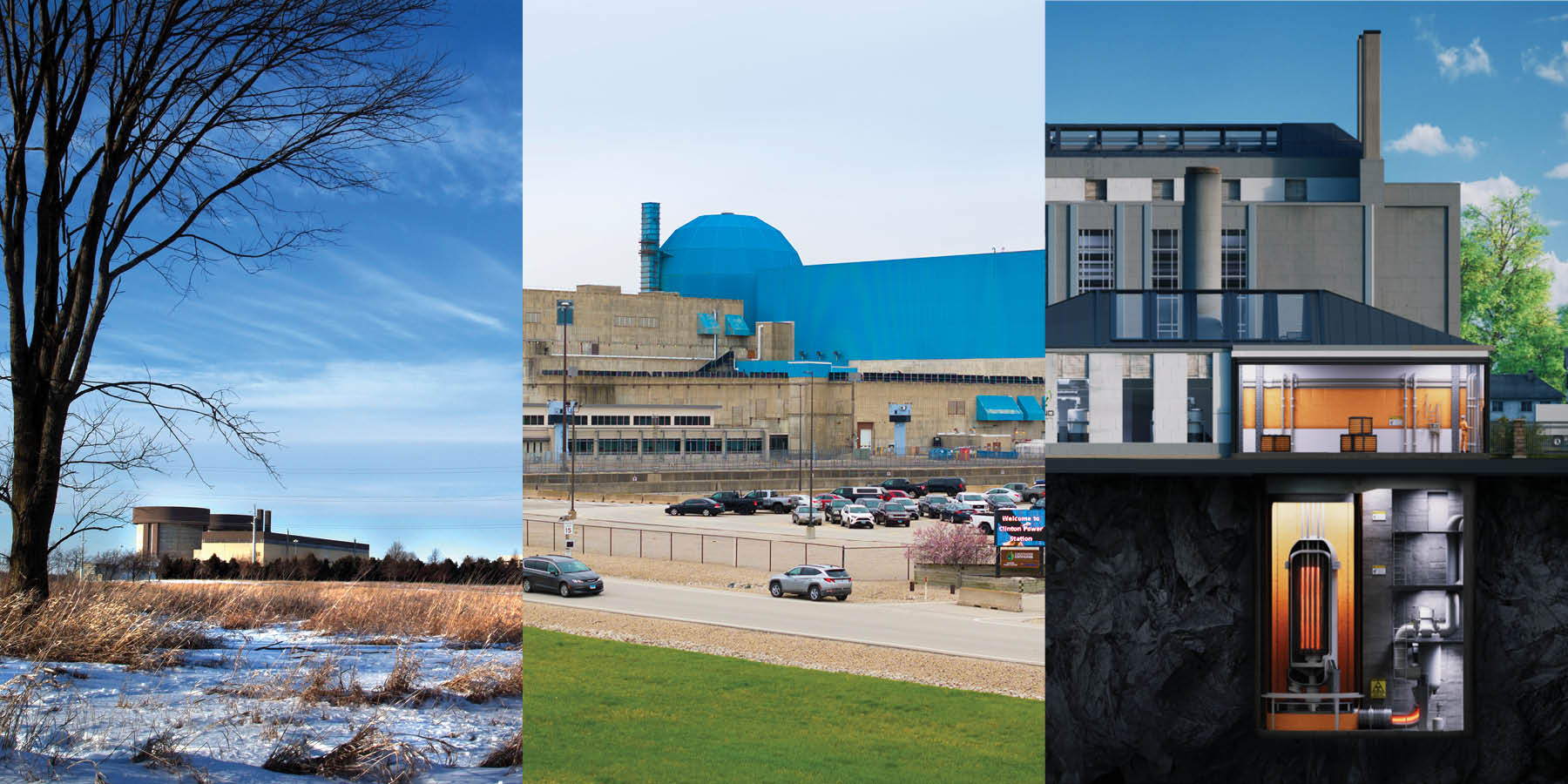
From left: Byron (Photo: Constellation), Clinton (Photo: Constellation), and a rendering of the Kronos reactor planned for the University of Illinois–Urbana-Champaign. (Image: Nano Nuclear)
Nuclear is enjoying a bit of a resurgence. The momentum for reliable energy to support economic development around the country—specifically data centers and AI—remains strong, and strongly in favor of nuclear. And as feature coverage on the states in the January 2026 issue of Nuclear News made abundantly clear, many states now see nuclear as necessary to support rising electricity demand while maintaining a reliable grid and reaching decarbonization goals.
Constellation's Limerick nuclear power plant. (Photo: Constellation Energy)
The Nuclear Regulatory Commission has amended the operating licenses of the two boiling water reactors at Constellation Energy's Limerick nuclear power plant, giving the company the green light to replace the units' analog safety-related instrumentation and controls systems with a state-of-the-art digital system.
The Dresden nuclear power plant in Grundy County, Illinois. (Photo: Constellation Energy)
Three commercial power reactors across two Illinois nuclear power plants—Constellation’s Clinton and Dresden—have had their licenses renewed for 20 more years by the Nuclear Regulatory Commission.
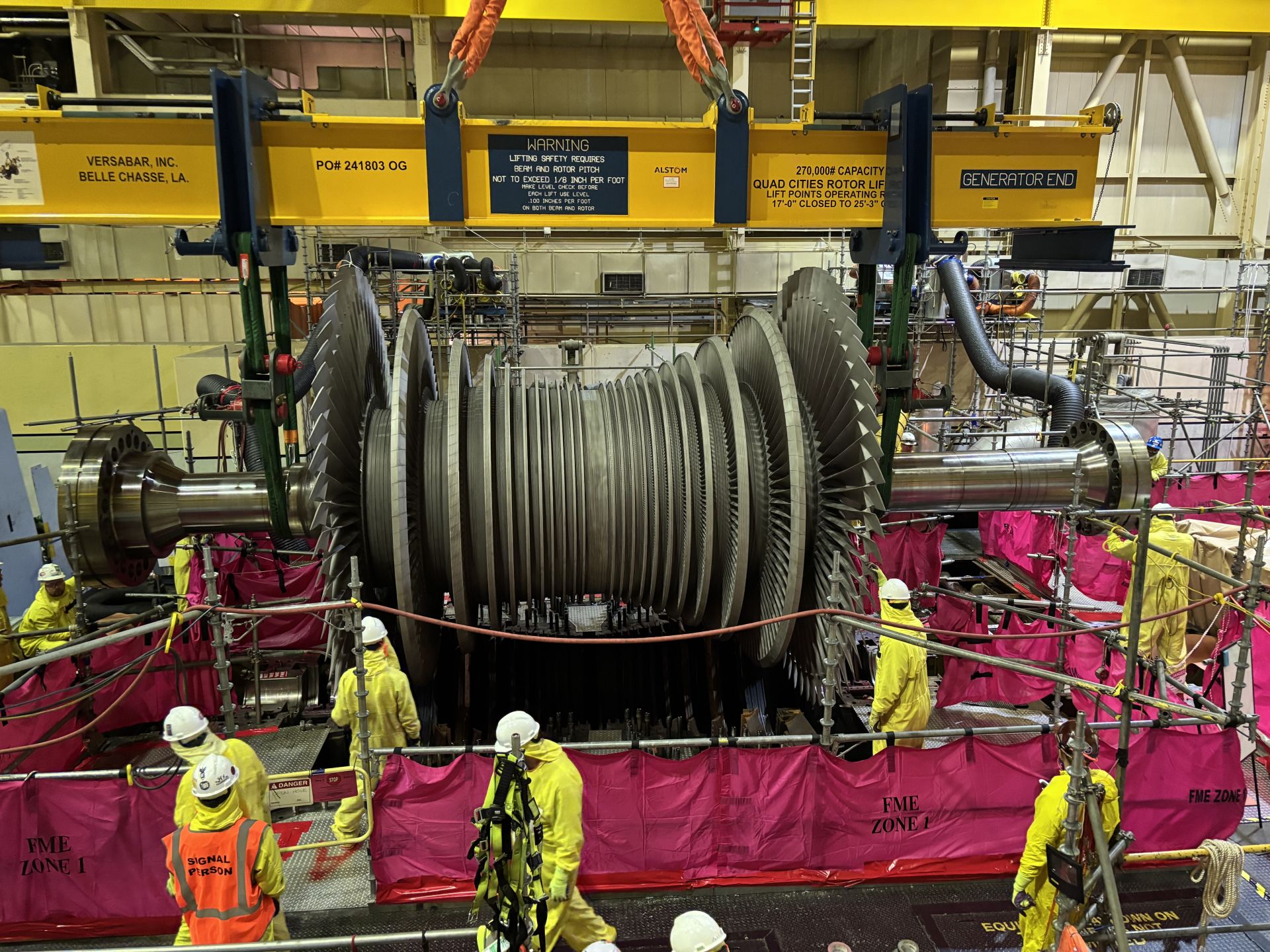
December 12, 2025, 2:59PMNuclear NewsSteve Myers and Bill Campbell A low-pressure turbine inspection in progress at Quad Cities-2 in the spring of 2024. The last-stage blades under inspection are at each end of the turbine rotor. (Photo: Constellation)
When Constellation decided to install replacement Alstom low-pressure turbines at three of its boiling water reactor plants more than 15 years ago, one benefit was knowing the new turbines should operate reliably—and without major inspections—for several years.
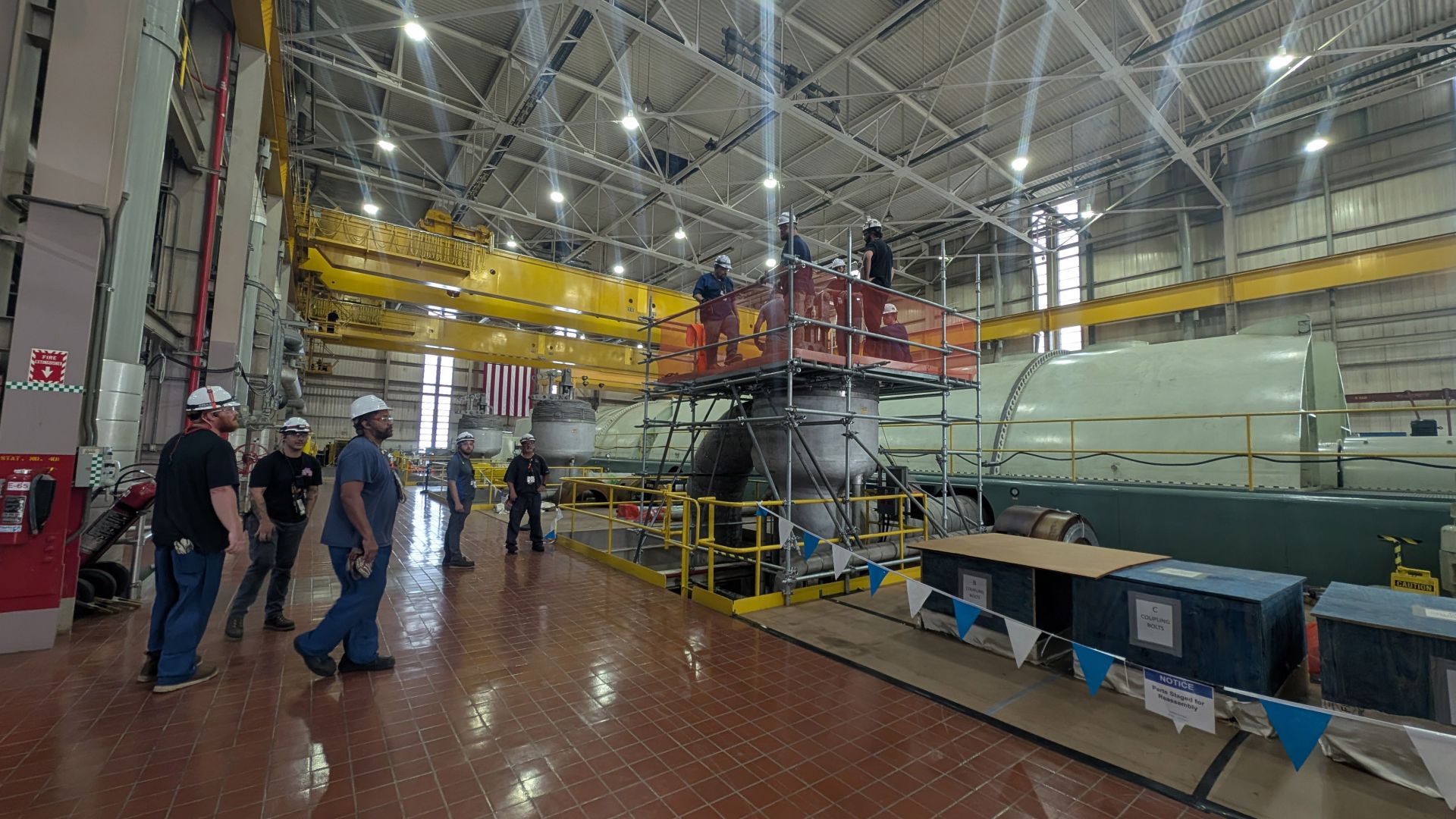
This summer, turbine specialists inspected and restored the Crane Clean Energy Center’s approximately 800-ton main turbine. (Photo: Constellation)
Mike Kramer has a background in finance, not engineering, but a combined 20 years at Exelon and Constellation and a key role in the deals that have Meta and Microsoft buying power from Constellation’s Clinton and Crane sites have made him something of a nuclear expert.
Kramer spoke with Nuclear News staff writer Susan Gallier in late August, just after a visit to Clinton in central Illinois to celebrate a power purchase agreement (PPA) with Meta that closed in June. As Constellation’s vice president for data economy strategy, Kramer was part of the deal-making—not just the celebration.
Mike Goff (center left), the DOE’s acting assistant secretary for nuclear energy, poses with this year’s ISOP Innovation Award winners. From left, Jim Tusar, Constellation; Pete Mrvos, Blue Waves; Jonathan Nistor, Blue Wave; Aaron Phillippe, Southern Nuclear; and Jeremy Barnhart, Constellation. (Photo: Blue Wave)
The International Atomic Energy Agency presented its 2025 Global ISOP Innovation Award for AI to Blue Wave AI Labs, Constellation, and the Southern Company subsidiary Southern Nuclear for the companies’ collaborative work on Blue Wave's ThermalLimits.ai. The technology is an AI application that provides accuracy in online thermal limit forecasting for boiling water reactors.
The Dresden nuclear power plant. (Photo: Constellation Energy)
The Nuclear Regulatory Commission has found that the environmental impacts of renewing the operating license of the Dresden nuclear power plant outside Chicago, Ill., for an additional 20 years are not great enough to prohibit doing so.