The human factor in licensing and operating the next generation of nuclear plants
July 17, 2026, 4:17PMNuclear NewsStephanie Morrow and Niav Hughes Green
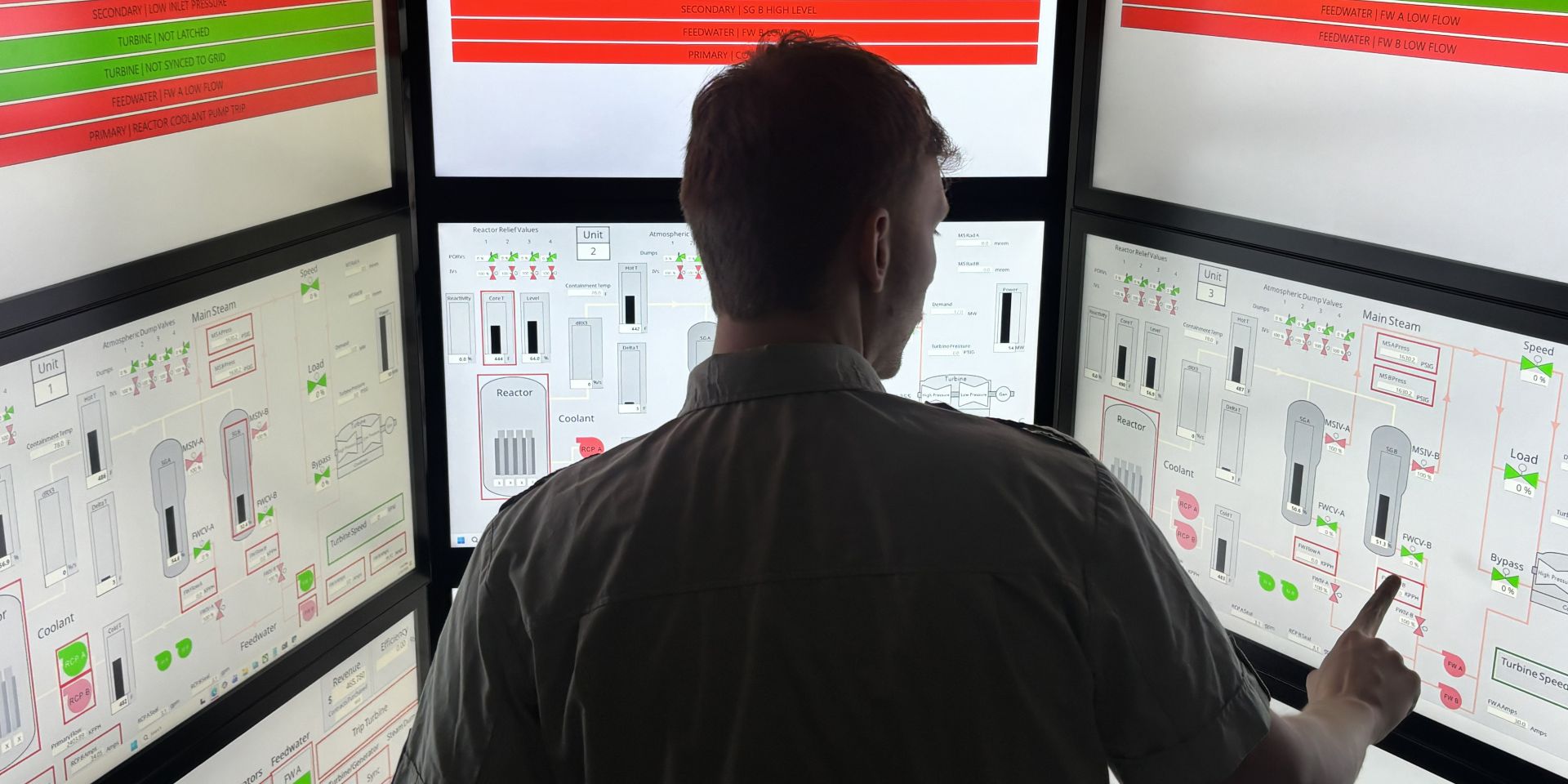
Multipanel touchscreen displays showing reactor system indicators and alarms used for human factors research. (Photo: NRC)

As human factors specialists working at the intersection of human performance and nuclear operations, we are witnessing one of the nuclear sector’s most significant transitions in decades. The emergence of small modular reactors, microreactors, and other advanced designs is reshaping the industry’s landscape. Digital instrumentation and controls, passive safety systems, and increased automation are creating opportunities for greater safety margins and more flexible operation. These same features also fundamentally redefine what it means to “operate” a nuclear plant. Interactions among human roles, automation, and passive systems shape how people maintain awareness, exercise judgment, and intervene when necessary. These developments affect both operational realities and the regulatory foundations on which nuclear safety is built.

NRC dockets construction permit for Dow, X-energy SMR

May 15, 2025, 7:01AMNuclear News
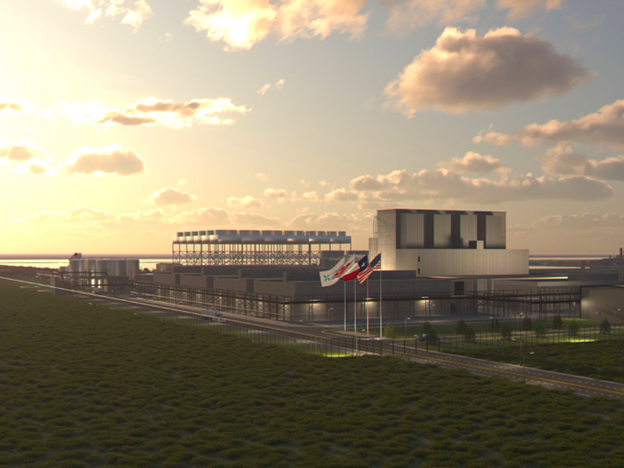
Rendering of the Dow plant in Seadrift, Texas. (Source: X-energy)

The Nuclear Regulatory Commission has accepted Dow’s construction permit application to build an X-energy small modular reactor in Seadrift, Texas.

Securing the advanced reactor fleet

May 17, 2024, 3:00PMNuclear NewsBen Cipiti, Katya Le Blanc, and Cory Hatch

Physical protection accounts for a significant portion of a nuclear power plant’s operational costs. As the U.S. moves toward smaller and safer advanced reactors, similar protection strategies could prove cost prohibitive. For tomorrow’s small modular reactors and microreactors, security costs must remain appropriate to the size of the reactor for economical operation.

Developing a new regulatory framework for advanced reactors: Update on Part 53

May 3, 2024, 7:01AMNuclear News

White

The American Nuclear Society’s Risk-informed, Performance-based Principles and Policy Committee (RP3C) on March 29 held another presentation in its monthly Community of Practice (CoP) series. The presenter, Patrick White with the Nuclear Innovation Alliance (NIA), talked about the current status of efforts to develop a new regulatory framework for advanced reactors—known as 10 CFR Part 53 or simply Part 53. White serves as the research director of the NIA, where he leads their research as well as analysis-based stakeholder and policymaker engagement and education. White’s March 29 presentation is publicly available on YouTube and at ANS’s publication platform Nuclear Science and Technology Open Research (NSTOR).

RP3C chair N. Prasad Kadambi opened the CoP with brief introductory remarks about the RP3C before he welcomed White as the session’s presenter.

White covered three main topics: the history of the existing regulatory frameworks for new reactors, progress to date on the development of the Part 53 rule for advanced reactors, and the current status and next steps for the Part 53 rulemaking process.

Results of advanced nuclear survey released

September 21, 2021, 9:30AMNuclear News

The U.S. Nuclear Industry Council has released the results of its 2021 Advanced Nuclear Survey.

The results, issued late last month, include information from 17 USNIC-member advanced nuclear developers on topics such as federal and state policies, types of reactors in development, U.S./Canadian licensing, need for control room operators, Nuclear Regulatory Commission fees, Department of Energy programs, and high-assay low-enriched uranium (HALEU). In addition, 24 companies (the 17 member firms plus seven nonmember firms) provided their perspectives on the NRC’s planned 10 CFR Part 53 regulation of advanced reactors.

ANS forms advanced reactors working group

March 5, 2021, 12:00PMANS News

Nesbit

Knowing that many ANS members are heavily involved in the development and regulatory oversight of advanced reactors, ANS Vice President/President-elect Steve Nesbit envisioned a place where members involved in the field could pool their resources, exchange ideas, and support interactions with other organizations and government agencies.

Nesbit’s vision is becoming a reality with the formation of the ANS Advanced Reactor Group. For now, it is housed within the Operations and Power Division, but the ARG will be open to other divisions as well. In fact, OPD chair Piyush Sabharwall said that input from across the ANS membership is essential for the group.