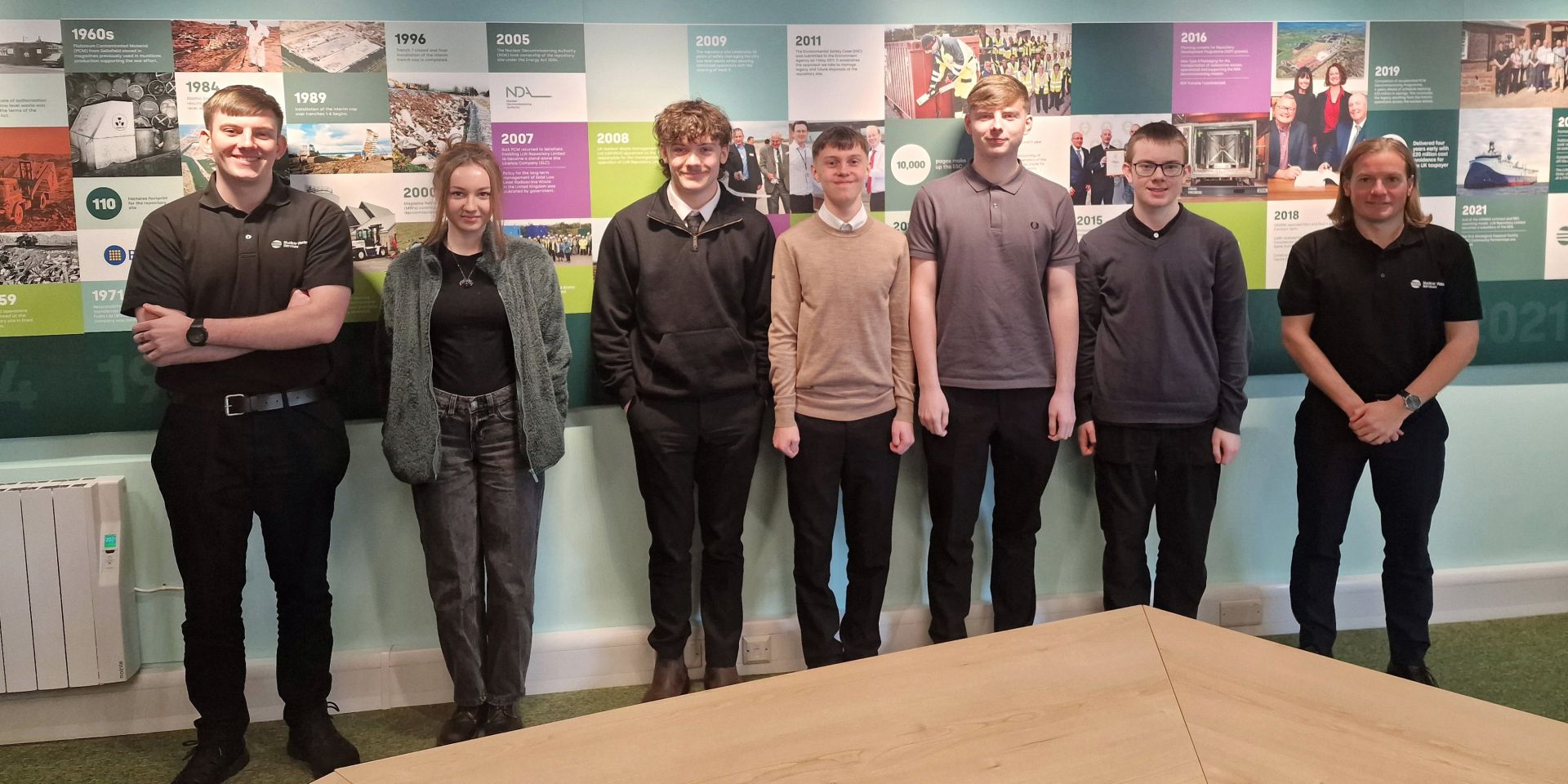
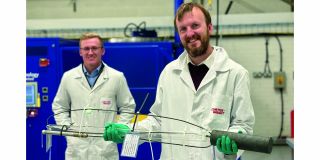
NWS scientific apprentice Teddy (left) and senior lead in customer management and expert support Howard (right) flank the five Dream Placement 2025 student participants. The students are (from left) Amelia, Elijah, Cole, Joseph, and Will. (Photo: NWS)
Earlier this year, Nuclear Waste Services, the radioactive waste management subsidiary of the U.K. Nuclear Decommissioning Authority, hosted a group of five teenagers for a week of exposure to real-world work environments at its facilities in Calderbridge, Cumbria. The students learned about career opportunities and leadership responsibilities at the company while they engaged with senior management and performed activities with several NWS teams, including employees in the environmental, waste characterization, cybersecurity, human resources, and geological disposal facility grants departments.
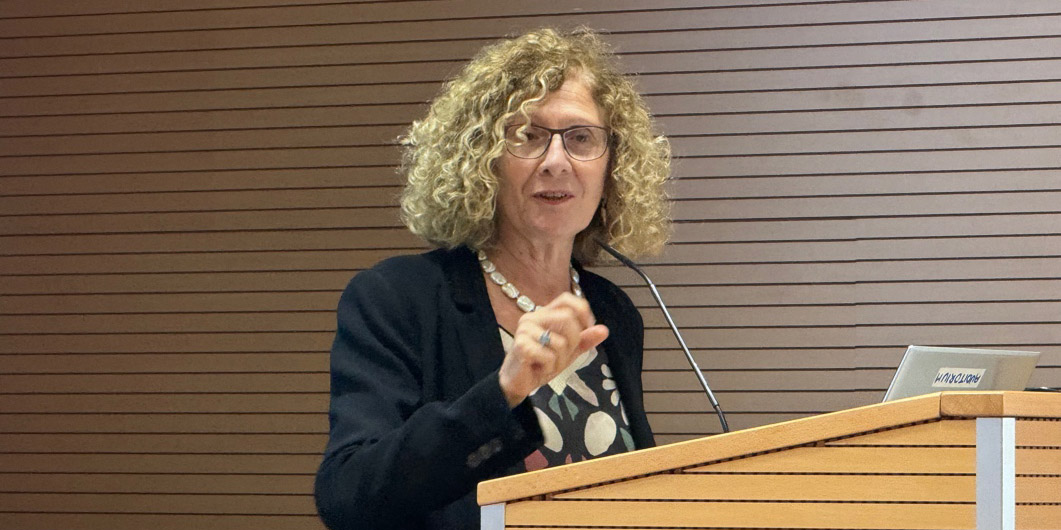
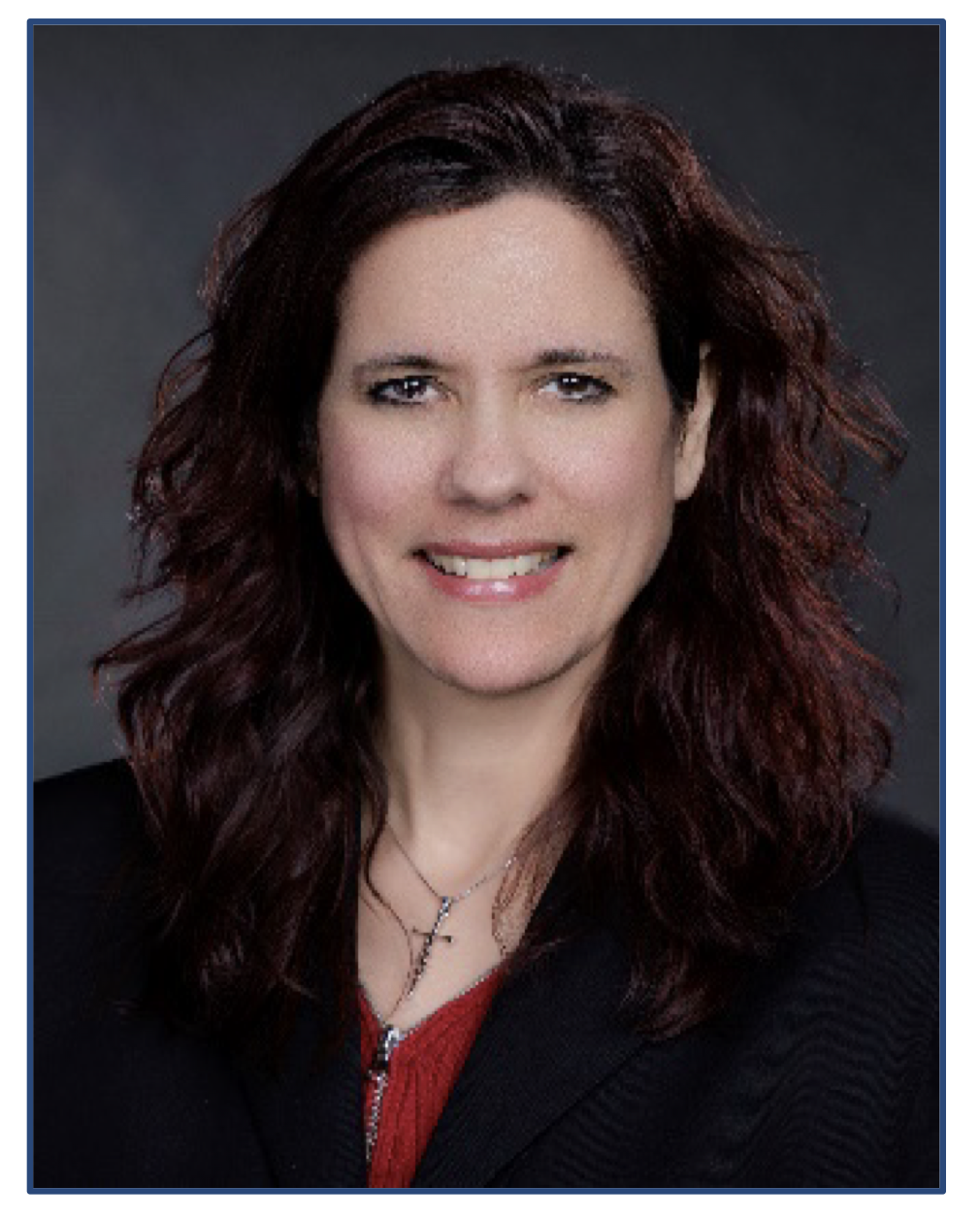
Daniela Gentile speaks at the Master in Technologies for Nuclear Power Plants ceremony. (Photo: Ansaldo Energia)
Energy company Ansaldo Energia recently hosted a ceremony at its headquarters in Genoa, Italy, marking the launch of the Master in Technologies for Nuclear Power Plants program, which it developed in collaboration with Politecnico di Milano. A call for graduates in engineering, physics, and chemistry issued in May attracted more than 300 applications, 26 of which were selected for the program.
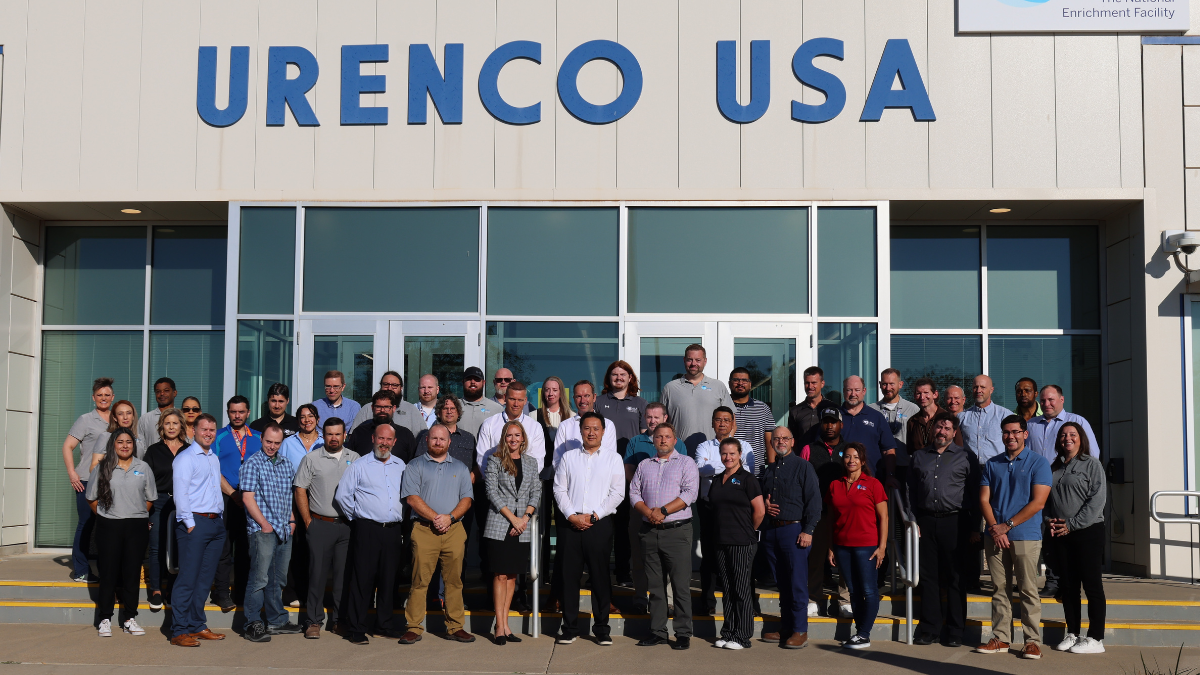
Urenco USA staff outside the Eunice, N.M., enrichment facility. (Photo: Urenco)
The Nuclear Regulatory Commission has authorized Urenco USA to enrich uranium up to 10 percent U-235 following changes to plant systems and procedures and an operational readiness review. The company announced the news today, two days after the NRC issued its authorization on September 30 and said that all existing and future cascades at its Eunice, N.M., enrichment facility will be licensed to produce both low-enriched uranium, typically enriched to 5 percent fissile U-235, and LEU+, between 5 and 10 percent U-235.
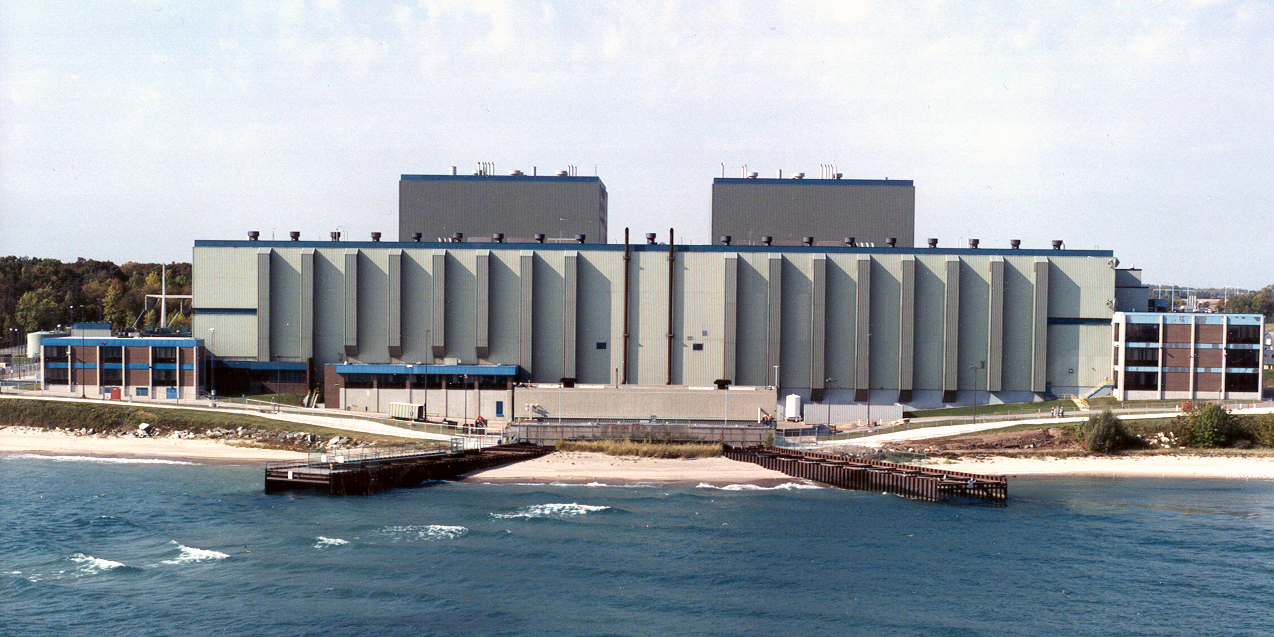
Point Beach nuclear power plant. (Photo: NRC)
The Nuclear Regulatory Commission has renewed the operating licenses of NextEra Energy’s Point Beach Units 1 and 2 for an additional 20 years. The Two Rivers, Wis., plant will now be able to operate into the 2050s.
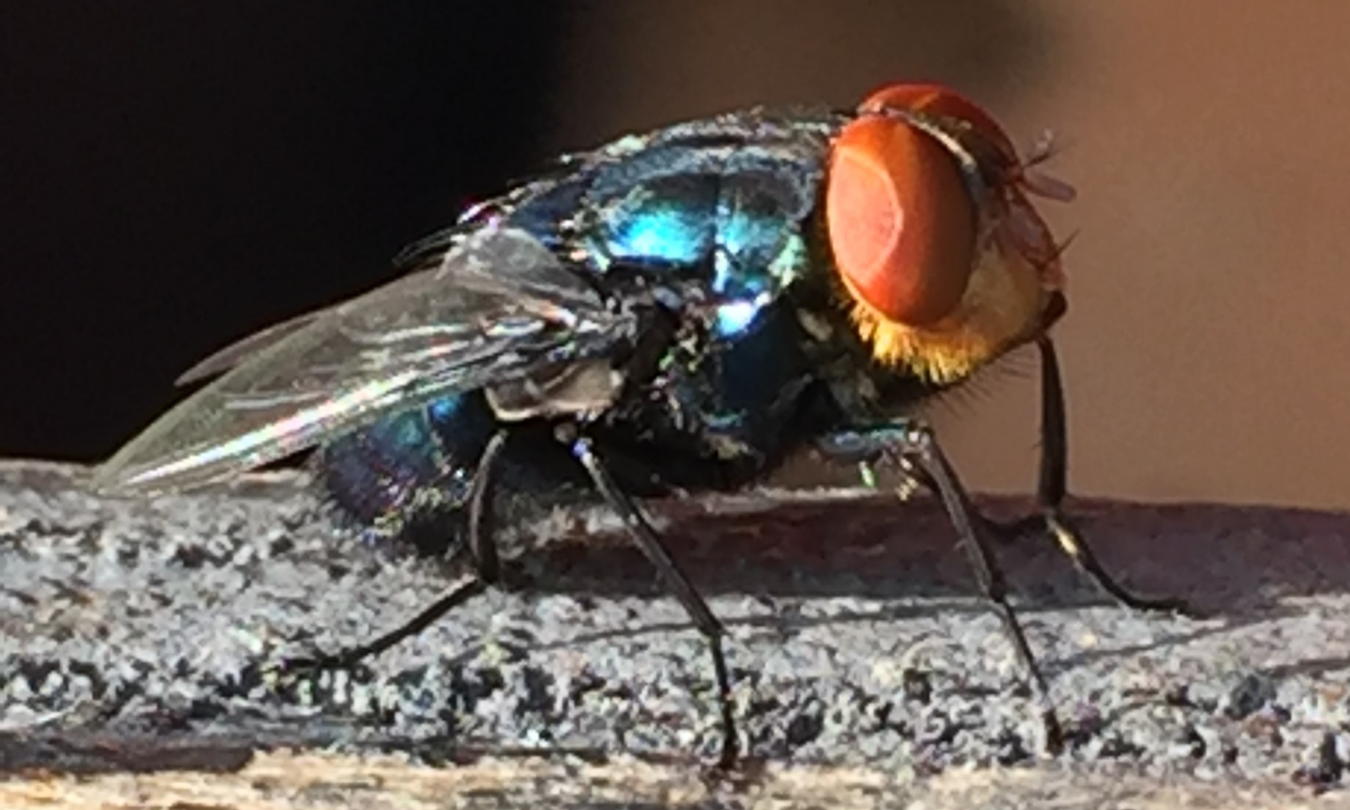
A New World screwworm fly. (Photo: DOE)
The Office of Radiological Security of the Department of Energy’s National Nuclear Security Administration has partnered with Texas A&M University to fight the New World screwworm (NWS), a devastating pest that damages—and sometimes kills—livestock, wildlife, pets, and humans.
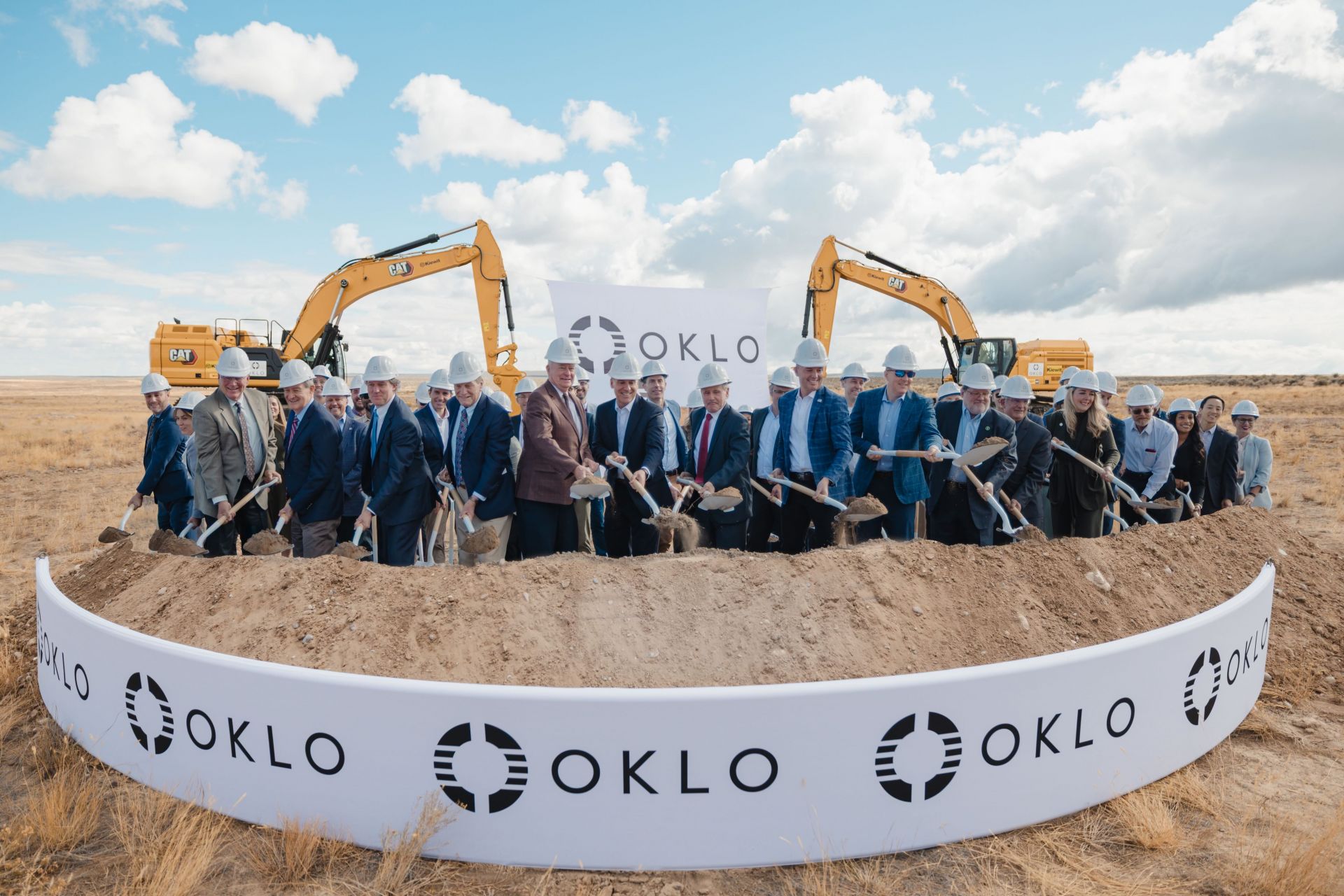
Oklo employees alongside leaders from federal, state, and local government at the ground-breaking ceremony. (Photo: Oklo)
Following the same milestones from Aalo Atomics and Valar Atomics, Santa Clara, Calif.–based reactor start-up Oklo has become the third company participating in the Department of Energy’s Nuclear Reactor Pilot Program to break ground on its fast-tracked project at Idaho National Laboratory.
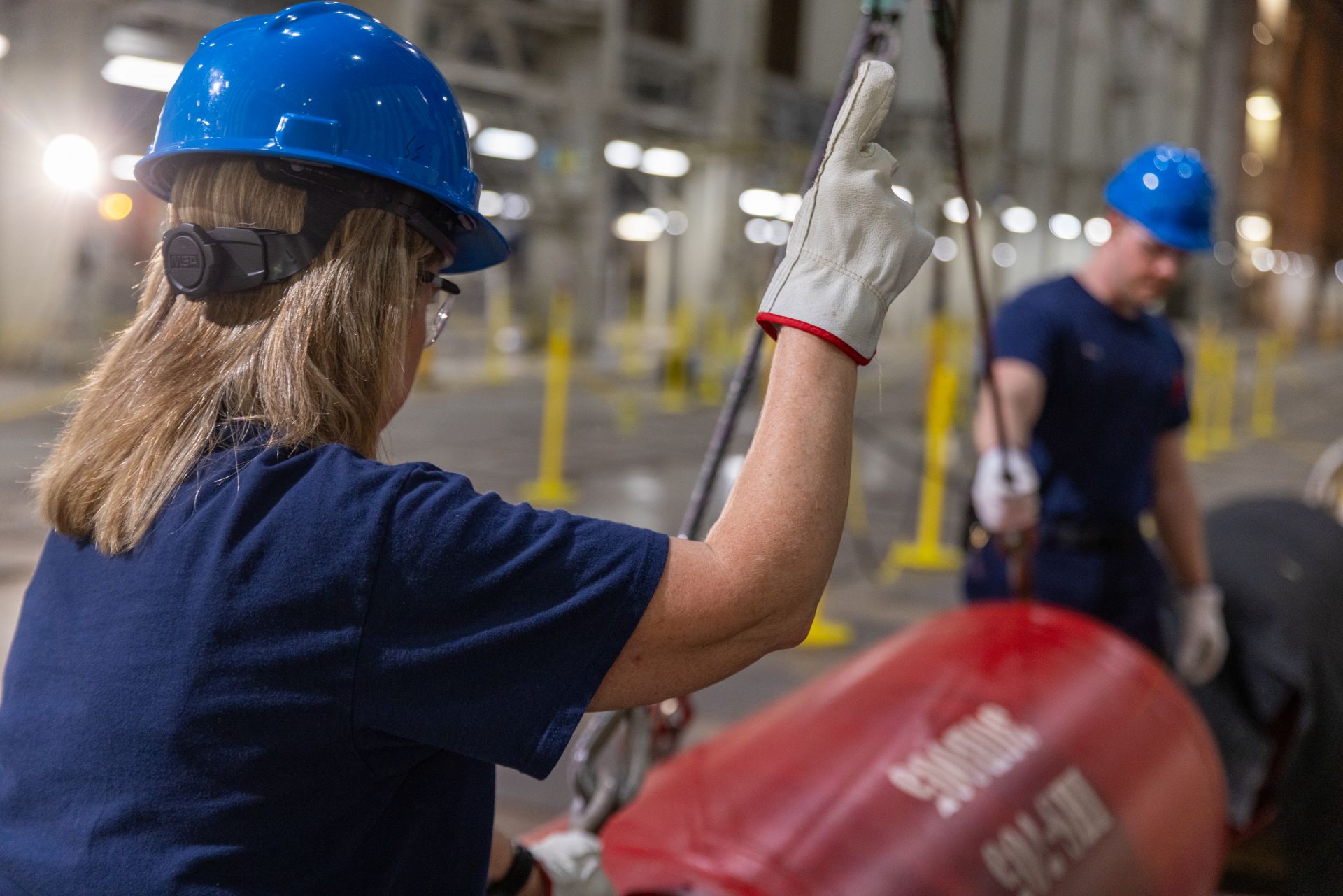
Centrus employees maneuver a cylinder at the American Centrifuge Plant in Piketon, Ohio. (Photo: Centrus Energy)
Centrus Energy announced a plan yesterday to add 300 new jobs at Centrus’s uranium enrichment plant in Piketon, Ohio, “in advance of federal funding decisions.” The company envisions adding capacity for both low-enriched uranium and high-assay low-enriched uranium production at its American Centrifuge Plant, but the “size and scope” of public and private investment is “subject to being selected for funding by the U.S. Department of Energy.”
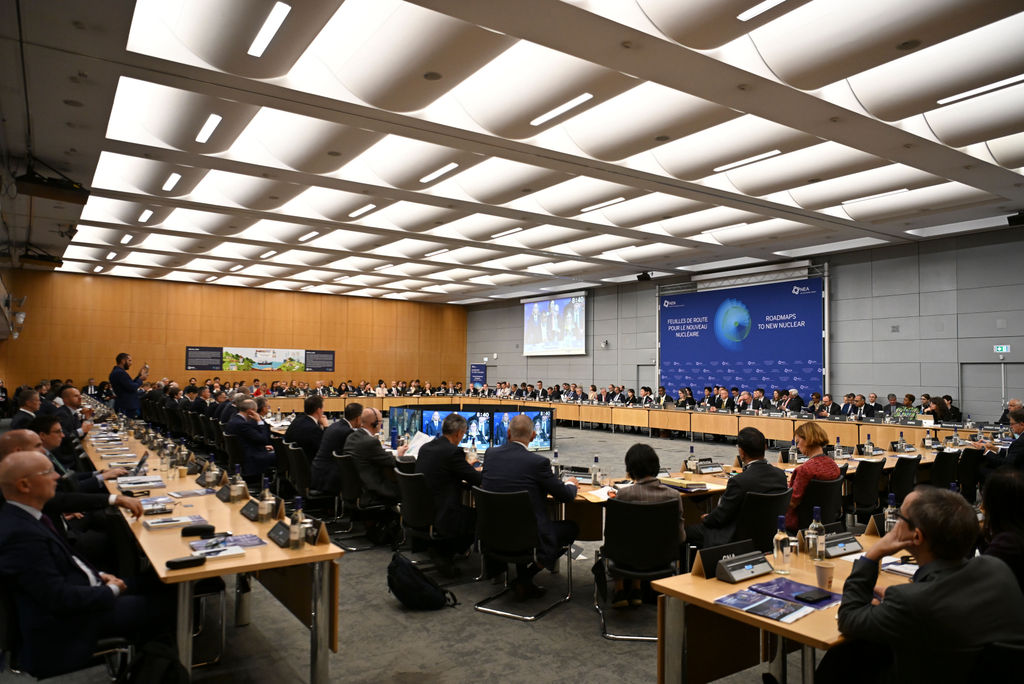
Representatives meet at the OECD NEA’s Roadmaps to New Nuclear 2025 conference. (Photo: OECD NEA)
More than 300 delegates from around the world attended the OECD Nuclear Energy Agency’s recent Roadmaps to New Nuclear 2025 conference in Paris, France. In attendance were representatives from governments, industry, public and private financial sectors, academia, legal firms, think tanks, and research institutions. Cohosted by the Korean government, the event focused on practical, near-term solutions to barriers facing nuclear new builds.
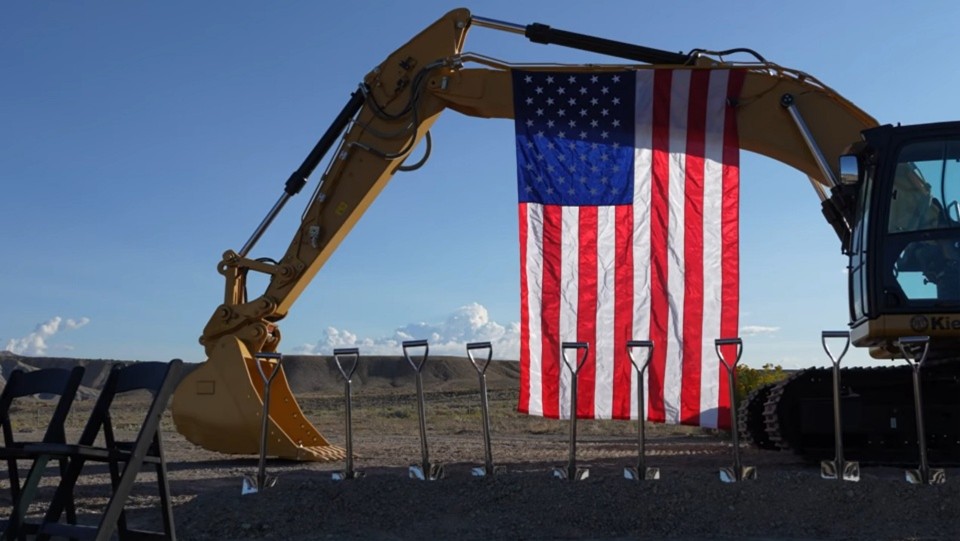
The golden ground-breaking shovels for Valar’s USREL site are posed dramatically in front of an American flag hung on a Kiewit excavator. (Source: Valar Atomics)
El Segundo, Calif.–based reactor start-up Valar Atomics recently announced that it has broken ground on its test reactor, the Ward 250, at Utah San Rafael Energy Lab (USREL), becoming the second company participating in the Department of Energy’s Nuclear Reactor Pilot Program to do so.

-3 2x1.jpg)