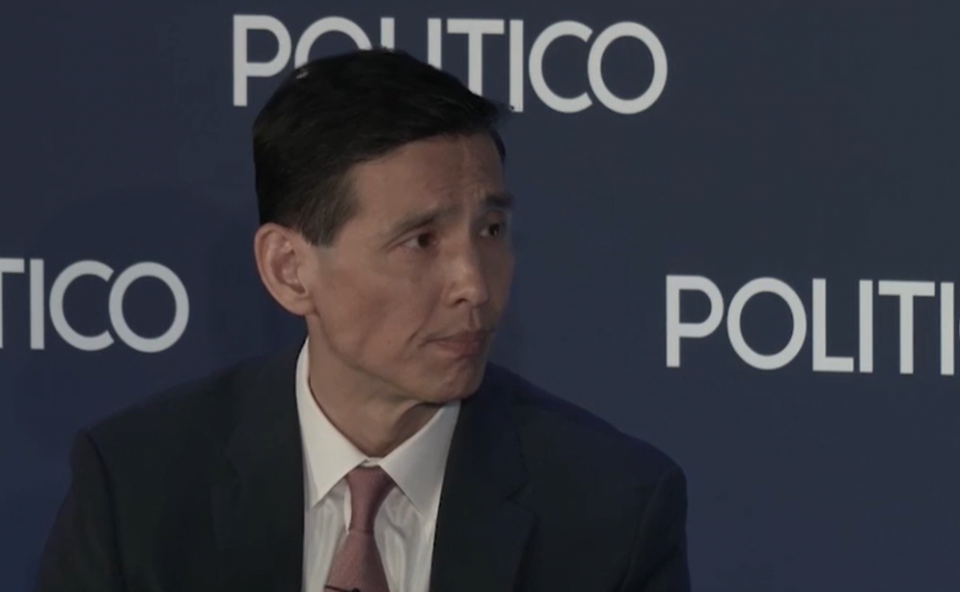
“America is rebuilding the front end of the nuclear fuel cycle at a pace not seen in decades,” said NRC Chairman Ho Nieh. “These proposed rules support American leadership in nuclear energy through safety-focused and efficient licensing.”
Details: The rulemaking, which the NRC is proposing as part of its response to Executive Order 14300, “Ordering the Reform of the Nuclear Regulatory Commission,” covers a wide range of issues, including the following:
Reducing facility construction timelines—The proposed rule would clarify and accelerate overall timelines for the construction of byproduct, source, and fuel cycle facilities by amending 10 CFR Parts 30, 40, and 70.
Clarifying physical protection regulations—The NRC is proposing a new exemption for large components and storage of material in robust structures containing Category 1 or Category 2 quantities of radioactive material with changes to 10 CFR Part 37.
Enabling pilot fuel lines—The proposed rule would establish a streamlined review process for applications for 10 CFR Part 70 materials facility licenses for facilities that were previously authorized under the Department of Energy’s Reactor Pilot Program, including facilities authorized under the corresponding Fuel Line Pilot Program.
Streamlining spent nuclear fuel reprocessing facility licensing—The NRC is also proposing to update its regulations to explicitly include a process for licensing spent fuel reprocessing facilities under 10 CFR Part 70. The proposed rule would provide an alternative to 10 CFR Part 50’s two-step licensing process (construction permit and operating license).
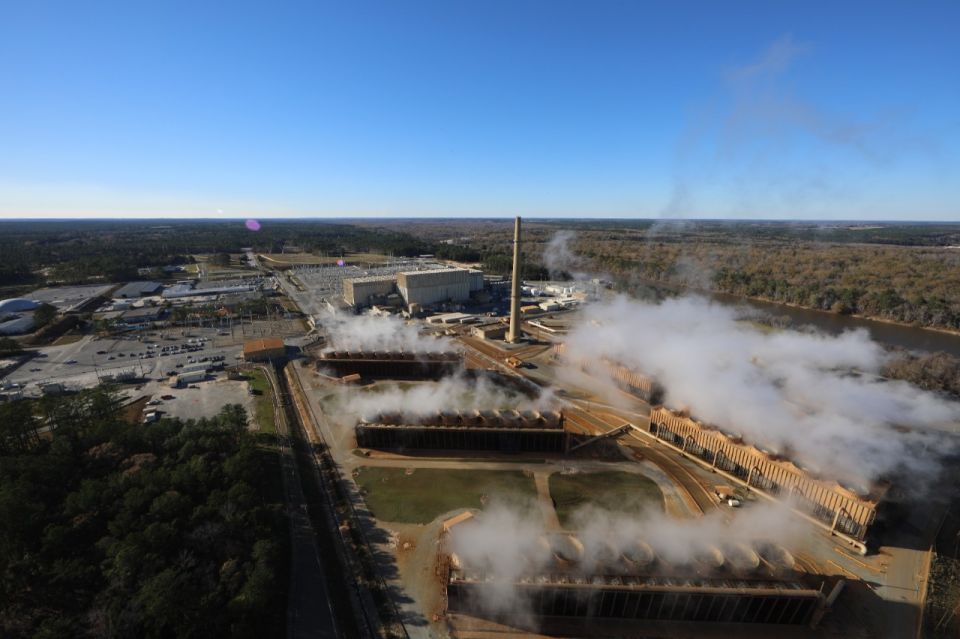
Modernizing fuel cycle facility licensing—The proposed rule would also make specific changes to several areas of 10 CFR Part 70, with the overall goal of reducing the burden on licensees and improving licensing efficiency. According to the NRC, the changes would accelerate the licensing of plutonium processing and fuel fabrication plants and reduce the regulatory burden on applicants by incorporating lessons learned from the licensing of the Mixed Oxide Fuel Fabrication Facility at the DOE’s Savannah River Site.
Modernizing spent fuel licensing—To modernize the NRC’s spent nuclear fuel licensing regulations, the proposed rule would make specific changes to 10 CFR Part 72 in several areas. This includes streamlining the process for certifying the designs of spent fuel storage casks.
Next steps: The NRC intends to hold a public meeting on the proposed rule soon.
Notice of the rulemaking will be published in the Federal Register in the coming days, following which the agency will seek comments on the proposed rule and related areas, including reprocessing facility licensing, pilot fuel line oversight, waste management, operator qualification, and change-control processes.