NN Asks: How can nuclear energy support the rising energy demand from data centers?

May 28, 2026, 9:33AMNuclear NewsNicolas Stauff

Nicolas Stauff

Data centers power our digital lives—along with many aspects of our economy and the rapid expansion of artificial intelligence. Electricity demand is rising rapidly, with the domestic data center load projected to increase from 4 percent to 9 percent of U.S. electricity consumption by 2030. This surge is already reshaping utility planning, grid interconnection queues, and the market for reliable power nationwide.

Nuclear energy is well matched to data center needs, because it provides reliable, 24/7 electricity with stable long-term costs. Modern hyperscale data center campuses can require hundreds of megawatts for IT equipment and cooling, and many applications demand maximum uptime. At the same time, leading hyperscalers have aggressive decarbonization commitments that limit reliance on fossil generation. Data centers also require fiber connectivity, a skilled workforce, and local acceptance—yet they can deliver meaningful tax base and employment impacts, especially when coupled with a major energy project.

Nuclear power plants can meet these requirements while reducing exposure to fuel-price volatility and transmission constraints, as my national lab colleagues and I reported in “Preliminary Analysis of Nuclear-Powered Data Center Scenarios,” a Department of Energy technical report published in August 2025 (ANL/NSE-25/47; doi.org/10.2172/3001074).

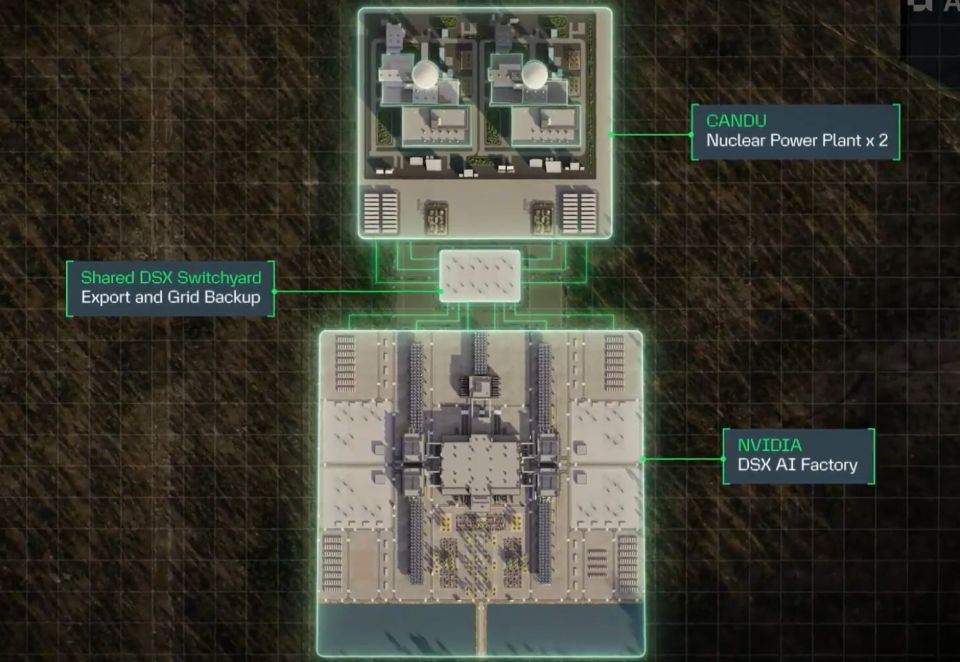
Data centers could procure nuclear energy through the grid via power purchase agreements, behind-the-meter via direct supply while maintaining a grid connection for backup and export, or in an islanded configuration. Each option has different implications for reliability design, metering, market rules, and timelines. Beyond electricity, tighter integration is being explored, such as sharing cooling infrastructure or using nuclear heat to drive absorption chillers that produce chilled water for data center cooling.

Greenfield development of data centers and their associated nuclear power plants is possible in all U.S. states, but brownfield siting at existing nuclear sites or at recently retired coal plant sites may offer land, grid infrastructure, and water access advantages. Such projects are also being deployed on U.S. federal lands, with four sites recently announced by the DOE and at different stages of project down-selection.

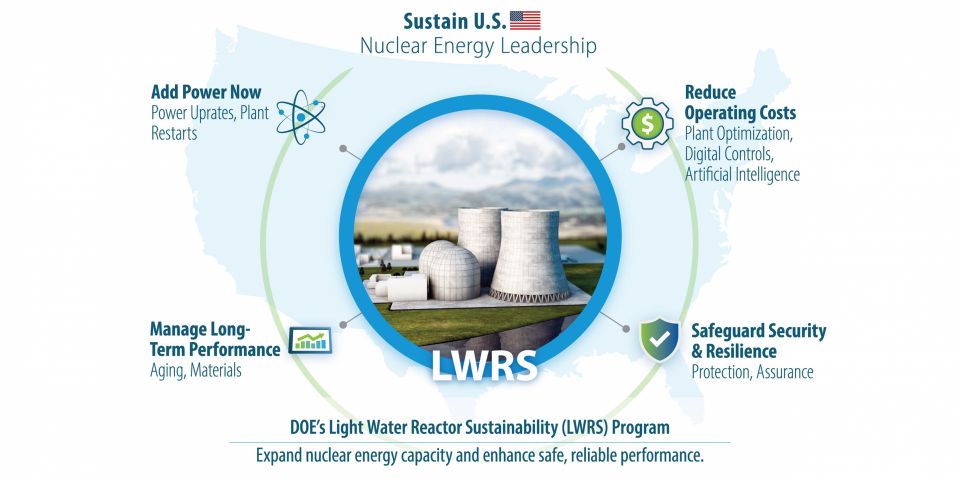
Near-term nuclear options could deliver meaningful capacity to data centers through power uprates, extending and contracting with the existing fleet, and restarting recently shuttered units where feasible. Looking ahead, new large reactors, small modular reactors, and microreactors—supported by an expanding fuel and supply chain—could provide additional capacity in the 2030s.

This dynamic has created a two-way partnership: Sustained data center demand, long-term contracts, and direct investment are improving financing conditions and accelerating nuclear deployment, including for advanced fission or fusion nuclear reactors.

Nicolas Stauff (nstauff@anl.gov) is the manager of the Nuclear Applications and Economics group at Argonne National Laboratory.


Related Articles

The DOE’s plan for AI in NRC licensing

April 2, 2026, 9:40AMNuclear News

The Department of Energy announced the completion of a proof-of-concept demonstration of the use of Everstar’s AI tool to generate chapter 5 of an NRC license application from preliminary...