NRC certifies NAC’s OPTIMUS-H transportation cask
August 13, 2024, 12:14PMRadwaste Solutions

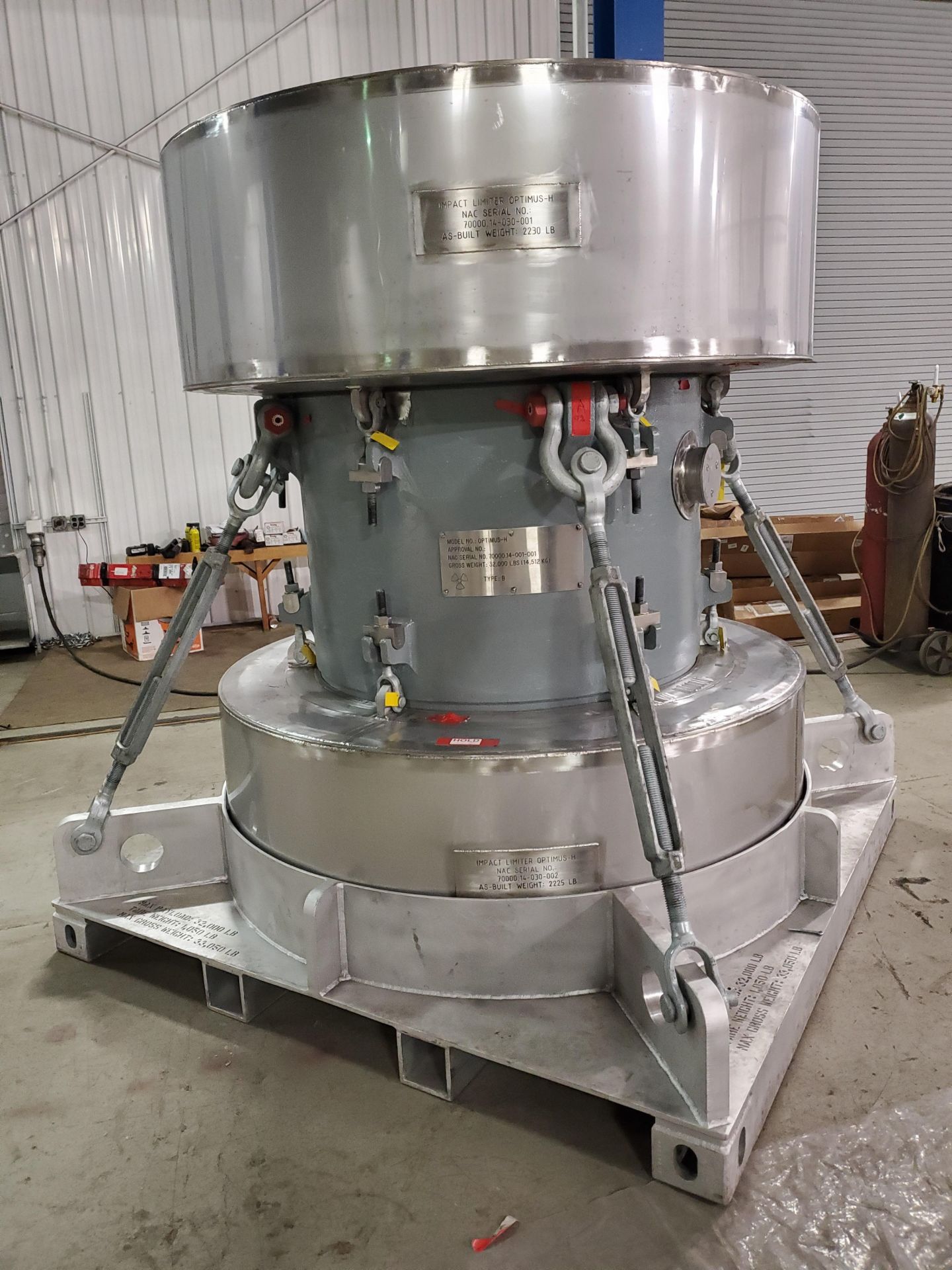
The OPTIMUS-H transportation cask from NAC International. (Photo: NAC)

NAC International announced that the Nuclear Regulatory Commission has certified a highly shielded version of the company’s OPTIMUS (Optimal Modular Universal Shipping) transportation package for radioactive materials and waste. NAC’s OPTIMUS-H is now approved under 10 CFR Part 71 with Certificate of Compliance (CoC) USA/9392/B(U)F-96, effective Aug. 5, 2024.

The OPTIMUS-H CoC follows licensing approvals of the cask in Canada and Australia. Previously, the lightweight version of the OPTIMUS package, OPTIMUS-L, received certification from the NRC and the Canadian Nuclear Safety Commission.

NAC unveiled its first OPTIMUS to the public at the 2020 Waste Management Conference in Phoenix. Since then, NAC has delivered 22 OPTIMUS-L and nine OPTIMUS-H systems to support North American packaging and transportation projects.

To continue reading, log in or create a free account!

Related Articles

The DOE’s plan for AI in NRC licensing

April 2, 2026, 9:40AMNuclear News

The Department of Energy announced the completion of a proof-of-concept demonstration of the use of Everstar’s AI tool to generate chapter 5 of an NRC license application from preliminary...

NRC adopts ROP updates

March 30, 2026, 3:14PMNuclear News

The Nuclear Regulatory Commission has approved a significant overhaul of its Reactor Oversight Process (ROP) baseline inspection program that stresses a leaner, more risk-focused inspection...

U.S. Air Force opens power reactor RFI

March 30, 2026, 9:35AMNuclear News

The U.S. Air Force wants to hear from companies that could be interested in deploying small nuclear reactors at its bases.The request for information posted Wednesday intends to assist the...

NRC unveils Part 53 final rule

March 26, 2026, 7:01AMNuclear News

The Nuclear Regulatory Commission has finalized its new regulatory framework for advanced reactors that officials believe will accelerate, simplify, and reduce burdens in the new reactor...