Oklo claims PJM improperly dropped its Virginia project
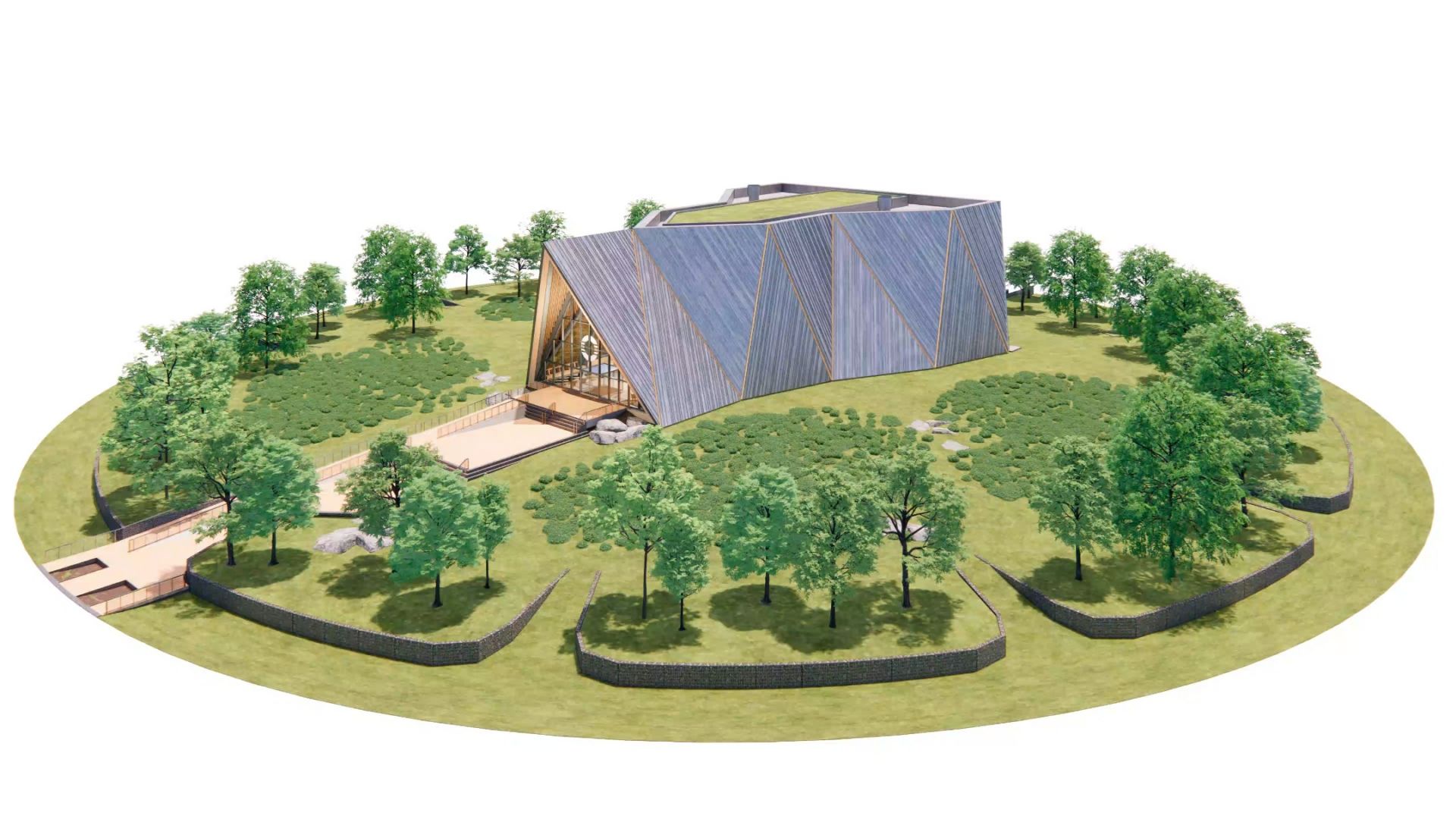
Last Friday, Oklo filed an emergency request with the Federal Energy Regulatory Commission claiming that one of its potential generation projects has been “unjustifiably withdrawn” from the PJM Interconnection queue. Through that request, Oklo has asked FERC to direct PJM to reinstate its application with its original queue position.
In an interesting twist, the project at issue in this interconnection dispute was, until now, unknown to the public.
The background: While many of the project-specific details in the public-facing version of Oklo’s FERC request are redacted, a handful of particulars are still available. For one, the request includes “150 MW of advanced nuclear generation, 300 MW of fuel cell generation, and 300 MW of natural gas generation.”
While Oklo is pursuing three divergent reactor designs, language in the complaint implies that its flagship reactor (the Aurora powerhouse) is the design it plans to deploy in this project. The Aurora, a liquid metal–cooled, metal-fueled fast reactor, has been through several design iterations throughout its lifetime. It was originally envisioned as a 1.5-MWe reactor, and it is currently described as “scalable up to 75 MWe” by the company. If the deployed reactors are scaled to their maximum capacity, this project would entail two Aurora powerhouses.
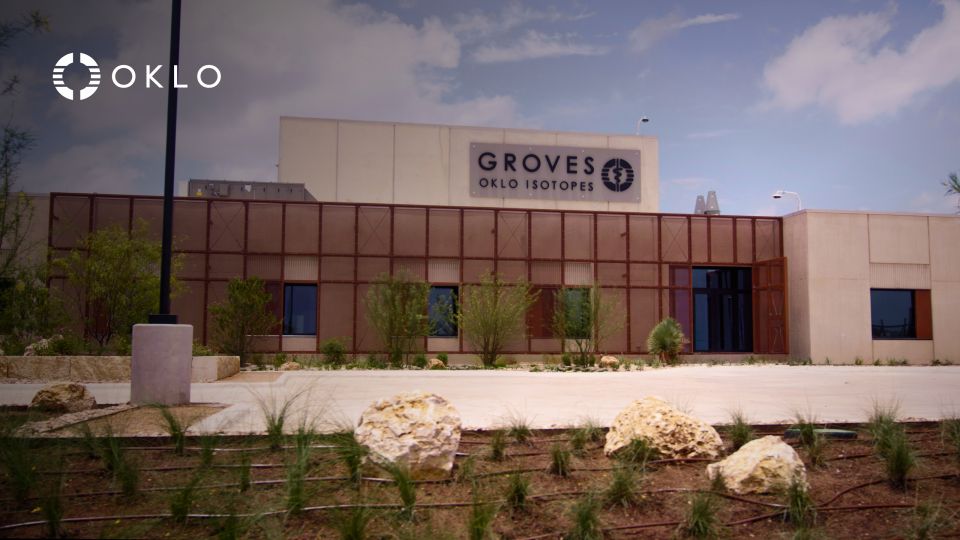
Oklo broke ground on its first Aurora powerhouse, sited at Idaho National Laboratory, in September 2025. Its preliminary design safety agreement for the project was approved by the Department of Energy in June 2026. That achievement was the third of five total milestones on the pathway to earning DOE authorization (as part of the Reactor Pilot Program) for the project. Last month, Oklo achieved criticality with a different reactor, named Groves, in Texas—also through DOE authorization.
The story is no less complicated with regard to the Nuclear Regulatory Commission. More than a decade ago, Oklo entered into preapplication activities with the NRC for its 1.5-MWe version of Aurora. The license application for that project ultimately was denied without prejudice by the NRC in 2022.
Now, Oklo is in preapplication activities with the NRC once again—this time with a different design and with a DOE authorization likely soon in hand. The method by which these DOE activities will be leveraged by the NRC is a topic that is actively developing; the NRC is currently in progress on an audit of Oklo’s work with the DOE on Aurora.
The Virginia project: Other than its generation makeup, Oklo’s FERC complaint also refers to two points of interconnection: the Possum Point and Ladysmith substations, both of which are just north of Richmond, Va. Before now, there had been no public discussion of a potential Oklo project in the state.
When asked for clarification, Bonita Chester, Oklo’s head of media and communications, confirmed to Nuclear News that “The complaint relates to an early-stage potential generation project in Virginia.” She also emphasized that “The potential project remains under development, and the filing should not be understood as a deployment announcement, final investment decision, or commitment to a particular generation configuration.”
The disagreement: Chester explained that, through its complaint to FERC, “Oklo is seeking to preserve the project’s place in the PJM’s interconnection study process following its removal from Cycle 01.”
The complaint itself provides more detail. According to Oklo, PJM’s decision to withdraw the Virginia project from its queue “reflects a misapplication of its own guidelines to this unique multi-technology facility and, even assuming arguendo that PJM properly applied its guidelines, the alleged deficiencies are technicalities that Oklo could have easily and rapidly cured if it had received proper notice.”
As for the actual source of the disagreement, the complaint chronicles a communication breakdown, in which meeting requests and status confirmation emails from Oklo purportedly went unanswered by PJM. “After six weeks of silence,” the complaint states, “PJM issued a withdrawal notice” that, from Oklo’s perspective, was more or less out of the blue. The company had not received notice that the project was at risk of withdrawal and had “cured every deficiency for which PJM issued a deficiency notice,” according to the complaint.
According to the complaint, the project’s mix of synchronous units of different fuel types (gas and nuclear) and inverter-based units (fuel cells) poses additional complexity from an interconnection perspective not only because synchronous and inverter technologies require different infrastructure, but also “because the existing rules were not designed with the project’s unique fuel mix in mind.”
Interconnection woes: The big-picture goal of getting electrons on the grid is a common refrain in the nuclear industry. That phrase serves as something of a reminder that the job is not just generating electrons; it is also no small task to get that power distributed.
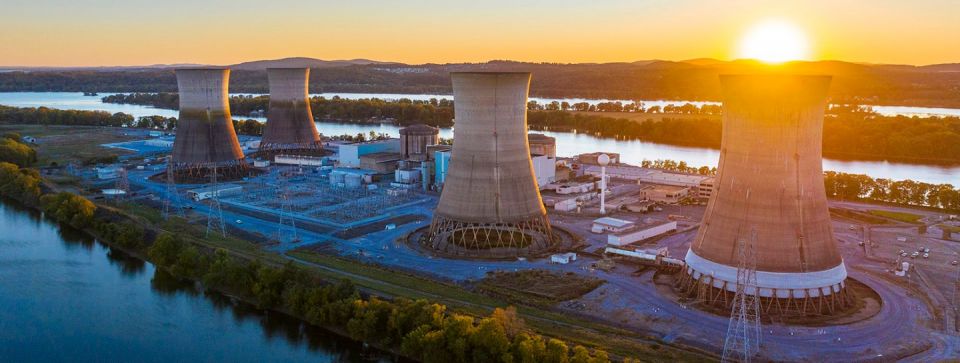
Earlier this year, Constellation had to get FERC involved through a waiver request to speed up its connection of Crane to the PJM grid. That waiver request was ultimately approved, but if it had not been, Constellation warned that the restarted plant would have sat dormant, ready to generate, for up to three years.
In April of this year, PJM closed its first full interconnection cycle since 2022. This cycle (which Oklo is now seeking to be added back to) was the first opportunity in four years for generation projects to submit an application to PJM. In those years of submission hiatus, PJM was dealing with its backlog of projects and revamping its application process.
Whether FERC will once again decide in favor of a nuclear industry complainant is yet to be seen. For its part, Chester said that Oklo “will share additional details if and when the [Virginia] project reaches the appropriation stage.”