ANS panel discussion looks at nuclear’s place in maritime, energy, medicine, space

The applications of nuclear energy extend beyond providing power to the electrical grid. Advanced nuclear technologies may soon have new applications in oil and gas facilities, in hospitals and clinics, on the open seas, and on the moon.
A June 1 executive session, “How Nuclear Technologies will Shape the Future Energy Economy,” at the American Nuclear Society’s Annual Conference allowed experts have an open discussion on the future of nuclear advancements in multiple sectors.
“As the energy transition continues to evolve . . . we are constantly exploring what roles new technologies or old technologies deployed in new ways can play to help us on that journey,” said Greg Schulze, project design advisor at ExxonMobil.
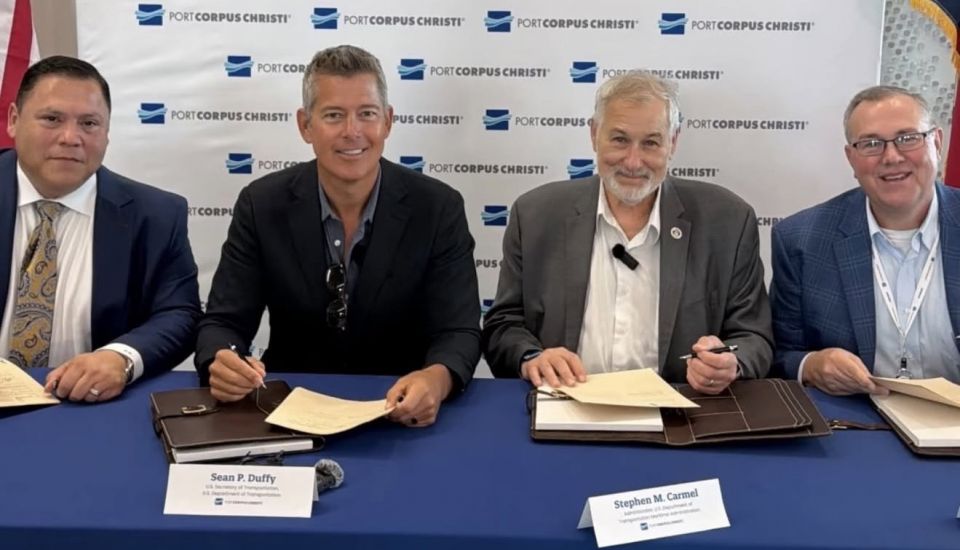
Along with Schulze, the session featured Rian Bahran, deputy assistant secretary for nuclear reactors at the Department of Energy; Stephen Carmel, administrator of the Maritime Administration (MARAD); Harsh Desai, chief commercialization officer at Zeno Power; Ross Radel, chief technology officer at Shine Technologies; and Kirt Marlow, senior vice president of energy deployment at Hi Tech Solutions. ANS CEO Craig Piercy moderated the session.
Enabling potential: The DOE and the Trump administration set an ambitious goal to quadruple nuclear power production from 100 GW to 400 GW by 2050. Understandably, producing more power from new nuclear reactors and utility uprates is at the forefront of Bahran’s mind.
However, he also gets excited about the possibilities of applying advanced technology to nonpower nuclear applications. The DOE wants to be an “enabler” and ensure new nuclear technology is available to interested industries, Bahran said.
As an example, he pointed to the agency’s Reactor Pilot Program, which set the goal of having at least three test reactors achieve criticality by July 4. Last Thursday, Antares Nuclear became the first to reach that milestone with its Mark-0 microreactor.
“Those reactors, some of the companies are eyeing data centers or electricity applications. Some of them are looking at maritime, some of them are looking at space,” Bahran said.
Making a splash in maritime: Advancements in maritime transportation can change the world, Carmel said. The development of standardized shipping containers, for example, spurred globalization with the ability to trade intermediate goods and desegregate supply chains.
Small modular reactors have the potential to change the world once again, he said, in part by reframing the viability of trade routes in the Arctic.
But Carmel cautioned nuclear technology developers not to solely focus on the new technology—“the shiny thing,” he called it. Don’t ignore the systems and how the technology will be used, he added, pointing to the world’s first nuclear-powered merchant ship, the NS Savannah. The ship was elegant but ultimately didn’t change much, he said.
“We do this all the time. I don't know why and I wish I did. To me, it’s common sense that what you develop is a complete system, and understand what you’re going to do,” Carmel said.
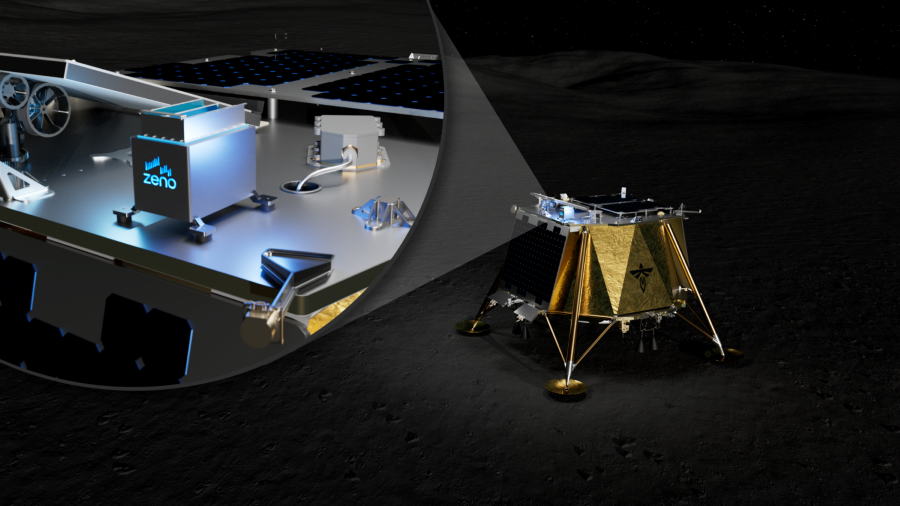
Working remotely on the moon: Zeno Power, meanwhile, is building radioisotope power systems. According to Desai, these nuclear batteries are ideal for hostile, remote environments like the open seas or outer space, where access to power is difficult to come by.
The United States’ plans to establish a permanent American base on the moon present an opportunity for this type of technology to help lunar missions survive the “lunar night”—the approximately 14 Earth days when the lunar surface receives no sunlight.
While China has the capabilities to survive lunar nights, the United States does not, said Desai—and that must change. When infrastructure is first installed on the moon, it must have an energy source.
“It requires us to have access to nuclear—and it starts with using radioisotopes to survive the lunar night and then to operate through the lunar night,” he said.
What to do with isotopes: Shine Technologies is known for its work in nuclear fusion—but that is only part of what the company does, said Radel. Working on fusion has unlocked potential in other applications, including isotope production.
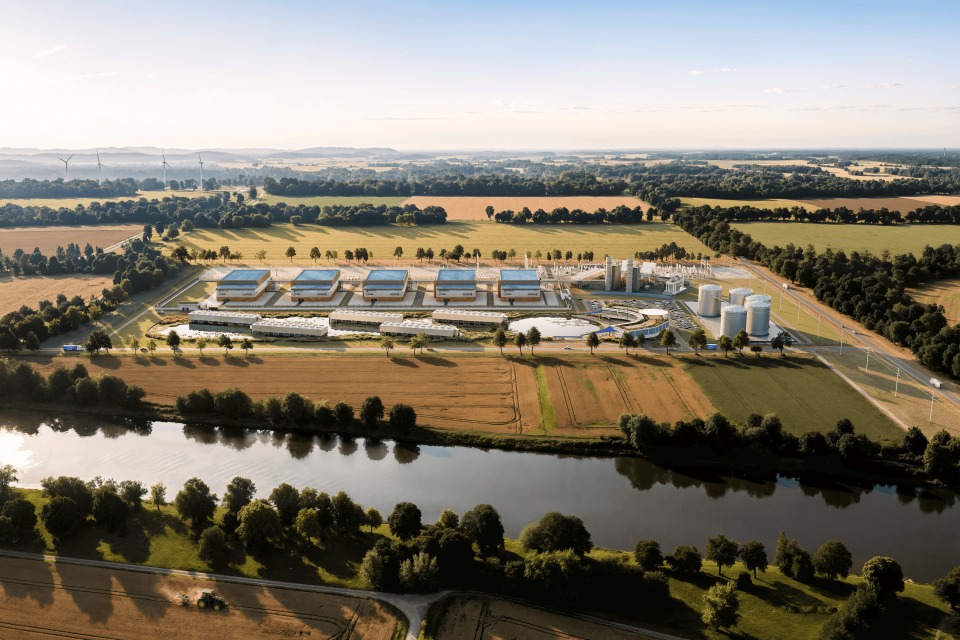
Just this spring, the DOE’s Office of Energy Dominance Financing conditionally committed a loan of up to $263 million to Shine to support the construction of Chrysalis, the company’s medical isotope production facility in Wisconsin. There, Shine will produce molybdenum-99, which is used in thousands of medical procedures each day, most notably as a radioactive diagnostic tracer.
Piercy joked with Radel that Shine reminded him of 3M, the multinational conglomerate that operates across several industries. “A lot of irons in the fire,” Radel responded.
Collaborating with energy: ExxonMobil is a member of the Industrial Advanced Nuclear Consortium, a collaborative initiative that focuses on deploying new nuclear technologies for industrial applications. The consortium includes other oil and gas companies—and rivals—like Chevron, ConocoPhillips, and Shell.
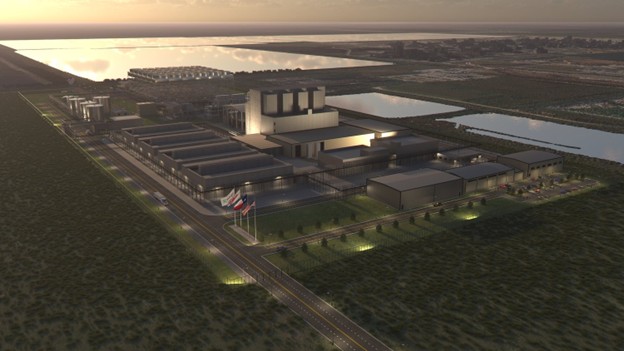
Collaboration is key, said Schulze, and that’s why he’s keeping an eye on the Dow Seadrift project with X-energy. The Texas-based project could help the chemical company produce more than 4 billion pounds of material per year using four Xe-100 reactors.
“We’re rooting for them. We need them to be successful,” said Schulze, the inaugural chair of the consortium.
“It’s kind of a silly statement . . . but I’m going to say it: it takes a lot of energy to produce energy,” he added. “We consume a tremendous amount of electricity and heat in our operations.”
Getting the message out: There is broad bipartisan support for the advancement and deployment of new nuclear technology, said Marlow. Like others, he’s seeing a new level of support for nuclear energy. Hi Tech, for instance, has two projects in the works in Utah, including the long-dormant Blue Castle power plant project.
Nuclear efforts, however, still need support from the public and the community, Marlow said. Some utilities still aren’t on board. Some communities don’t want reactors in their backyards.
“What are the last few challenges—is it policy? Is it utility integration? What exactly are the issues we need to solve to actually get some projects built?” Marlow asked.