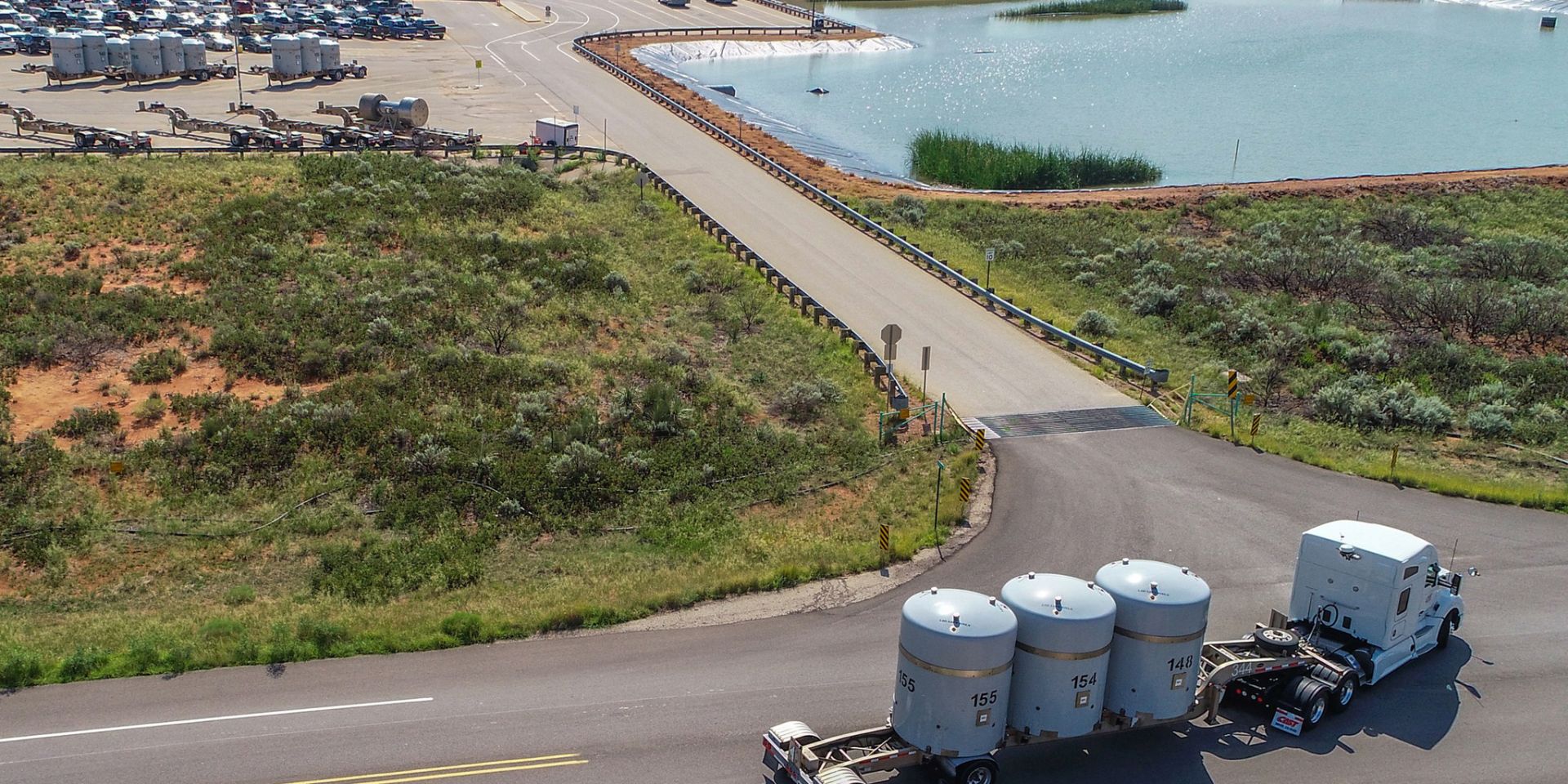
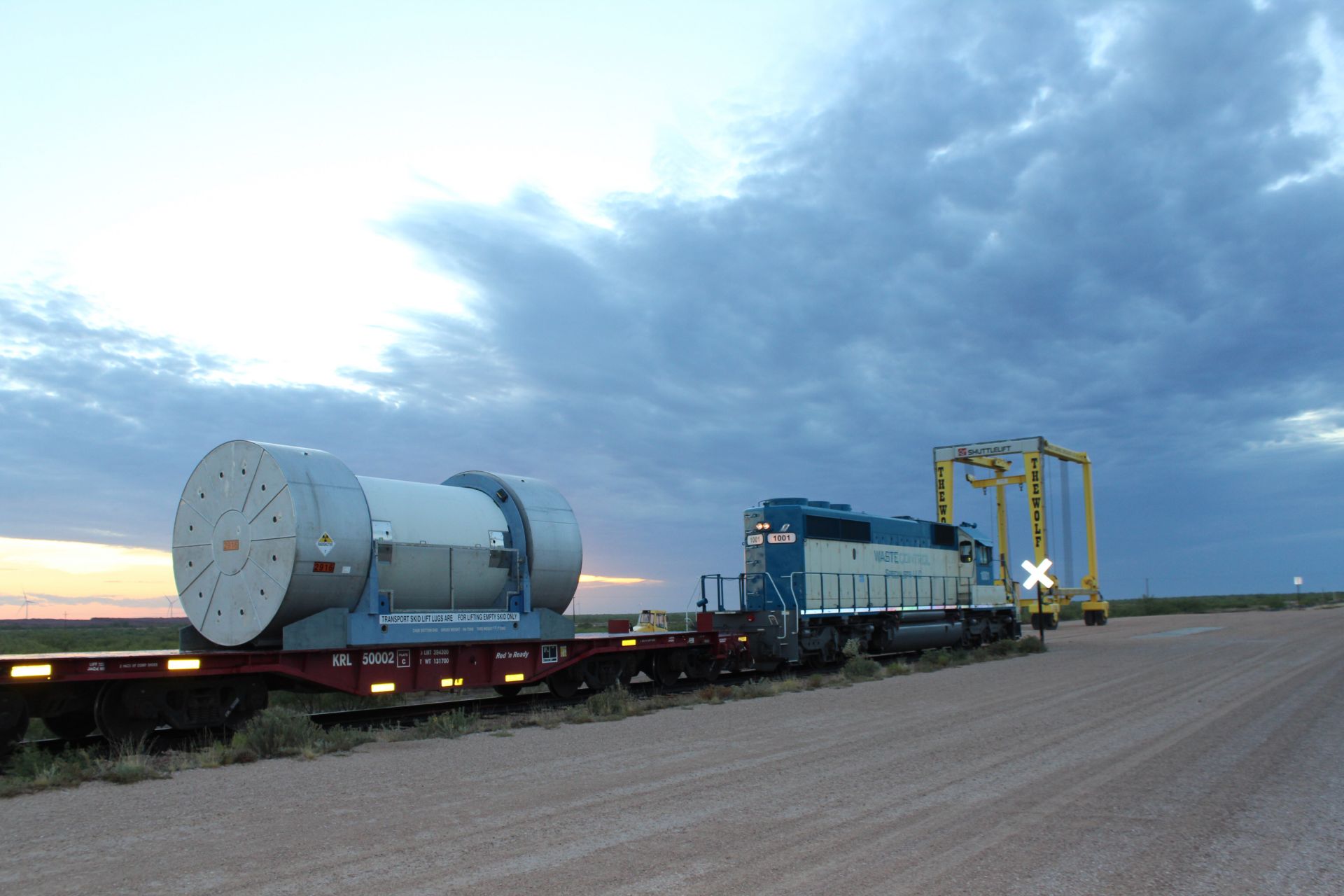
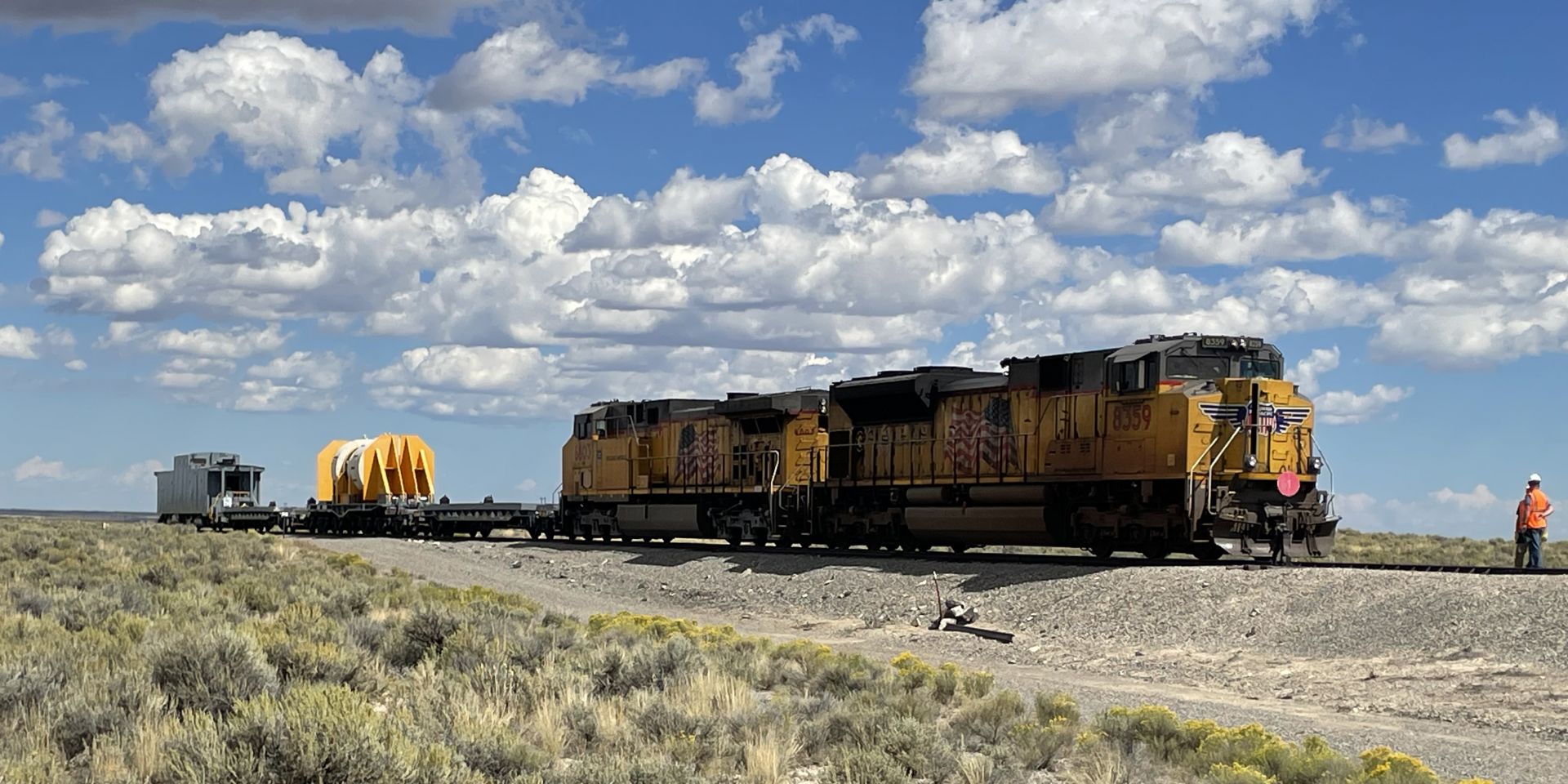
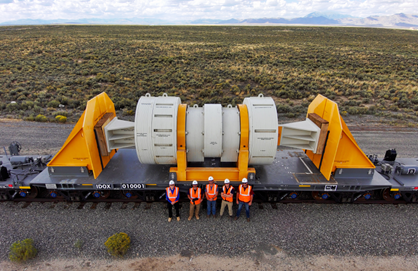
A truck loaded with TRUPACT shipping containers pulls into the WIPP site in New Mexico. (Photos: WIPP)
As part of a future consent-based approach by the federal government to site new deep geologic repositories for nuclear waste, local communities and states that are considering hosting such facilities are sure to have many questions. Currently, the Waste Isolation Pilot Plant in New Mexico is the only example of such a repository in operation, and it offers the opportunity for state and local officials to visit and judge for themselves the risks and benefits of hosting a similar facility. But its history can also provide lessons for these officials, particularly the political process leading up to the opening of WIPP, the safety of WIPP operations and transportation of waste from generator facilities to the site, and the economic impacts the project has had on the local area of Carlsbad, as well as the rest of the state of New Mexico.
April 7, 2026, 9:27AMRadwaste SolutionsSven Bader, Brad Crotts, Michael Smith, Don McGee, and John McEntire An Orano MP197HB transport cask loaded onto a railcar.
With the significant advances in additive manufacturing (AM), otherwise known as 3D printing, Orano Federal Services and the University of North Carolina at Charlotte recently re-examined the capabilities to print impact limiters for transportation casks used to ship spent nuclear fuel. Impact limiters protect transportation casks (sometimes also referred to as transportation overpacks) and their contents during an accident. Impact limiter designs must withstand testing based on a certain significance level of hypothetical accidents, including drops, crushing, fires, and immersion in water.
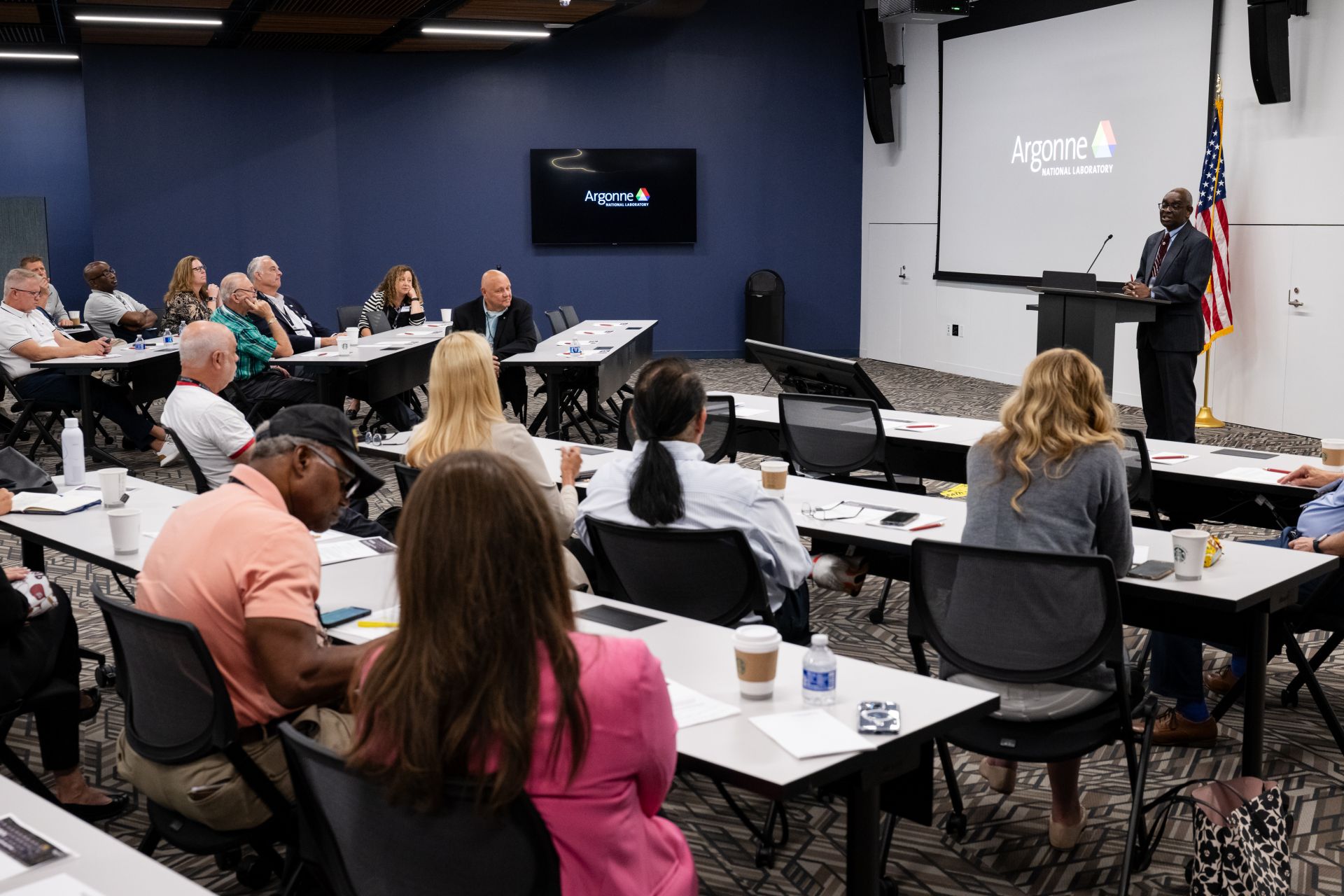
Participants join a conference at Argonne National Laboratory. (Photos: DOE/ANL)
Argonne National Laboratory, located in Lemont, Ill., outside of Chicago, continues to develop a U.S. Department of Energy Packaging University Summer Institute by leveraging the laboratory’s educational resources and workforce development opportunities that support STEM (science, technology, engineering, and mathematics). The institute will be open to both professionals in the nuclear packaging field and highly qualified graduate university students who are recommended by their advisors.
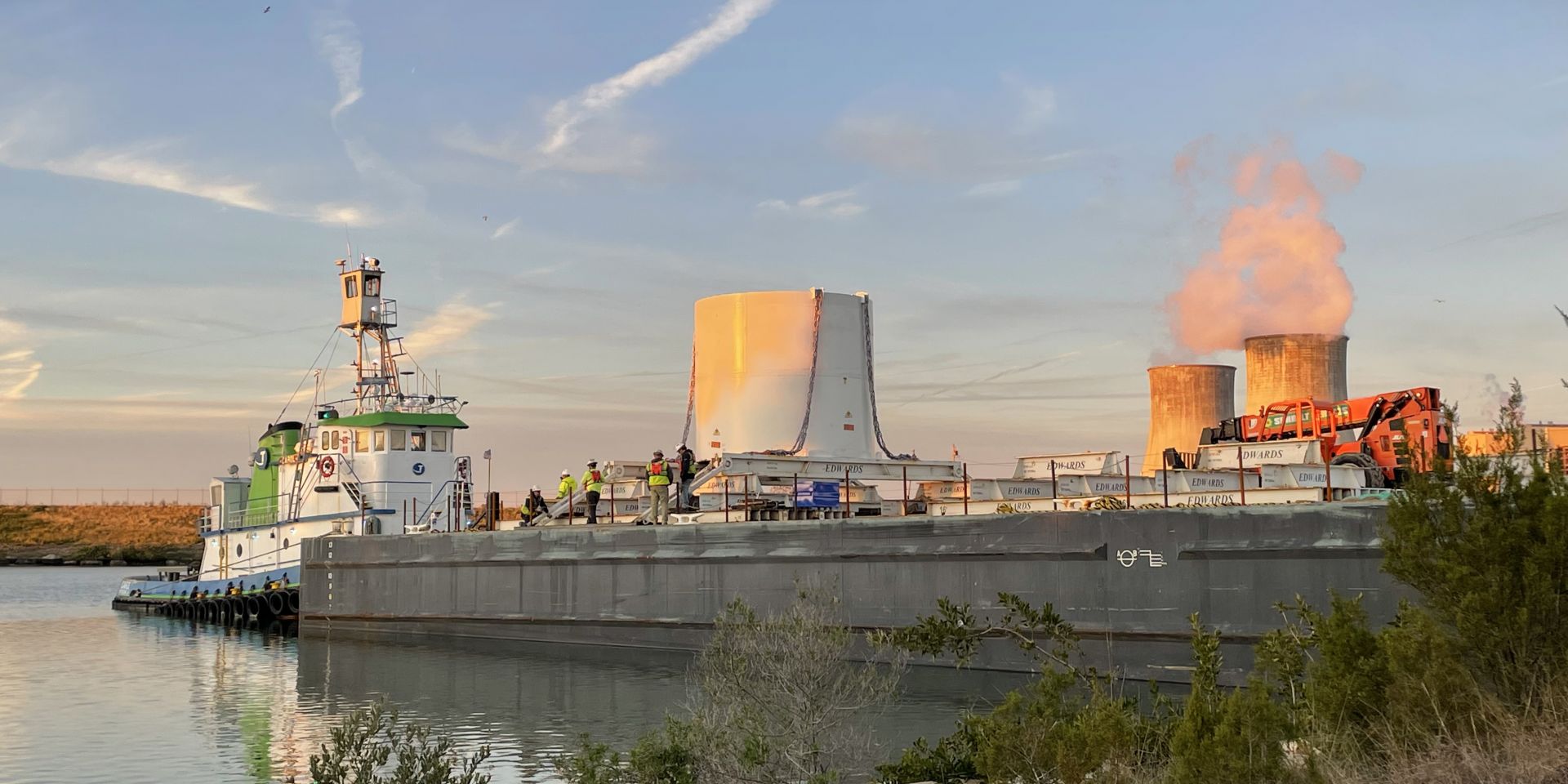
April 16, 2025, 3:39PMRadwaste SolutionsRichard “Ricky” Furr, Larry McDougal, and John Mayer The CR-3MP is loaded on the barge at the Crystal River-3 site in Florida on January 17, 2024. (Photos: Orano DS)
The Optimized Segmentation process patented by Orano Decommissioning Services was successfully implemented for the first time at the Crystal River Unit 3 (CR-3) decommissioning project in Florida [1]. Using this approach, Orano was able to avoid the time- and resource-intensive process of packaging components into numerous standardized waste containers and significantly reduced the required segmentation activities.
The DOE designed the Atlas railcar to eventually ship spent nuclear fuel to consolidated storage. Before it begins shipping fuel, the department wants to demonstrate the safety of transportation casks through its Package Performance Demonstration project. (Photo: DOE)
Inspired by a history of similar testing endeavors and recommended by the National Academy of Sciences and the Blue Ribbon Commission on America’s Nuclear Future, the Department of Energy is planning to conduct physical demonstrations on rail-sized spent nuclear fuel transportation casks. As part of the project, called the Spent Nuclear Fuel Package Performance Demonstration (PPD), the DOE is considering a number of demonstrations based on regulatory tests and realistic transportation scenarios, including collisions, drops, exposure to fire, and immersion in water.
The Atlas railcar carries a test load simulating a shipment of spent nuclear fuel. (Photo: DOE)
The Department of Energy’s Office of Nuclear Energy has wrapped up testing of its Atlas railcar, successfully completing a round-trip journey from Pueblo, Colo., to Scoville, Idaho. Built to safety standards set by the Association of American Railroads (AAR), the 12-axle railcar is designed to transport large containers of spent nuclear fuel and high-level radioactive waste.
As demands for a comprehensive U.S. waste management plan increase, private vendors are certifying new SNF/HLW transportation cask designs.
A large-scale campaign to move spent nuclear fuel and high-level radioactive waste in the United States to a central repository or interim storage site does not appear to be coming anytime soon. External pressures, however, including a growing number of nuclear power plant closures and increased stakeholder demand to remove stranded spent fuel and HLW, are shifting focus to building the infrastructure needed to move large volumes of waste. This includes the design and manufacture of shielded transportation casks for shipping the waste by truck or rail.
The NWTRB offers findings and recommendations to the DOE on technical issues that need to be addressed in preparing for an integrated, nationwide program to transport nuclear waste.
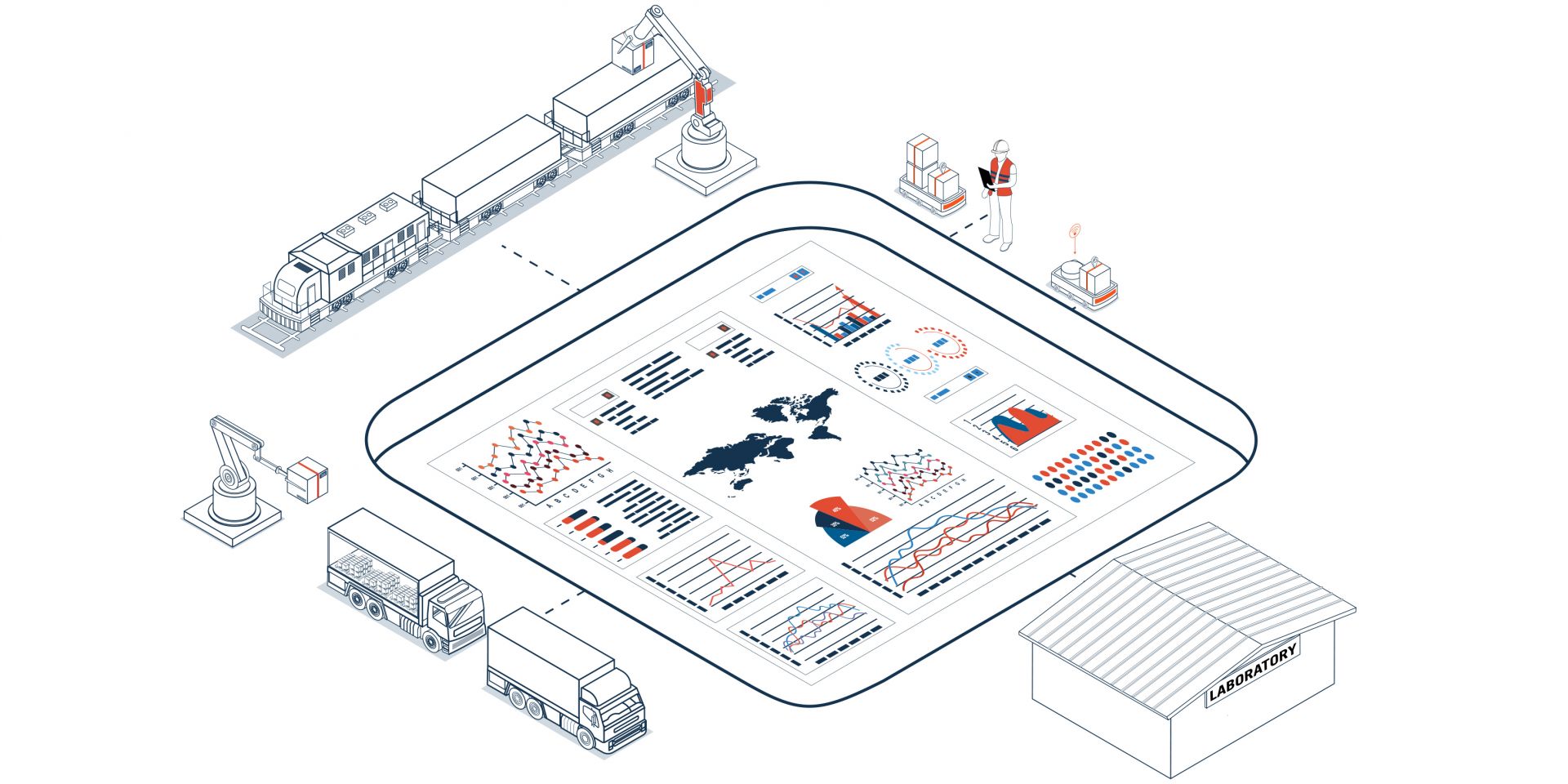
The U.S. Nuclear Waste Technical Review Board (NWTRB or Board) recently completed an evaluation of Department of Energy activities related to transporting spent nuclear fuel (SNF) and high-level radioactive waste. These topics have been the subject of several Board meetings and associated reports, and in September 2019, the Board issued a report, Preparing for Nuclear Waste Transportation–Technical Issues That Need to Be Addressed in Preparing for a Nationwide Effort to Transport Spent Nuclear Fuel and High-Level Radioactive Waste [1], which focuses on the issues DOE will need to address to plan and implement an integrated transportation program. In its report, the Board describes 30 broad technical issues that DOE needs to address and offers three sets of findings and recommendations.