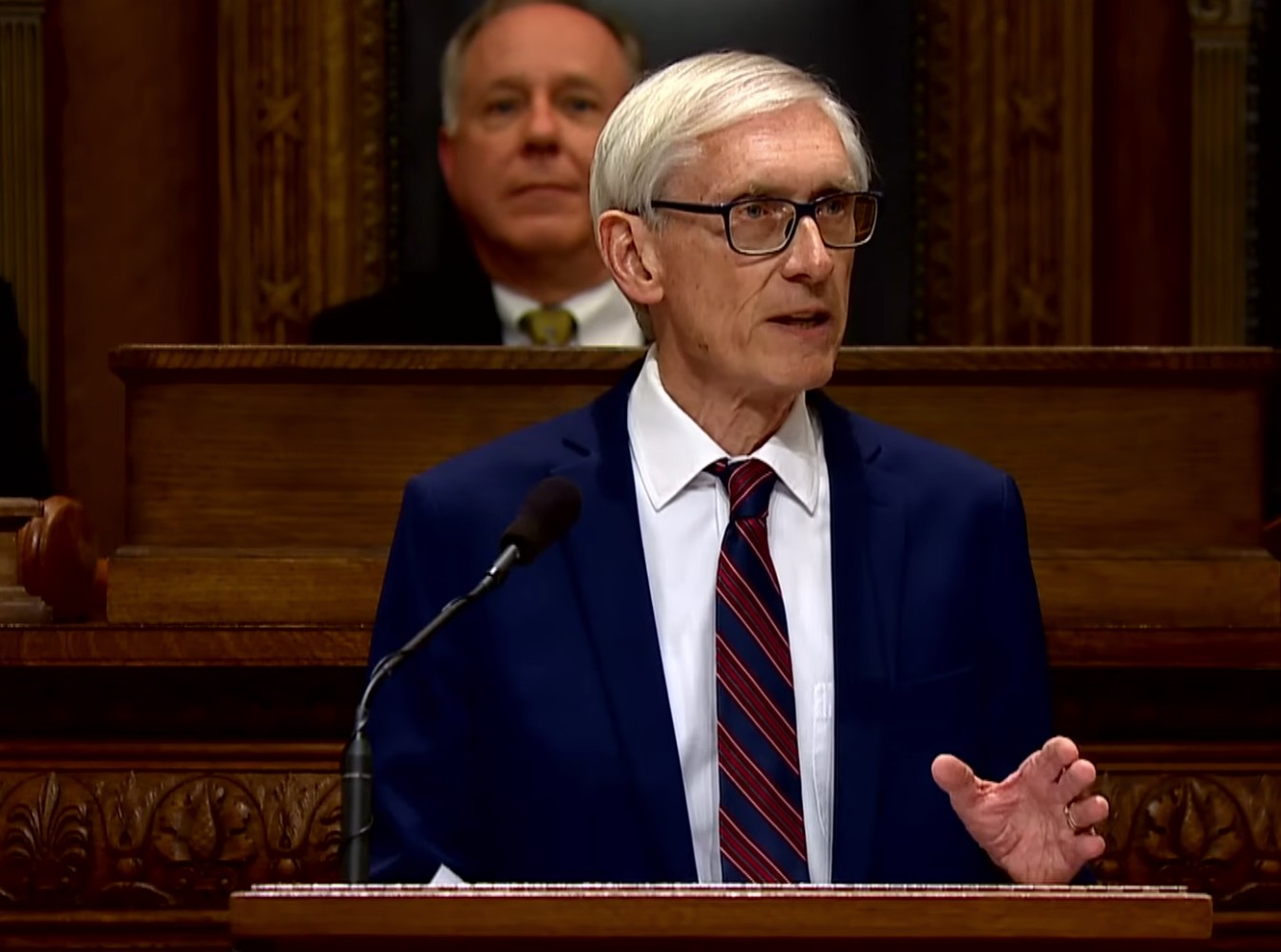
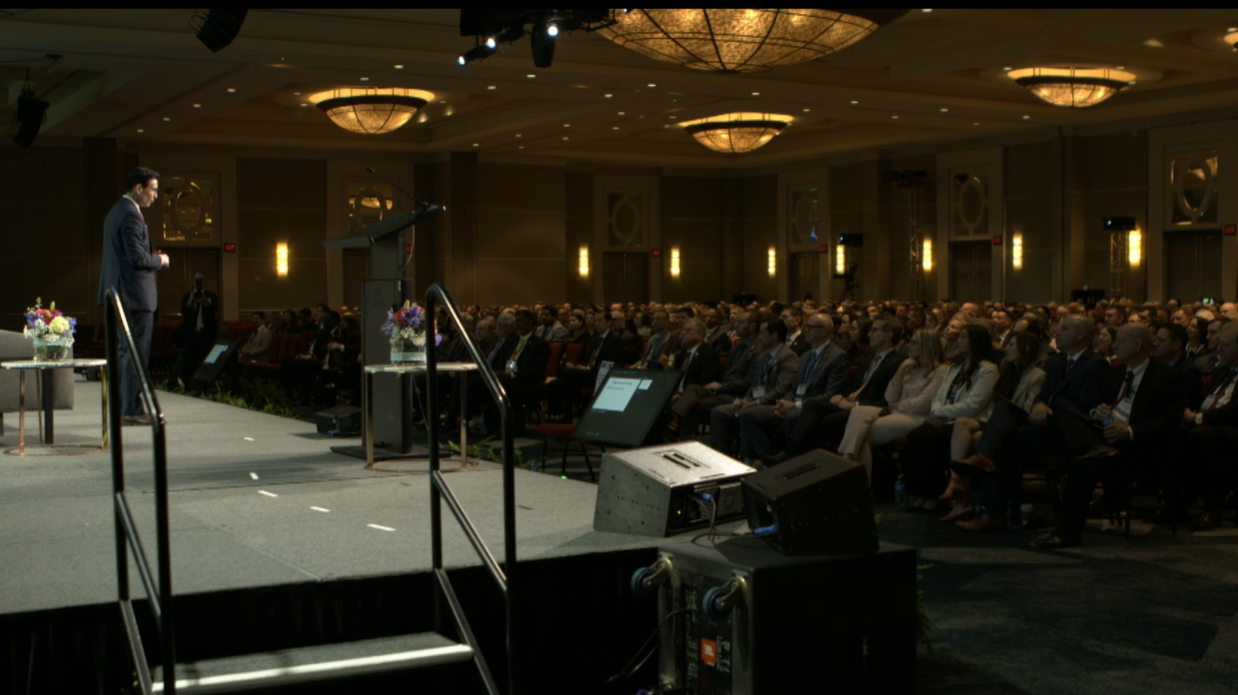
NRC Chairman Ho Nieh speaks to attendees at RIC 2026. (Photo: NRC)
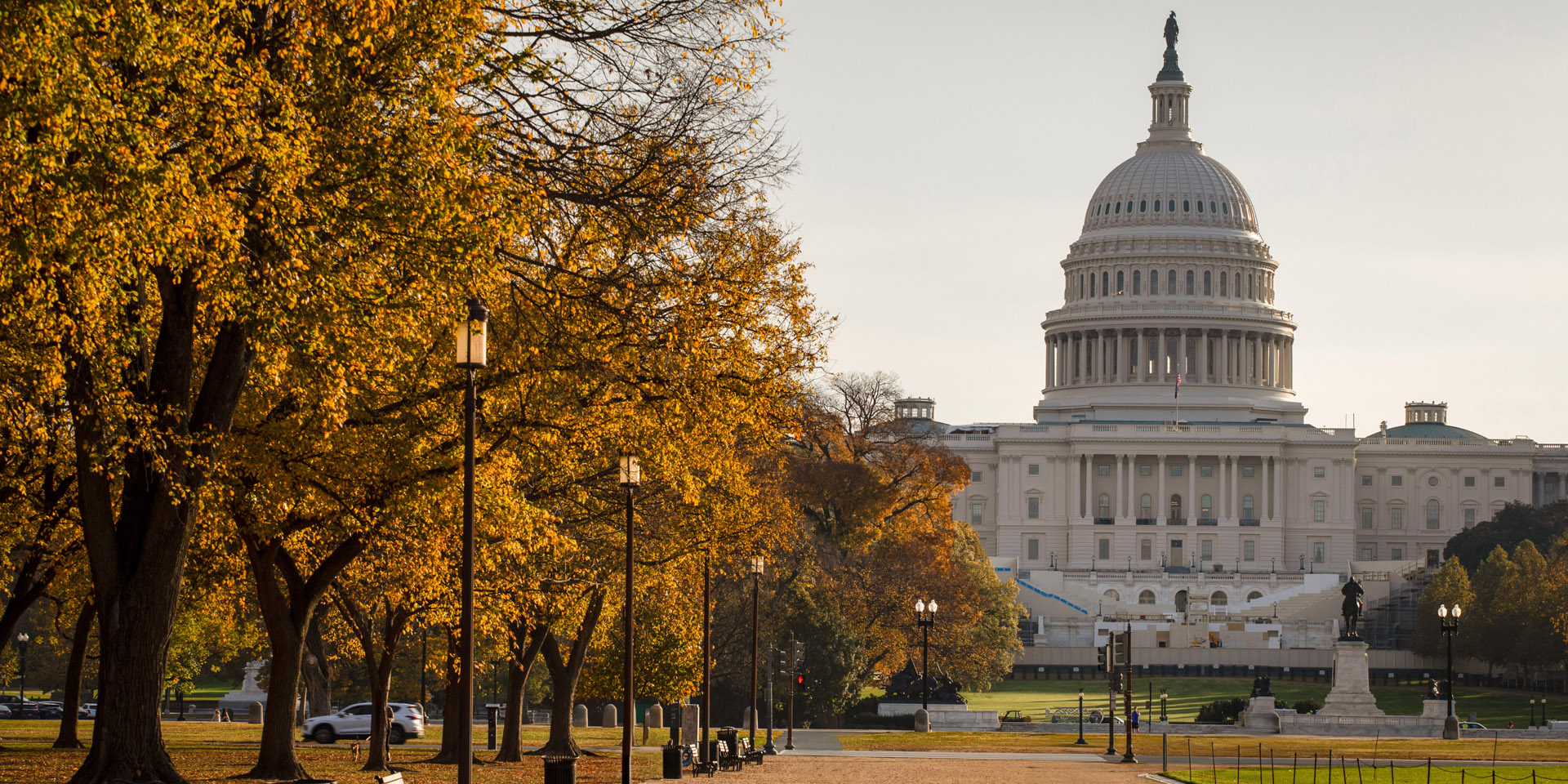
Even a last-minute cancelation from Department of Energy Secretary Chris Wright could not derail the optimism permeating day 1 of the Nuclear Regulatory Commission’s annual Regulatory Information Conference (RIC).
The optimistic theme came up several times during the morning plenary sessions that highlighted Tuesday’s agenda. The NRC commissioners who spoke said the optimism was a result of the “nuclear renaissance” they are encountering that feels different from past nuclear-related revivals that didn’t materialize.
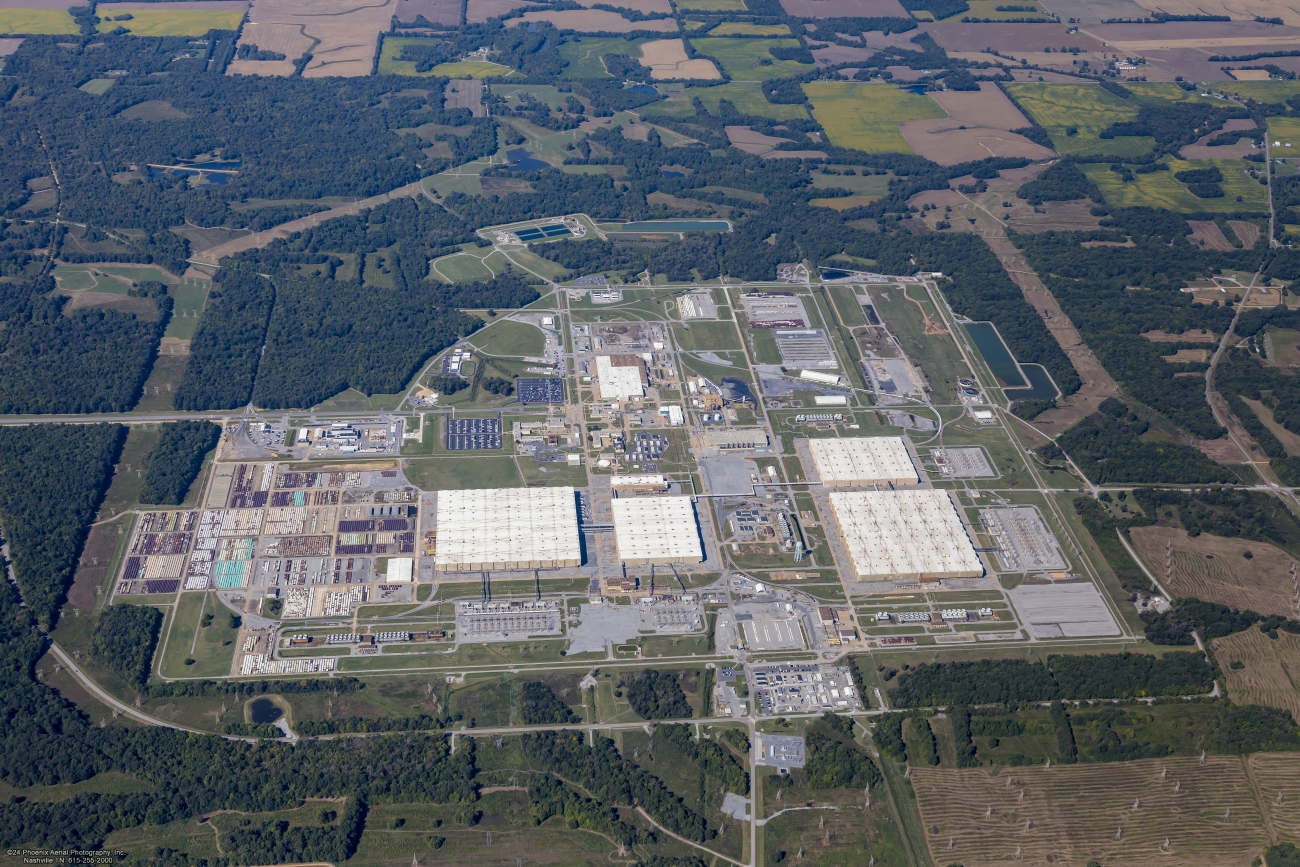
The site of the former Paducah Gaseous Diffusion Plant in Paducah, Ky. (Photo: Greater Paducah Economic Development)
The Kentucky Nuclear Energy Development Authority (KNEDA) recently distributed its first awards through the new Nuclear Energy Development Grant Program, which was established last year. In total, KNEDA disbursed $10 million to a variety of companies that will use the funding to support siting studies, enrichment supply-chain planning, workforce training, and curriculum development.
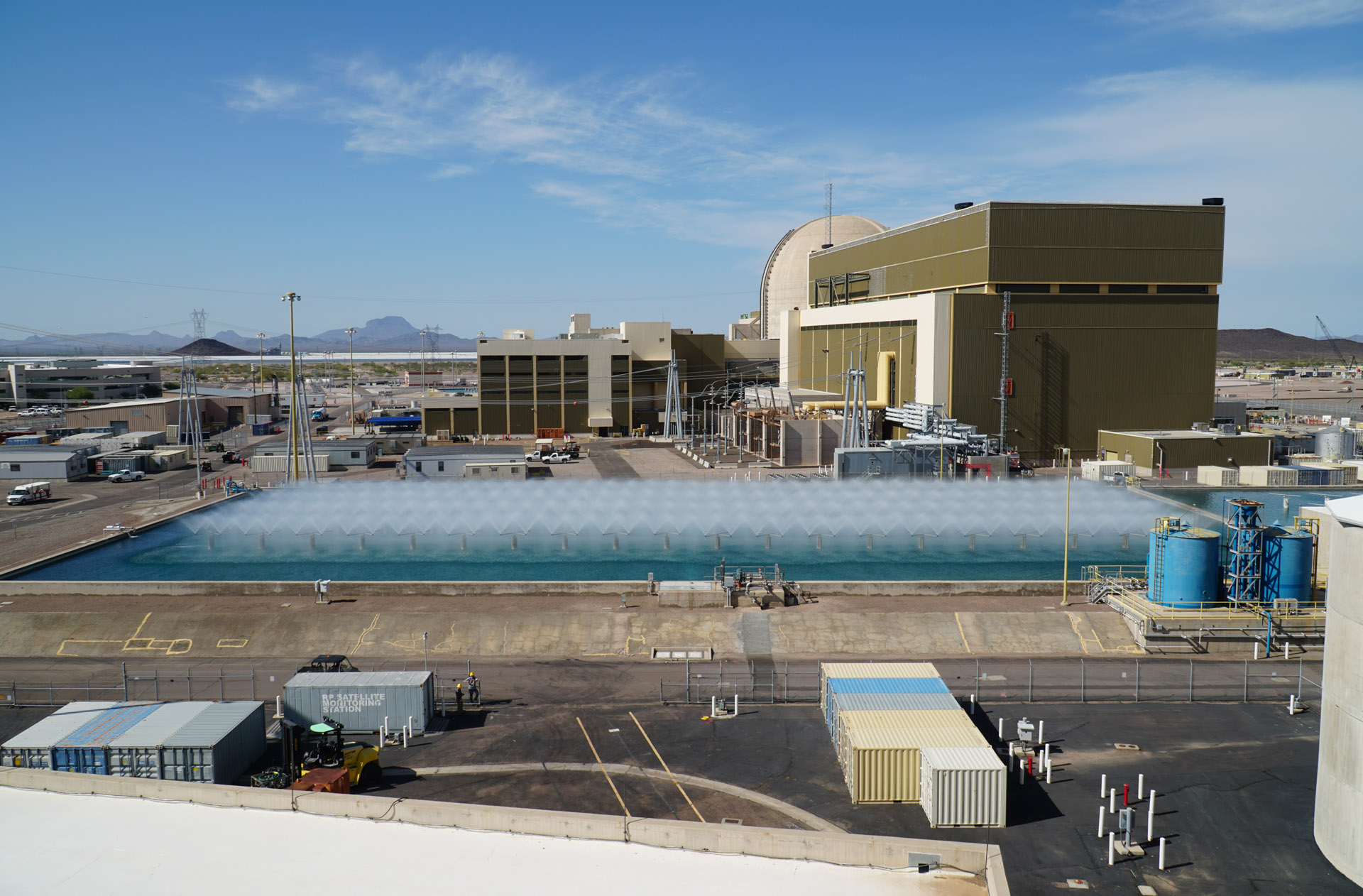
Palo Verde nuclear plant in Arizona. (Photo: APS)
Palo Verde, with three reactors and a combined capacity of about 4,000 MWe, is the only nuclear power plant in Arizona. But that could very well change soon if state officials have their way.
Much like other states in the West, Arizona believes nuclear energy is a vital component of the state’s future energy portfolio. At a special meeting of the Arizona Corporation Commission on February 24, commissioners, officials, and others in attendance showed broad bipartisan support for expanding nuclear energy.
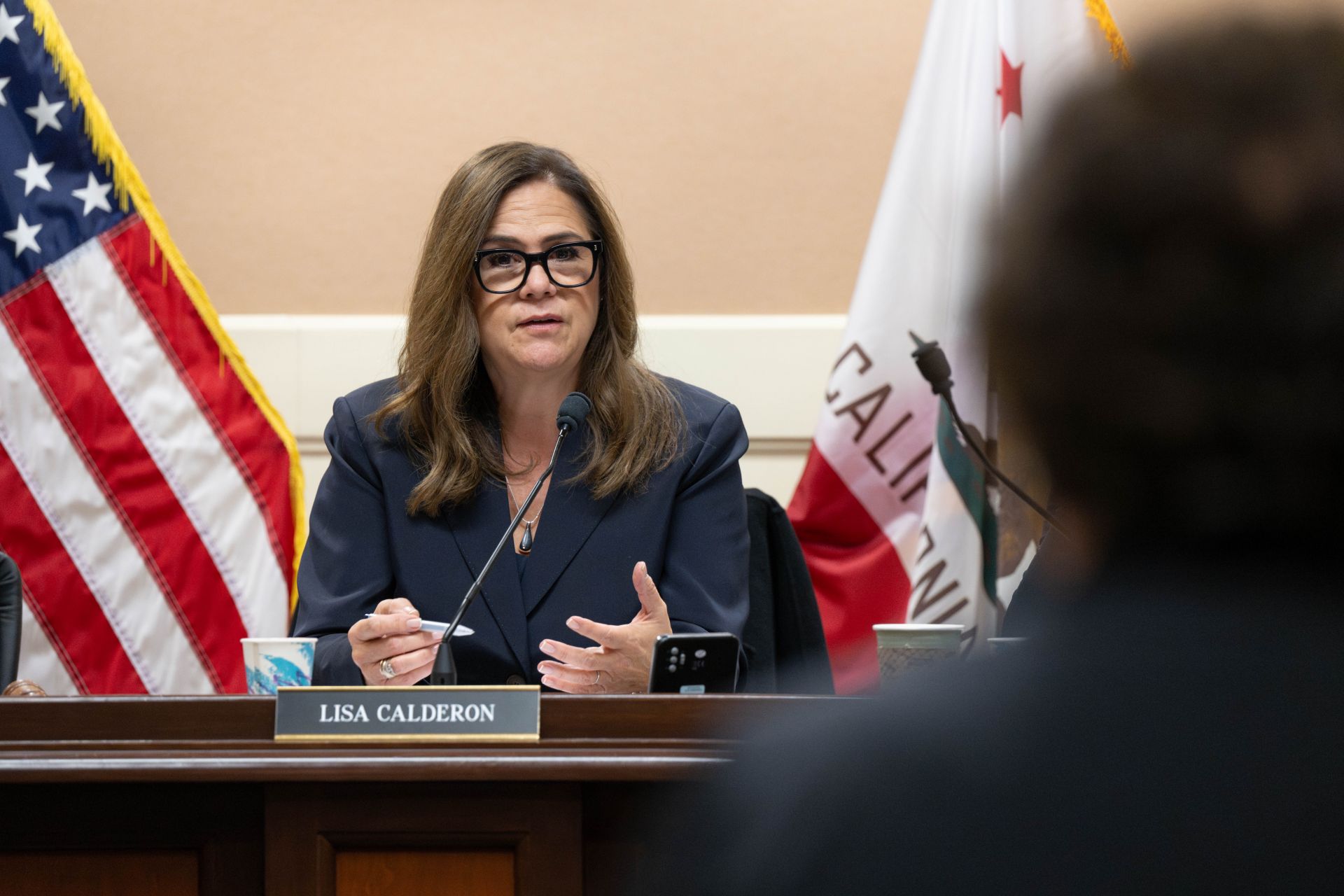
Caption: California Assembly Member Lisa Calderon. (Photo: Office of Lisa Calderon)
Proposed legislation in California could exempt certain reactor designs from the state’s long-standing moratorium on new nuclear generation, effectively ending the moratorium.
California Assembly Member Lisa Calderon (D., 56th Dist.) filed A.B. 2647 with the California State Assembly last week.
If the bill progresses and becomes state law, it could pave the way to increasing the number of nuclear reactors in the state in the future. Currently, Diablo Canyon nuclear power plant houses the only operational commercial nuclear reactors in California.
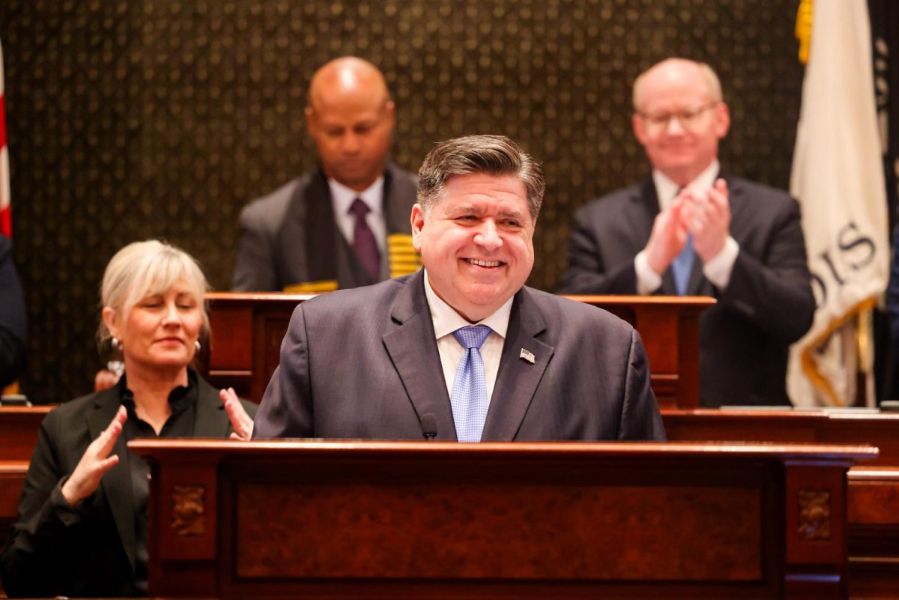
Gov. J. B. Pritzker delivers his 2026 State of the State address in Springfield on February 18. (Photo: @GovPritzker/X)
Illinois Gov. J. B. Pritzker issued a new executive order (EO) on February 18 directing both the Illinois Power Agency and the Illinois Commerce Commission to issue a notice of intent (NOI) to potential developers of new nuclear power plants.
The signing of that EO took place on the same day Pritzker delivered his 2026 State of the State address, in which he set a goal of building at least 2 gigawatts of new nuclear capacity in the state.
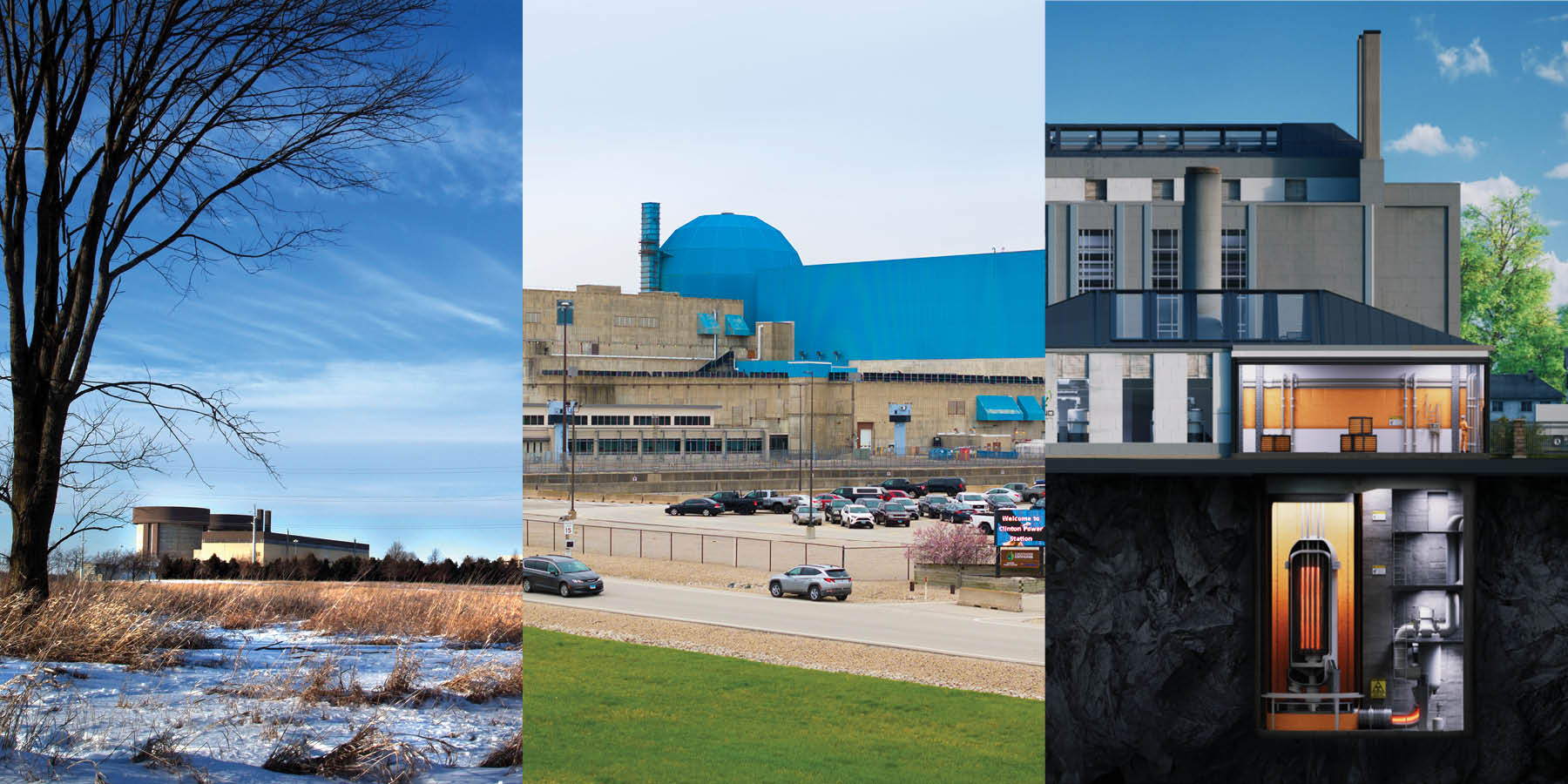
From left: Byron (Photo: Constellation), Clinton (Photo: Constellation), and a rendering of the Kronos reactor planned for the University of Illinois–Urbana-Champaign. (Image: Nano Nuclear)
Nuclear is enjoying a bit of a resurgence. The momentum for reliable energy to support economic development around the country—specifically data centers and AI—remains strong, and strongly in favor of nuclear. And as feature coverage on the states in the January 2026 issue of Nuclear News made abundantly clear, many states now see nuclear as necessary to support rising electricity demand while maintaining a reliable grid and reaching decarbonization goals.
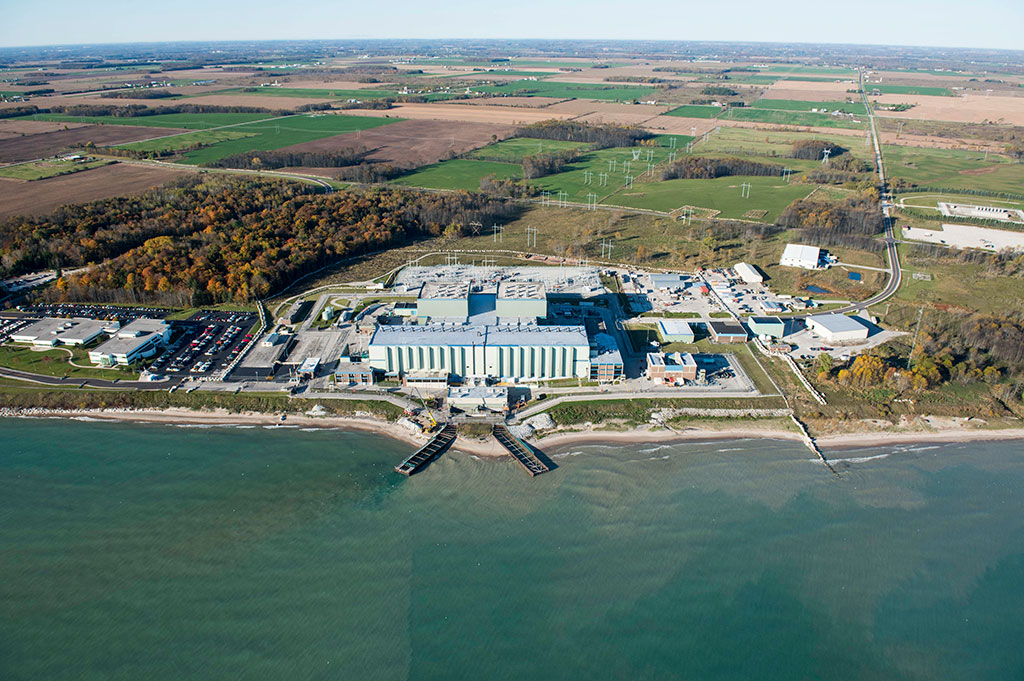
NextEra Energy’s two-unit Point Beach plant in Two Rivers, Wis., is the only nuclear power plant currently operating in Wisconsin. (Photo: NextEra Energy Resources)
In the past week, two pieces of nuclear legislation moved forward in two Midwestern states.
In Wisconsin, a bill to create new tax credits for new power plants passed through the state Assembly and went to the Senate, while in Indiana, a bill to simplify the state approval process for new plants passed through the state Senate and went to the House.
Secretary of Energy Chris Wright (left) and NASA Administrator Jared Isaacman (right) meet at DOE headquarters in Washington, D.C., on January 8. (Photo: NASA/John Kraus)
NASA and the Department of Energy have announced a “renewed commitment” to their mutual goal of supporting research and development for a nuclear fission reactor on the lunar surface to provide power for future missions. The agencies have signed a memorandum of understanding that “solidifies this collaboration and advances President Trump’s vision of American space superiority.”

.jpg)