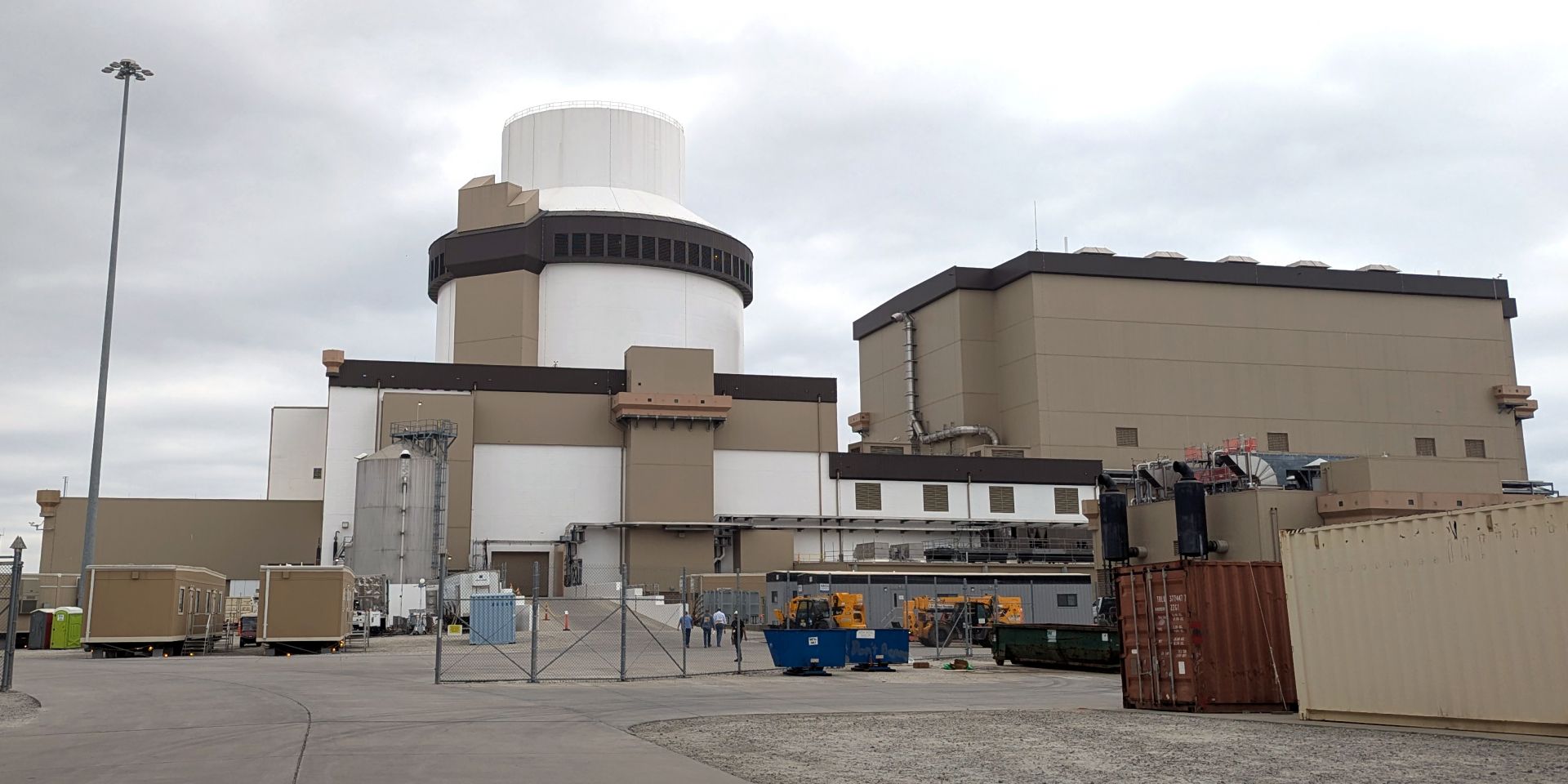
Vogtle Unit 3, one of two Westinghouse AP1000 pressurized water reactors at the Georgia site. (Photo: American Nuclear Society/Dot Schneider)
March has put Westinghouse front and center in multiple news stories, from its role in Japan’s investment in U.S. nuclear energy to the economic impact that 10 potential AP1000 reactors could bring to the United States.
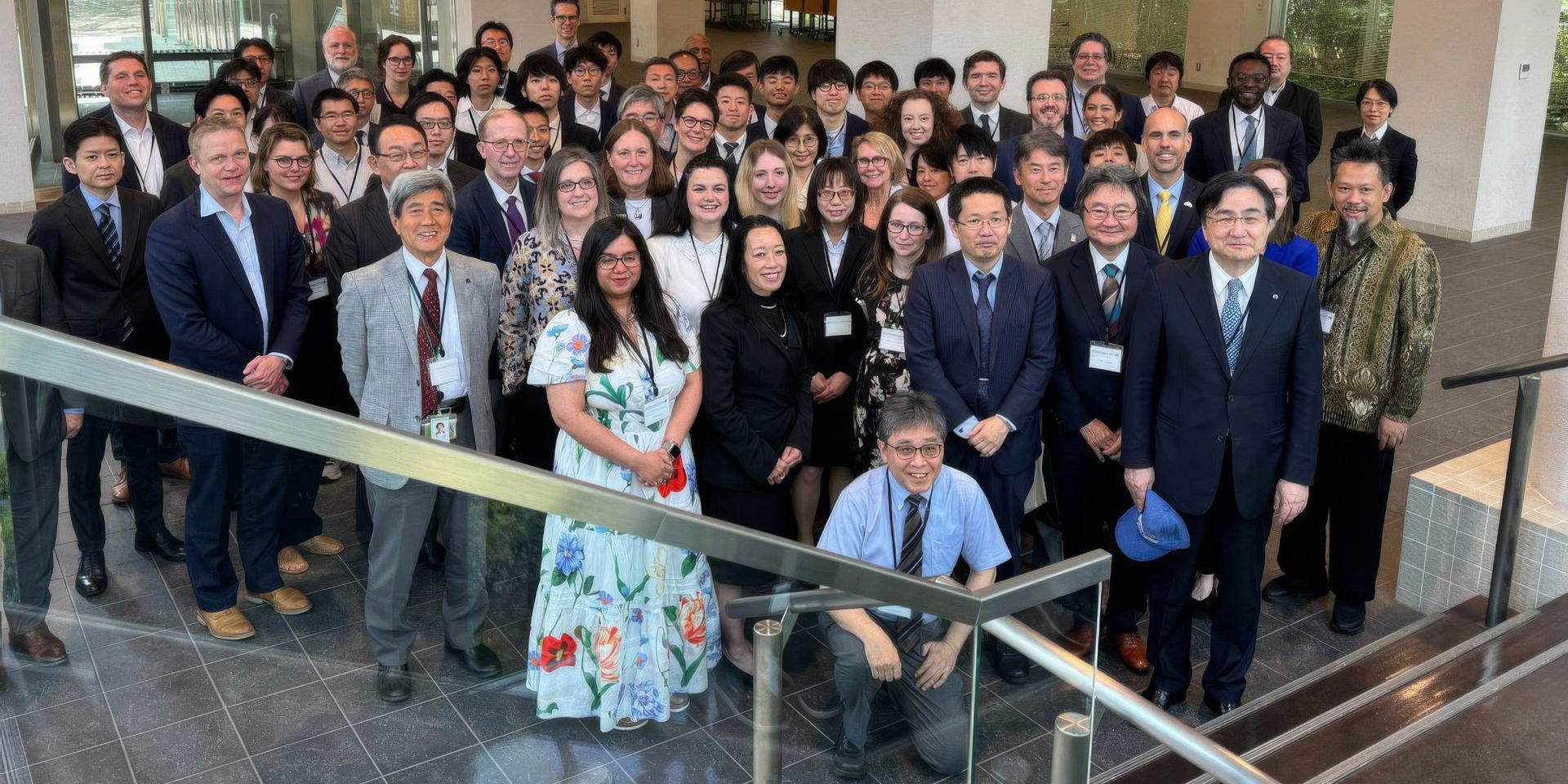
Tohoku University’s Sakura Hall was the site of a workshop coffee break and photo op. (All photos: University of Michigan/Tohoku University)
Tohoku University in Sendai, Japan, was the site of an advanced nuclear reactor workshop in late May that was hosted by the Fastest Path to Zero Initiative of the University of Michigan and Tohoku’s Center for Fundamental Research on Nuclear Decommissioning. The event was co-organized by the U.S. Consulate in Sapporo, Japan, and the Atlantic Council, which is associated with the North Atlantic Treaty Organization. The workshop, “The Potential Contribution of Advanced Nuclear Energy Technologies to the Decarbonization and Economic Development of Japan and the U.S.,” featured numerous American and Japanese academic authorities, government policymakers, executives of utilities and advanced reactor developers, and leaders of nongovernmental organizations. Also participating were students from both the University of Michigan and Tohoku University.
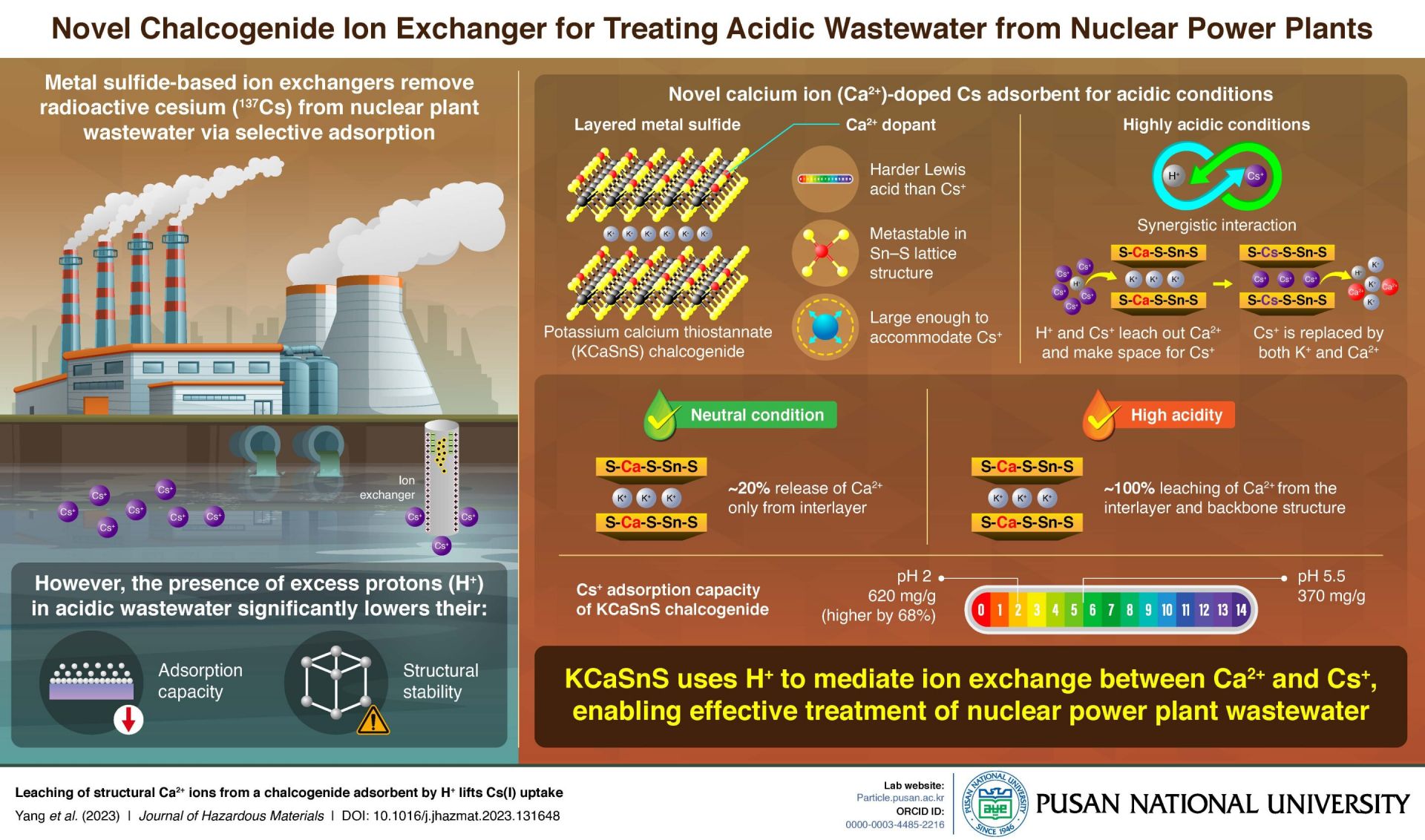
(Image: Kuk Cho/Pusan National University)
Researchers from the Pusan National University in South Korea have developed a new calcium-doped ion exchanger for the removal of radioactive cesium from acidic nuclear power plant wastewater. The findings have the potential for developing more efficient and effective methods of remediating radioactive contamination.