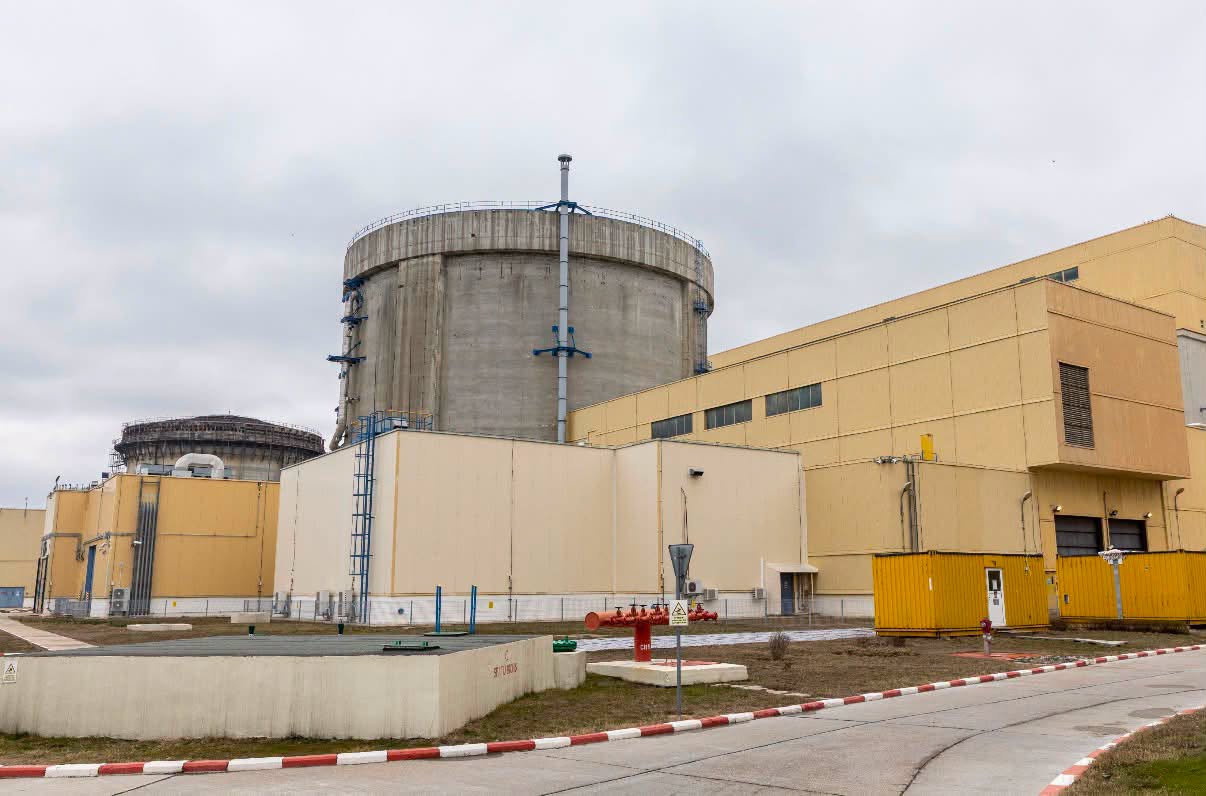
Romania’s Cernavoda nuclear power plant. (Image: Nuclearelectrica)
Romania has taken its last operating reactor off line due to the record-low water levels of the Danube River, in what is the latest example of how the historic heat wave gripping Europe has impacted the river levels and water temperatures needed to operate nuclear power plants across the continent. The situation is not isolated to Romania, however, as power plants in Hungary and France are also facing challenges.
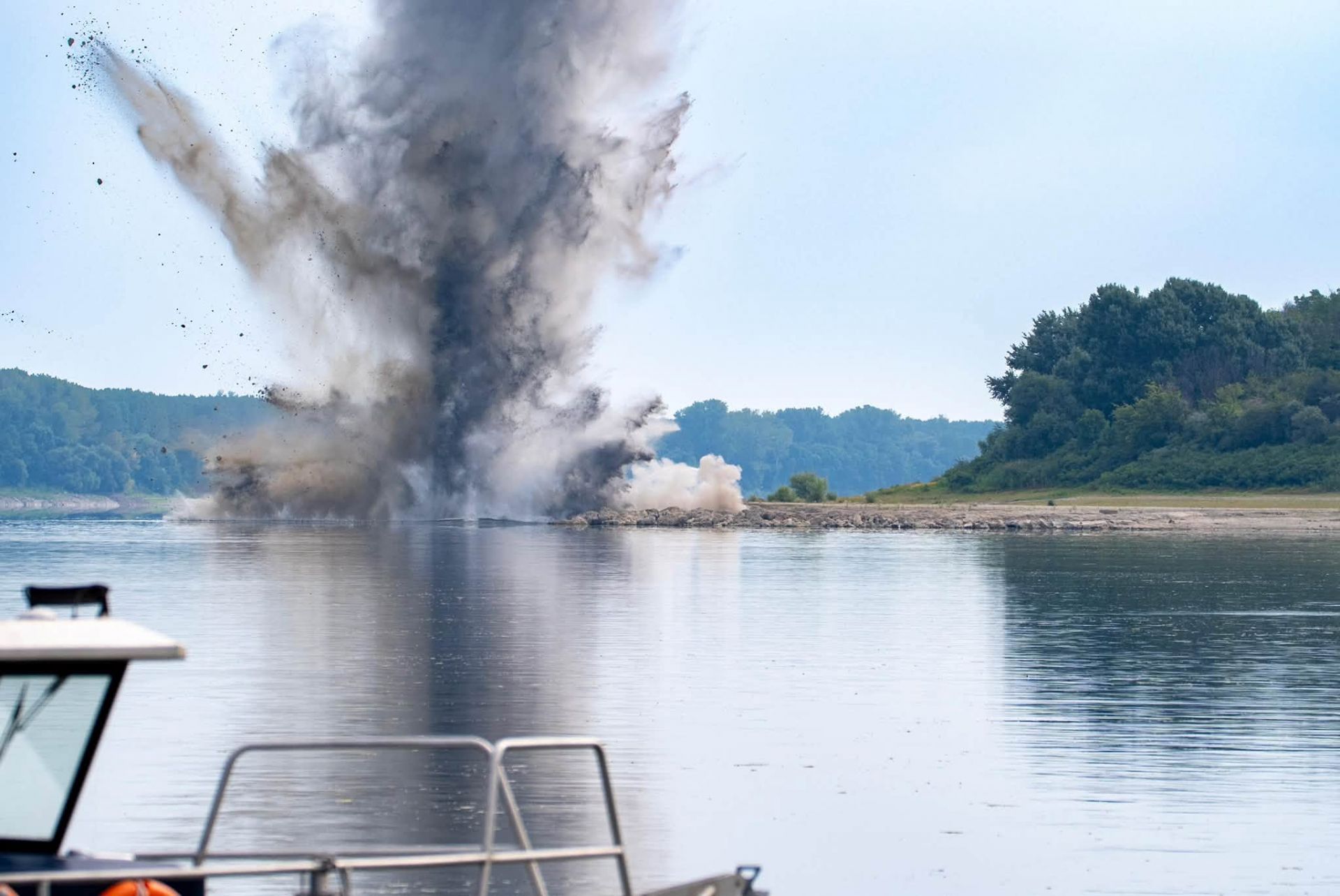
Romania’s navy conducts controlled blasts in the Danube River. (Image: Fortele Navale Romane)
The effects of this summer’s historic heatwave continue to be felt across Europe. Soaring temperatures and drought in the region have led to elevated river temperatures, low river levels, and wildfires, which have significantly impacted nuclear power plants across the continent.
France’s Electricité de France has reported elevated river temperatures which have forced production cuts, including recent cuts at Golfech, and nuclear power plants in Hungary, Romania, and the United Kingdom, have faced exceptional challenges in recent days.
Prime Minister Viktor Orban welcomes Secretary of State Marco Rubio to Hungary. (Photo: @PM_ViktorOrban/X)
The U.S. nuclear industry took a further step to solidify its influence in Central Europe on February 16, when U.S. Secretary of State Marco Rubio and Hungarian Prime Minister Viktor Orbán signed the U.S.-Hungary Civil Nuclear Intergovernmental Agreement, potentially setting the stage for decades of cooperation in civilian nuclear energy between the two countries. This new agreement comes one month after the signing of a similar agreement between the U.S. Department of Energy and the government of Slovakia.
From left, Framatome’s CEO Bernard Fontana shakes hands with Slovenské Elektrárne’s CEO Branislav Strýček following the signing of an MOU. Also pictured is first vice chairman of Slovenské Elektrárne’s board of directors, Michele Bologna.
Slovakia’s Slovenské Elektrárne—operator of the nation’s two nuclear power plants, Bohunice and Mochovce—and France’s Framatome have signed a memorandum of understanding for the development of a global strategic relationship, the companies announced last week.
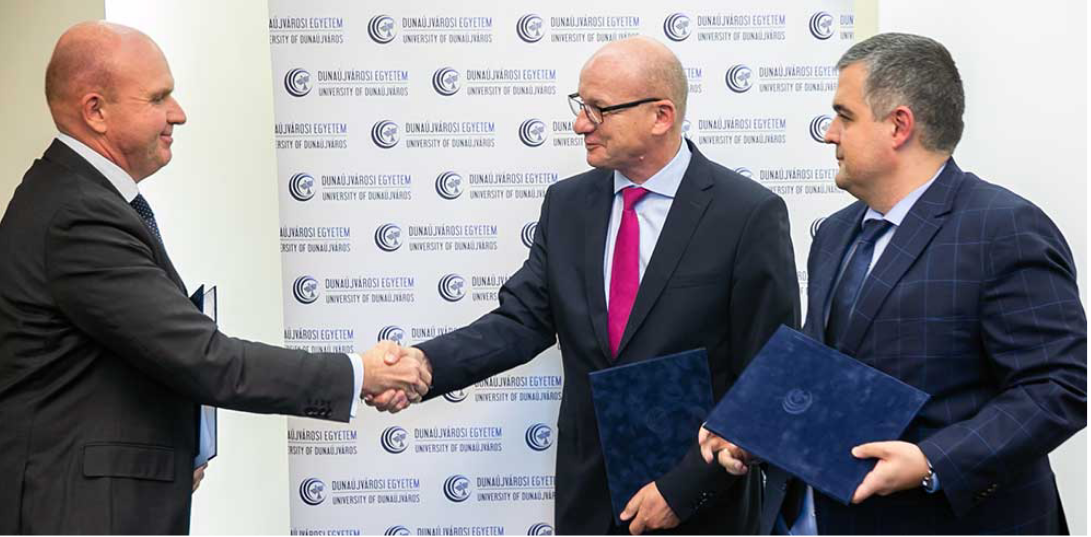
Balázs Bodnár, managing director of Framatome Hungary (left), shakes hands with Habil István András, rector of the University of Dunaújváros, joined by Ferenc Berki, president and CEO of Hunatom. (Photo: Framatome)
The Hungarian office of Framatome this week signed a memorandum of understanding with Budapest-based research and economic development company Hunatom and the University of Dunaújváros to work together supporting nuclear education and training, research and development, and implementation of new technologies for Hungary and surrounding countries.
Representatives of the three organizations signed the MOU during a ceremony at Hungary’s University of Dunaújváros, about 40 miles south of Budapest.