The newest era of workforce development at ANS

August 15, 2025, 3:01PMNuclear NewsLucas Geiger
Instructors and students from this year’s NUC 101 course, along with some ANS members and staff, show their enthusiastic support of the program at the Annual Meeting in Chicago. (Photo: ANS)

As most attendees of this year’s ANS Annual Conference left breakfast in the Grand Ballroom of the Chicago Downtown Marriott to sit in on presentations covering everything from career pathways in fusion to recently digitized archival nuclear films, 40 of them made their way to the hotel’s fifth floor to take part in the second offering of Nuclear 101, a newly designed certification course that seeks to give professionals who are in or adjacent to the industry an in-depth understanding of the essentials of nuclear energy and engineering from some of the field’s leading experts.

North Carolina Collaboratory is funding a future of advanced reactors

August 13, 2025, 9:30AMNuclear News
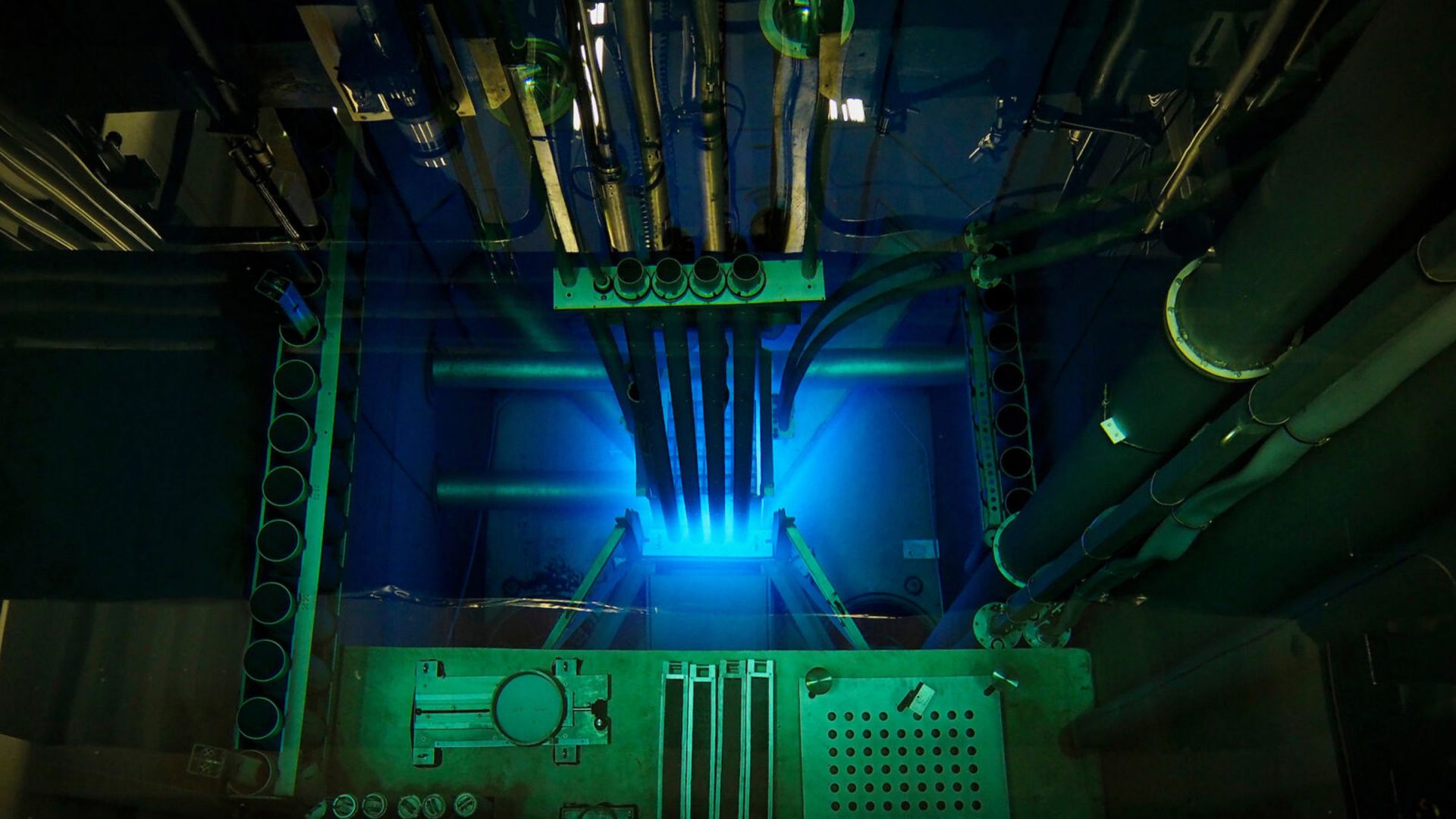
NCSU’s PULSTAR 1-MW education and research reactor shows the blue light of Cherenkov radiation emitted during operation of the core. (Photo: North Carolina State University)

When small modular reactors and other advanced nuclear plants someday provide electricity, hydrogen, desalination, and district heating, the North Carolina Collaboratory will deserve some credit. Headquartered at the University of North Carolina–Chapel Hill, the collaboratory is a research funding agency established by the North Carolina General Assembly in 2016 to partner with academic institutions and government agencies. Its goal is to help transform research into practical applications for the benefit of North Carolina’s state and local economies. To that end, it engages in research projects related to advanced nuclear energy, among other initiatives.

Building momentum for a stronger ANS

August 8, 2025, 9:31AMANS NewsHash Hashemian

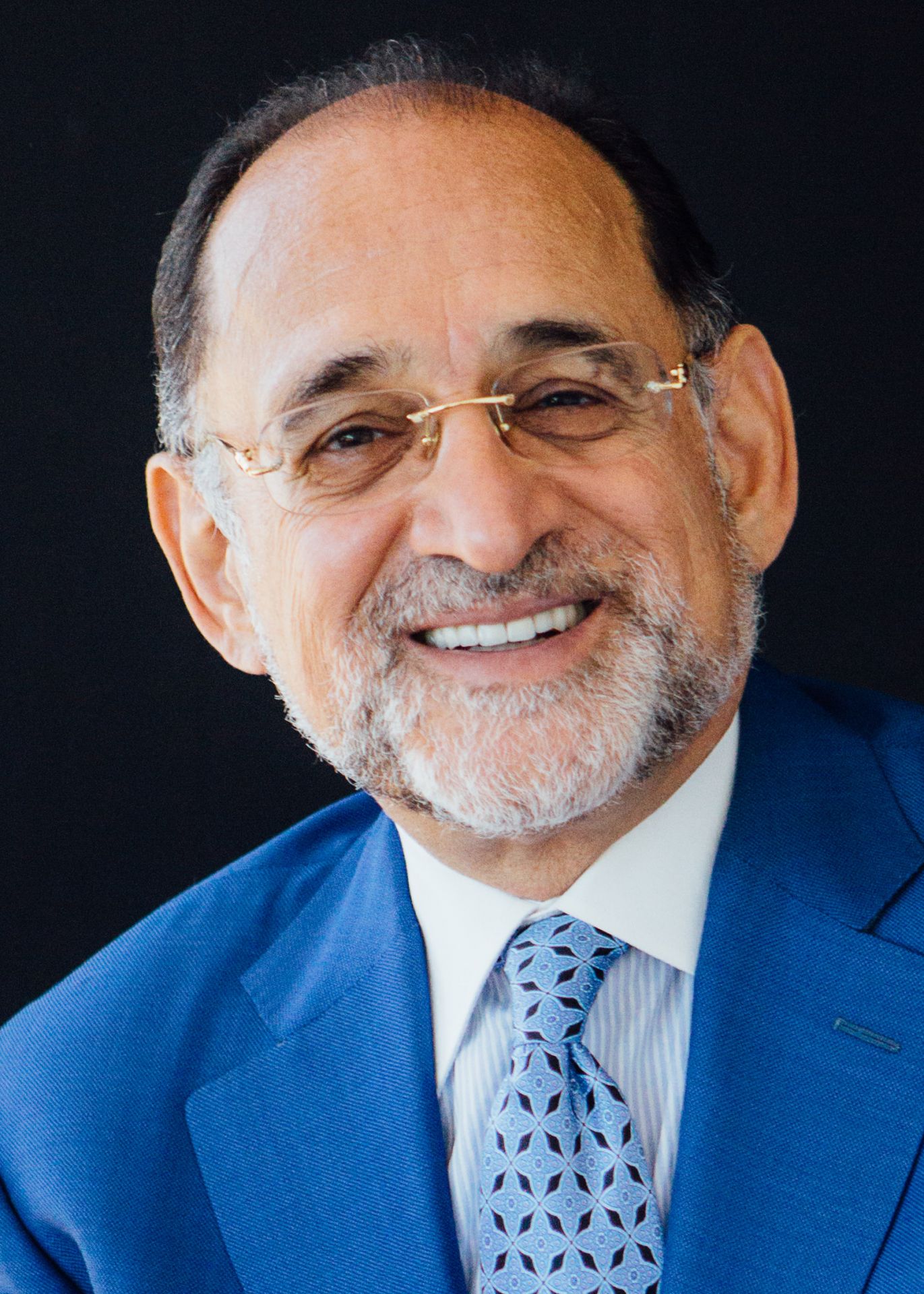
Hash Hashemian
president@ans.org

The 2025 ANS Annual Conference in Chicago was a powerful springboard to begin my term as president. With over 1,400 attendees, it was one of our most dynamic gatherings in recent memory—full of energy, ideas, and a shared commitment to advancing nuclear science and technology.

As we move forward, my focus is clear: to elevate the role of nuclear in environmental protection, national security, energy diversity, and grid stability. These priorities are not just strategic—they are essential to a cleaner, more resilient future.

The goals I laid out at the conclusion of the Board of Directors meeting in June are simple, but I am sure they will be effective in engaging our community.

One simple change to start is the move away from the term meetings—the American Nuclear Society now uses the term conferences to describe its two yearly flagship gatherings, to more appropriately reflect the more than 1,000 attendees that these events bring together.

More of everything

August 7, 2025, 9:30AMNuclear NewsCraig Piercy

Craig Piercy
cpiercy@ans.org

For the past few years, I have been conducting a thoroughly unscientific, one-question poll of nuclear utility and supplier CEOs and senior executives: “What keeps you up at night?” The number one answer is—and has been from the beginning—“Workforce.”

The ongoing shortage of skilled labor—welders, pipefitters, electricians, and the like—almost always gets top billing in nuclear workforce discussions. In April 2025, the U.S. had an eye-popping 600,000 unfilled positions in the construction and manufacturing sectors. This consistent supply gap feeds a continuing talent war that has pushed craft wages up 20 percent since the end of the COVID pandemic, straining project budgets and profit margins alike.

Perhaps the most underappreciated gap in the nuclear workforce is professional and business services. It is the second-largest employment category in the nuclear industry, according to the Department of Energy’s 2024 U.S. Energy & Employment Report.

Chris Wagner: The role of Eden Radioisotopes in the future of nuclear medicine

August 1, 2025, 3:03PMNuclear News
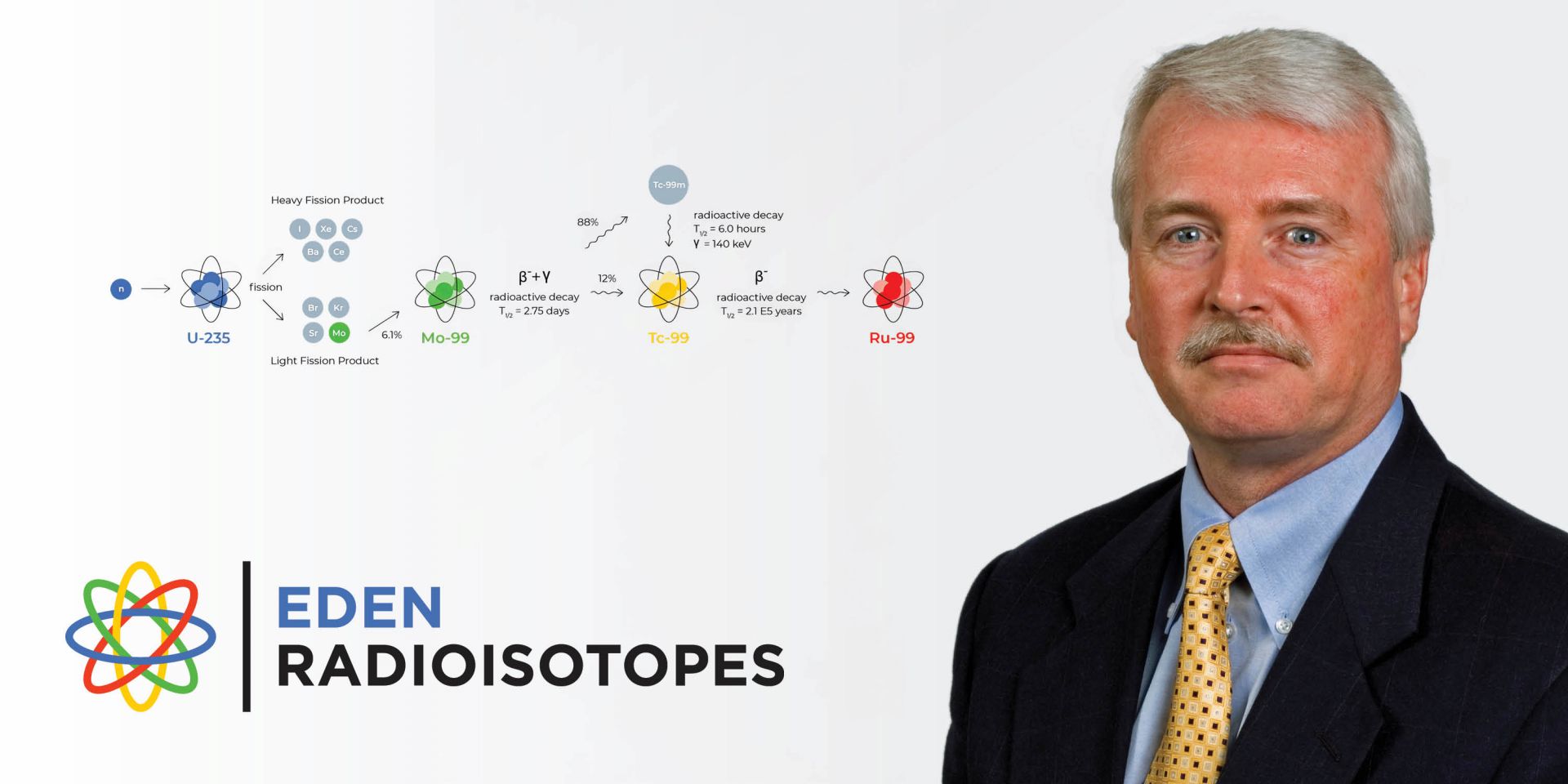
Chris Wagner, chief executive officer of Eden Radioisotopes. Inset: Fission Mo-99 process. (Images: Eden)

Chris Wagner has more than 40 years of experience in nuclear medicine, beginning as a clinical practitioner before moving into leadership roles at companies like Mallinckrodt (now Curium) and Nordion. His knowledge of both the clinical and the manufacturing sides of nuclear medicine laid the groundwork for helping to found Eden Radioisotopes, a start-up venture that intends to make diagnostic and therapeutic raw material medical isotopes like molybdenum-99 and lutetium-177.

Deep geologic repository progress—2025 Update

July 25, 2025, 3:00PMNuclear NewsEmily Stein

Editor's note: This article has was originally published in November 2023. It has been updated with new information as of June 2025.

Outside my office, there is a display case filled with rock samples from all over the world. It contains a disk of translucent, orange salt from the Waste Isolation Pilot Plant near Carlsbad, N.M.; a core of white-and-bronze gneiss from the site of the future deep geologic repository in Eurajoki, Finland; several angular chunks of fine-grained, gray claystone from the underground research laboratory at Bure, France; and a piece of coarse-grained granite from the underground research tunnel in Daejeon, South Korea.

NCRP—The nation’s council

July 24, 2025, 9:30AMNuclear NewsKathryn Higley

Kathryn Higley

For nearly a century, the National Council on Radiation Protection and Measurements has served as the United States’ leading authority on radiation protection. Established in 1929 as the Advisory Committee on X-ray and Radium Protection, the NCRP was created in response to growing concerns about the health risks of radiation exposure following the discoveries of X-rays and radioactivity.

It was formally chartered by Congress in 1964 through Public Law 88-376, also known as the National Council on Radiation Protection and Measurements Charter Act. The NCRP has provided science-­based guidance for the public, workers, and the environment. Its work spans a wide range of topics, including protecting patients and workers in medical, industrial, and environmental settings; supporting emergency preparedness; developing risk models for low-dose exposures; guiding safe practices for new technologies such as advanced nuclear reactors; and providing information on wireless communication devices.

Nuclear technology for today and tomorrow

July 22, 2025, 11:59AMNuclear NewsHash Hashemian

Hash Hashemian
president@ans.org

I am deeply honored and grateful to have been elected president of the American Nuclear Society. Your support and confidence in me are truly humbling, and I want to extend my heartfelt thanks to each and every one of you.

As president, my top priority is to expedite the deployment of new nuclear reactors, beginning with small modular reactors and eventually progressing to Generation IV systems. I will also work to ensure that the United States keeps its global leadership in this field. For the U.S. to do that, the federal government must maintain and expand its financial support of the nuclear industry by preserving critical incentives, tax provisions, and infrastructure investments.

The RAIN scale: A good intention that falls short

July 18, 2025, 3:28PMNuclear NewsAmir A. Bahadori

Radiation protection specialists agree that clear communication of radiation risks remains a vexing challenge that cannot be solved solely by finding new ways to convey technical information.

Earlier this year, an article in Nuclear News described a new radiation risk communication tool, known as the Radiation Index, or, RAIN (“Let it RAIN: A new approach to radiation communication,” NN, Jan. 2025, p. 36). The authors of the article created the RAIN scale to improve radiation risk communication to the general public who are not well-versed in important aspects of radiation exposures, including radiation dose quantities, units, and values; associated health consequences; and the benefits derived from radiation exposures.

The Frisch-Peierls memorandum: A seminal document of nuclear history

July 14, 2025, 12:00PMNuclear NewsCameron Reed
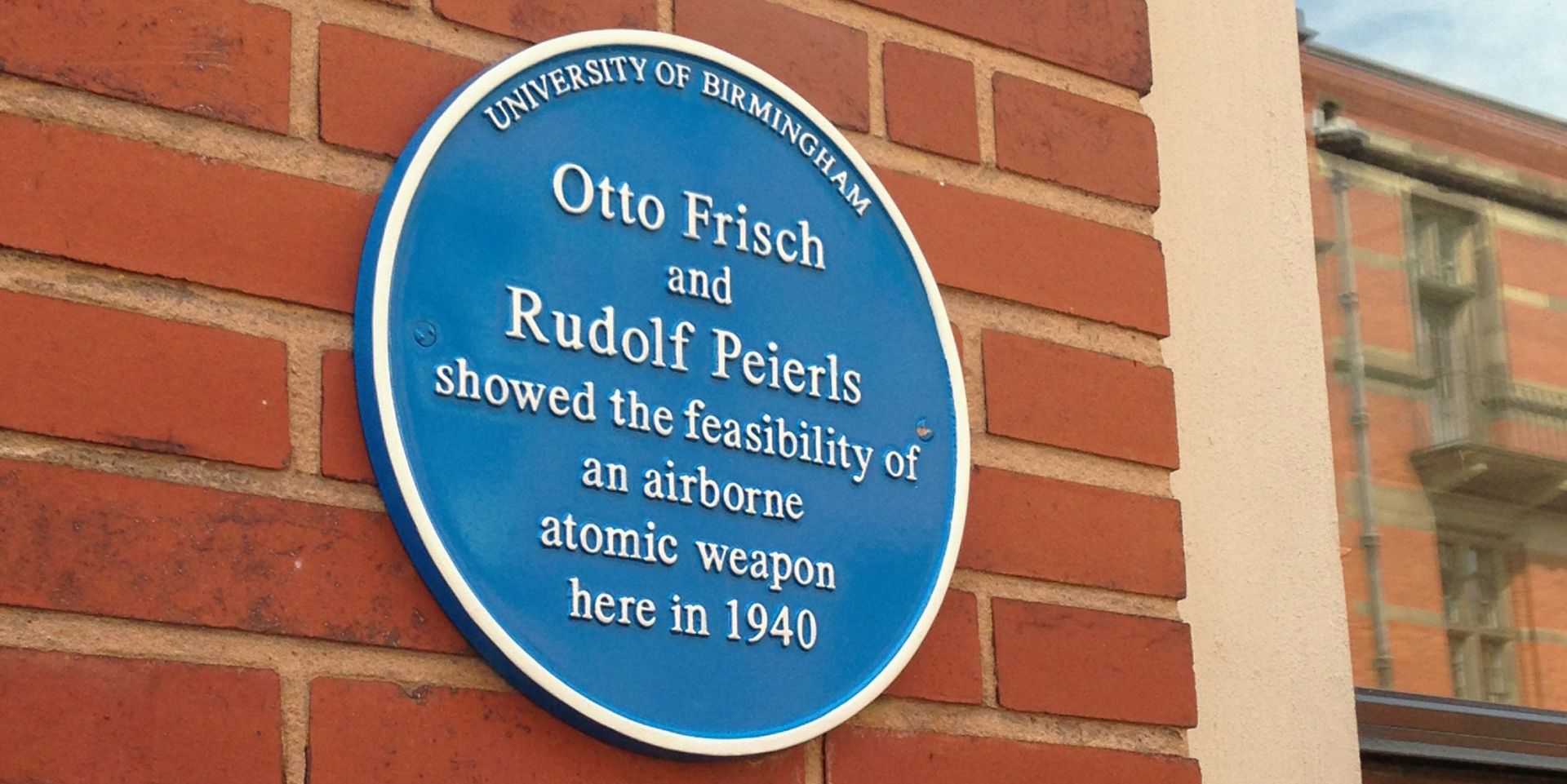
Plaque honoring Frisch and Peierls at the University of Birmingham in England. (Photo: Anthony Cox)

The Manhattan Project is usually considered to have been initiated with Albert Einstein’s letter to President Franklin Roosevelt in October 1939. However, a lesser-known document that was just as impactful on wartime nuclear history was the so-called Frisch-Peierls memorandum. Prepared by two refugee physicists at the University of Birmingham in Britain in early 1940, this manuscript was the first technical description of nuclear weapons and their military, strategic, and ethical implications to reach high-level government officials on either side of the Atlantic. The memorandum triggered the initiation of the British wartime nuclear program, which later merged with the Manhattan Engineer District.

Deep Space: The new frontier of radiation controls

July 11, 2025, 3:00PMNuclear NewsDennis Chamberland
Ronald E. Evans, the command module pilot for Apollo 17, performed a deep-space extravehicular activity (EVA) to retrieve a film canister during the mission’s return to Earth. At about 160,000 miles from Earth, it was the most distant spacewalk ever conducted in deep space under full-spectrum GCR. (Photo: NASA)

In commercial nuclear power, there has always been a deliberate tension between the regulator and the utility owner. The regulator fundamentally exists to protect the worker, and the utility, to make a profit. It is a win-win balance.

From the U.S. nuclear industry has emerged a brilliantly successful occupational nuclear safety record—largely the result of an ALARA (as low as reasonably achievable) process that has driven exposure rates down to what only a decade ago would have been considered unthinkable. In the U.S. nuclear industry, the system has accomplished an excellent, nearly seamless process that succeeds to the benefit of both employee and utility owner.

Moving past Sayre’s Law on low-dose radiation

July 9, 2025, 12:02PMNuclear NewsCraig Piercy

Craig Piercy
cpiercy@ans.org

So, President Trump has just kicked the low-dose radiation hornets’ nest.

Specifically, his recently signed executive order “Ordering the Reform of the Nuclear Regulatory Commission” calls for the NRC to “reconsider reliance” on the linear no-threshold (LNT) theory and the ALARA (as low as reasonably achievable) standard for radiation protection.

This directive will certainly reignite a vociferous debate within the radiation research community over the continued efficacy of using LNT as the basis for protecting the public and the environment, a community that has been wracked with controversy on this matter for the last few years.

I must admit that whenever the low-dose issue comes up, my first thoughts always go to Sayre’s Law.

Hash Hashemian: Visionary leadership

July 3, 2025, 3:04PMNuclear NewsLucas Geiger

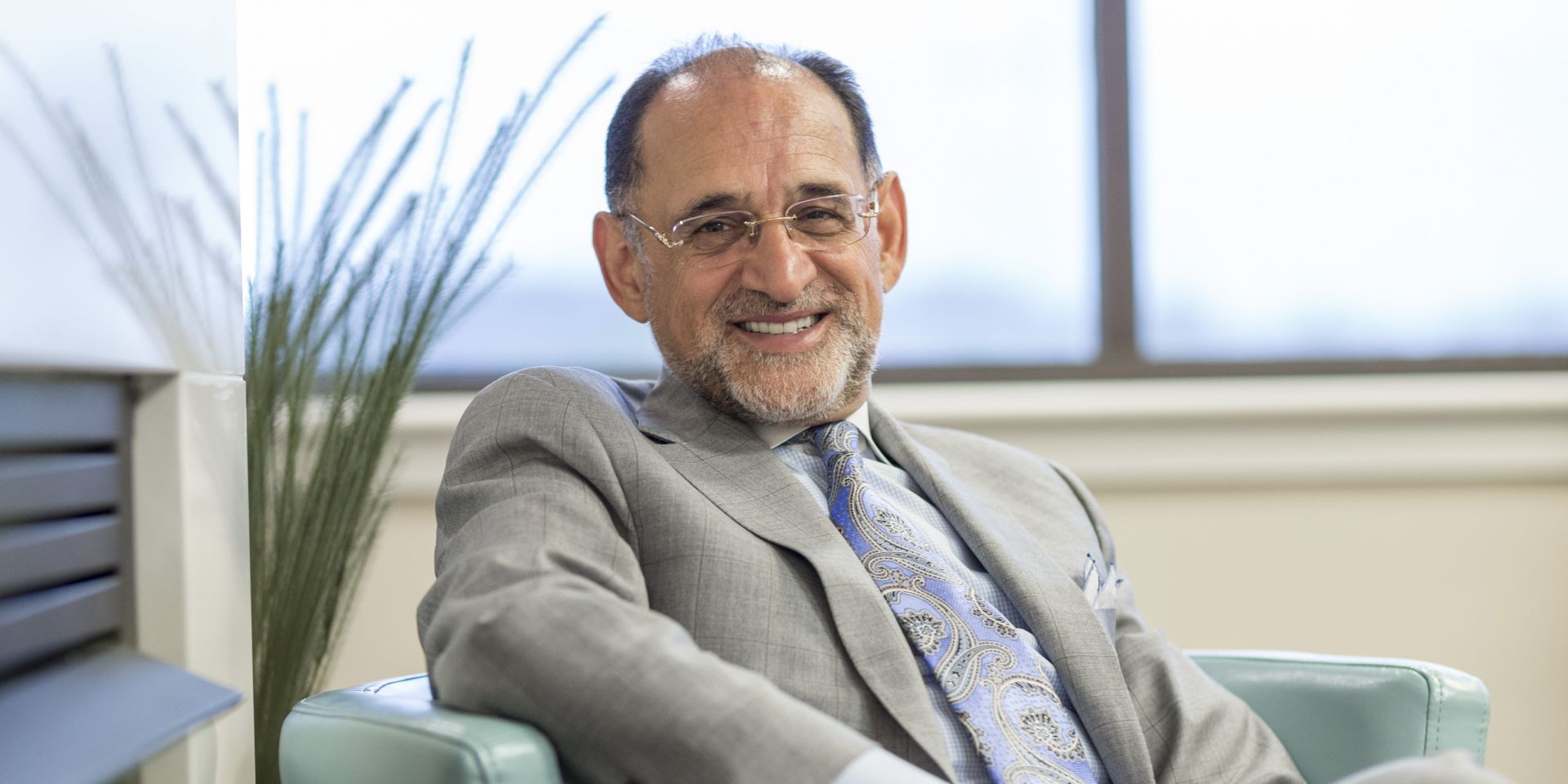
As Dr. Hashem M. “Hash” Hashemian prepares to step into his term as President of the American Nuclear Society, he is clear that he wants to make the most of this unique moment.

A groundswell in public approval of nuclear is finding a home in growing governmental support that is backed by a tailwind of technological innovation. “Now is a good time to be in nuclear,” Hashemian said, as he explained the criticality of this moment and what he hoped to accomplish as president.

The U.S. Million Person Study of Low-Dose-Rate Health Effects

June 27, 2025, 3:02PMNuclear NewsLawrence Dauer
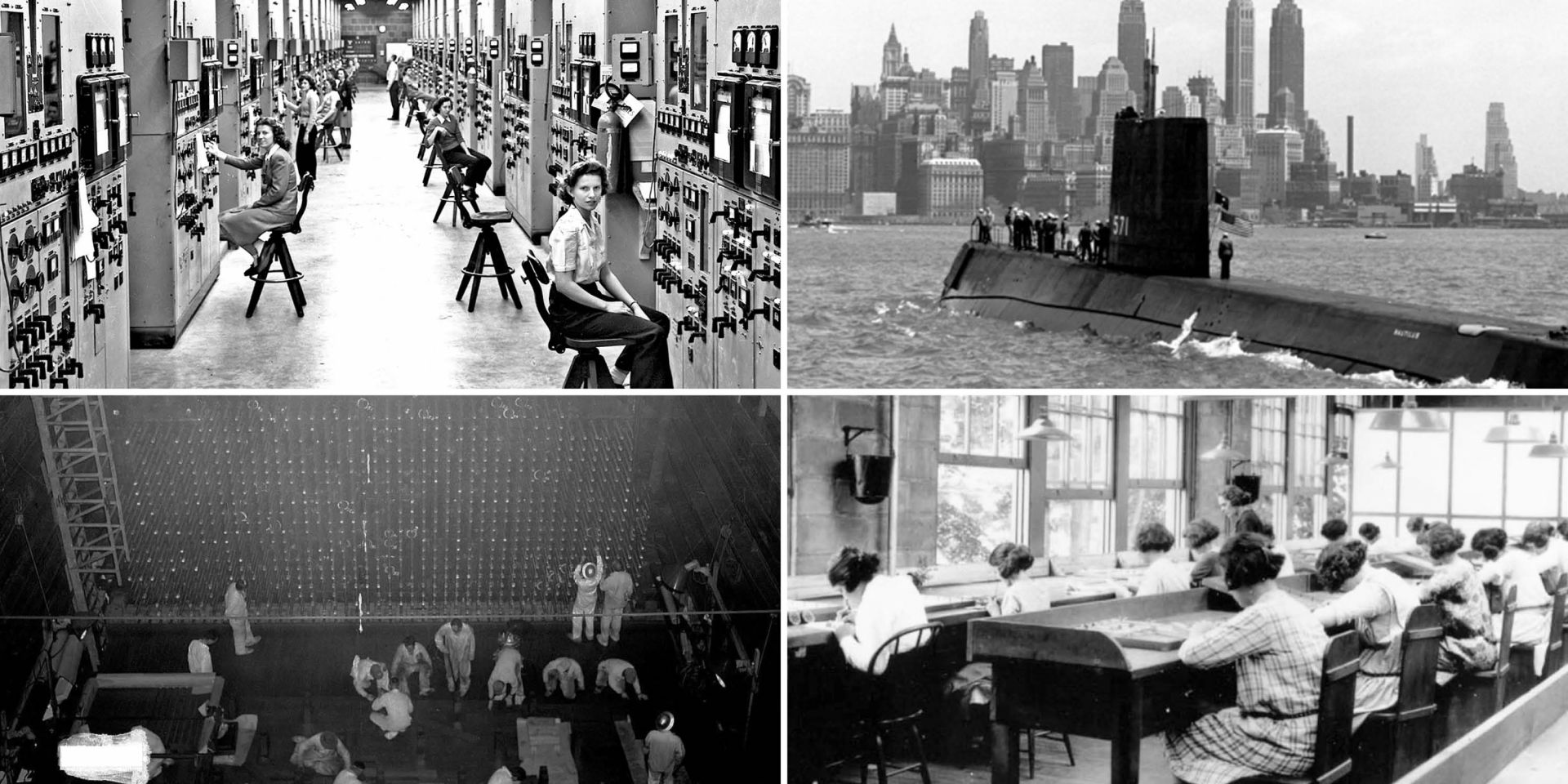
Clockwise from top left: Calutron operators at their panels in the Y-12 plant at Oak Ridge, Tenn., the USS Nautilus SSN571, women working in a factory of the United States Radium Corporation, and the front face of the B Reactor at the Hanford site.

There is a critical knowledge gap regarding the health consequences of exposure to radiation received gradually over time. While there is a plethora of studies on the risks of adverse outcomes from both acute and high-dose exposures, including the landmark study of atomic bomb survivors, these are not characteristic of the chronic exposure to low-dose radiation encountered in occupational and public settings. In addition, smaller cohorts have limited numbers leading to reduced statistical power.

WIPP’s SSCVS: A breath of fresh air

June 25, 2025, 12:00PMNuclear NewsTim Gregoire
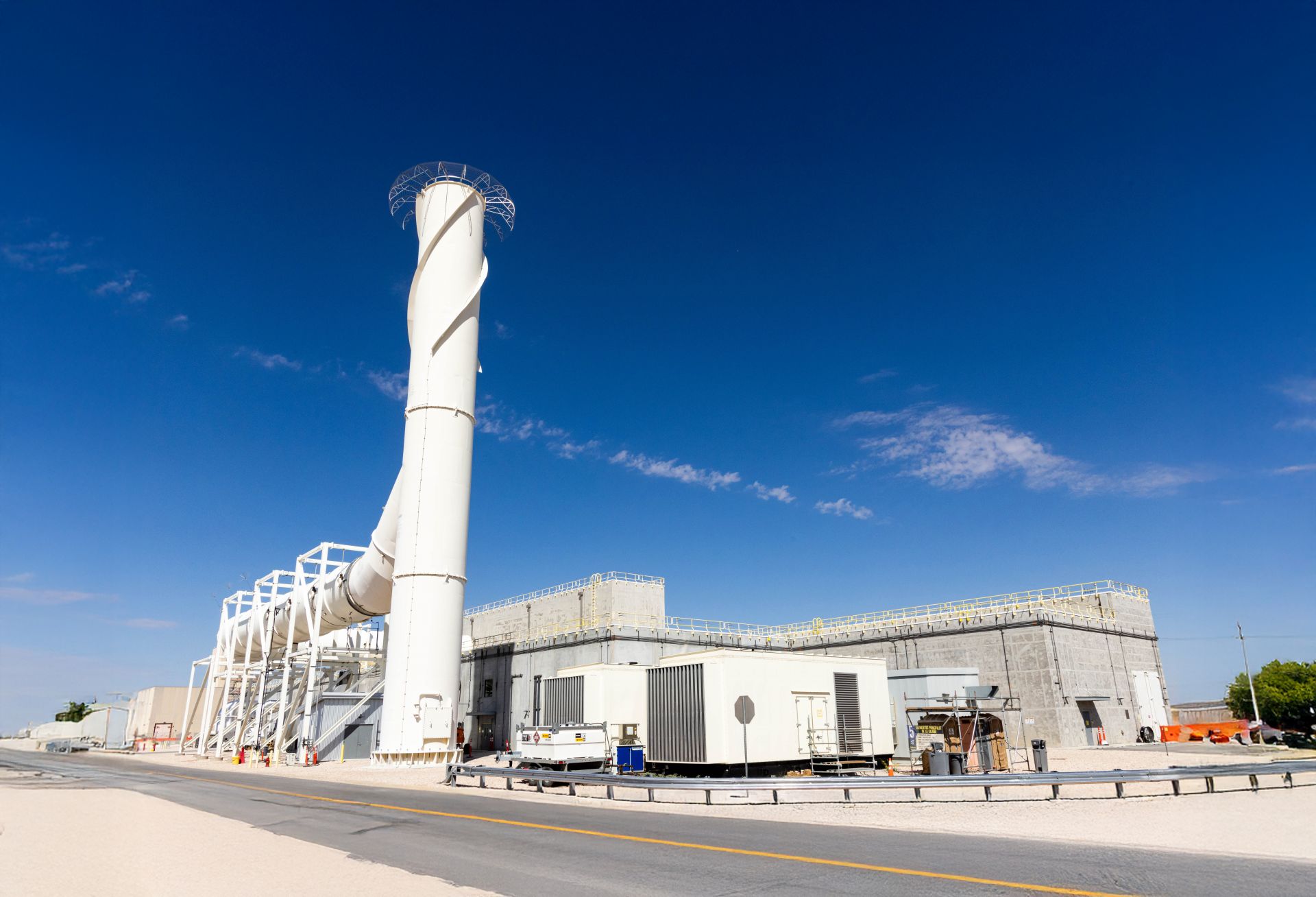
WIPP completed the commissioning of a large-scale ventilation system, known as the Safety Significant Confinement Ventilation System, this spring. The system will restore full ventilation to the underground repository. (Photo: DOE)

This spring, the Department of Energy’s Office of Environmental Management announced that it had achieved a major milestone by completing commissioning of the Safety Significant Confinement Ventilation System (SSCVS) facility—a new, state-of-the-art, large-scale ventilation system at the Waste Isolation Pilot Plant, the DOE’s geologic repository for defense-related transuranic (TRU) waste in New Mexico.

Take steps on SNF and HLW disposal

June 20, 2025, 3:08PMNuclear NewsMatt Bowen

Matt Bowen

With a new administration and Congress, it is time once again to ponder what will happen—if anything—on U.S. spent nuclear fuel and high-level waste management policy over the next few years. One element of the forthcoming discussion seems clear: The executive and legislative branches are eager to talk about recycling commercial SNF. Whatever the merits of doing so, it does not obviate the need for one or more facilities for disposal of remaining long-lived radionuclides. For that reason, making progress on U.S. disposal capabilities remains urgent, lest the associated radionuclide inventories simply be left for future generations to deal with.

In March, Rick Perry, who was secretary of energy during President Trump’s first administration, observed that during his tenure at the Department of Energy it became clear to him that any plan to move SNF “required some practical consent of the receiving state and local community.”1

West Virginia couple use ANS Geiger counters for nuclear education

June 20, 2025, 7:10AMNuclear News
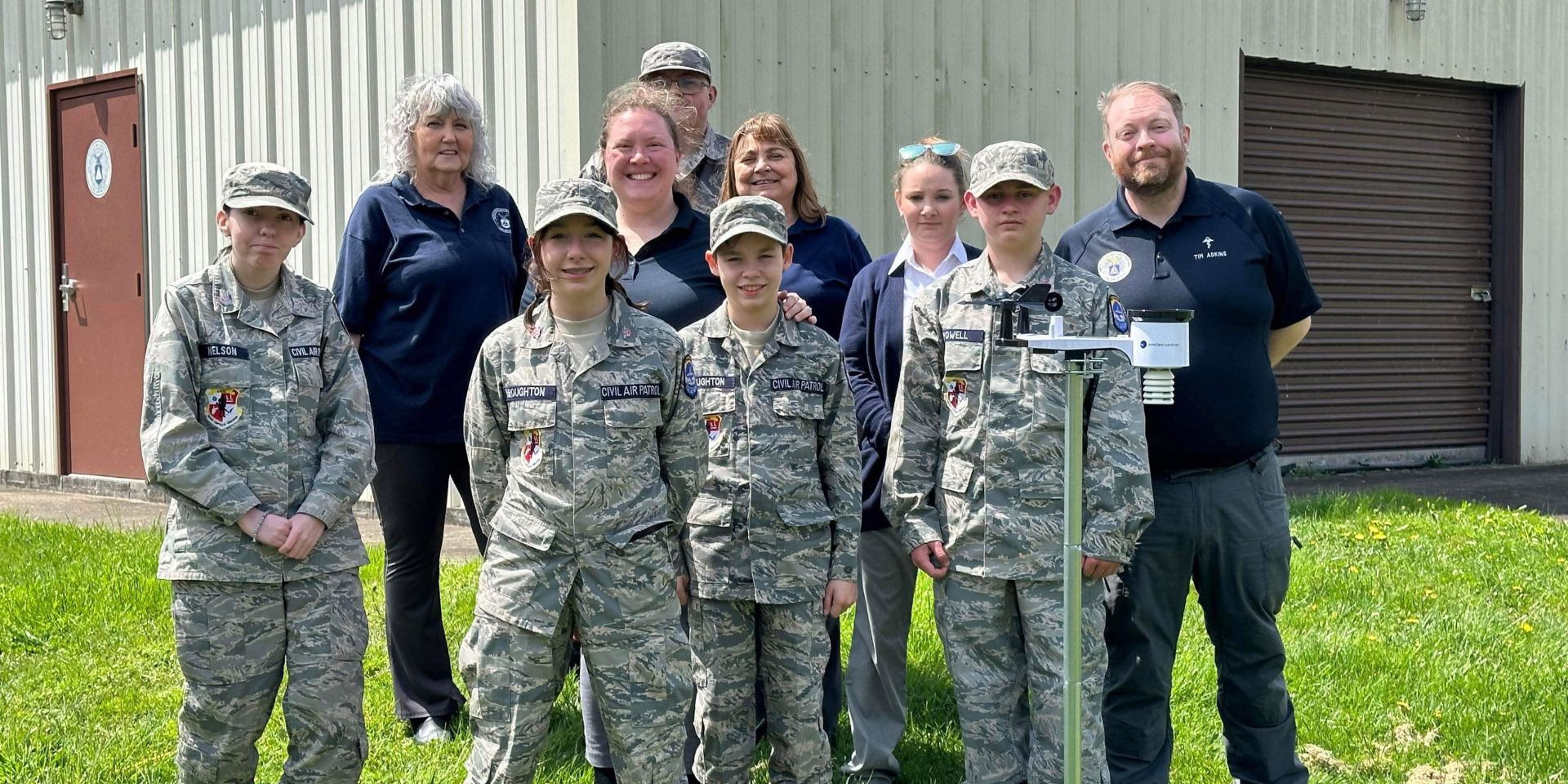
Ann Gibeaut (center row, second from left), Tim Adkins (center row, far right), and other volunteer educators with Civil Air Patrol cadets. (Photo: Boone Composite Squadron, Civil Air Patrol)

Husband-and-wife team Timothy Adkins and Ann Gibeaut are using Geiger counters supplied by the American Nuclear Society to educate young people in West Virginia about nuclear science and ionizing radiation. In 2022, ANS donated some old nonfunctioning Geiger counters to Tim and Ann, who recalibrated them and got them working again.

Nuclear fuel cycle reimagined: Powering the next frontiers from nuclear waste

June 13, 2025, 3:00PMNuclear NewsAlex Gilbert, Harsh Desai, Patrick Snouffer
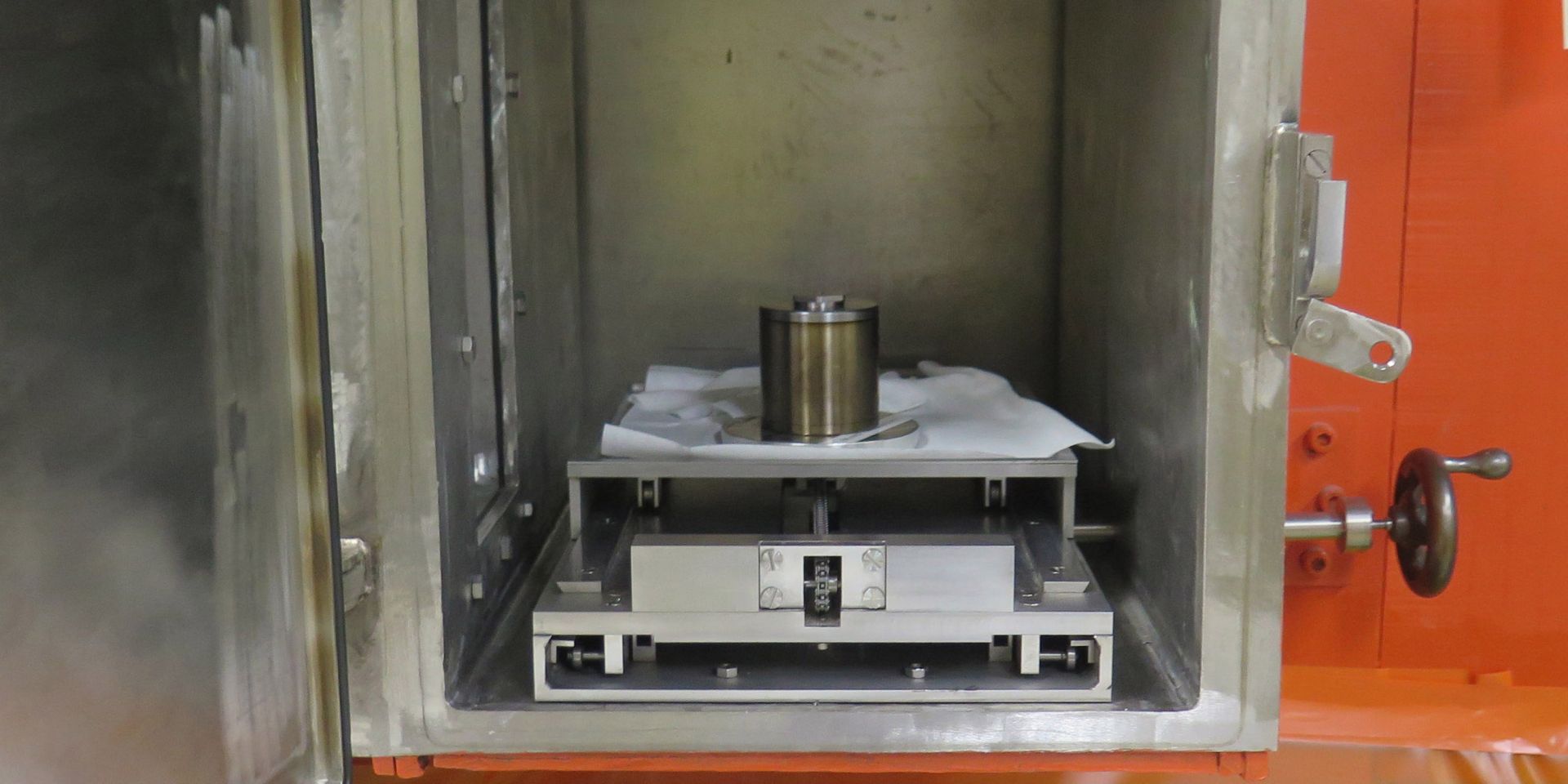
The Z1 heat source was the first Sr-90 heat source built in the United States in nearly four decades and the first of its kind for a commercial company. (Photo: Zeno Power)

In the fall of 2023, a small Zeno Power team accomplished a major feat: they demonstrated the first strontium-90 heat source in decades—and the first-ever by a commercial company.

Zeno Power worked with Pacific Northwest National Laboratory to fabricate and validate this Z1 heat source design at the lab’s Radiochemical Processing Laboratory. The Z1 demonstration heralded renewed interest in developing radioisotope power system (RPS) technology. In early 2025, the heat source was disassembled, and the Sr-90 was returned to the U.S. Department of Energy for continued use.