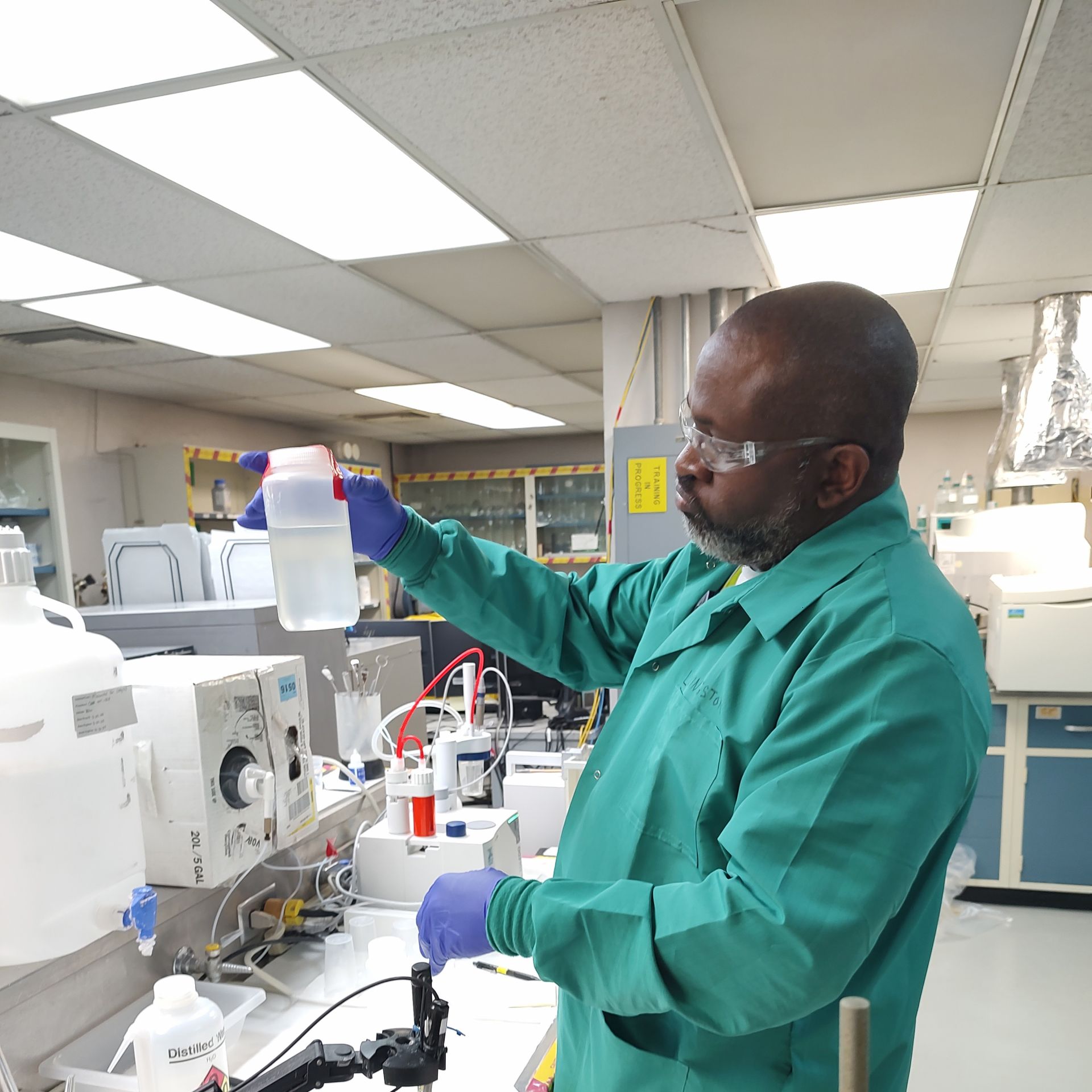
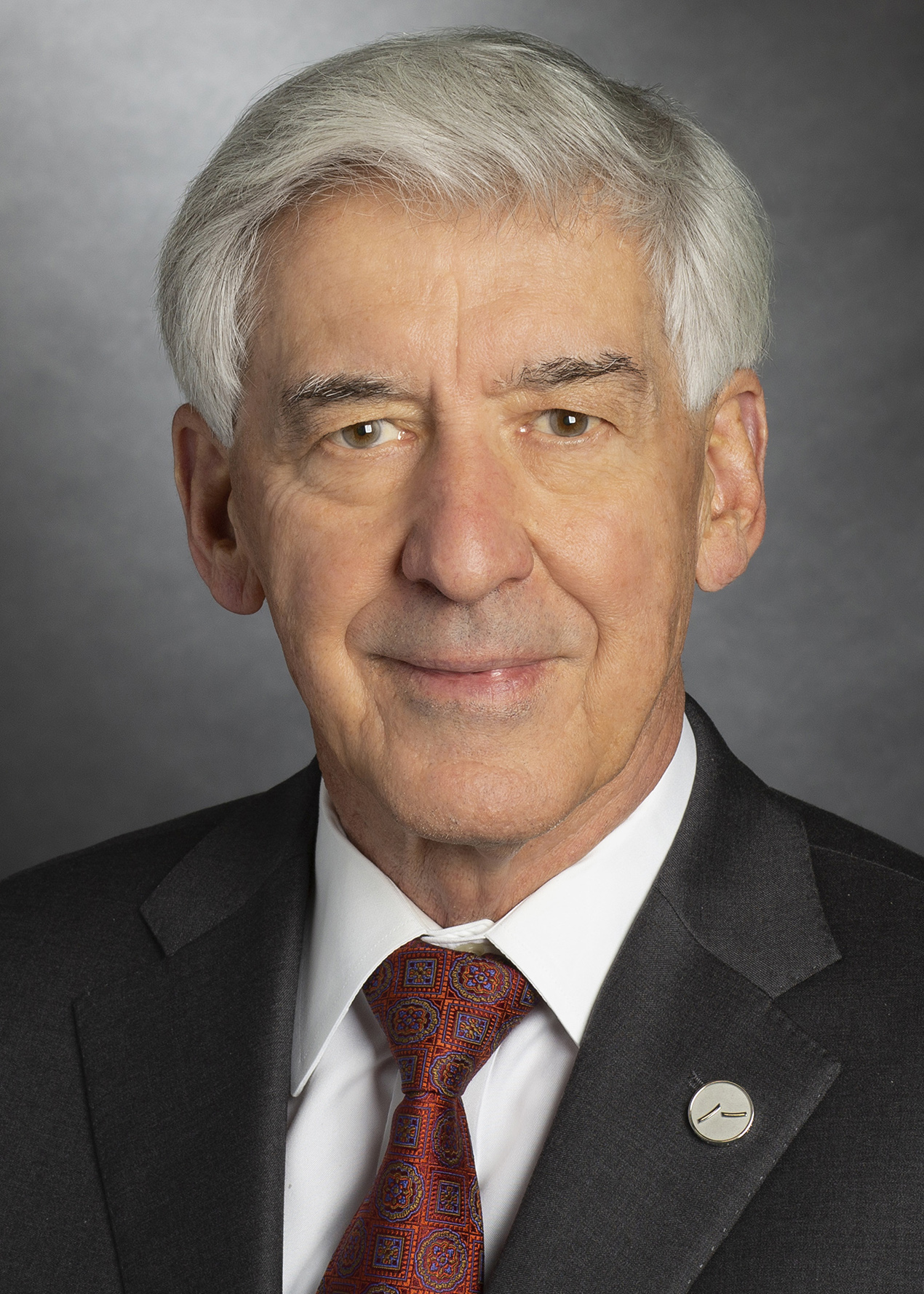
Master Chemistry Technician Tolbert Livingston in Chemical Controls. (Photo: Wolf Creek)
Sam Lochmann is a well-respected sergeant in the security department at the Wolf Creek nuclear power plant near Burlington, Kan. The plant, a 1,200-MWe Westinghouse pressurized water reactor operated by Wolf Creek Nuclear Operating Corporation (WCNOC), had its 26th refueling outage this past spring.
The USACE tackles the former military reactor in Alaska
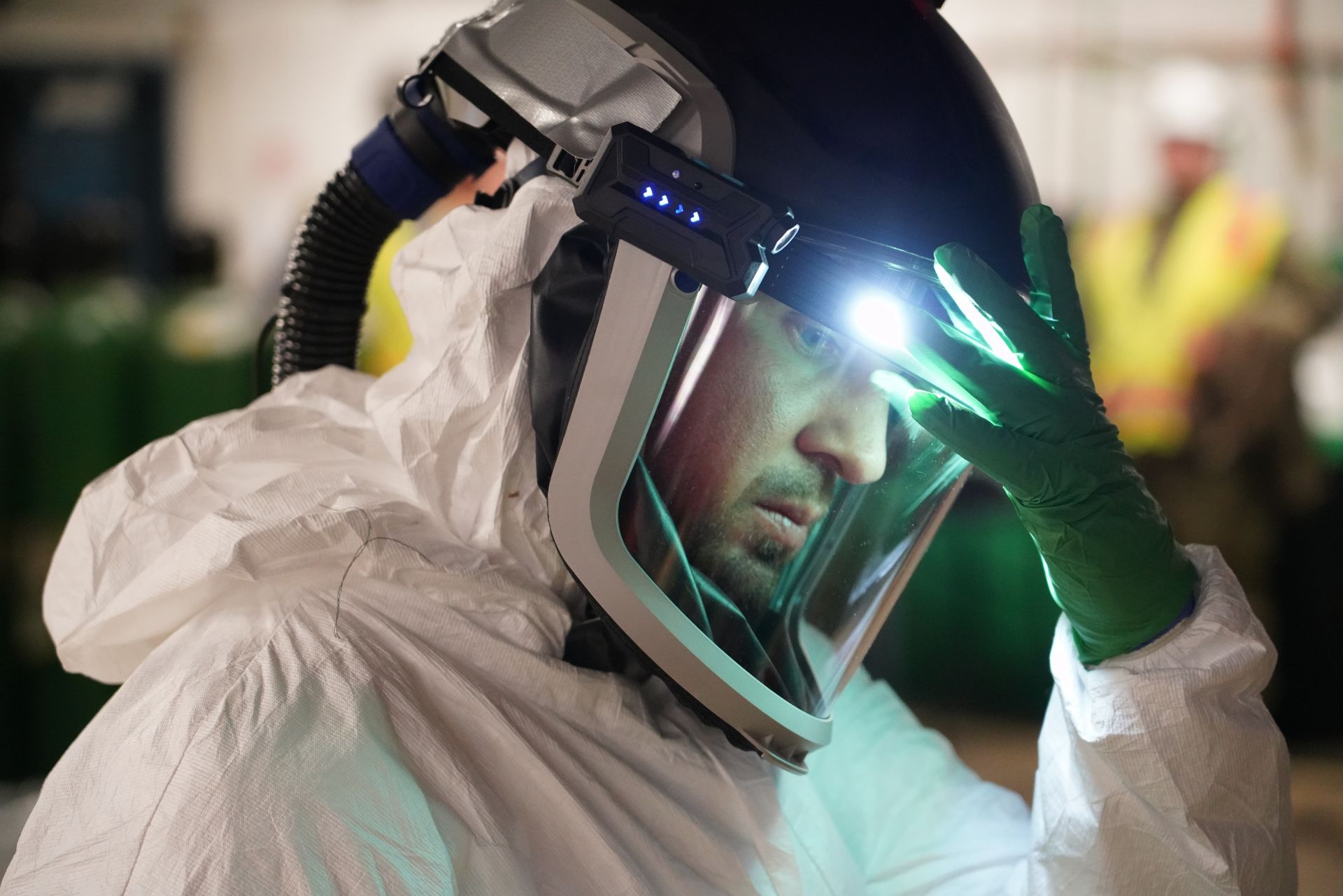
October 11, 2024, 3:00PMRadwaste SolutionsThe U.S. Army Corps of Engineers, Baltimore District A team member wearing a powered air-purifying respirator prepares to enter the SM-1A vapor containment structure. (Photo: USACE/David Gray)
With the recent mobilization at the site of the former SM-1A nuclear power plant at Fort Greely, Alaska, the Radiological Health Physics Regional Center of Expertise, located at the U.S. Army Corps of Engineers’ Baltimore District, began its work toward the decommissioning and dismantlement of its third nuclear power plant, this time located just 175 miles south of the Arctic Circle.
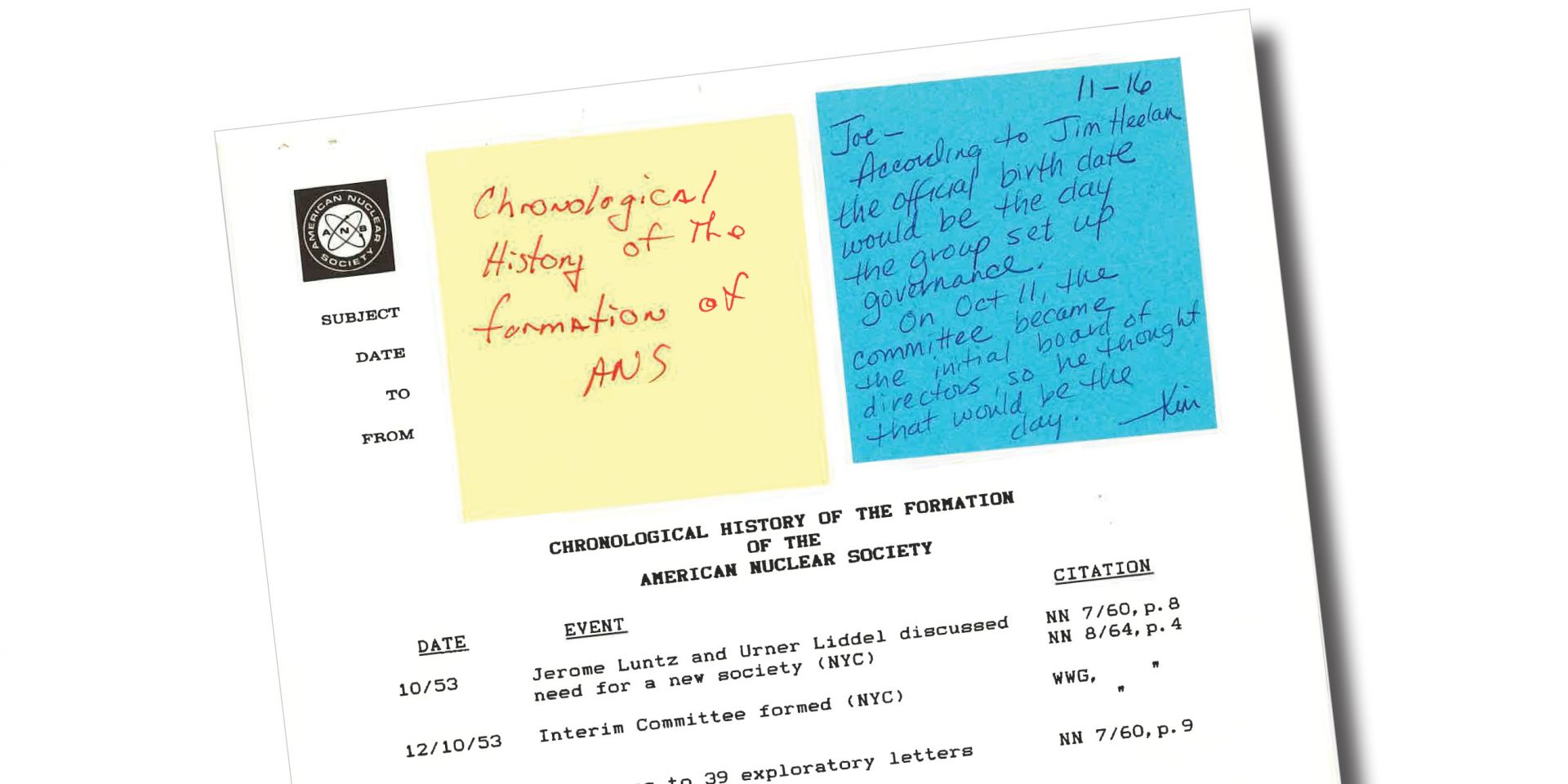
October 11, 2024, 9:19AMANS NewsAndrew Coffman Smith An internal memo explaining the history of ANS.
This year marks the 70th anniversary of the founding of the American Nuclear Society.
Plenty of sources incorrectly list our birthday, but the reality is that October 11, 1954, is the correct date for the establishment of ANS.
Understanding the forces driving and impacting the advancement of our clean nuclear energy future
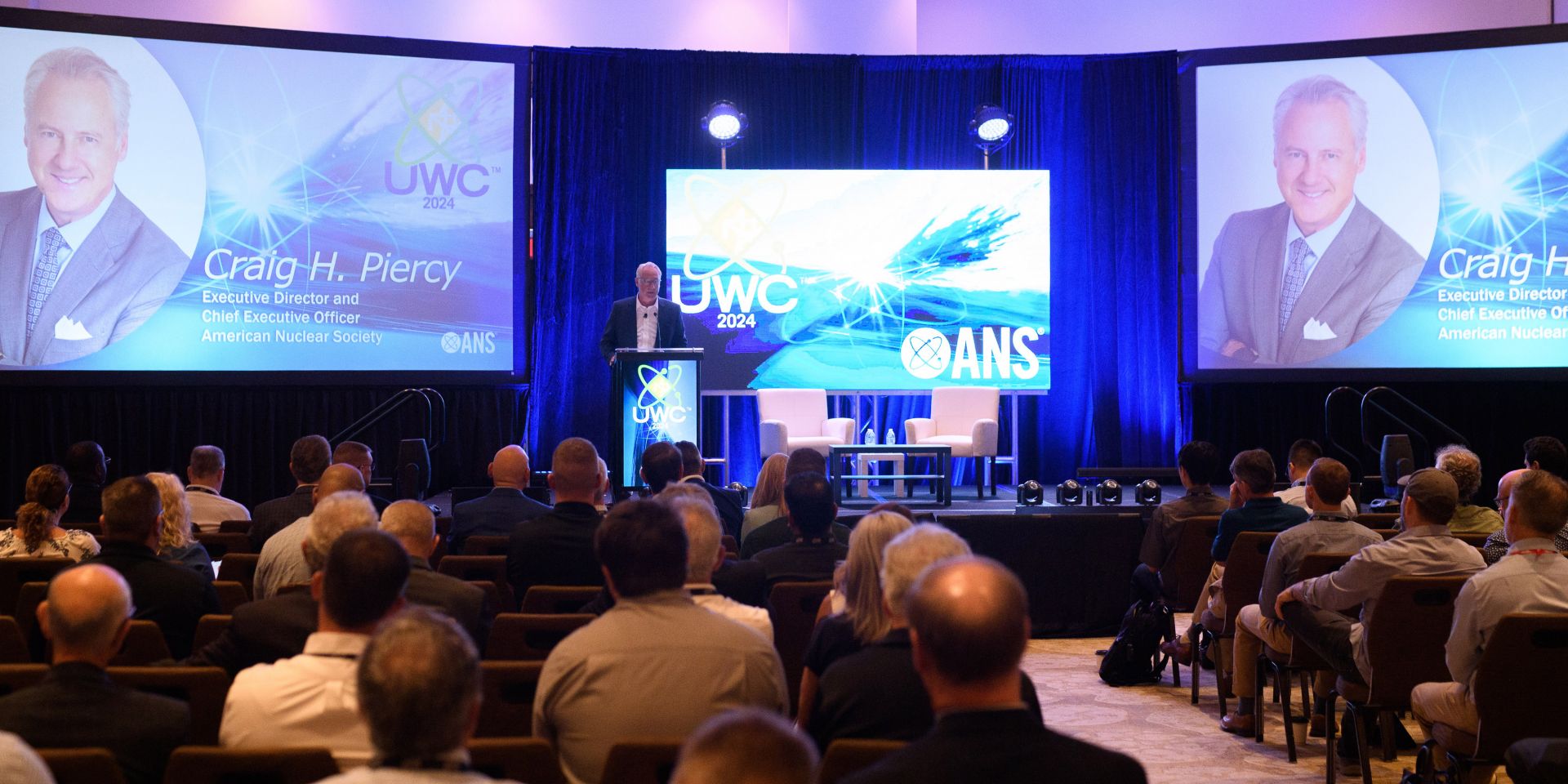
American Nuclear Society Executive Director/Chief Executive Officer Craig Piercy speaks at the 2024 UWC opening plenary.
The 2024 Utility Working Conference brought together the nuclear industry’s best in August to discuss and learn from key developments, successes, opportunities, and needs in the sector. American Nuclear Society Executive Director/Chief Executive Officer Craig Piercy opened the conference and its first plenary by talking about the nuclear industry’s current momentum.
A whitetail buck stops at the Fernald Preserve.
(Photo: Jeff Sluder/LM)
Focused on the post-cleanup management of closed Department of Energy sites, the DOE Office of Legacy Management (LM) is responsible for the long-term surveillance and maintenance of more than 100 sites across the United States and Puerto Rico associated with past radiological and nuclear material production and testing, and energy research—some dating from as early as the Manhattan Project. With cleanup completed, many of these sites have been put to beneficial reuse and repurposed as parks and nature preserves, where visitors can witness the return of thriving ecosystems.
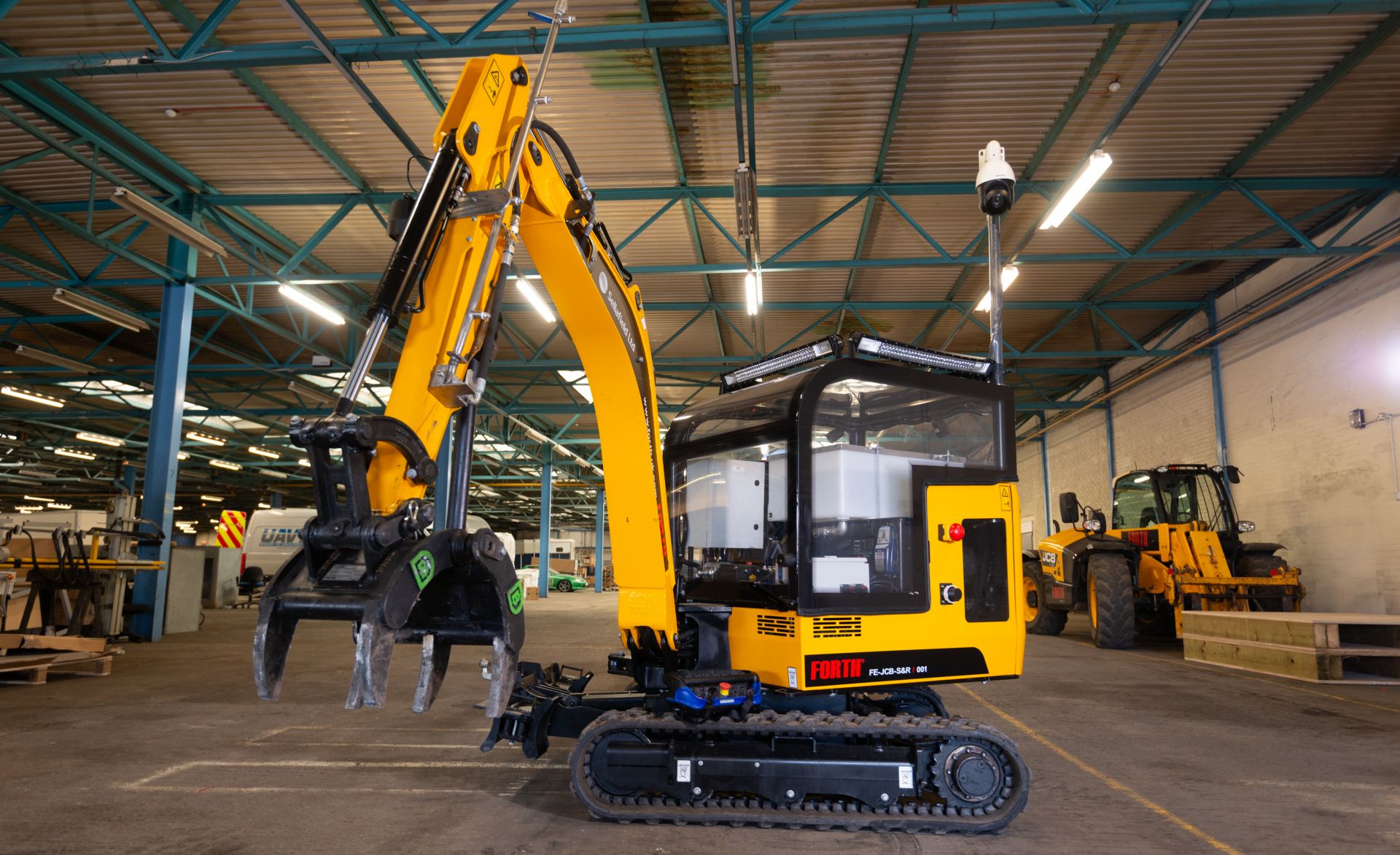
The JCB excavator robot developed by Forth Engineering for the Sellafield nuclear site.
Robotics is fast becoming a go-to for nuclear decommissioning advances, and several organizations working in West Cumbria, England, the hub of the United Kingdom’s energy sector, have formed a partnership to share insight and work together to address common challenges and opportunities. Cumbria Robotics Cluster is an ambitious initiative powered by the Industrial Solutions Hub (iSH) to harness and expand the region’s renowned capabilities in cutting-edge engineering and problem solving.
Decommissioning begins on the closed Wisconsin power plant
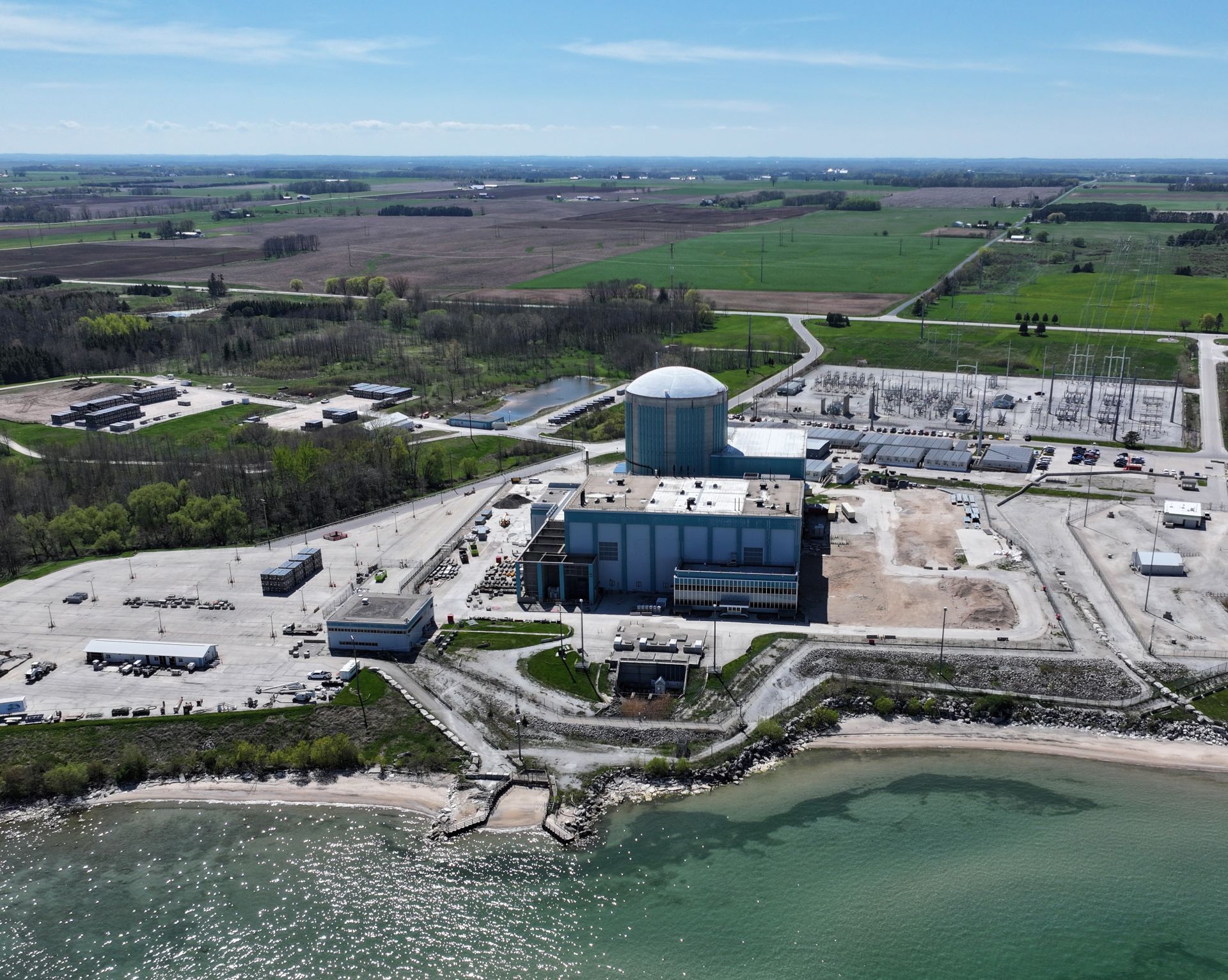
Wisconsin’s Kewaunee nuclear power plant as it appeared in May of this year. A number of ancillary buildings have already been demolished and their waste removed. The intermodal waste transportation staging areas can be seen to the left. The site ISFSI is out of view to the right. (Photo: EnergySolutions)
In October 2012, Dominion Energy announced it was closing the Kewaunee nuclear power plant, a two-loop 574-MWe pressurized water reactor located about 27 miles southeast of Green Bay, Wis., on the western shore of Lake Michigan. At the time, Dominion said the plant was running well, but that low wholesale electricity prices in the region made it uneconomical to continue operation of the single-unit merchant power plant.
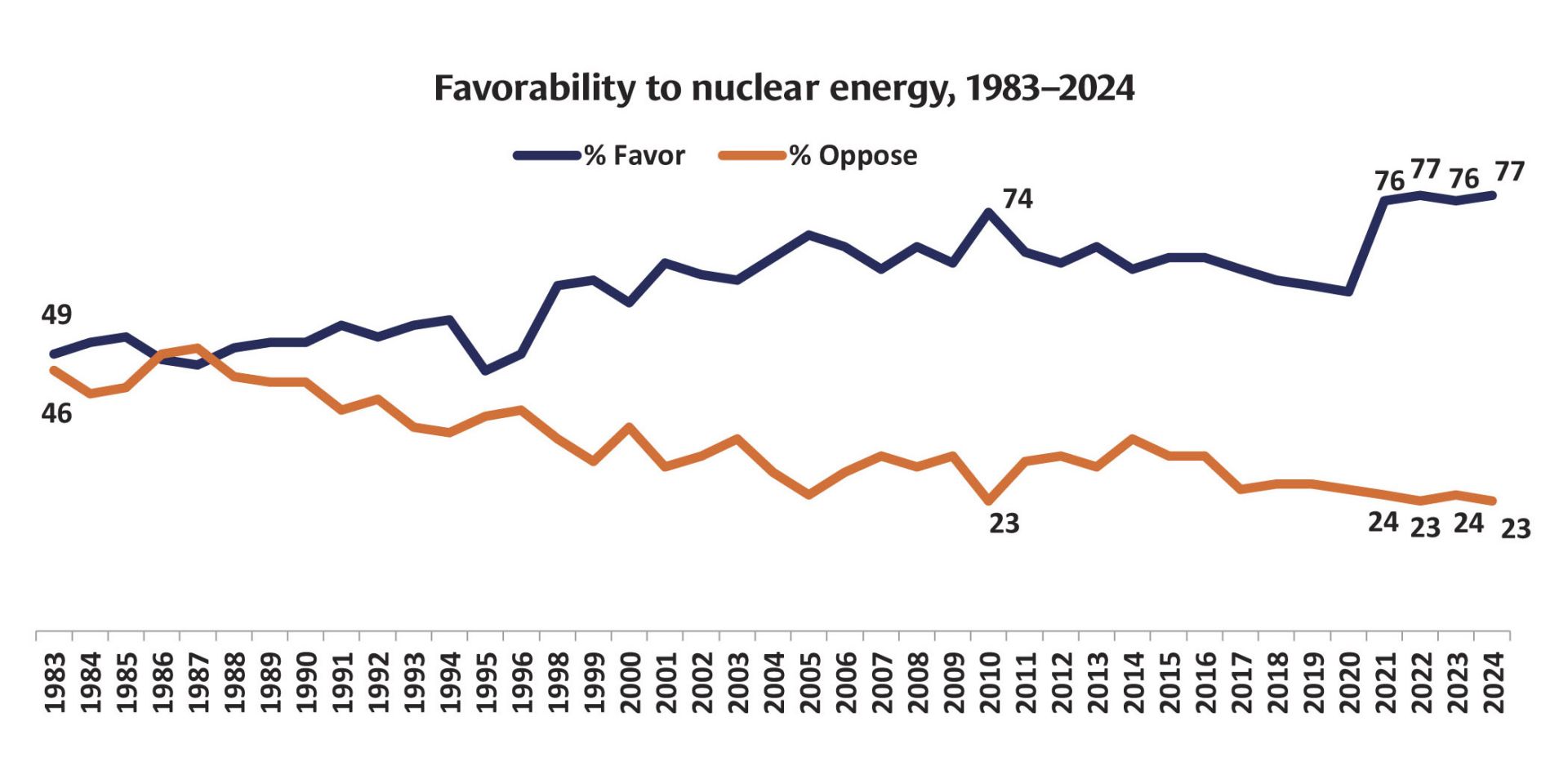
Survey respondents (%) who favor or oppose the use of nuclear energy for electricity in the United States, 1983–2024. (Graph: Bisconti Research Inc.)
Ann Stouffer Bisconti has been surveying and analyzing the American public’s attitudes and knowledge about nuclear energy for more than four decades. Her research company’s 2024 survey proved to be especially revealing. “The 2024 National Nuclear Energy Public Opinion Survey contained such a wealth of information that I prepared nine reports” to cover all the collected data, she said.
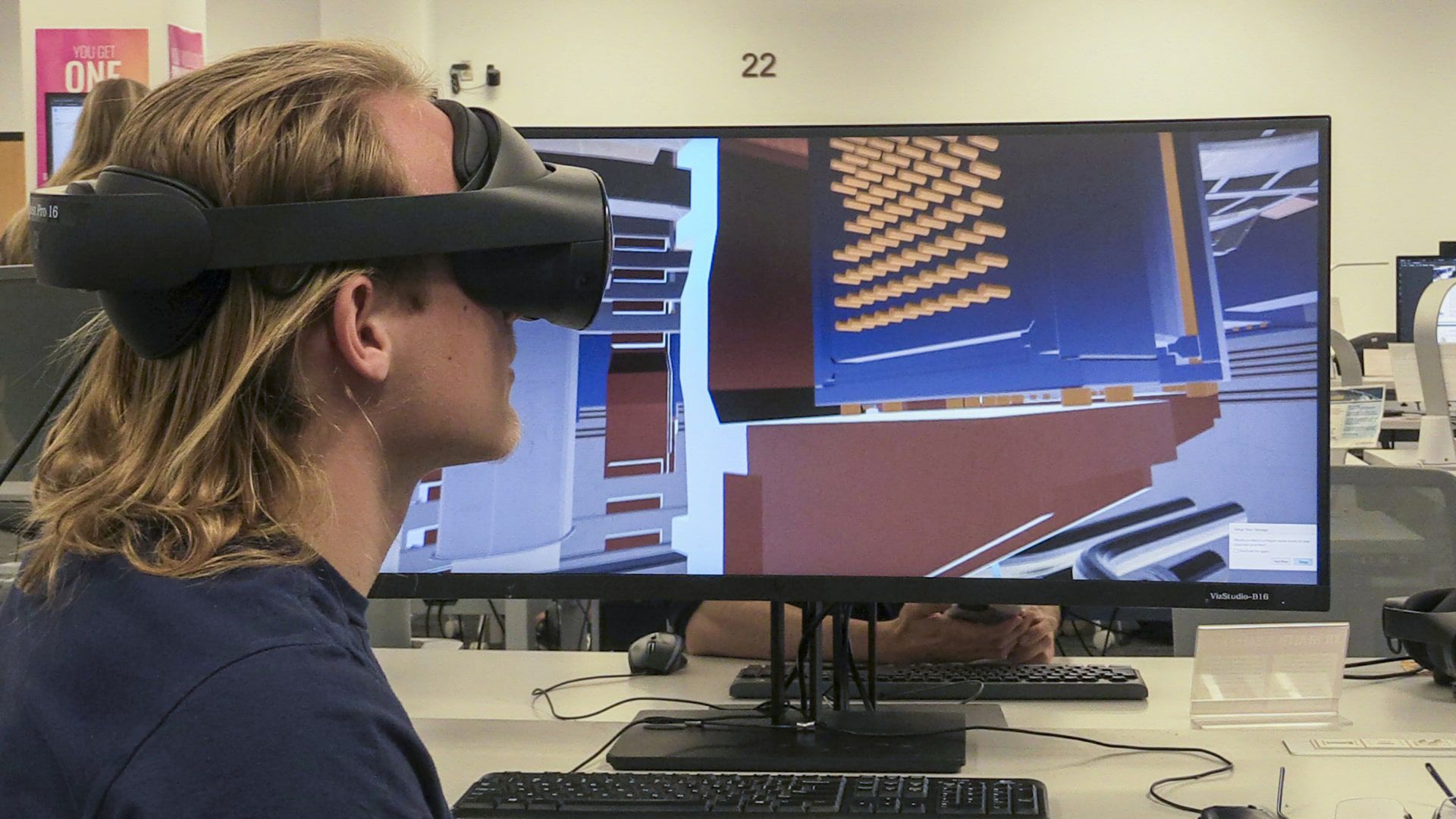
A student demonstrates VR models of fission and fusion energy systems. (Photo: University of Michigan)
A new course at the University of Michigan offered by the Nuclear Engineering and Radiological Sciences (NERS) Department seeks to address the lack of community engagement in the design of energy technologies by pioneering a socially engaged approach.
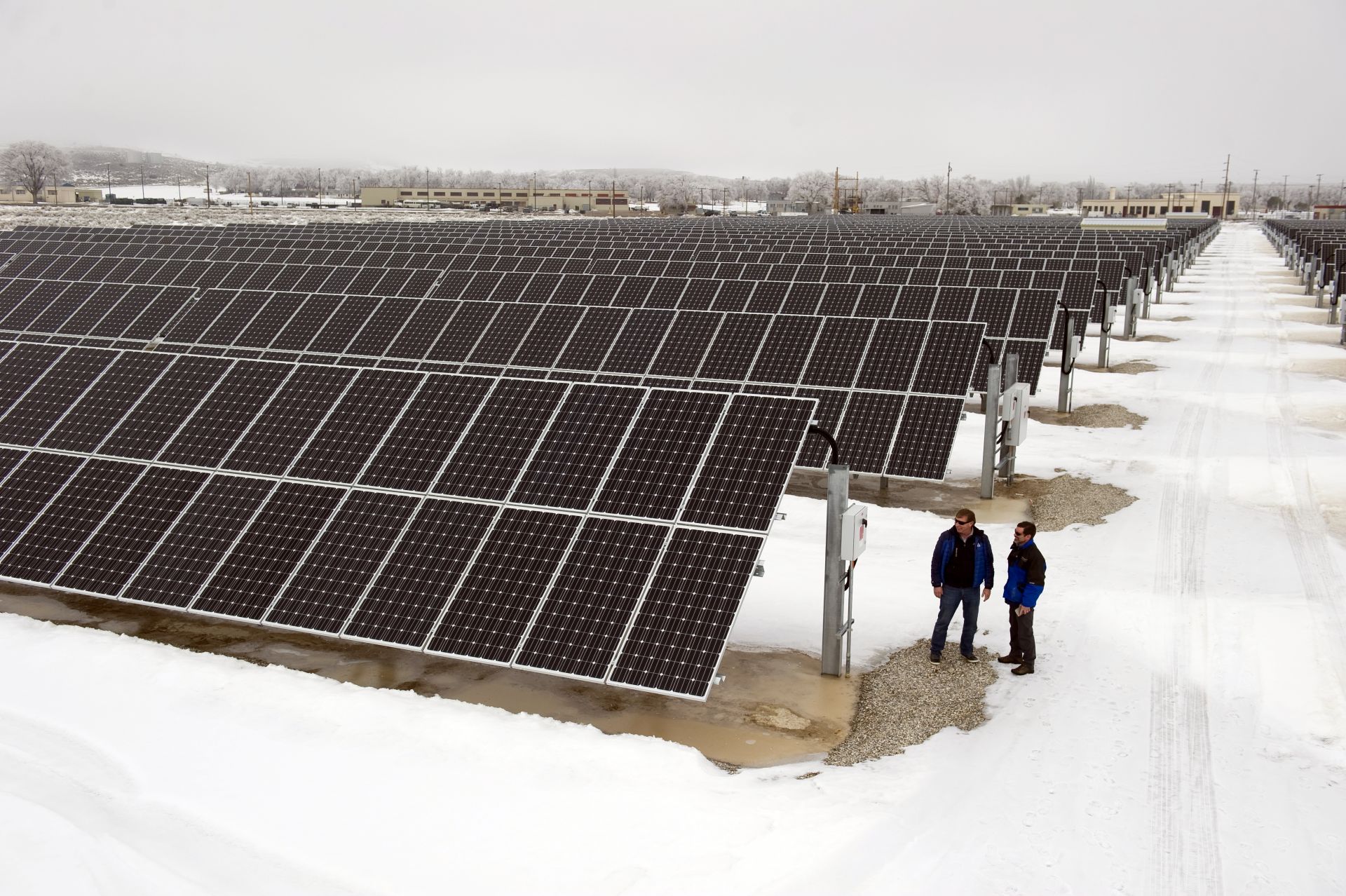
Idaho National Laboratory employees consult on a microgrid at Utah’s Dugway Proving Ground. Two solar projects were selected for development on INL land. (Photo: INL)
On July 28, 2023, the Department of Energy launched its Cleanup to Clean Energy initiative, an effort to repurpose underutilized DOE-owned property—portions of which were previously used in the nation’s nuclear weapons program—into the sites of clean-energy generation.
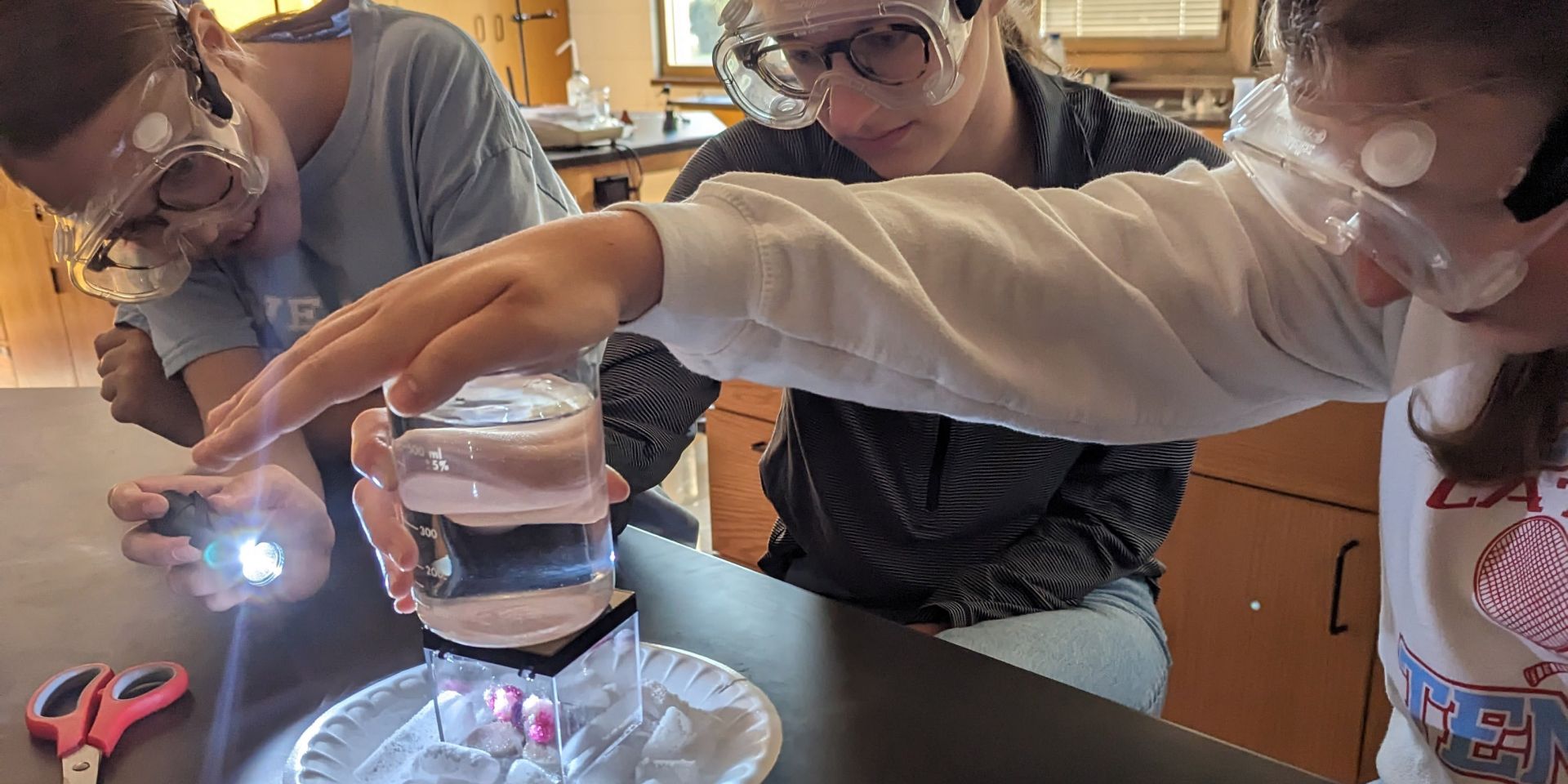
Students using an ANS Visualizing Radiation Cloud Chamber. (Photo: Grace Stanke)
Nuclear science and technology is uniquely positioned to be a gateway for curiosity and exploration for students in grades K–12. Its study examines the literal fabric of reality, it has applications from the tiniest to the grandest of scales. It’s a constantly evolving industry with a bright future of discoveries and new technologies, and it’s an essential factor in our global effort to reduce carbon emissions and transition to cleaner energy sources. Frankly, learning about and doing things with atoms is pretty cool, from a kid’s perspective.
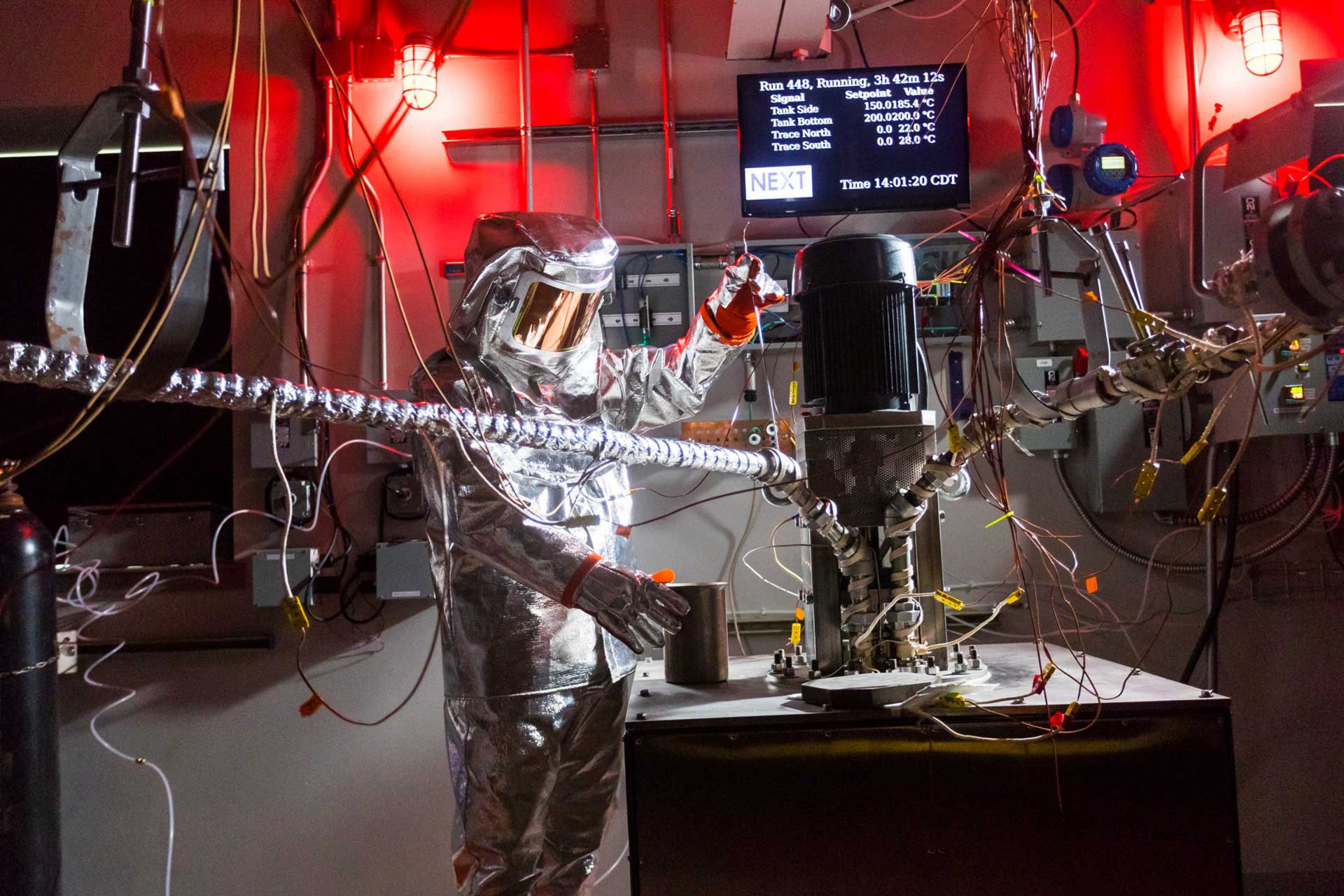
The NEXT Lab at ACU has been built to house and test the university’s new molten salt reactor design. (Photo: Rusty Towell/ACU)
I really think so. Especially after visiting Abilene Christian University’s new Dillard Science and Engineering Research Center, the home of the Nuclear Energy Experimental Testing (NEXT) Lab and where the university will test its new molten salt research reactor design. The visit was part of the 12th Thorium Energy Alliance Conference. NEXT Lab director and program manager Rusty Towell anticipates that the research reactor will be operational in two years, and I believe it will. What was most impressive is that the reactor is suited to be scaled to any size from small to large—a key feature in any decarbonized world.
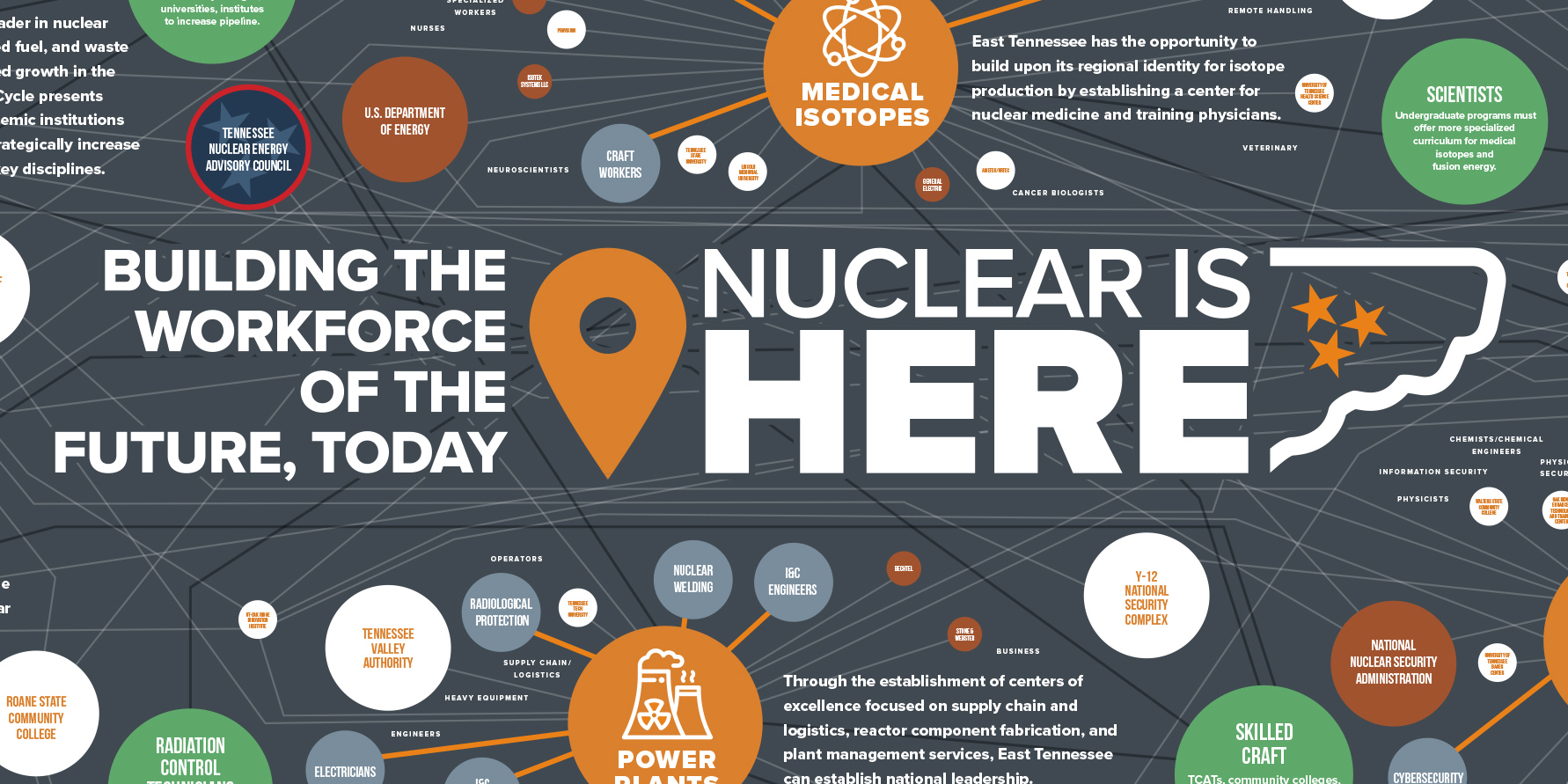
Tennessee is serious about nuclear energy.
The Volunteer State’s governor and representatives have made clear their intention to position Tennessee at the forefront of a nuclear energy growth surge over the next several years. They’re making the financial investment to back up this commitment, pledging $50 million to recruit the innovative and invest in the existing nuclear companies in the state.
In an interview with advocacy group Nuclear Matters, Gov. Bill Lee expressed his excitement and optimism for Tennessee’s nuclear future.
“Tennessee is one of the fastest growing states in the country,” he said. “Because of that, we have people and companies moving here and we need to have a dependable, reliable energy source.”
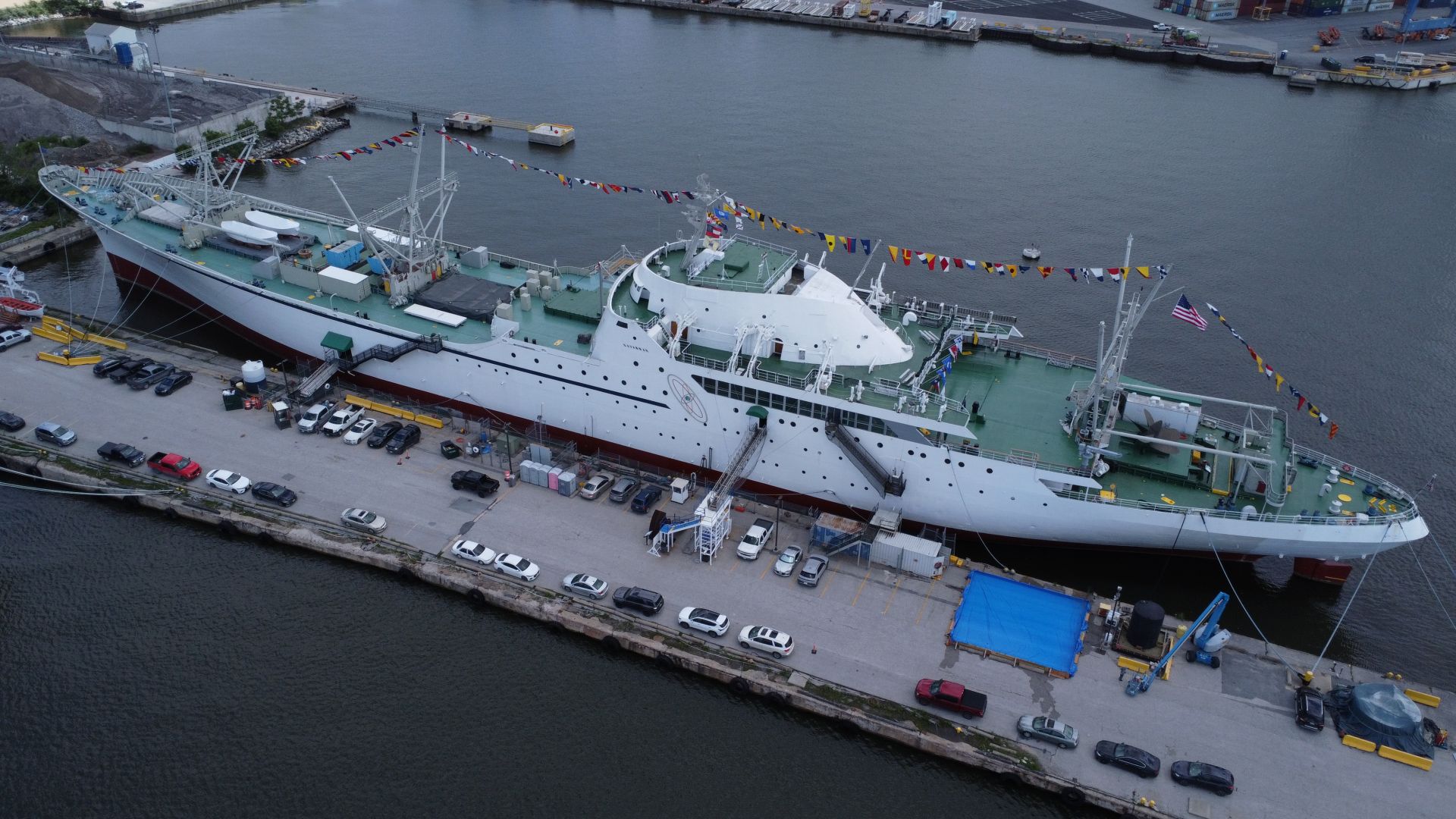
September 12, 2024, 12:00PMNuclear NewsErhard W. Koehler and Anne Jennings N.S. Savannah docked in Baltimore in May 2024. (Photo: MARAD)
The American Nuclear Society was formed in 1954 in the wake of President Eisenhower’s seminal Atoms for Peace speech. Around the same time that Congress was debating the Atomic Energy Act and John Landis was helping establish ANS, the National Security Council began deliberating about adding a nuclear-powered merchant ship to the nascent Atoms for Peace program. We like to imagine that the idea germinated after Mamie Eisenhower christened the U.S.S. Nautilus, but the truth seems much drier. Regardless, Ike championed the project and announced it to a surprised crowd in an April 1955 speech in New York City at the Waldorf Astoria Hotel. Landis would become the principal architect of the ship’s nuclear power plant. Although Savannah’s reactor now rests in the low-level radwaste repository in Clive, Utah, the ship’s prospects are as bright as the future of ANS itself.