-3 2x1.jpg)
MARVEL PDSA approval could serve as blueprint
MARVEL, the Microreactor Applications Research Validation and Evaluation project at Idaho National Laboratory, has had its preliminary documented safety analysis approved by the Department of Energy, marking a milestone in its development and serving as a potential outline for other microreactors in development.
Work began in 2020 on MARVEL, an 85-kW sodium-potassium–cooled microreactor developed to produce approximately 20 kW of electricity. Early estimates from the DOE targeted operation of the test reactor in early 2024 to demonstrate advanced microreactor applications such as chemical production, electricity for remote locations, and heat for industry.
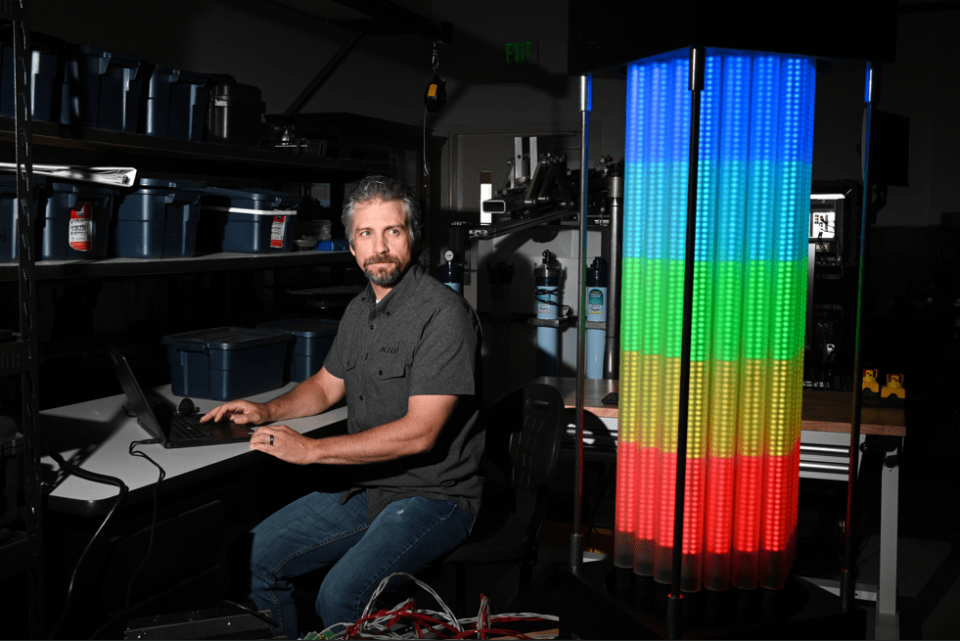
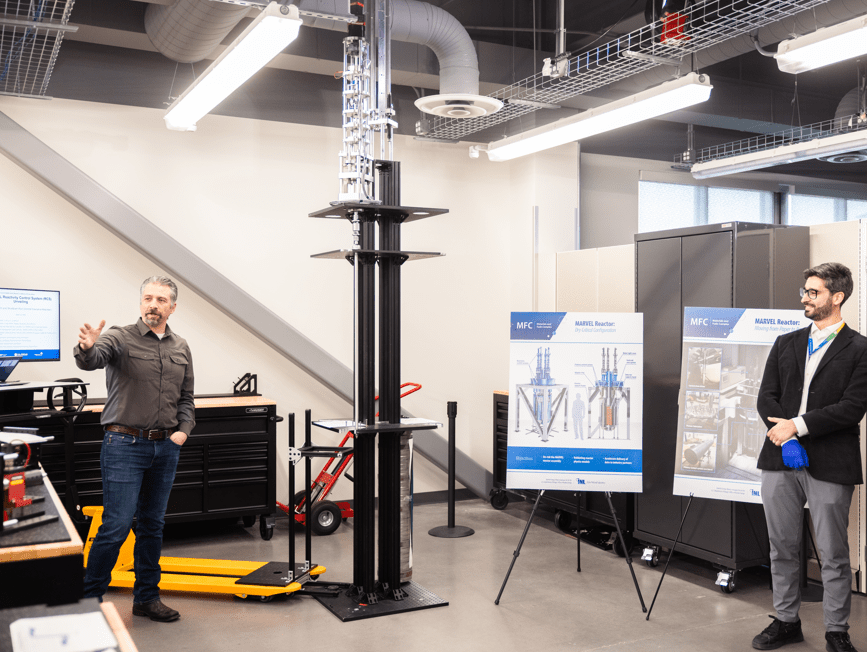
MARVEL will use a single control rod and four control drums for its reactivity control mechanisms. INL researchers have been testing the reactivity control system in anticipation of moving it to INL’s Transient Reactor Test (TREAT) Facility, where MARVEL will be fully assembled and dry criticality experiments will be conducted.
The PDSA outlines this planned dry initial criticality configuration, a near-zero-power experiment that will generate essential data on reactor physics behavior before full power operation.
“This is more than just a regulatory requirement—it’s a blueprint for the future of advanced nuclear,” said INL’s Abdalla Abou-Jaoude, MARVEL microreactor lead. “By receiving approval for our safety documentation, we are now able to share this template with developers to learn from our process and streamline their own timelines.”
INL said on March 11 that the approved PDSA builds on a 2024 version and incorporates updated modeling and a risk-informed methodology.
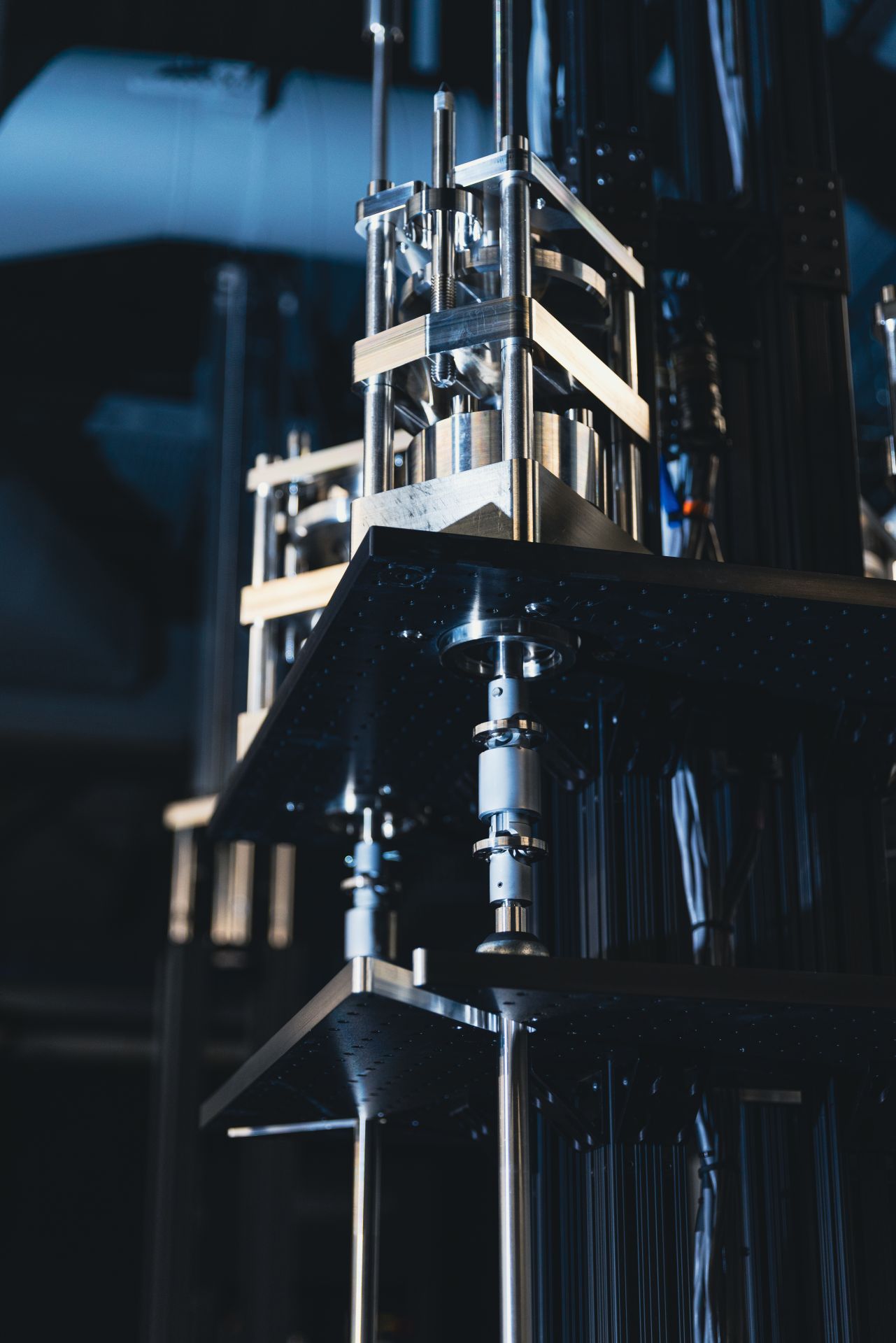
MARVEL’s reactivity control system. (Photo: INL)
MARVEL’s design: MARVEL’s four control drums moderate neutrons—and the reactor’s power—through either reflection or absorption, based on the drum’s angle of rotation.
“In MARVEL, the control drums are the heart of how we control the reactor during operation,” said Anthony Crawford, a researcher in INL’s mechatronics group. “The central insurance absorber provides defense-in-depth.”
MARVEL’s reactivity control system is adaptable, with the ability to adjust spring preload and swap dampers to accommodate reactor changes over time.
“Without tunability, redesigns to accommodate reactor changes could take months or years, or capability could be reduced or lost,” Crawford said. “With tunability, we can adapt quickly—a capability that is applicable not just for MARVEL but for other reactor designs too.”
Influenced by MARVEL: INL said several other projects have been influenced by MARVEL’s approach to safety, including the following:
Project Pele—A portable gas-cooled microreactor being demonstrated at INL by the Department of Defense, Project Pele is expected to produce 1.5 MW of electrical power. It is being manufactured by BWX Technologies and is designed to fit into four 20-foot shipping containers.
Molten Chloride Reactor Experiment—MCRE is a six-month subscale test aiming to demonstrate the first operational fast-spectrum molten salt critical system to provide the data necessary to take the next step toward licensing a commercial molten chloride fast reactor. It is a collaboration between Southern Company and TerraPower, with INL and other partners.
Versatile Autonomous Lightweight Kilowatt-Class Reactor Experiment (VALKRE)—While not much has been made public about this project, it was selected by the DOD as a 2024 Operational Energy Capability Improvement Fund awardee in the Aviation and Space Efficiencies category. In a 2024 presentation by Jeth Fogg, engineer operations and environmental chief at the North American Aerospace Defense Command and United States Northern Command, it was described as “truck mounted” and “40–60 kW.”