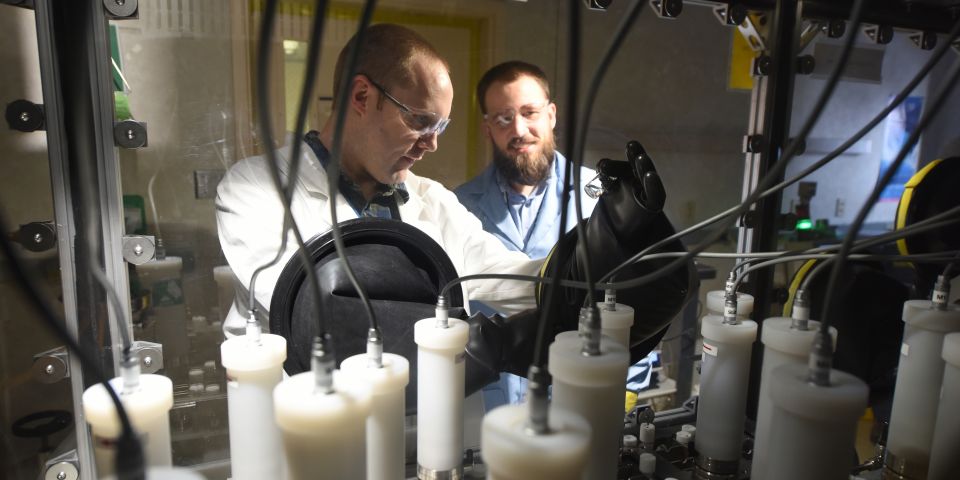
Bill Phillips, INL’s technical lead for salt synthesis, noted that it was “the first time in history that chloride-based molten salt fuel has been produced for a fast reactor.”
Don Wood, MCRE senior technical advisor, added, “The implications for the maritime industry are significant. Molten salt reactors could provide ships with highly efficient, low-maintenance nuclear power, reducing emissions and enabling long-range, uninterrupted travel. The technology could spark the rise of a new nuclear sector—one that is mobile, scalable, and globally transformative.”
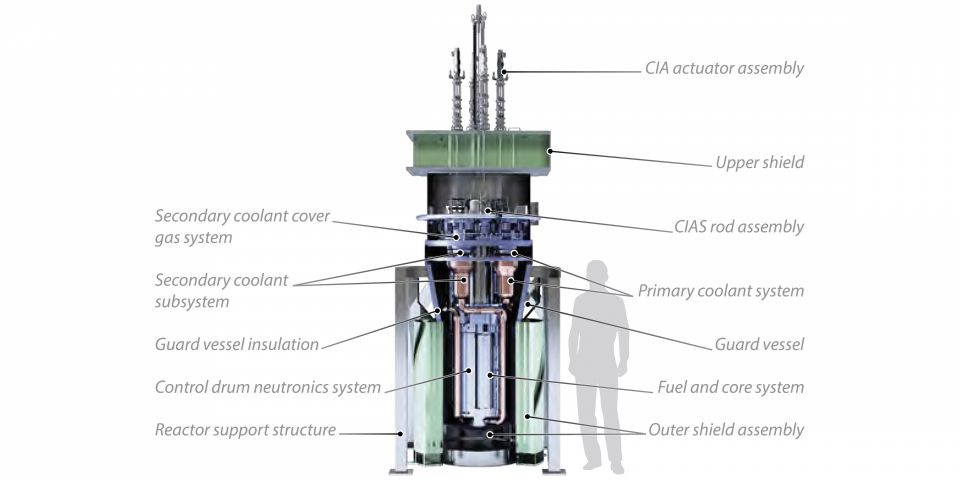
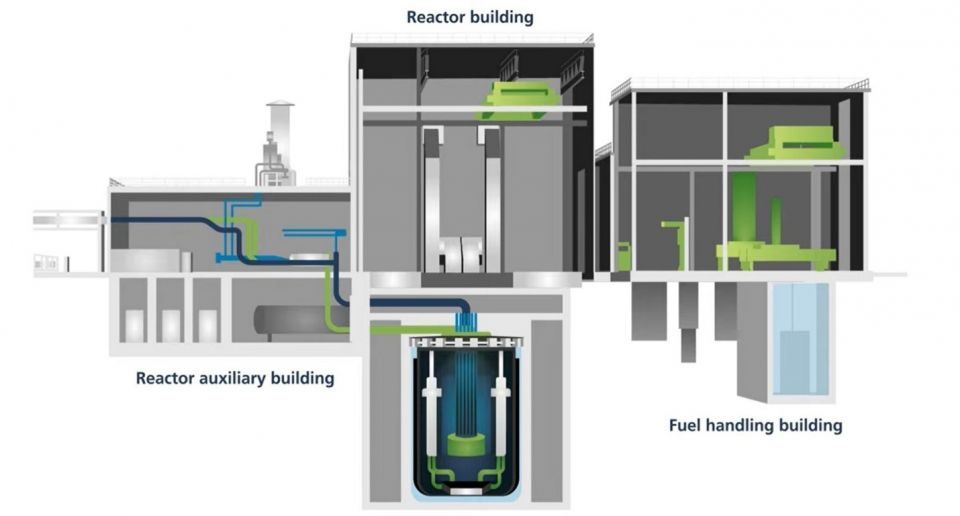
LOTUS Experiment: MCRE, which INL is working on in collaboration with Southern Company Services, TerraPower, Core Power, and the Department of Energy, is to be a six-month subscale test that will demonstrate the world’s first operational fast spectrum molten-salt critical system. It is scheduled to become the first reactor experiment hosted at the Laboratory for Operation and Testing in the United States (LOTUS) test bed, which the DOE’s National Reactor Innovation Center is constructing at INL.
The experiment is expected to run in 2028. The first commercial deployments of a Molten Chloride Fast Reactor by TerraPower and Southern Company could occur during the 2030s, with potential terrestrial and maritime applications.
Liquid mixture: MCRE’s fuel is a liquid mixture of salts containing fissile material, allowing for higher operating temperatures, better fuel efficiency, and enhanced safety, compared with the solid fuel rods of conventional nuclear reactors. According to INL, the fuel salt “opens the door to new applications, including compact nuclear systems for ships and remote installations.”
Paradigm shift: Jeff Latkowski, TerraPower’s senior vice president and program director for the MCRE, said, “The Molten Chloride Fast Reactor represents a paradigm shift in the nuclear fuel cycle, and MCRE will directly inform the commercialization of that reactor. Working with world-leading organizations such as INL to successfully synthesize this unique new fuel demonstrates how real progress in Gen IV nuclear is being made together.”
The U.S. can lead: MCRE project director James King added, “This milestone isn’t just about producing fuel—it’s about proving that the U.S. can lead in next-generation nuclear innovation. We’re building the foundation for a more secure energy future, and MCRE is just the beginning.”