Researchers to study how metal-corroding microbes may grow in Canadian repository
June 13, 2022, 9:30AMRadwaste Solutions
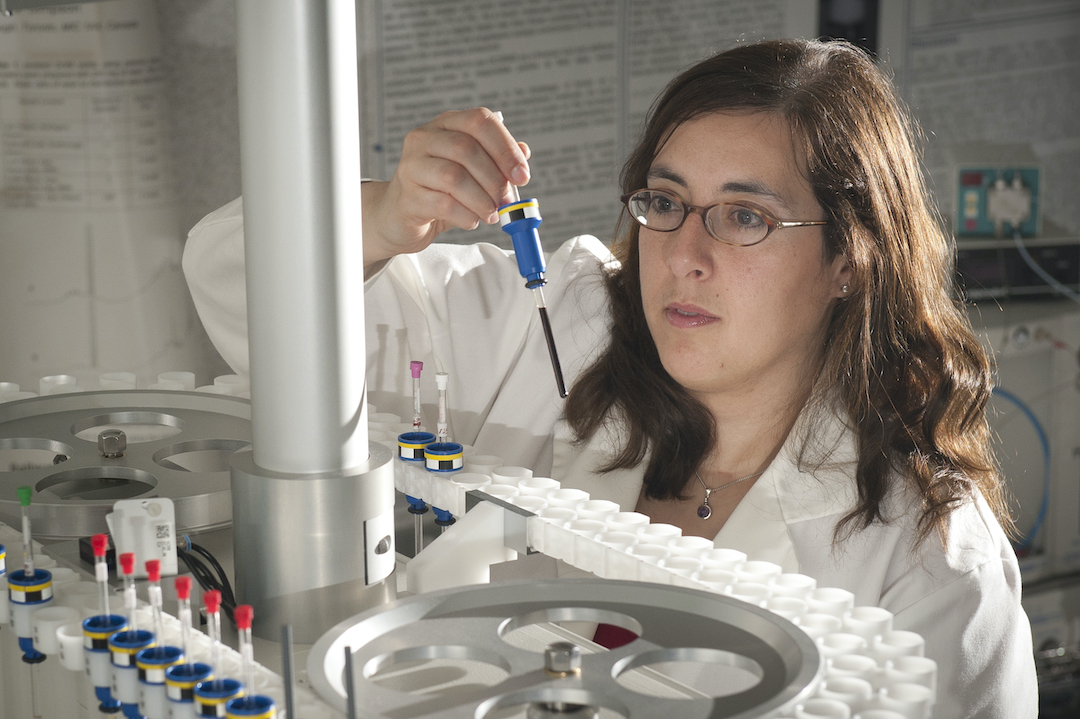
Myrna Simpson conducts molecular biogeochemistry research at the University of Toronto Scarborough. (Photo: Ken Jones/University of Toronto)
Researchers at three Canadian universities are studying whether bentonite clay—used as an engineered barrier in Canada’s proposed deep geological repository—can support sulfide-producing microbes that can eat away at the canisters containing spent nuclear fuel.
To continue reading, log in or create a free account!