Nuclear Matinee: Can We Make a Star on Earth?
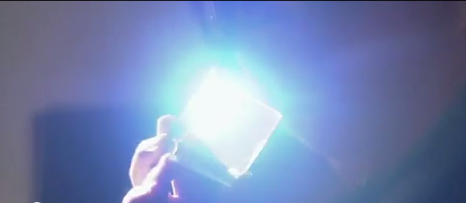
The Sun is powered by the strongest source of energy in the universe - nuclear fusion - and teams of scientists and engineers around the world are working toward harnessing fusion to power the long-term future of civilization. In effect... they are working to "create a star" on earth.
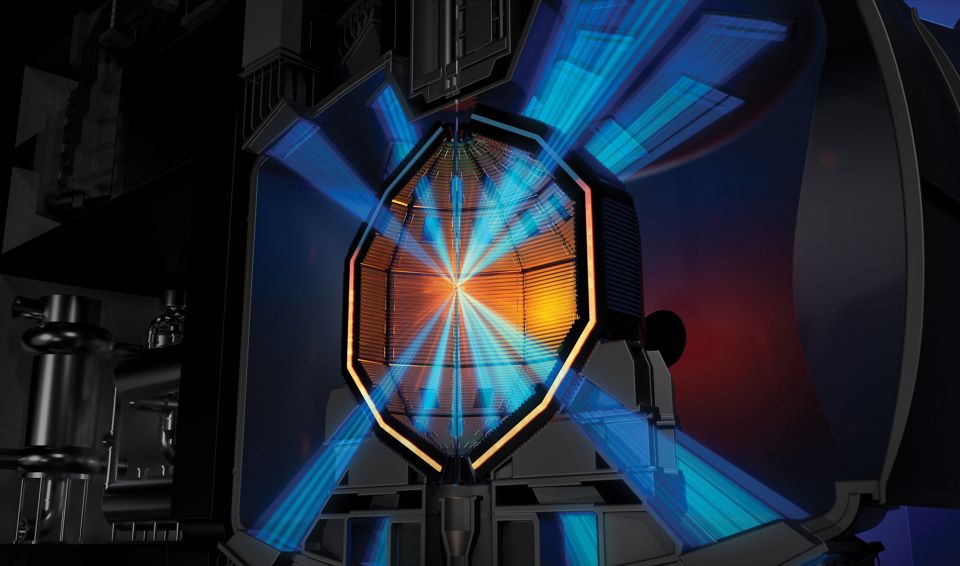
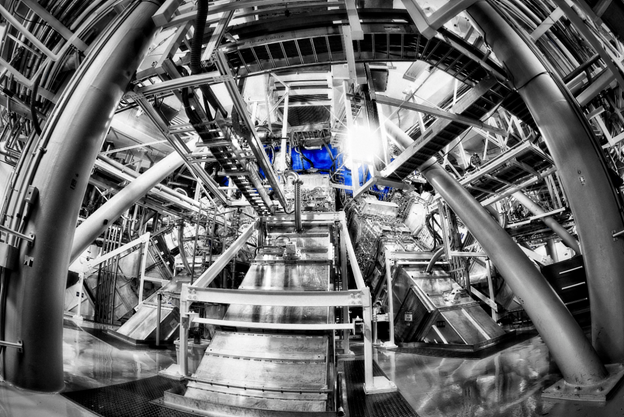
This excellent (and well-produced!) piece by the BBC takes a look inside the National Ignition Facility (NIF) at the Lawrence Livermore National Laboratory in California, home of the world's most powerful laser. The goal? To use the laser to compress a pellet of hydrogen fuel to the point of "ignition" - when a self-sustaining fusion reaction releases more energy than what was required to initiate it.
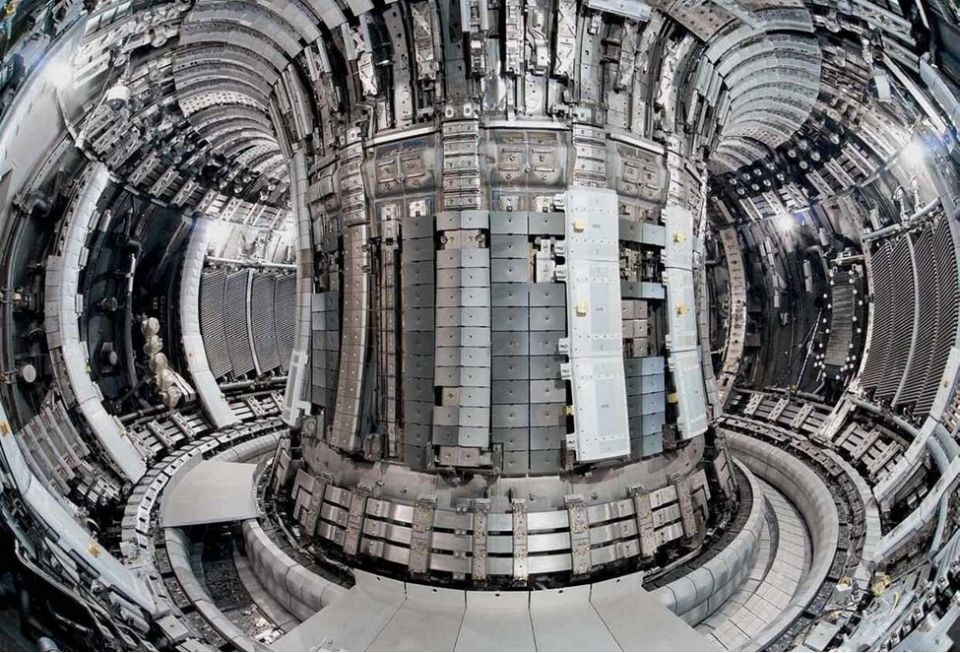
Media reports during the murkiness of the US government shutdown indicated that "breakeven" was achieved at NIF last month... well maybe, maybe not. Regardless, there is still a long way to go and there remain challenges to overcome. But then, NIF also has lots of company in the race for fusion energy...
Thanks to Lawrence Livermore National Laboratory YouTube and BBC Two Horizon