Westinghouse, Nordion, and PSEG team up to produce Co‑60 in the United States
This past January, Westinghouse Electric Company, Nordion, and PSEG Nuclear formalized agreements to implement newly developed cobalt-60 production technology at Units 1 and 2 of PSEG’s Salem nuclear power plant in New Jersey, with the Co-60 to be supplied to Nordion. Through an ongoing joint initiative, the companies aim to harness U.S. pressurized water reactors to produce a key medical isotope and build the first commercial-scale Co-60 production platform in the United States.
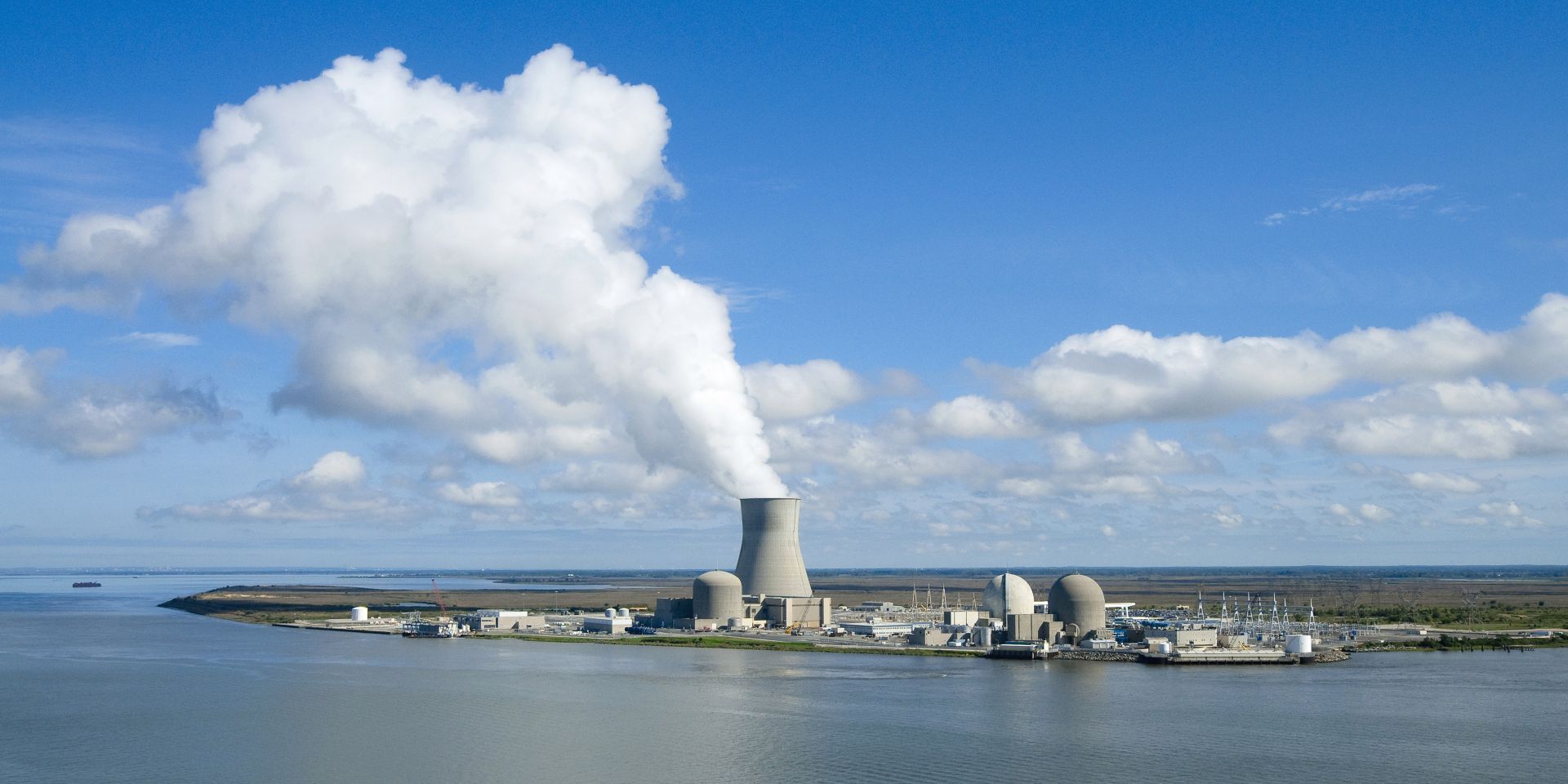
Salem and Hope Creek nuclear power plants near Hancocks Bridge, N.J. (Photo: PSEG)
The milestone is an evolution of a partnership that Westinghouse and Nordion established in 2019 with the goal of pioneering a new nuclear technology to meet the continued strong growth in demand for Co-60. Nuclear projects at this scale come with their fair share of challenges, including technology development, licensing, implementation planning, and integration with operations. By the time the first cobalt targets are installed later this fall, this program will represent seven years of coordinated development by fuel experts, licensing specialists, operations personnel, and transportation experts from all three companies. When the first projected commercial harvest of Co-60 at Salem happens around 2029, it will represent the culmination of a full decade of work to transform an innovative concept into substantive commercial deployment.
The players
Headquartered in Ottawa, Ontario, Nordion is a subsidiary of Sotera Health and is the leading global producer of Co-60. The company has been producing and supplying medical isotopes since 1946 and has built up resources for long-term supply, planning, transportation, processing, source manufacturing, and ongoing customer support.
Westinghouse, based in Cranberry Township, Pa., provides utility customers around the world with nuclear power plants, nuclear fuel, plant automation, and operating plant products and services. As a vertically integrated fuel vendor, the company also provides research and development, manufacturing, core engineering, safety analysis, licensing, and testing of nuclear fuel and related products.
PSEG Nuclear is responsible for generating approximately 40 percent of the electricity used in New Jersey and has played an instrumental role in this project. The collaboration among Westinghouse, Nordion, and PSEG culminated in the submission of a license amendment request (LAR) by PSEG to the Nuclear Regulatory Commission in late 2025. The LAR is composed of two elements: a site-specific element and a generic element that would apply to other utilities implementing the same technology. This means that other U.S. utilities interested in following in PSEG’s footsteps and producing Co-60 can benefit from a simpler licensing process, as PSEG has pioneered establishing technical, operational, and licensing foundations for commercial PWR production of Co-60.
Medical applications and more
Co-60 is a critical isotope used worldwide to sterilize single-use medical products, ensure the safety of implantable medical devices, and enhance food safety through irradiation. Every year, the radioisotope is used to sterilize more than 16 billion single-use medical devices in the United States. Despite using 50 percent of the global supply in its role as a leading manufacturer of sterile medical supplies, the nation currently has no domestic production capabilities for Co-60. To address this discrepancy, Westinghouse, Nordion, and PSEG are implementing first-of-a-kind technology to enable U.S. production of low specific activity Co-60 in U.S. PWRs. This initiative has the potential to meet at least half of U.S. demand, complement Canadian production, and ensure the long-term stability of this important supply chain.
Gamma irradiation is an established sterilization method with a history of more than 60 years and a process that is well understood and reliable. Products sterilized with Co-60 are used in a wide variety of medical procedures, including orthopedic surgery, cardiovascular procedures, invasive diagnostic procedures (e.g., endoscopy and biopsy), and cancer treatments. In addition, a variety of nonmedical products can be effectively sterilized or physically altered with radiation, including spices, meat and poultry, polymers, pet treats, and cosmetics.
The Co-60 supply chain is relatively small and highly specialized—there are only about 20 reactors in the world that produce the isotope. Most of the world’s Co-60 is produced in CANDU (Canada deuterium uranium) reactors in Canada, Argentina, China, and India. The radioisotope is also produced in RBMK reactors in Russia. Once the cobalt has been harvested from the reactors, it is sent for processing into sealed sources by one of only five manufacturers in the world—one of which is Nordion. These sealed sources are used by approximately 300 radiation facilities worldwide, including roughly 55 U.S. facilities.
Diversification in the supply chain helps improve resilience and meet different customer demands, and as global demand for Co-60 continues to grow, maintaining a diverse, dependable supply base is becoming increasingly important. The PWR fleet, which accounts for about 70 percent of the world’s more than 400 operating commercial nuclear reactors, has the potential to provide significant flexibility to expand production as the market demand evolves.
Preparing a COBA assembly
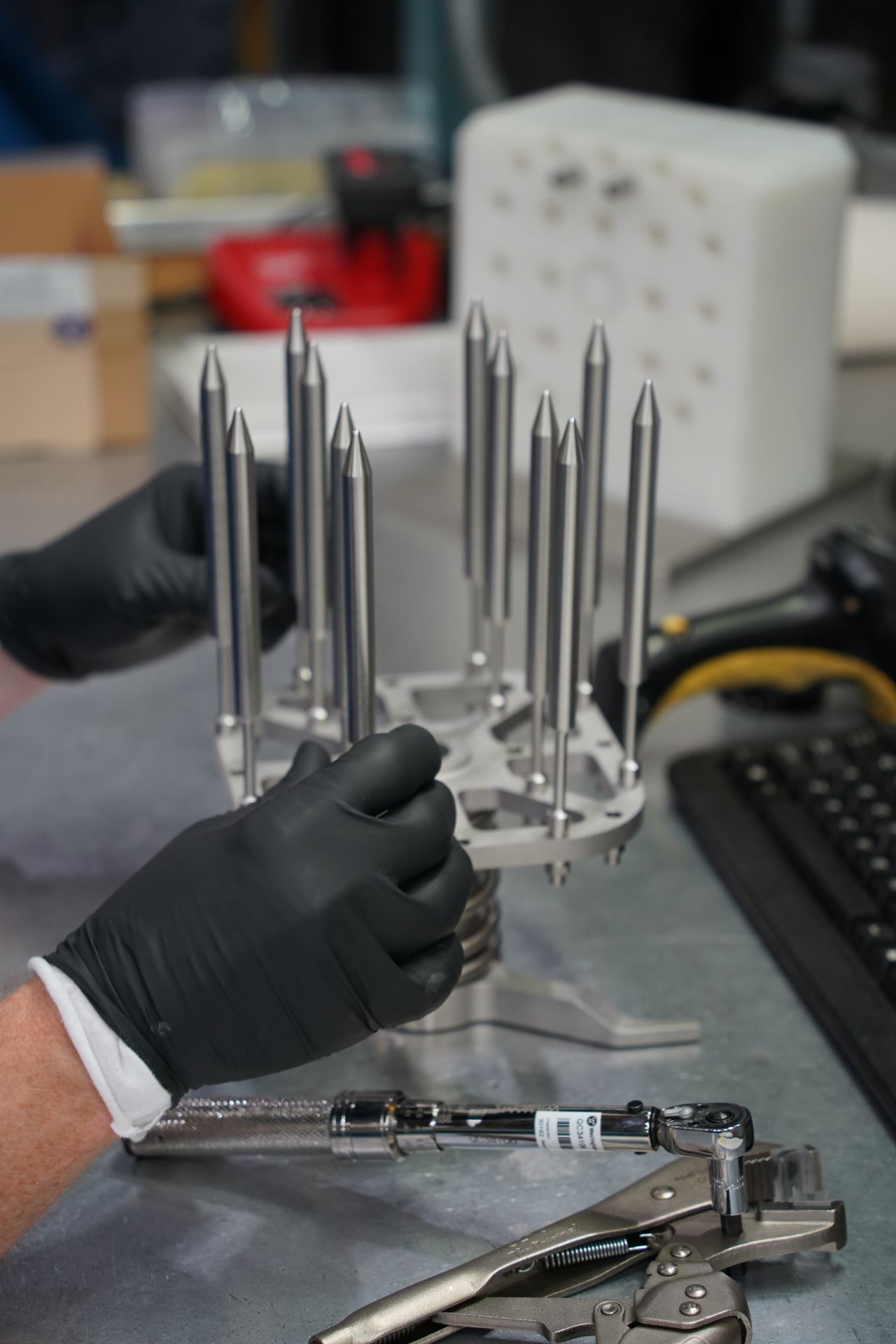
A Cobalt Burnable Absorber (COBA) baseplate is prepared for the installation of the rodlets. (Photo: Westinghouse)
Preparing a COBA assembly
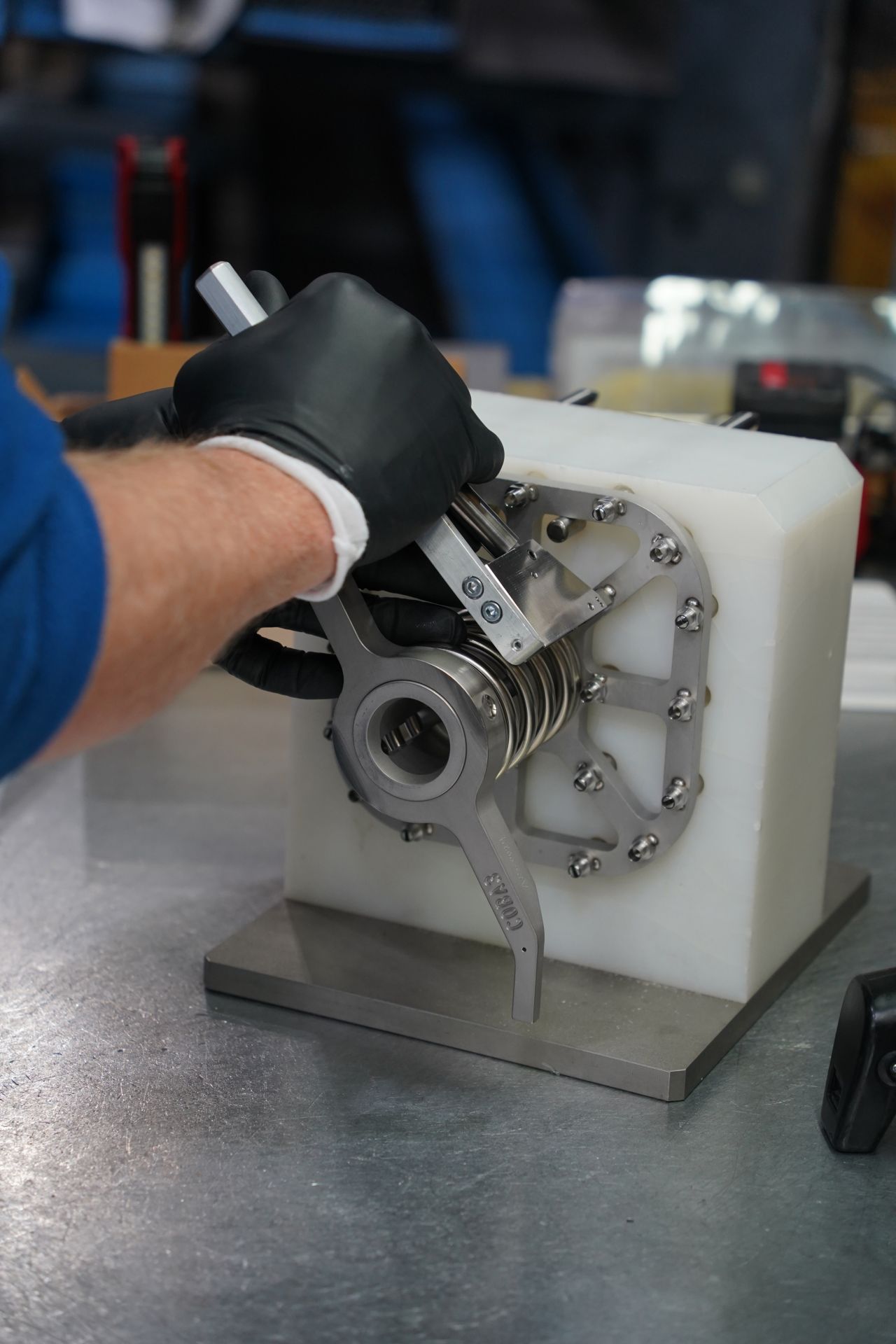
A technician aligns and installs internal components during COBA assembly operations. (Photo: Westinghouse)
Preparing a COBA assembly
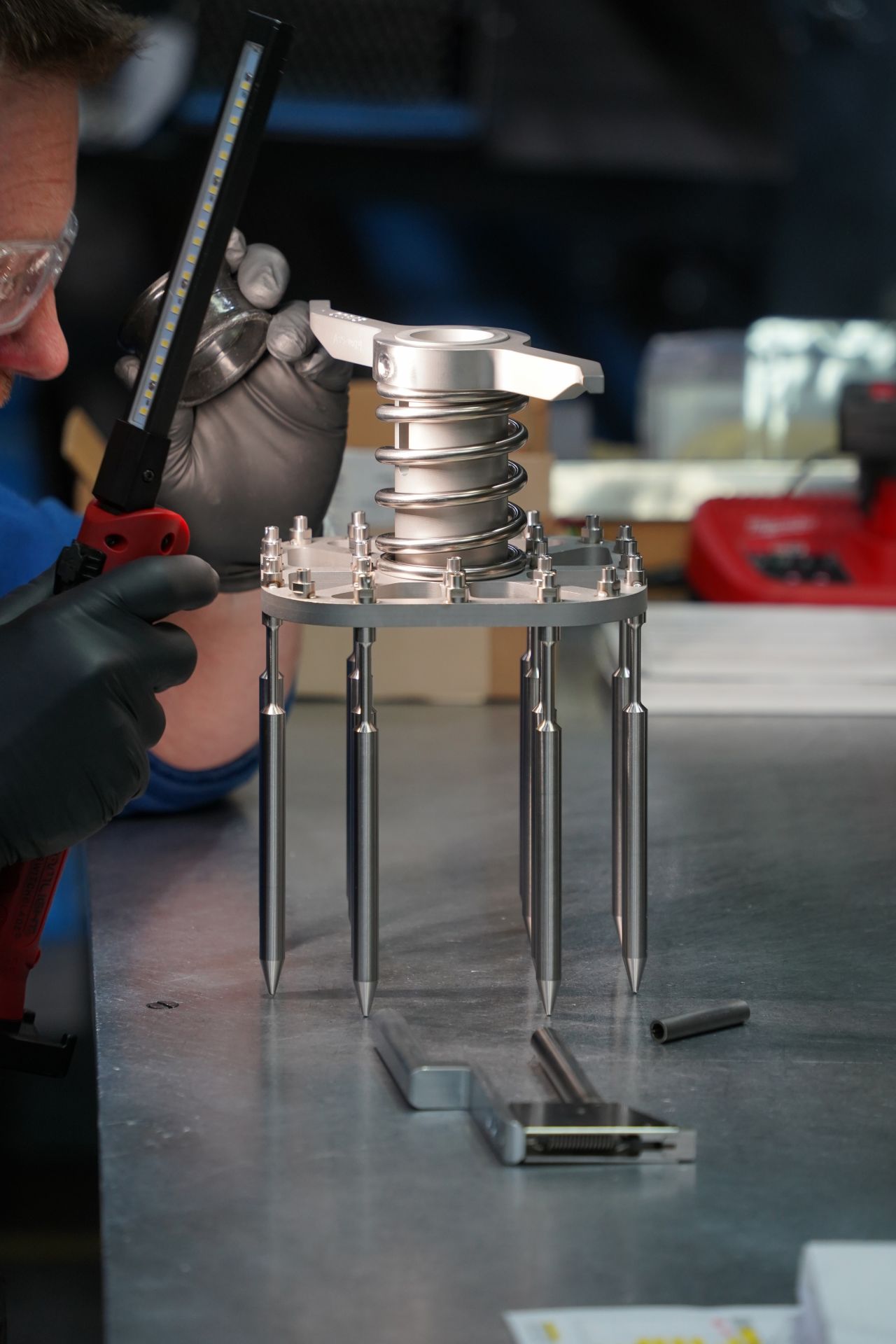
A COBA baseplate undergoes visual inspection and verification before advancing to the next stage of manufacturing. (Photo: Westinghouse)
Preparing a COBA assembly
Westinghouse personnel assemble cobalt target rodlets during manufacturing of a COBA assembly for Co-60 production in commercial nuclear reactors. (Photo: Westinghouse)
Preparing a COBA assembly
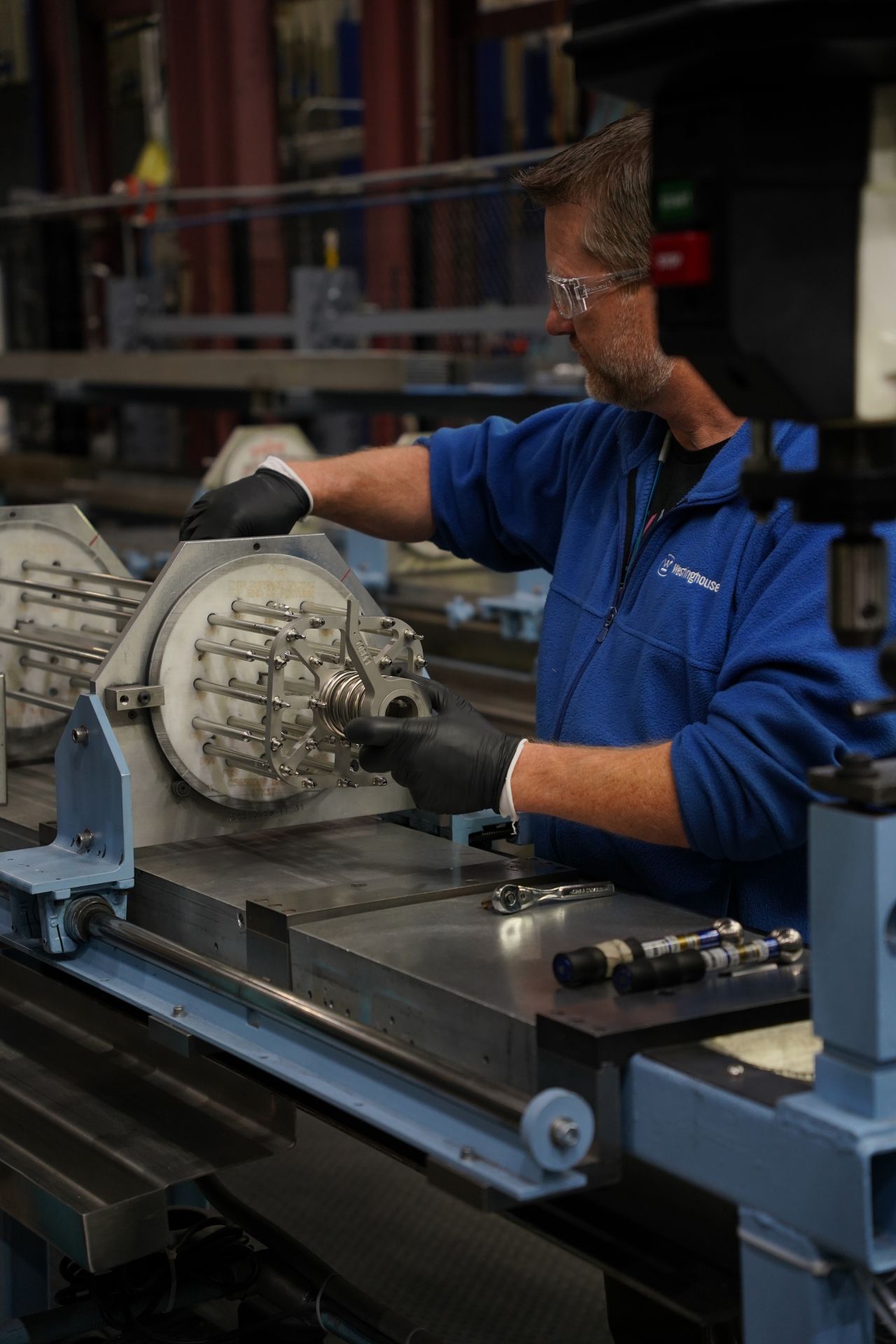
Assembly technicians install and secure COBA components as part of the fabrication process. (Photo: Westinghouse)
Preparing a COBA assembly
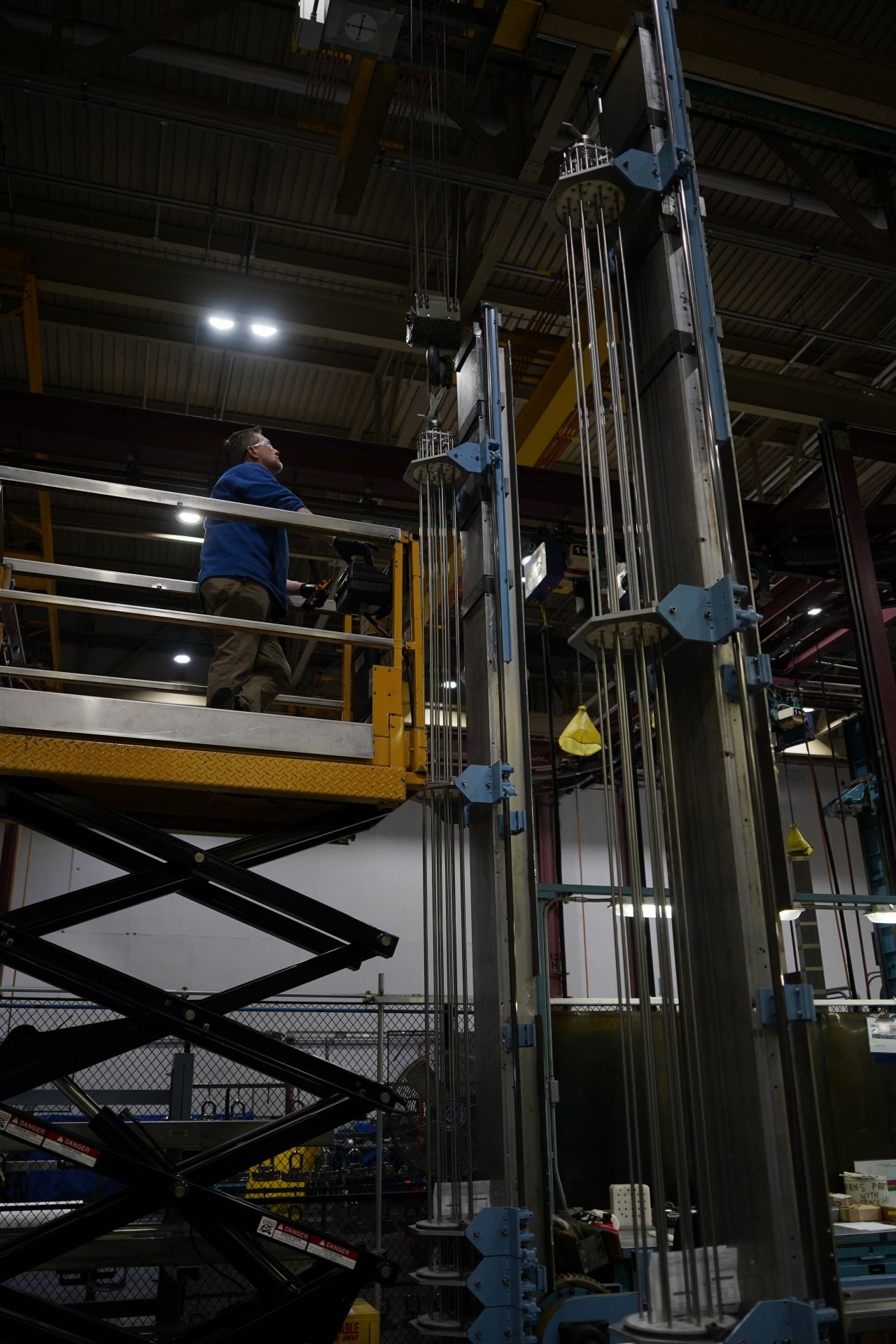
Westinghouse personnel perform visual inspections, testing, and final manufacturing preparations on a COBA assembly. (Photo: Westinghouse)
Preparing a COBA assembly
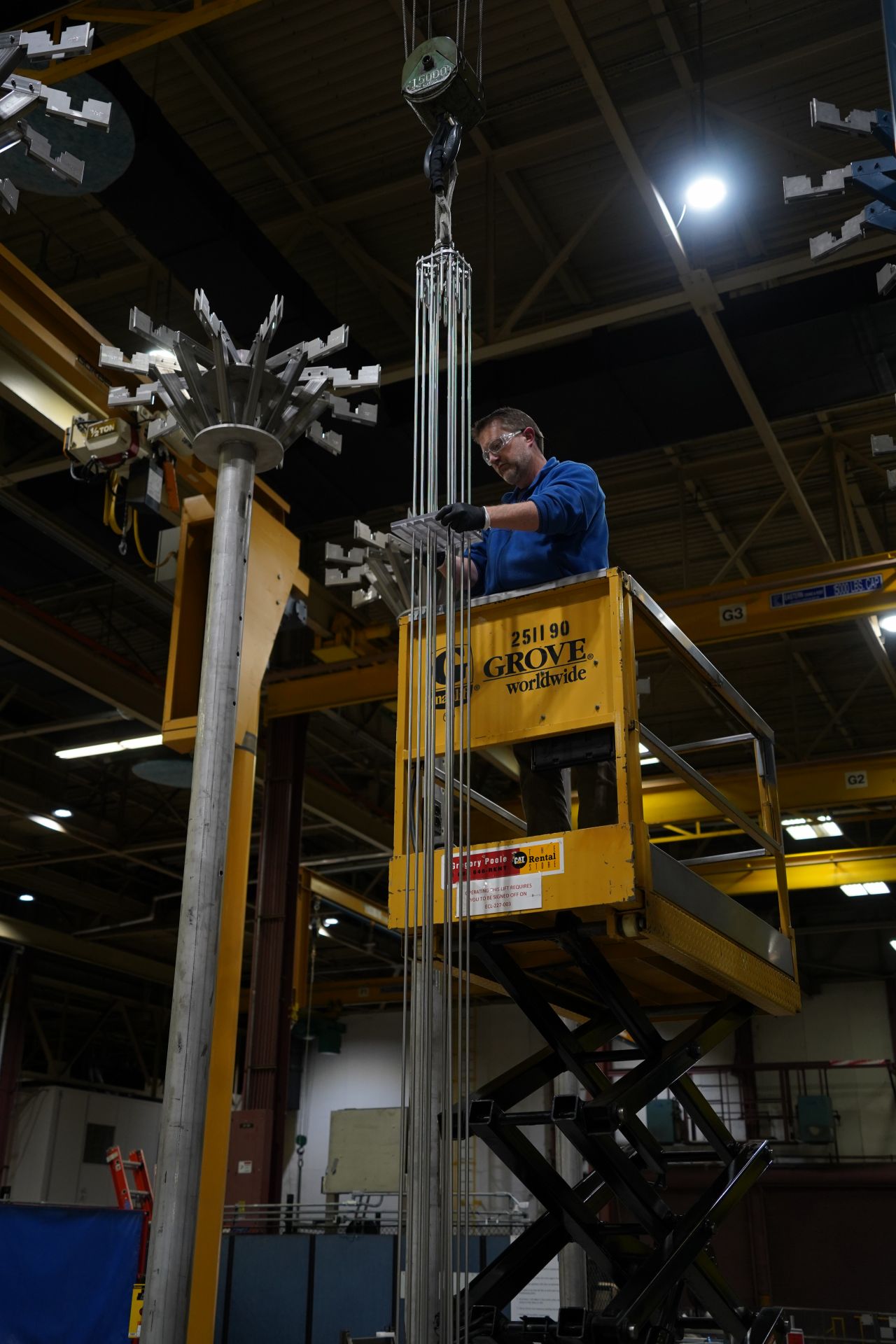
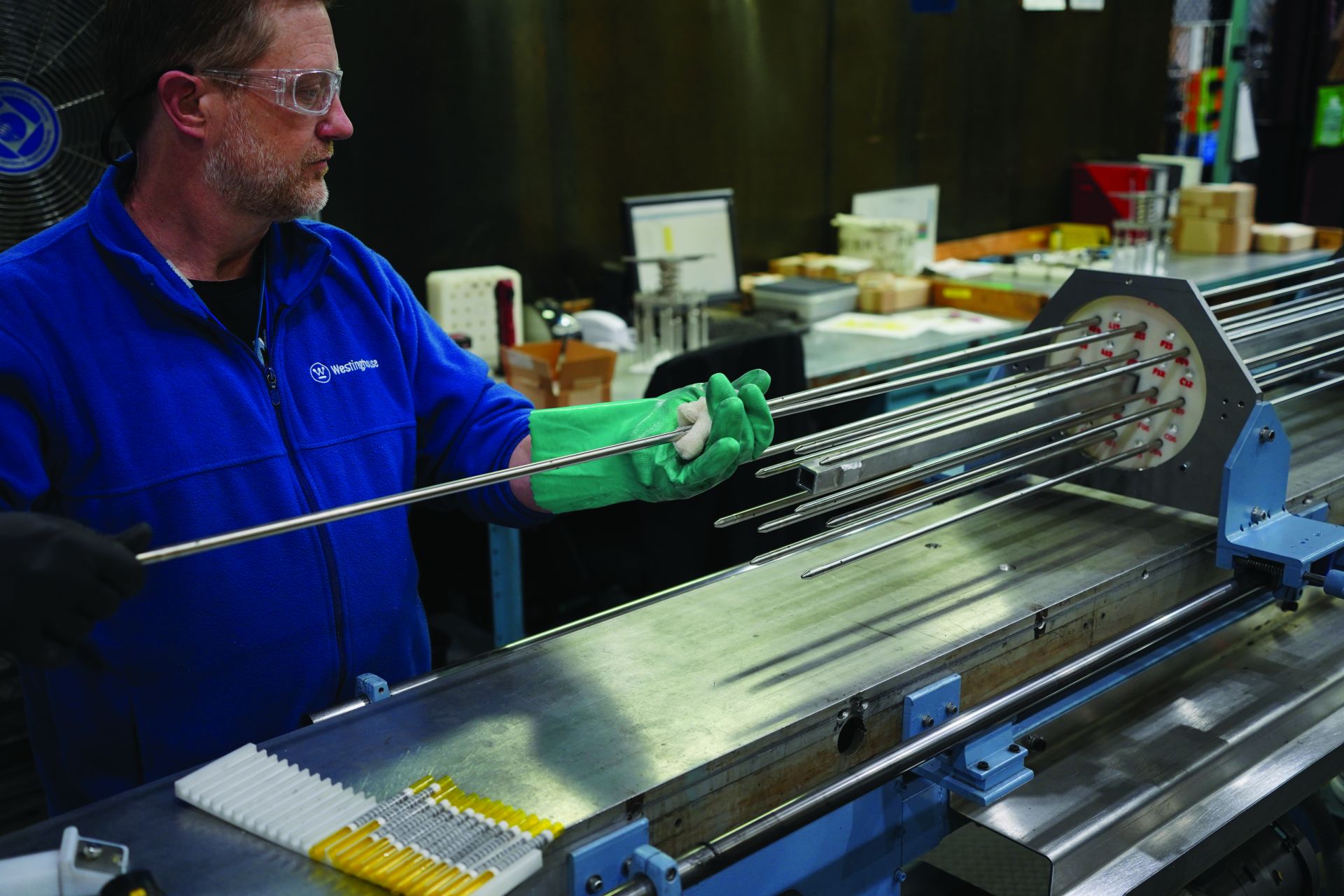
The COBA target rodlets are combed during handling and inspection activities at the Westinghouse Fuel Fabrication Facility. (Photo: Westinghouse)
Adapting the technology
Originally, using PWRs to produce Co-60 presented itself as a relatively straightforward prospect, since the radioisotope has been successfully produced in CANDU and RBMK reactors for decades. However, like many nuclear innovation programs, bringing Co-60 production into a new reactor environment came with many twists and turns.
In established Co-60 production reactors like CANDUs, the process begins with a high-purity cobalt-59 slug with a nickel plating. These slugs are loaded into a target, assembled into a bundle, and then inserted into the reactor. There, the Co-59 absorbs neutrons and is gradually transformed into Co-60. Depending on the desired activity level and reactor platform, this irradiation process can take between 18 months and five years. Once the material has reached target activity, it is removed from the reactor and shipped to Nordion for processing.
In CANDUs and RBMKs, the cobalt targets are irradiated in locations exposed to relatively low temperatures and pressures. PWRs, on the other hand, presented a new environment. The reactors operate at significantly higher temperatures and pressures. Instead of being irradiated at a temperature of 60°C–70°C in near-atmospheric pressure as in a CANDU, cobalt targets in a PWR are exposed to temperatures around 320°C and pressures of approximately 15.5 megapascals.
Another significant difference is that cobalt targets need to remain in the PWR for up to two or potentially three 18-month operating cycles. This timeline means that cobalt targets require three to five years of dwell time in a reactor, during which they are exposed to elevated temperatures, elevated pressures, and neutron irradiation. This PWR initiative required more than simply taking existing technologies and moving them from one reactor type to another. Factors like corrosion, oxidation, and material growth had to be taken into consideration.
The engineering efforts of Westinghouse, Nordion, and PSEG resulted in the design for a Cobalt Burnable Absorber (COBA) insert based on patents owned by Nordion. The COBA is inserted into Westinghouse fuel assemblies, in which Co-59 targets function as discrete burnable absorbers. The cobalt, harvested during refueling outages, can be processed and packaged for shipment afterward using modular workstations without impacting plant operations. The COBA inserts are designed to complement other discrete and integral burnable absorbers such as zirconium diboride, gadolinia, and alumina-boron carbide while converting Co-59 to Co-60.
A COBA insert contains a series of rodlets, each of which contains multiple capsules. These capsules contain Co-59 slugs that become irradiated within the reactor core over time to convert into Co-60. One of the most important design considerations was having the COBA function as a fuel insert with the cobalt separate from the fuel rods, rather than being integral to the fuel rods themselves. This design simplifies factors such as implementation, harvesting, transportation, and licensing. Once the design was finalized, the real challenge became demonstrating that Co-60 could be produced safely, efficiently, and economically in PWRs.
Optimizing the fleet
Across the nuclear industry, utilities make significant investments in the futures of their plants—whether this means license renewals, upgrades, longer fuel cycles, or higher fuel enrichments—with the goal of producing more electricity in a safe, reliable, and cost-effective way. Increasingly, utilities, policymakers, and other industry stakeholders are becoming aware of avenues for their existing U.S. nuclear infrastructure to be used to create additional value beyond electricity generation. One of the relevant applications is hydrogen production; another is the production of medical isotopes like Co-60.
For utilities, producing Co-60 represents an opportunity to secure a potential long-term recurring revenue stream and support health care supply chains that depend on the Co-60 sterilization industry. Producing Co-60 in PWRs is unobtrusive operationally and allows utilities to generate additional value from existing infrastructure without the need for permanent plant modifications. With Westinghouse and Nordion providing the technical, licensing, and supply chain support for COBA technology, only limited upfront and ongoing investment is needed for a plant to start producing Co-60.
Additionally, Co-60 production has no outage impact, as harvesting occurs after refueling is complete. This program and technology align with the direction that many utilities are moving toward, whether it is a move from an 18-month fuel cycle to a 24-month cycle, upgrades/uprating power, or advanced or future fuel strategies.
This PWR Co-60 initiative provides a new way to mobilize the U.S. nuclear fleet outside of providing emissions-free electricity for a growing population. Over the past 18 months, there has been a flurry of executive orders and actions aimed at boosting the U.S. economy and workforce, particularly in the critical sectors of health care, national security, and domestic manufacturing. Co-60 is important in the sterilization of pharmaceutical products, packaging, and bioprocessing equipment for innovative applications. As the U.S. seeks to increase the production of domestic pharmaceuticals, a reliable Co-60 supply becomes even more critical.
Since Co-60 is produced in only a handful of places and must sometimes travel great distances, mitigating geopolitical risk is an essential aspect of securing a reliable Co-60 supply. Increasing domestic manufacturing reduces reliance on foreign sources to strengthen the supply chain. This project also satisfies the Department of Energy’s designation of Co-60 as a radioisotope in critical need of domestic production capability. This project has been positively received by government representatives on both sides of the aisle, who recognize the opportunity for reactors to use their existing assets to generate additional value in the service of public health.
As the country with the world’s largest commercial nuclear fleet, the United States has unmatched opportunity to supplement existing cobalt production platforms. Once PWR production is established domestically, opportunities exist to extend beyond the U.S. fleet to PWRs in other areas. For the sterilization industry, this project is a major step forward in strengthening long-term supply and supporting future growth across the industry. Nuclear projects at this scale tend to operate on a longer timeline, but investment in the form of money, time, and energy from dedicated stakeholders can make a big impact in increasing supply chain resilience to preserve a stable health care system in the United States and around the world.
Danielle Mercurio is the head of government affairs for Sotera Health. Richard Wiens is the director of business development and strategic supply at Nordion. Kristofor Paserba is a senior manager for radioisotope production technologies at Westinghouse. James Stavely is the nuclear fuels director at PSEG.