In transition: Commercializing fusion power
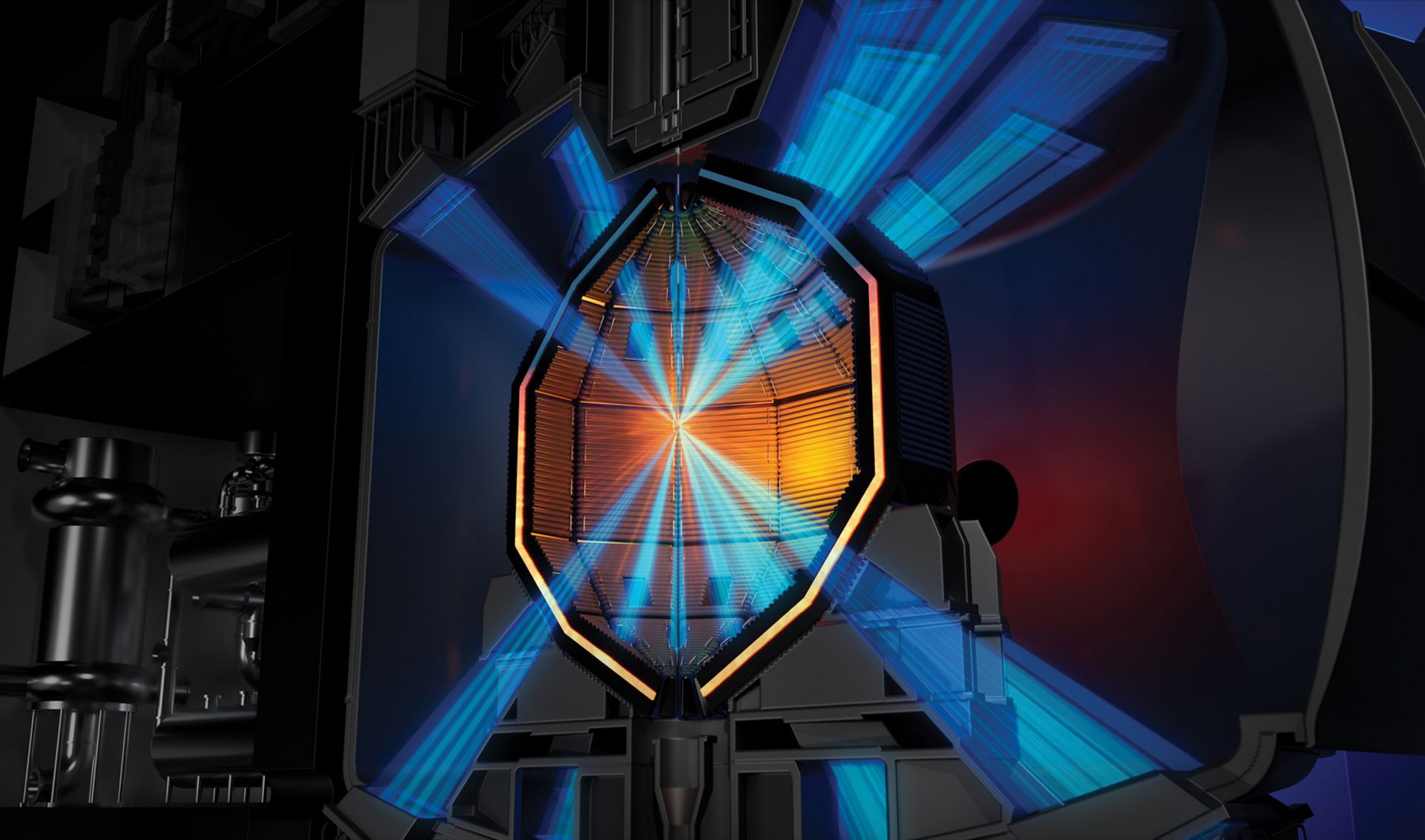
Commercial fusion power is closer than ever. There are now around 30 U.S. fusion companies, several of which claim to be on track to connect to the grid as early as the 2030s.
Tokamak and laser inertial confinement approaches benefit from decades of research at facilities such as the National Ignition Facility (NIF) at Lawrence Livermore National Laboratory and ITER, with alternative concepts including stellarator, magnetic mirror, and Z-pinch confinement also making notable progress as private and government funding for fusion increases.
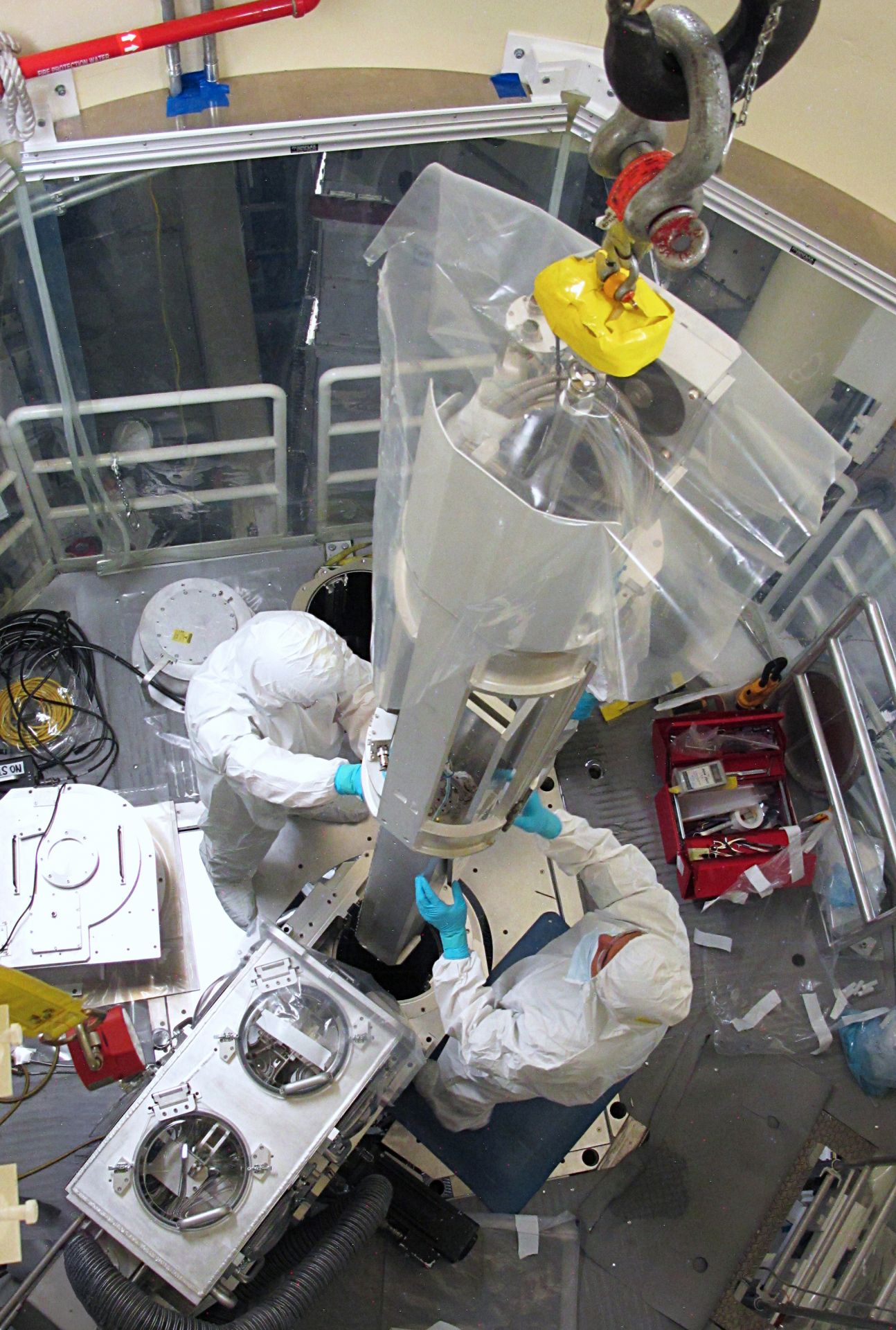
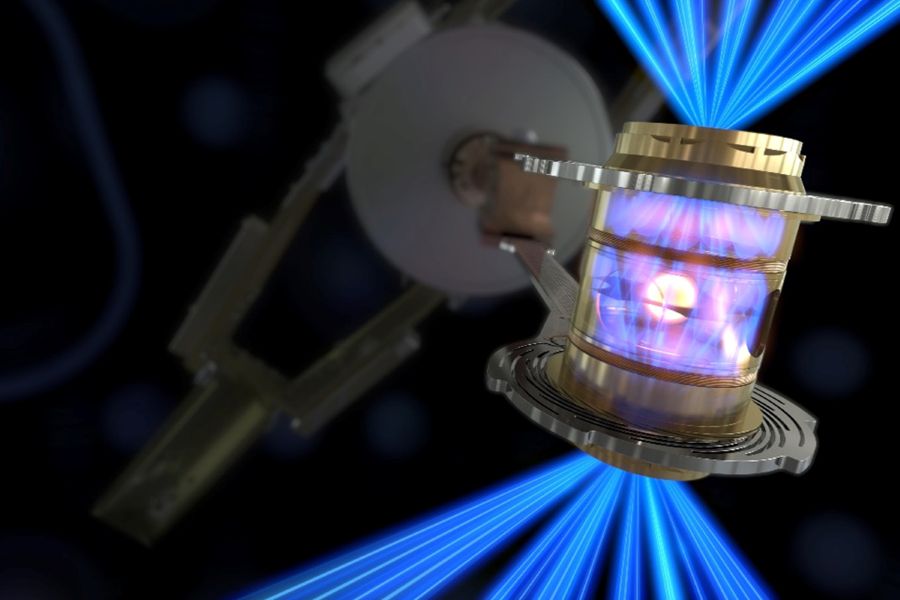
NIF’s hardened gated X-ray detectors (HGXD) provide time-resolved images of the X-ray emission from the fusing plasma as it self-radiates during compression and thermonuclear burn. Currently, HGXDs use pinholes held at the end of a long snout that is placed near the fusion source, and the camera electronics are several meters away. Ongoing LLNL research seeks to understand how to harden the electronics and move them further from the source to be more compatible with high-yield devices like a power plant or next-generation research facility. (Photo: LLNL)
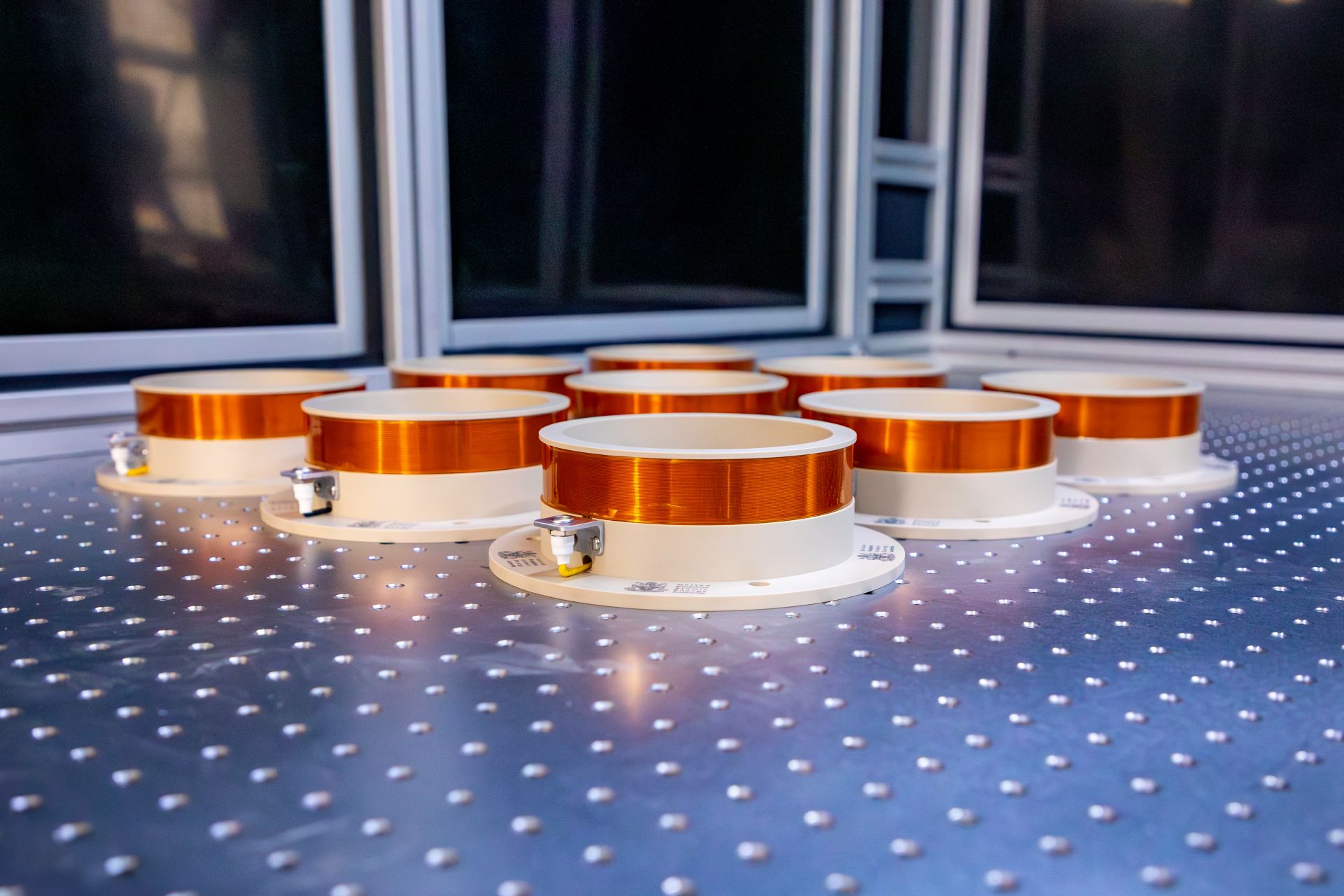
Window magnetic field sensors, which will be used on the ITER machine. (Photo: UKAEA)
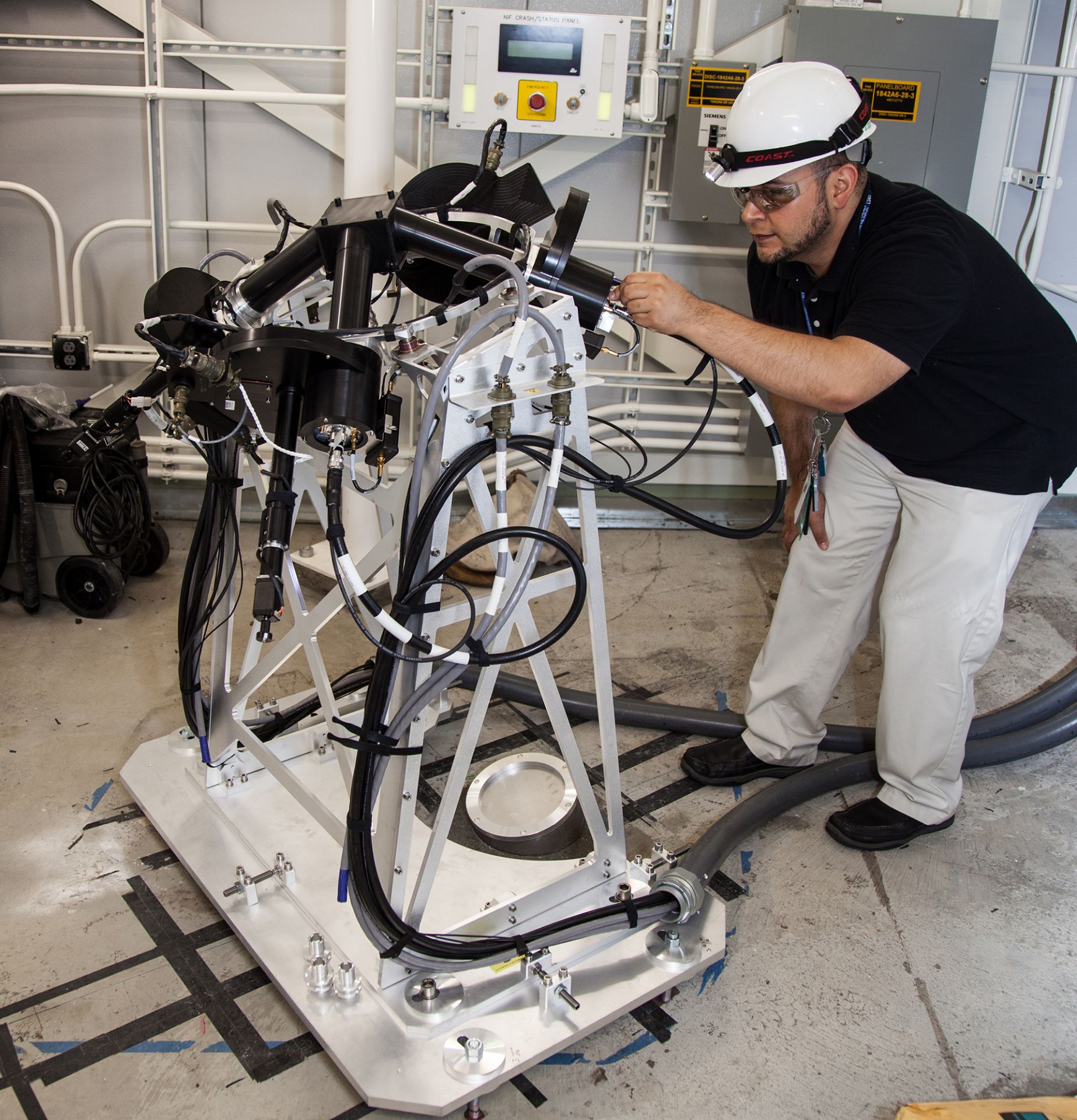
NIF’s neutron time-of-flight diagnostic system is a workhorse for diagnosing the thermonuclear plasma generated during ignition experiments. It provides measurements of the neutron yield, temperature, and neutron scattering, and when fielded along multiple lines of sight can monitor bulk motion of the entire fusing assembly. These diagnostics use electronic recording media—oscilloscopes—and so are fundamentally compatible with rep-rated power plants, though their shielding and other details would need to be upgraded for the harsh environment. (Photo: James Pryatel)
The development of instrumentation and control (I&C) systems designed for fusion power reactor conditions will be essential to produce commercially viable fusion power.
“If a fusion system were a human body, the plant machinery would be the muscles, the instrumentation the five senses, and controls would be the brain,” said Claudell Harvey, manager of I&C for the U.S. ITER Project.
Until recently, fusion facilities were designed for experiments, where the intention has been to push the limits of human knowledge and discover the conditions needed to make fusion happen, as in NIF’s groundbreaking achievement in 2022 of fusion ignition.
These facilities conduct exploratory studies, characterizing the plasma or implosion, understanding performance limits, and testing increasingly sophisticated models against experimental results under different conditions. This deep knowledge of how the plasma works is essential to the development of the next generation of fusion machines and control systems.
In contrast, in a fusion power reactor, the goal is to repeat a reliable and well-understood fusion process over and over again, maximizing power output while maintaining safe and stable operations.
“NIF is optimized to learn as much as possible from each shot,” said Dave Schlossberg, science lead for nuclear diagnostics at NIF. “Many of the things that make NIF so powerful as a research machine are exactly the things that would have to change in a power plant.”
Research facilities can test some aspects of expected power reactor conditions but can only go so far.
“It’s basically like designing a plane with a wind tunnel. You get close enough but still have to build the real thing and fly it,” said Egemen Kolemen, a professor at Princeton University and ITER scientist fellow.
Portrait of a shot
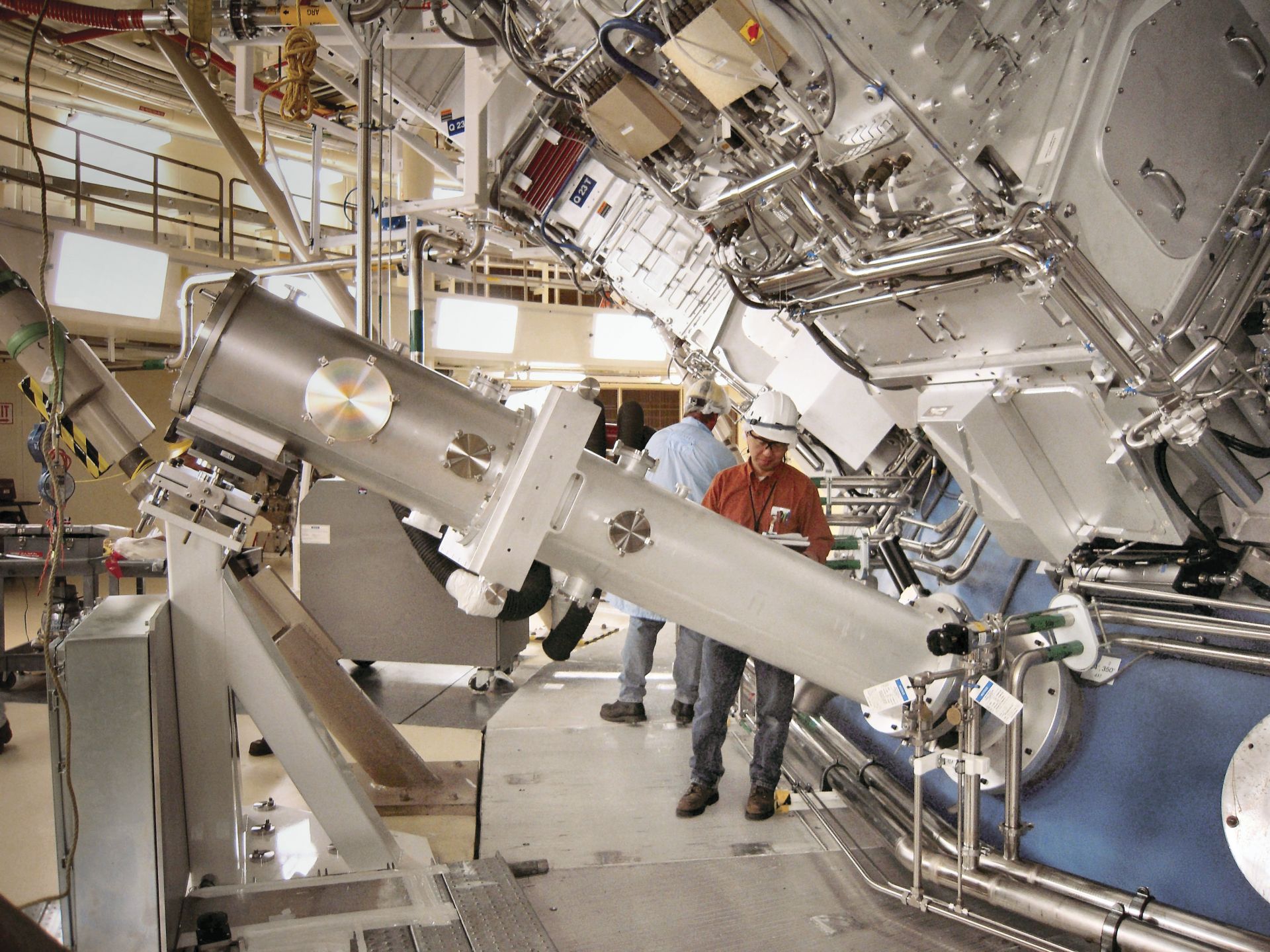
NIF’s Dante diagnostic provides the time evolution of the X-ray drive that implodes the capsule to create fusion. It operates using a set of precisely calibrated filters and X-ray photodiodes that record the energy-dispersed signal passing through the filters. For an indirect-drive inertial confinement fusion power plant, the Dante diagnostic would be one way to monitor the drive characteristics, especially since the hardware is compatible with rep-rated measurements. However, the system would need to be substantially hardened and analysis automated to be compatible with a fusion plant. (Photo: LLNL)
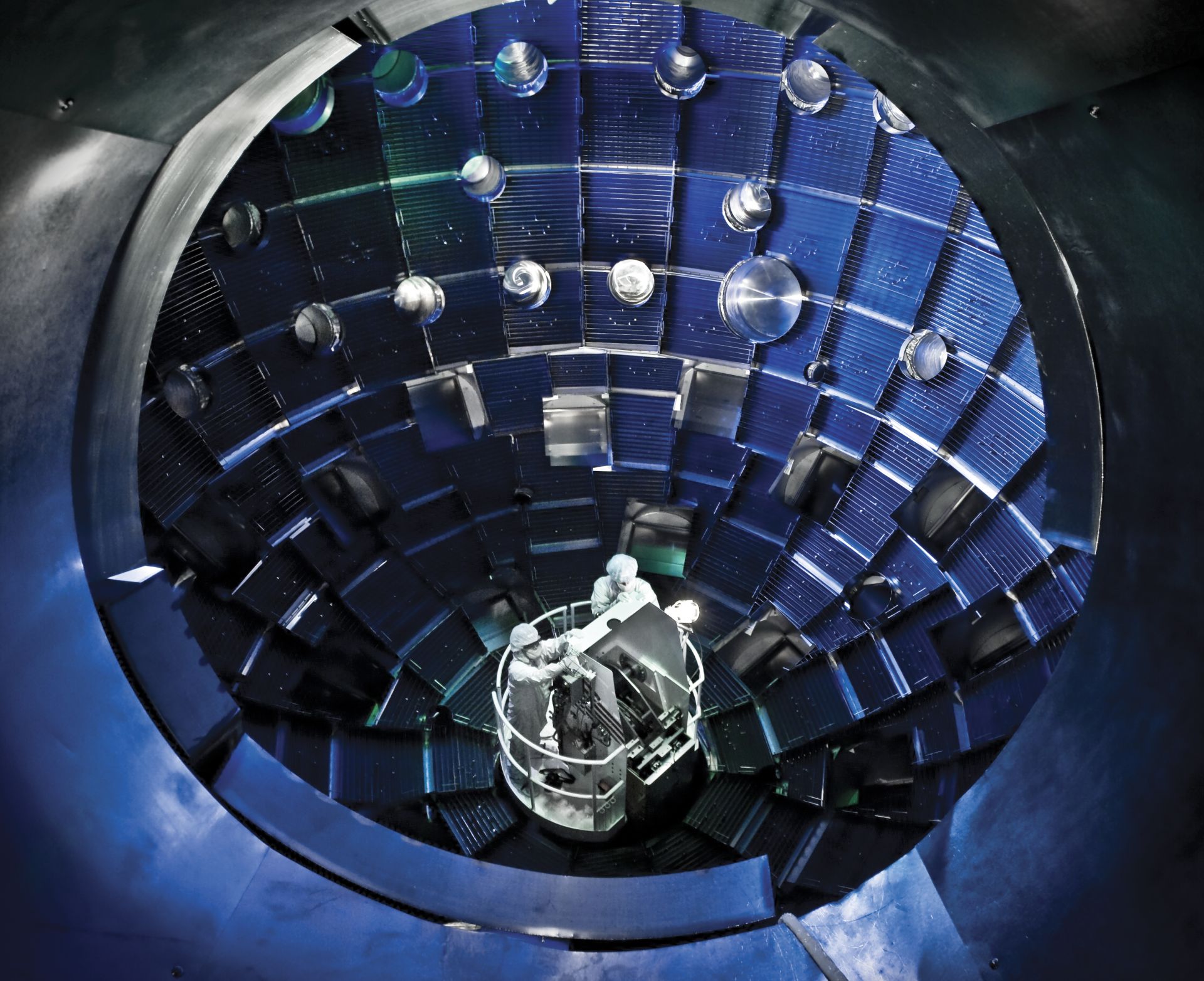
Holes in NIF’s target chamber provide access for the laser beams and viewing ports for diagnostic equipment. (Photos: LLNL)
To really understand the difference, let’s walk through how experimental setups operate.
According to Schlossberg, NIF conducts experiments five days a week, reserving two days for maintenance and recovery. The facility takes several days to set up and execute an ignition-class shot, with much of that time going toward target preparation. The temporal shape, wavelength, and timing of the laser pulse must be set up and the laser system aligned. The setup varies, customized to the intended experimental goal. When executing the shot, NIF collects a wide range of high-resolution data, typically from around 20 target diagnostics selected from over 120 options at NIF.
Kolemen said present-day tokamaks are similar: instrumentation-rich machines serving the study of plasma evolution and response.
In both cases, fusion power reactors will operate under a completely different model, aiming for a repeatable and efficient system that maximizes power production conditions, whether that means a rapid shot rate or longer-held plasma. Setup would need to be as automated and predictable as possible.
The fusion field is at a turning point. What is required to make this transition, and how far is current technology from that goal? To some degree, this is dependent on the fusion technology being considered. The underlying fusion process is the same, so many of the major challenges are shared, though differences in the approach to confining and driving the plasma lead to different requirements.
More than “just engineering”
In a fusion power plant, diagnostics will serve a fundamentally different role, with analysis primarily serving to control and operate the system. Commercial viability will require cost minimization, scaling instrumentation down to the necessities.
The instruments that remain will face orders of magnitude increased neutron and gamma fluxes, which will accelerate the degradation of many materials and increase signal noise.
“A power plant will expose sensors to neutron fluxes, high heat loads, electromagnetic noise, vibration, and probably very limited access for maintenance. Diagnostics for future devices must be more robust, more compact, and easier to calibrate or replace,” said Doménica Rivera, an associate research physicist at Princeton Plasma Physics Laboratory.
“Research facilities can tolerate complex, highly customized, and sometimes delicate diagnostic systems. A commercial plant cannot,” said Schlossberg.
The basic science for doing this development, he continued, is understood well enough to see credible paths forward, but “fusion has a way of turning ‘just engineering’ into very hard engineering.”
This is, after all, a machine that must contain the process that powers the sun.
There is no perfect solution, but there are several pathways to consider.
Increased shielding can protect instruments from irradiation, but this can also reduce the effectiveness of certain kinds of instruments, such as X-ray measurements, by blocking the direct line of sight. In some cases, however, the issue can be skirted, such as by using a series of mirrors to bounce an image to a camera.
Moving instruments further away from the machine can also decrease radiation exposure, but longer cables mean decreased signal strength. The highly energetic neutrons produced by a fusion power plant will travel far, and in some cases these distances may exceed the limits of currently used communication protocols.
For many instruments, the question isn’t so much whether they can operate in this intense environment but for how long. For example, Kolemen said that the DIII-D National Fusion Facility uses cheap digital cameras to look at the plasma. They don’t last long and must be replaced regularly.
“That ends up being cheaper than trying to buy a neutron-hardened camera,” he said. “If the replacement is easily accessible, sometimes that’s the way to go.”
A study published in February in the Journal of Fusion Energy found that it may be more profitable for fusion power plants to plan for more frequent maintenance outages, timed to occur during seasons when electricity demand is lowest, than to build systems with a longer time scale of durability.
Recent developments in artificial intelligence tools also offer a cost-saving route.
“We’ve shown that with cheap diagnostics, we can get enough information to map that to the much more expensive diagnostics. If that works out the way we have been showing in the research reactors, that’s a big deal,” said Kolemen. “You can save tens of millions of dollars not having to install all these fancy diagnostics, because you can infer from the cheaper, simpler diagnostics.”
All systems go
For all fusion concepts, the plasma must be understood in real time, connected to automatic control systems that can identify abnormal conditions and adjust on the fly.
In inertial fusion, a high-density plasma is confined on very fast time scales, the small droplet existing for nanoseconds or even picoseconds, with extremely fast pulse rates. According to Schlossberg, key diagnostics include the shape and location of the hot spot and surrounding dense fuel, the time of peak fusion production, and the duration of the burn. These measurements require ultrafast diagnostics, precise timing, and shot-to-shot repeatability. Commonly driven by laser systems, the success of the shot depends on systems such as laser energy monitoring, beam alignment, optical quality, mirror positioning, focal spot control, thermal management, and target tracking.
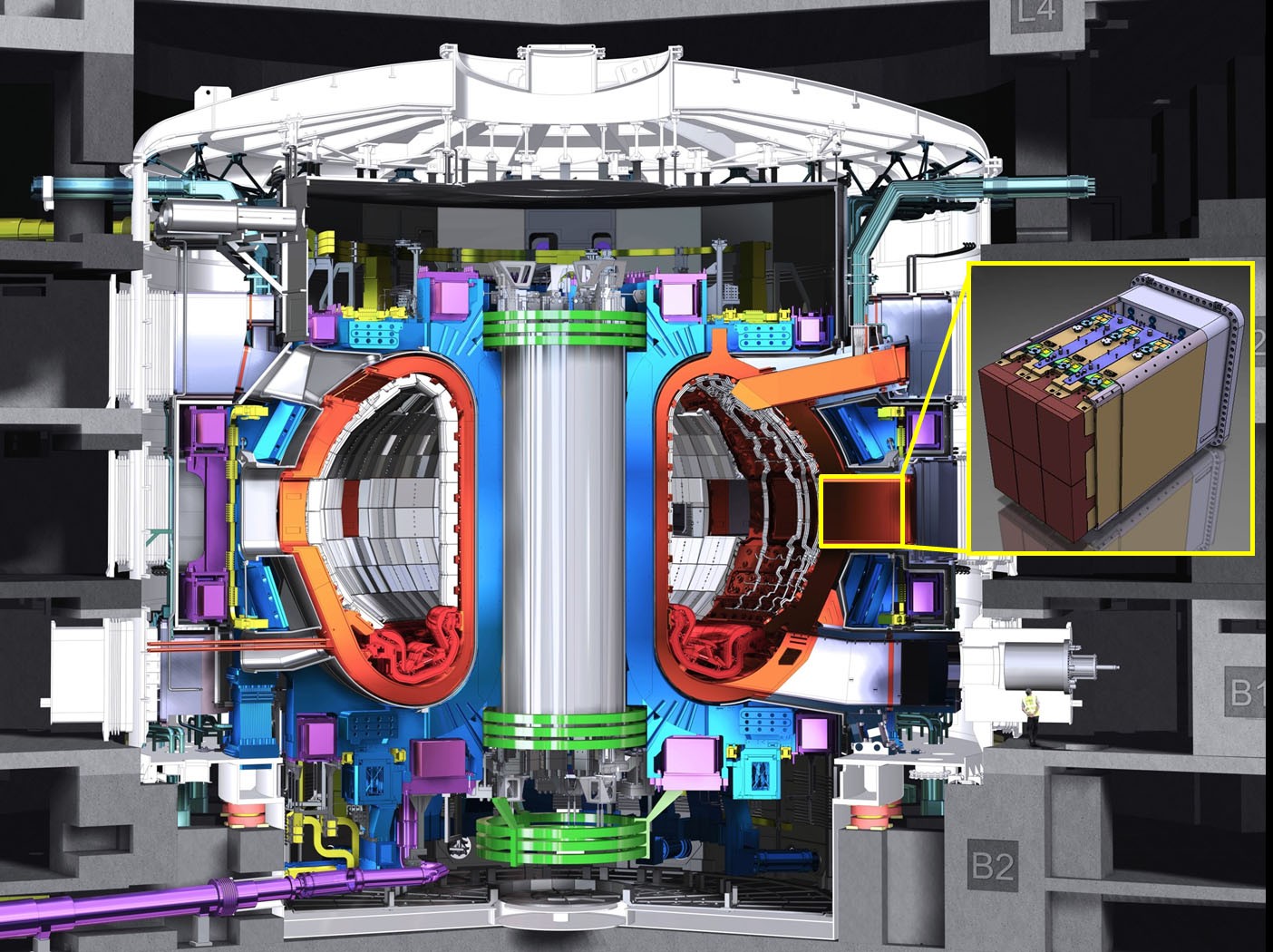
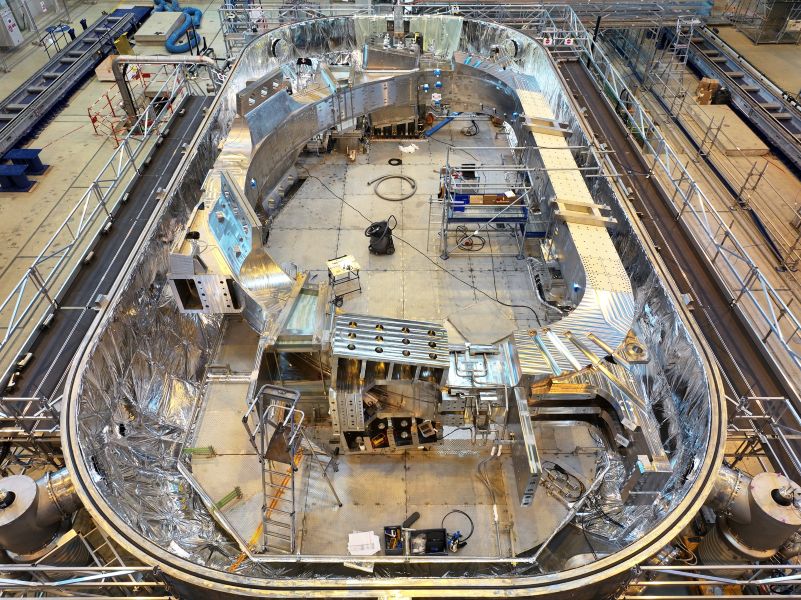
ITER diagnostics will be integrated into massive components called port plugs. Work is underway now on the structural design of the port plugs, which must take into consideration eventual electromagnetic loads. (Image: ITER)
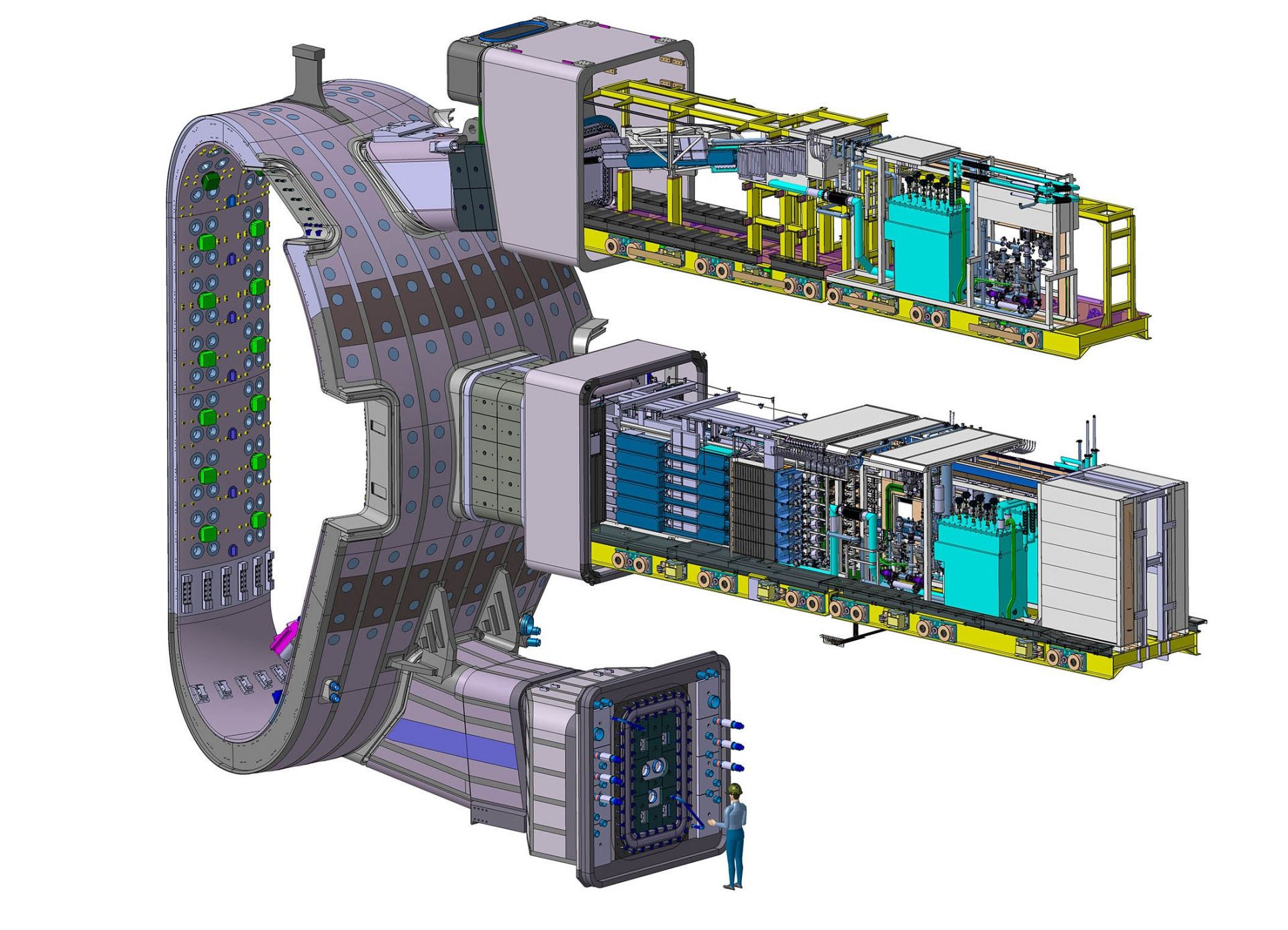
A CAD model of an ITER vacuum vessel sector showing a set of 12 injectors installed in the equatorial port plug (middle) and one injector in the upper port plug. A significant fraction of the equipment is dedicated to services providing cryogenic coolant, vacuum pumping, and process gases. (Image: ITER)
In contrast, Schlossberg said, magnetic fusion requires confining and continuously monitoring a relatively low-density, long-lived plasma, with the plasma duration increasing its susceptibility to disruptive instabilities. Key diagnostics track the applied magnetic fields, the plasma’s internal magnetic configuration, the plasma response, and instabilities from magnetohydrodynamic activity. These systems typically rely on multiple types of external heating; for example, ITER uses Ohmic heating, neutral beam injection, and electromagnetic radiation.
But the instruments are just the starting point. Next, collected data must be analyzed and unified using integrated data analysis to develop a real-time picture of the plasma state and feed that directly into operational decisions.
“Control is real-time optimization. It’s the hardest possible way of doing optimization,” said Kolemen.
In tokamaks, this means navigating decision making around what Eugenio Schuster, a professor who leads the Plasma Control Laboratory at Lehigh University, calls “a plethora of competing objectives,” including burn control, heat-flux management, and profile shaping, while sharing a limited number of actuators.
He said maximizing performance means approaching the boundaries of stability and productivity, pushing the plasma to high-performance regimes. Crossing those lines risks triggering transient events, which can evolve quickly and kill the fusion burn.
When disruptive events are unavoidable, systems must sense that as quickly as possible and respond with mitigation measures to safely dissipate the plasma’s energy and prevent structural damage to the reactor.
“Sensing, estimation, control, and protection are common needs for all these different devices out there,” said Rivera.
While AI/machine learning is also very effective for control applications, those tools tend to not meet regulatory standards of reliability, Kolemen noted. To get around this, control systems are built in shells, with the “smart” inner layers kept in check by increasingly “dumb” layers, such as physics-based models that don’t utilize AI, and with the outermost layer being the nuclear safety control system, which does not rely on any electronics.
He said proof-of-principle versions of these systems have been run on experimental fusion machines with the aim of optimizing for the power reactor conditions, but these concepts are still in the “wind tunnel” stage, with further development required for actual power plant use.
“Unlike experimental machines, a commercial reactor cannot afford frequent disruptions or thermal excursions, which can lead to permanent machine damage. I&C requirements will be orders of magnitude more stringent, requiring integrated systems that work correctly the first time they are deployed,” said Schuster.
Not an afterthought
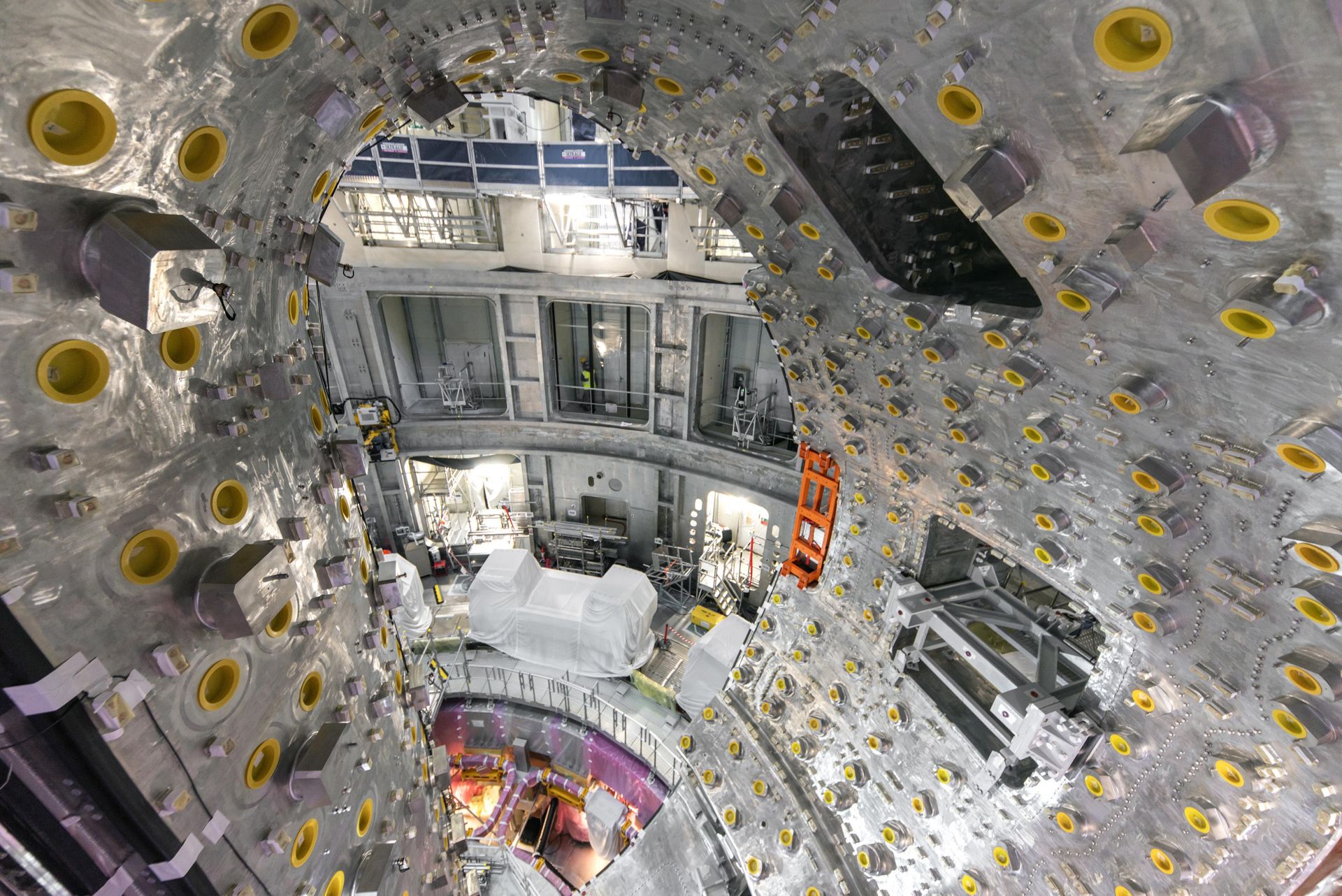
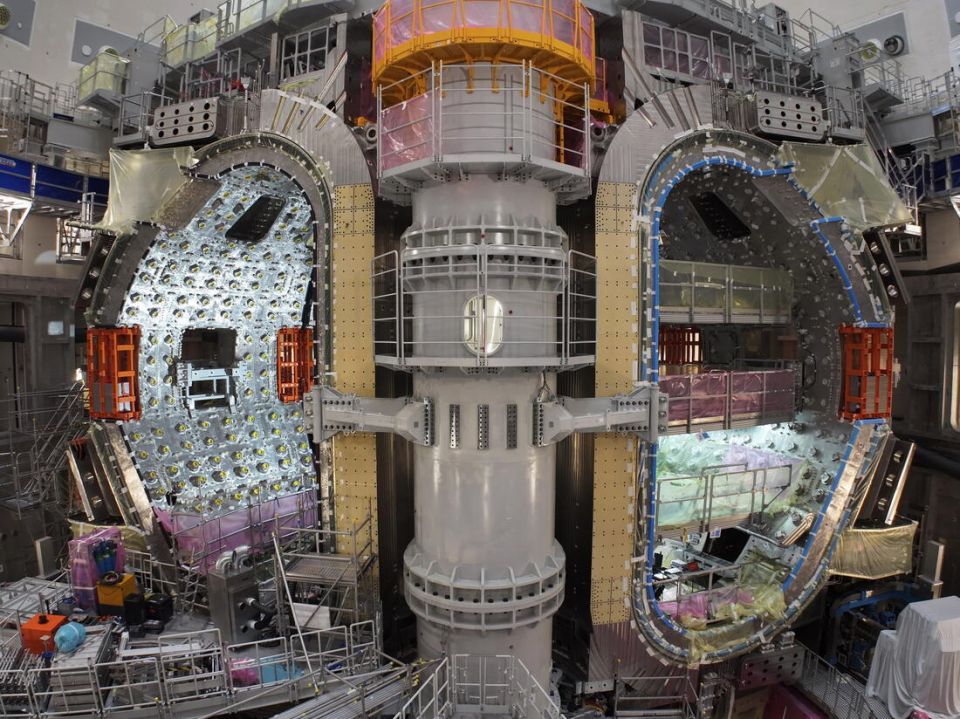
There is a dense “forest” of attachments on the inside of the ITER vacuum vessel. Tiny “bosses” for diagnostics are seen here amid the much larger support pads (yellow) for the blanket shield blocks. (Photo: ITER)
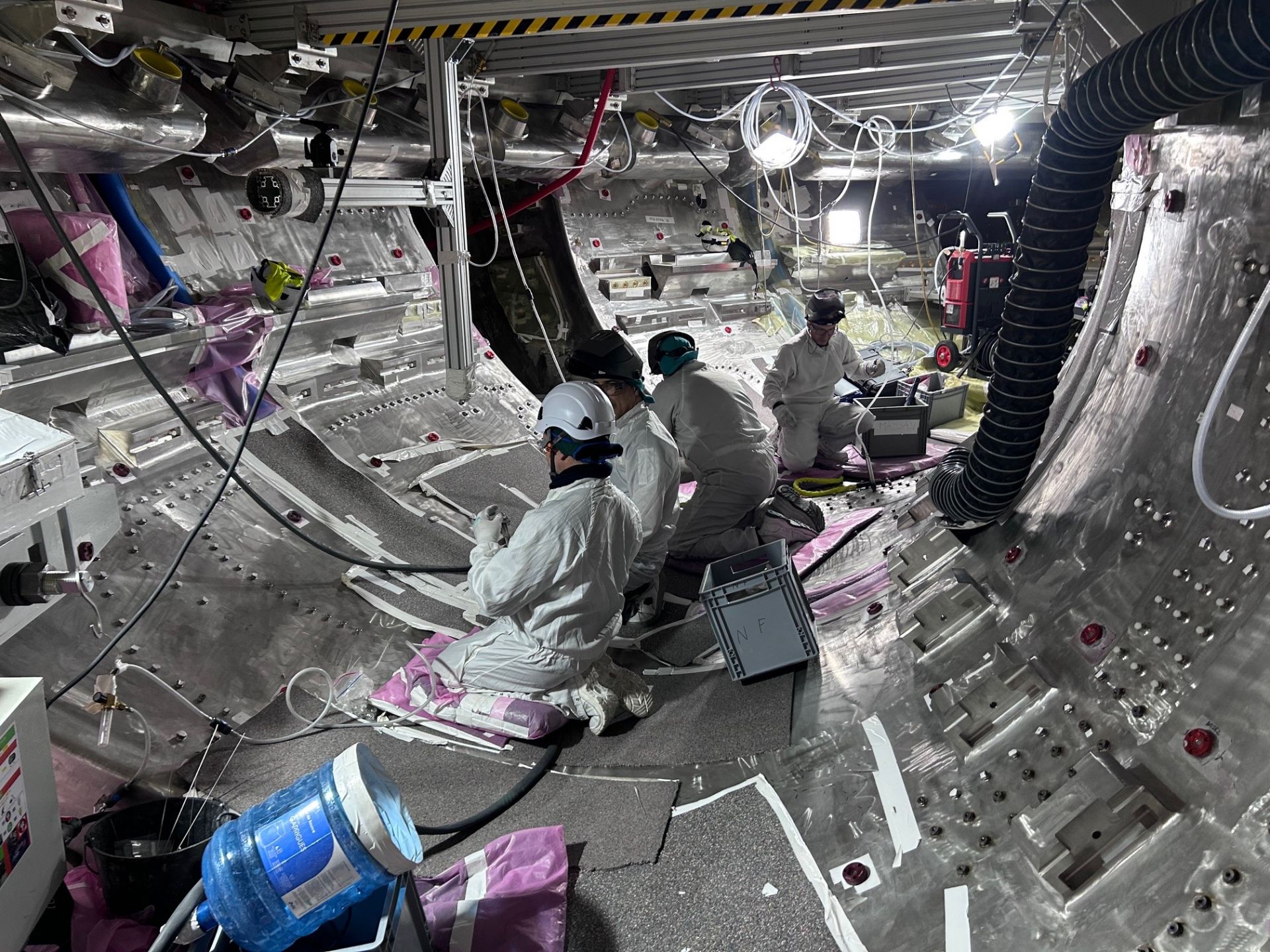
This team is welding “bosses” in the lower region of the ITER vacuum vessel. Bosses are small anchoring devices for diagnostic sensors and cables, and each sector requires thousands of them. (Photo: ITER)
Developing I&C for commercial fusion systems is critical.
“Diagnostics affect almost every part of operation: plasma startup, current ramp-up, plasma shape control, stability, heat-flux management, disruption avoidance, and shutdown. They also affect machine protection because they provide the signals used to detect when something is outside the safe operating limits,” said Rivera. “Instrumentation also has a large impact after the discharge. Data from diagnostics is used to understand performance, improve models, validate simulations, develop better controllers, and plan future discharges.”
While the technology developed for research reactors can’t necessarily be put into a fusion power reactor as-is, these projects continue to serve as testing grounds, laying the foundation for commercial power reactors.
Researchers are actively working to close the gap by exploring target concepts, innovative instruments, digital twins, and more. New technology ranging from superconducting magnetics to high-sample-rate diagnostics continue to open new possibilities.
Schuster’s research group is moving toward “machine-agnostic” development, aiming to make their solutions portable to any future reactor design.
Schlossberg said, “We do have pathways for making diagnostics more radiation tolerant, for relocating or shielding sensitive components, and for developing real-time diagnostics and feedback systems. But some of the hardest needs still have to be demonstrated at relevant scale. . . . This is not waiting on one magic breakthrough, but it does require sustained development, testing, and resources to turn promising approaches into plant-ready technology.”
Simon Morrow is an associate editor for Nuclear News, specializing in research and applications.