Chernobyl at 40 years: Looking back at Nuclear News
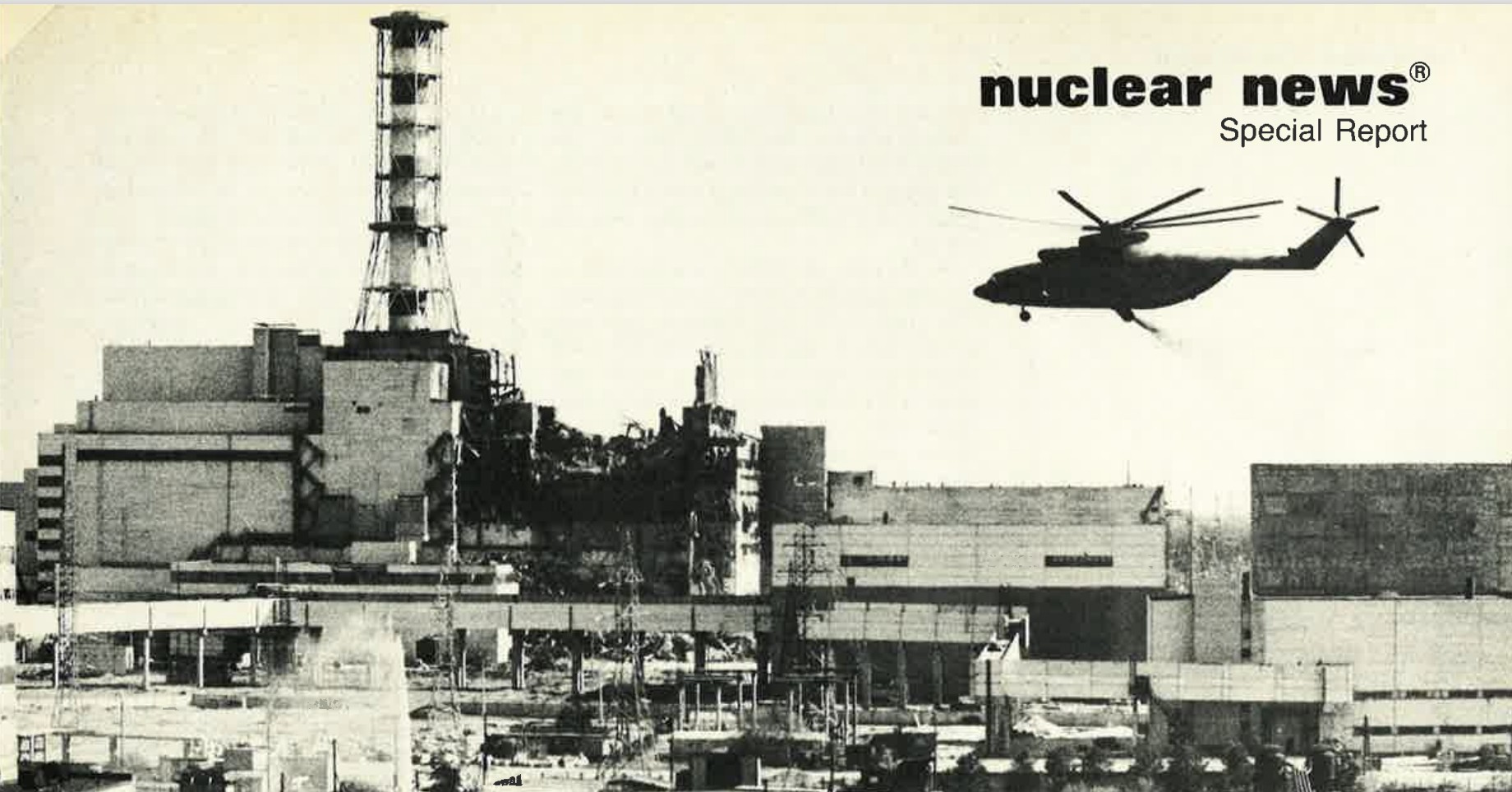
Sunday, April 26, at 1:23 a.m. local time will mark 40 years since the most severe nuclear accident in history: the meltdown of Unit 4 at the Chernobyl nuclear power plant in Ukraine, then part of the Soviet Union.
A clarification: While it is accurate to call the accident at Chernobyl a meltdown, it is important to understand the fundamental difference between it and the accidents at Fukushima Daiichi and Three Mile Island. As you will read below, the accident at Chernobyl was a catastrophic, reactivity-induced meltdown that unfolded in a matter of seconds and minutes. In contrast, the gradual loss-of-coolant-induced meltdowns at both Fukushima and TMI unfolded over the course of hours and were orders of magnitude less destructive by every conceivable metric.
In the ensuing four decades, countless books, documentaries, articles, and conference sessions have examined Chernobyl’s history and impact from various angles. There is a similar abundance of outlooks in the archives of Nuclear News, where hundreds of scientists, advocates, critics, and politicians have shared their thoughts on Chernobyl over the years. Today, we will take a look at some highlights from the pages of NN to see how the story of Chernobyl evolved over the decades.
Chernobyl photos throughout the Nuclear News archive
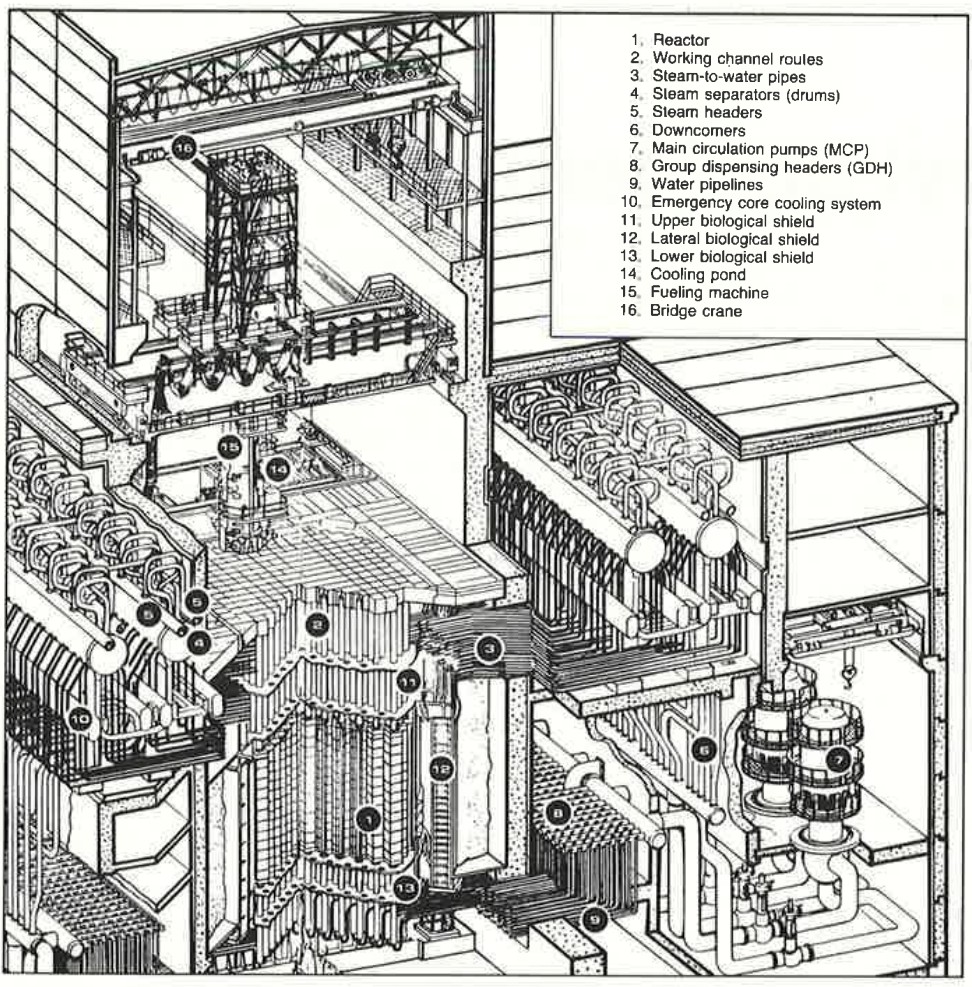
A sectional view of the RBMK-1000 reactor. (Source: NN, June 1986, p. 87; originally via IAEA Bulletin)
Chernobyl photos throughout the Nuclear News archive
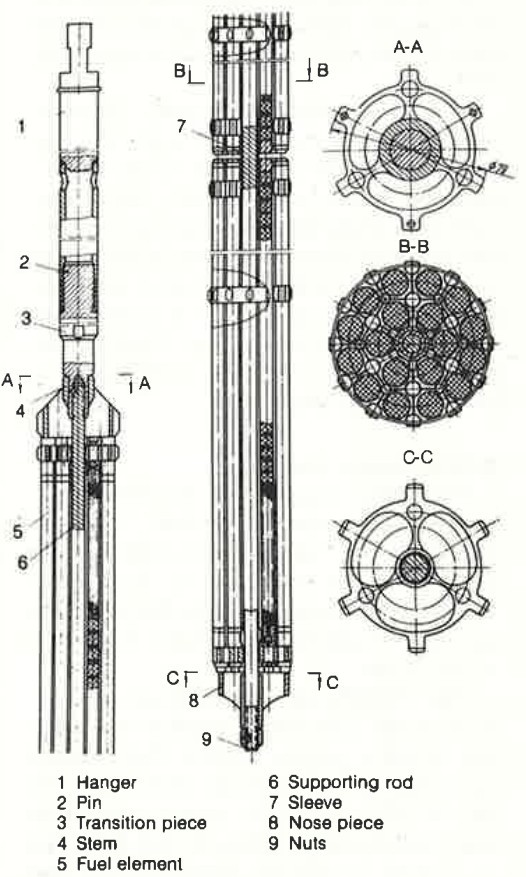
The RBMK fuel assembly design. (Source: NN, June 1986, p. 89; originally via Nuclear Energy)
Chernobyl photos throughout the Nuclear News archive
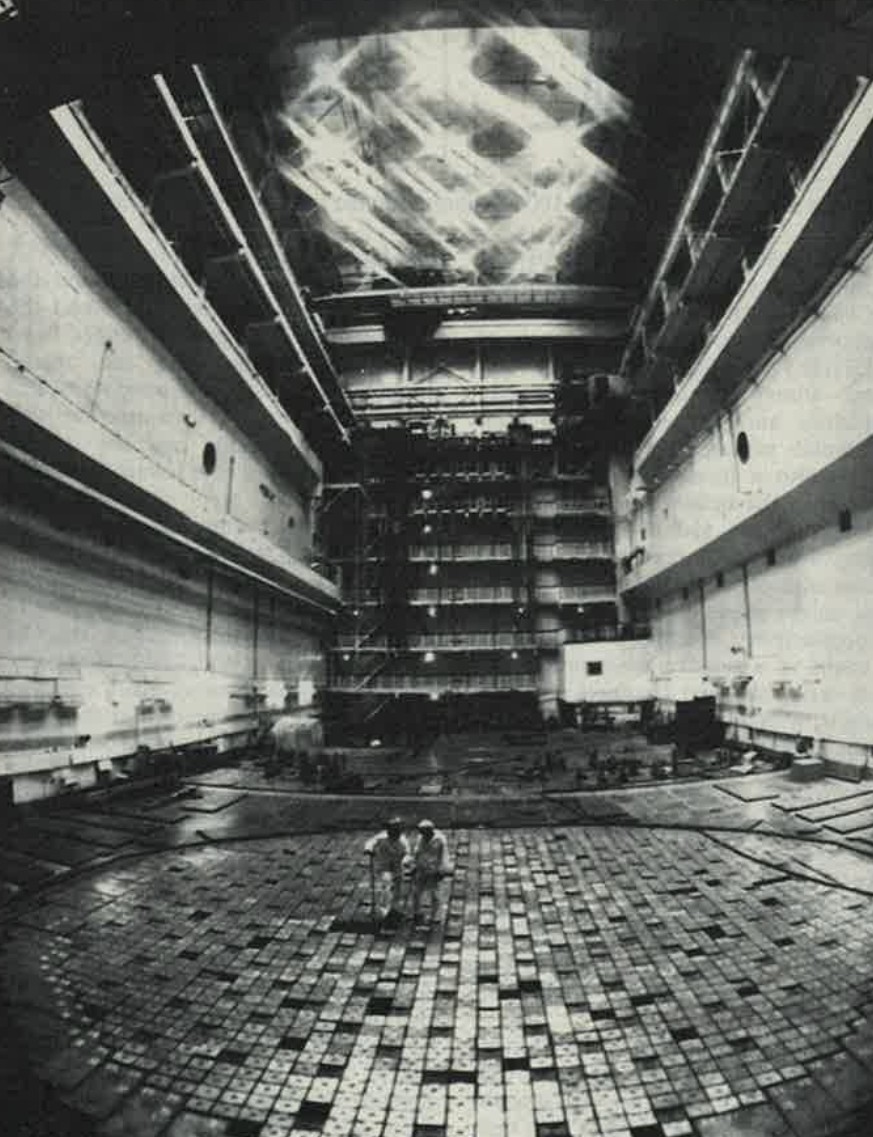
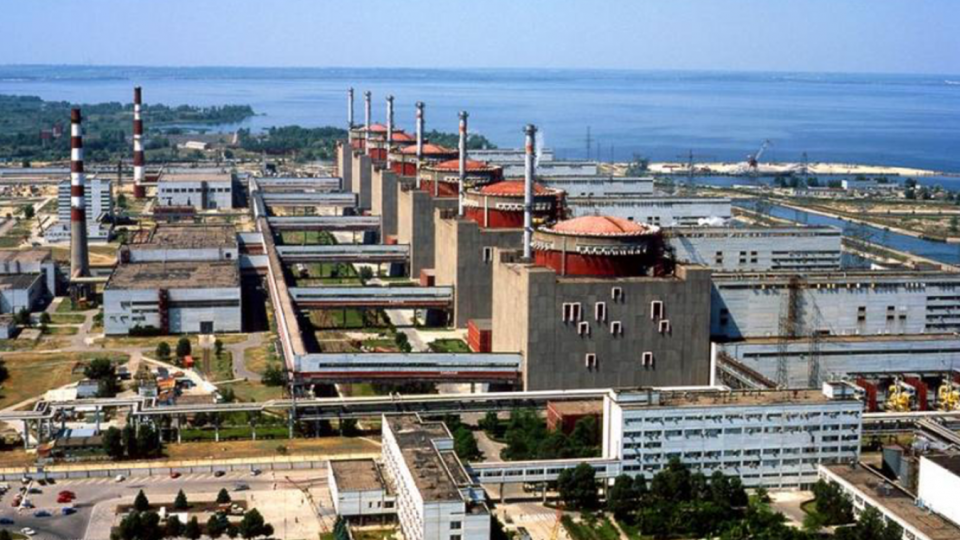
A reactor hall at Chernobyl in 1982. (Source: NN, June 1986, p. 90; originally via AP/Wide World Photos)
Chernobyl photos throughout the Nuclear News archive
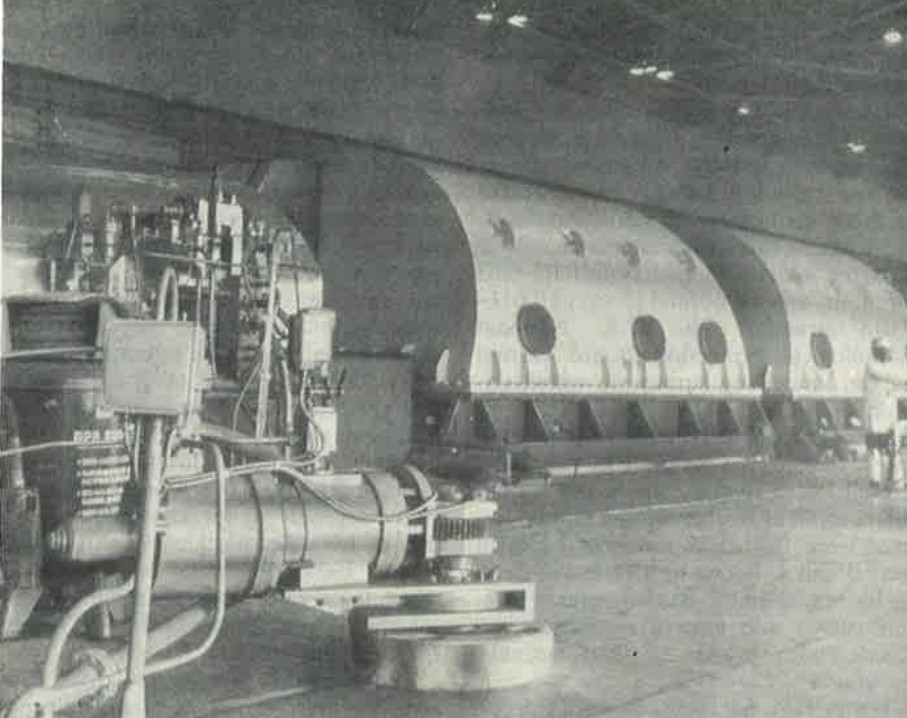
Turbines at Chernobyl, probably in the halls for Units 1 and 2, prior to the accident. (Photo: NN, June 1986, p. 94)
Chernobyl photos throughout the Nuclear News archive
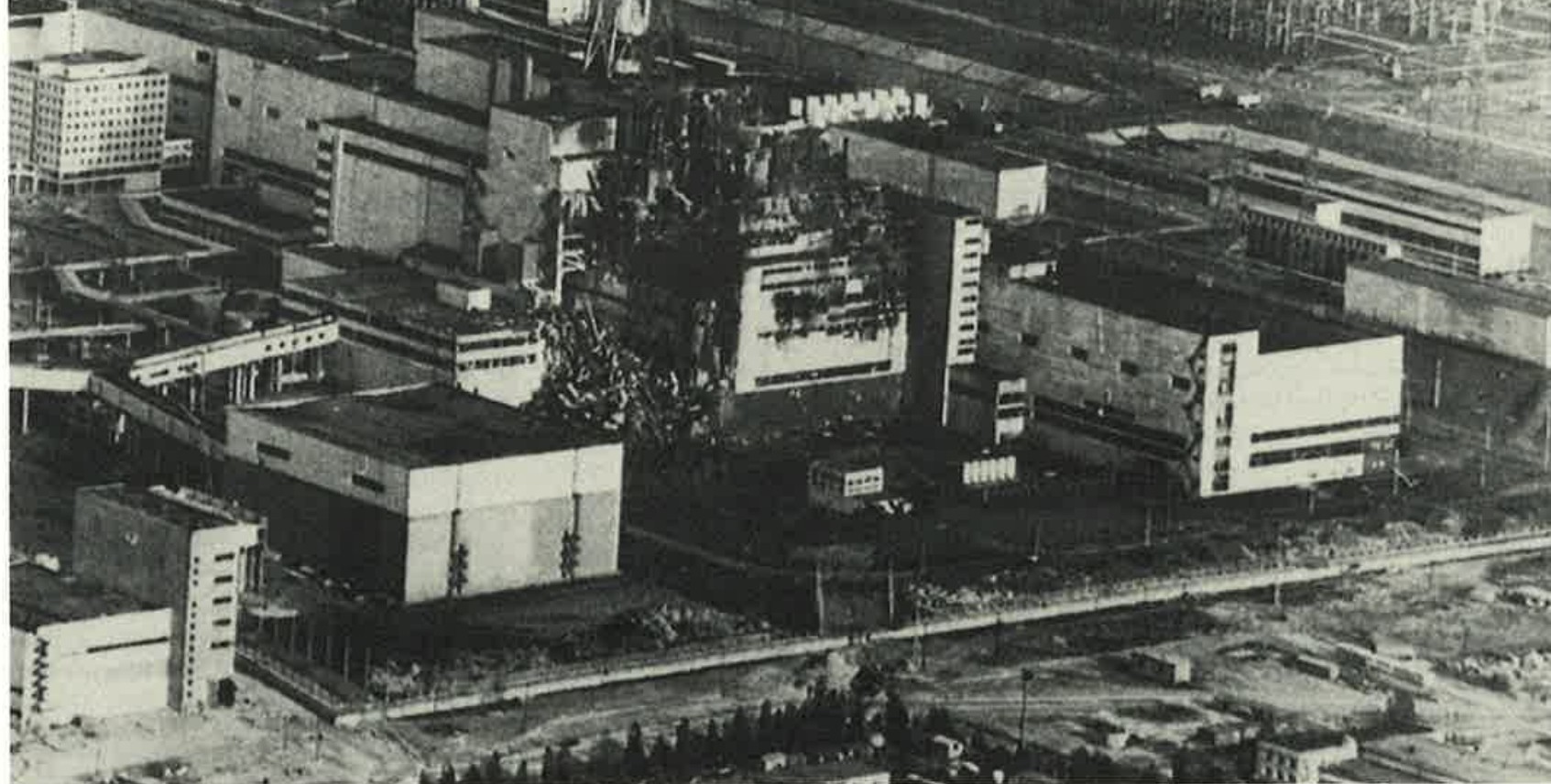
The damaged Chernobyl site on May 9, 1986. (Photo: NN, June 1986, p. 87; originally via AP/Wide World Photos)
Chernobyl photos throughout the Nuclear News archive
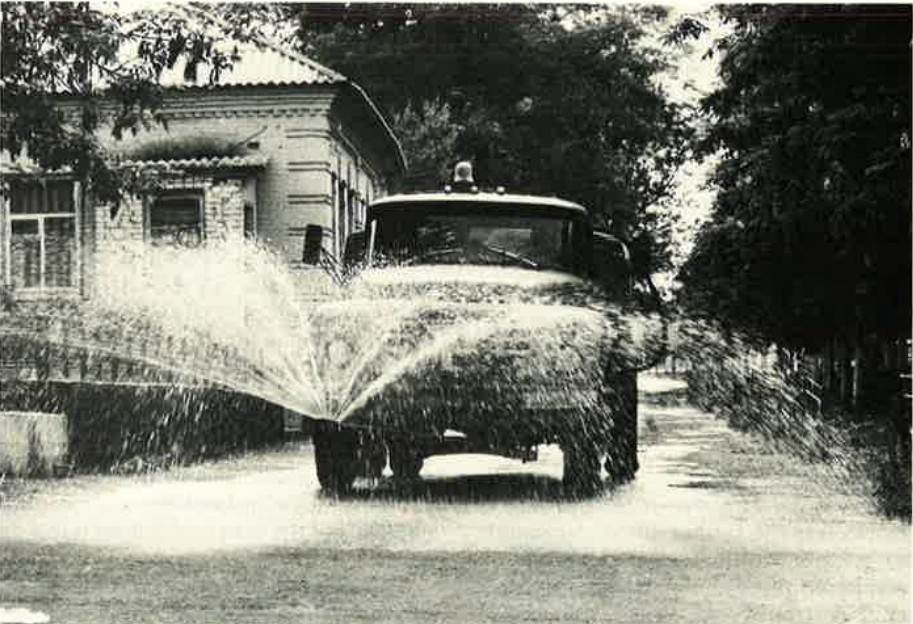
Water being sprayed on the streets of a village near the plant after the accident. (Photo: NN, October 1986, p. 64; originally via Soviet Life)
Chernobyl photos throughout the Nuclear News archive
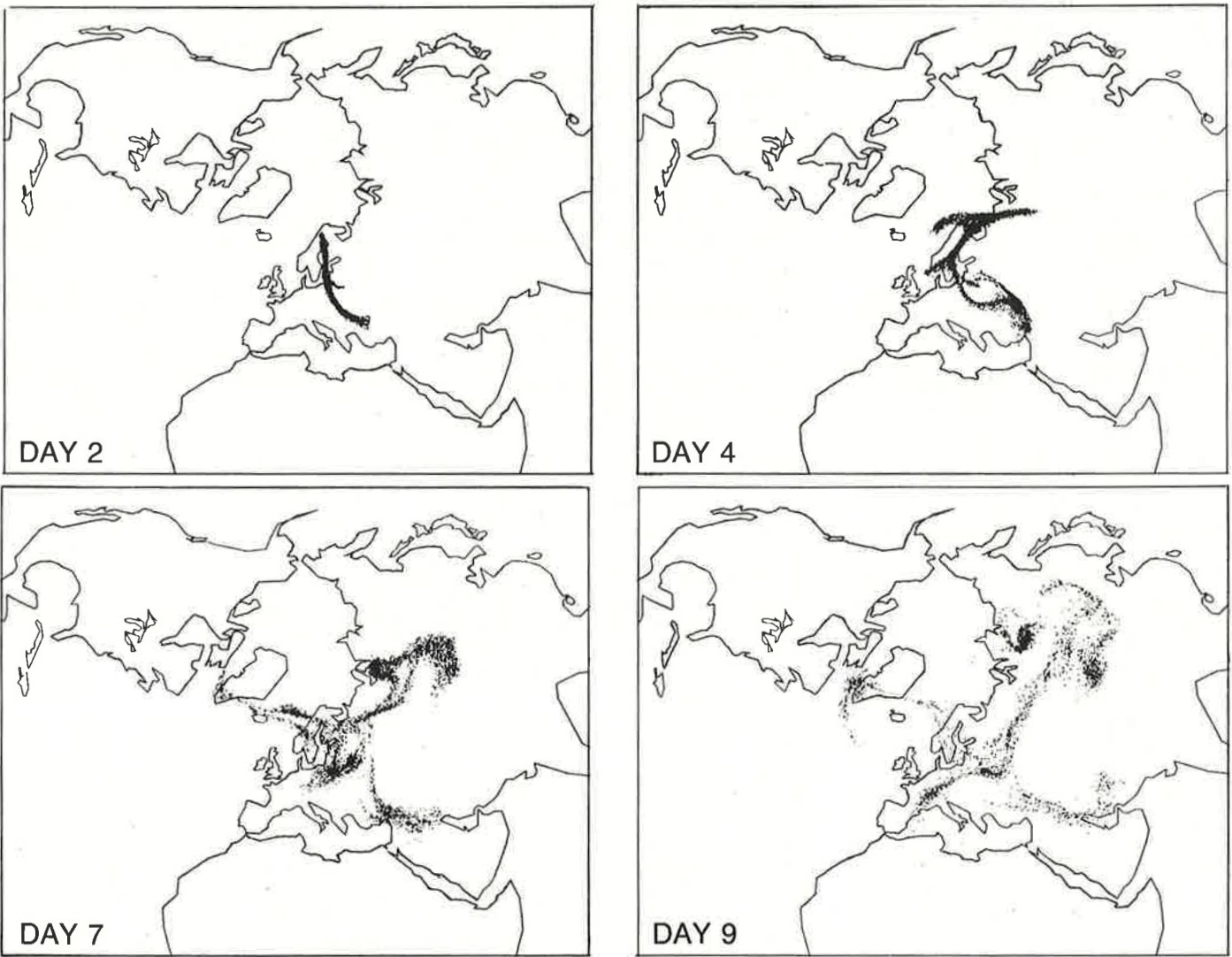
Maps prepared at Lawrence Livermore National Laboratory showing preliminary estimates of the radiation dispersion plume in the lower troposphere across the Northern Hemisphere in the days following the accident. (Source: NN, June 1986, p. 92)
Chernobyl photos throughout the Nuclear News archive
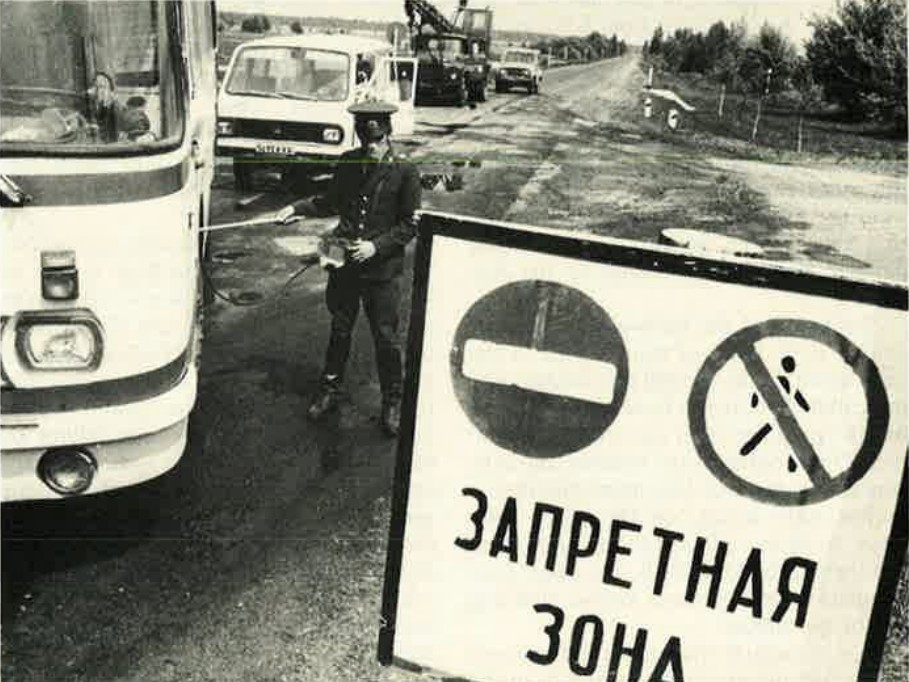
A radiation checkpoint at the edge of the 30-kilometer evacuation zone. (Photo: NN, October 1986, p. 66; originally via Sovfoto)
Chernobyl photos throughout the Nuclear News archive
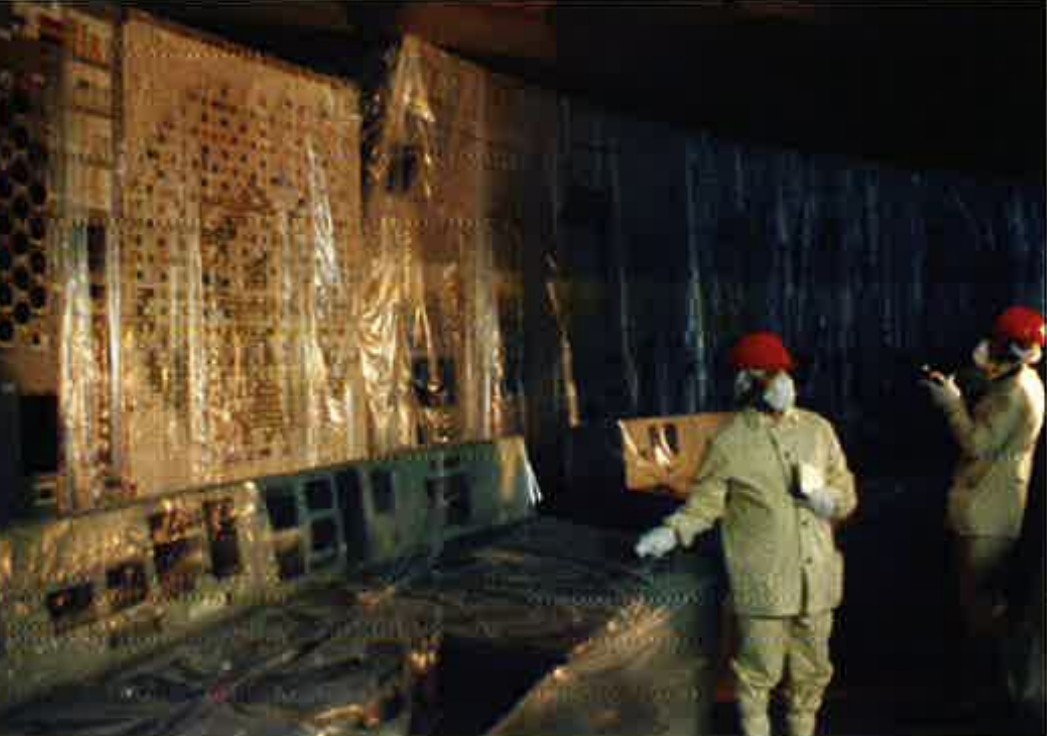
In a late-1995 tour of the Chernobyl site, a visitor in the control room of Chernobyl-4 points to the location of the infamous scram button. (Photo: Simon Rippon/NN, April 1996, p. 32)
Chernobyl photos throughout the Nuclear News archive
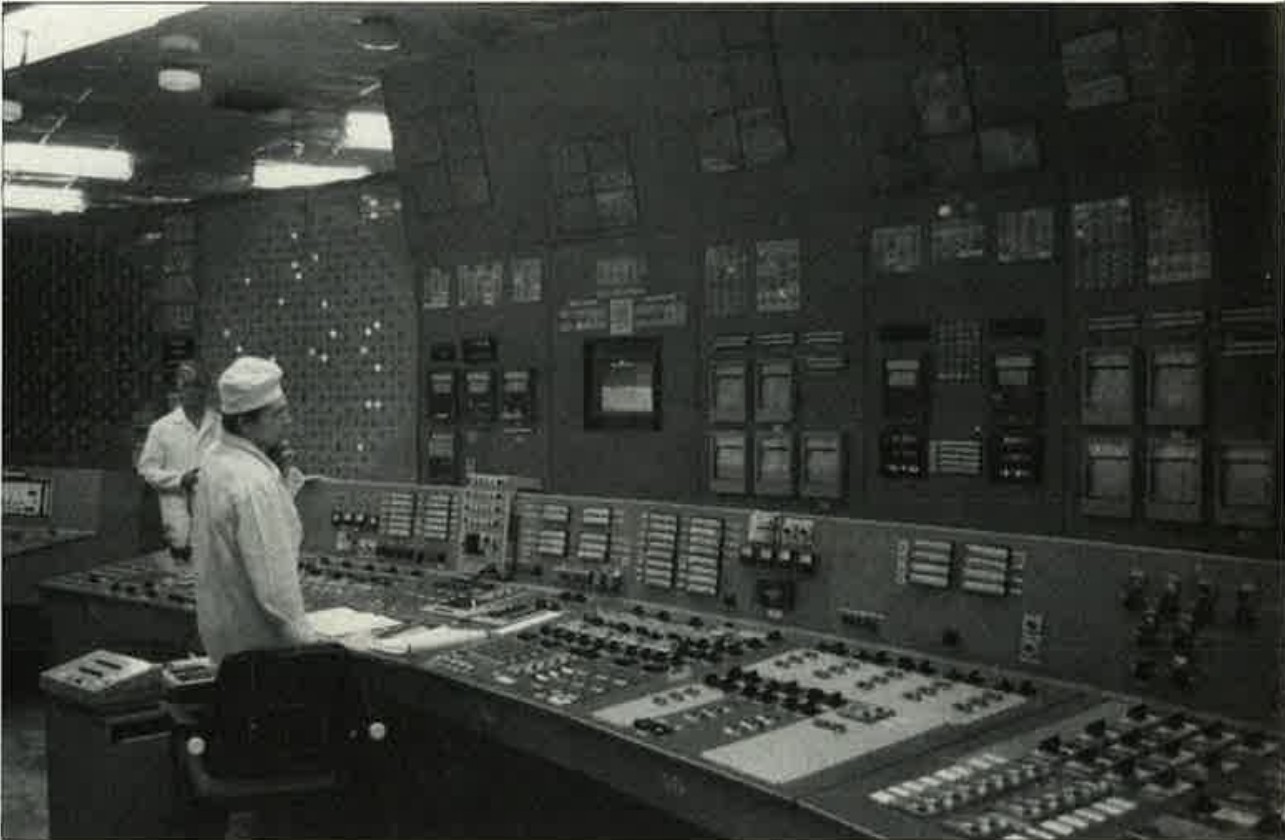
The control room of Chernobyl-3 operating normally in 1995. (Photo: Simon Rippon/NN, April 1996, p. 34)
Chernobyl photos throughout the Nuclear News archive
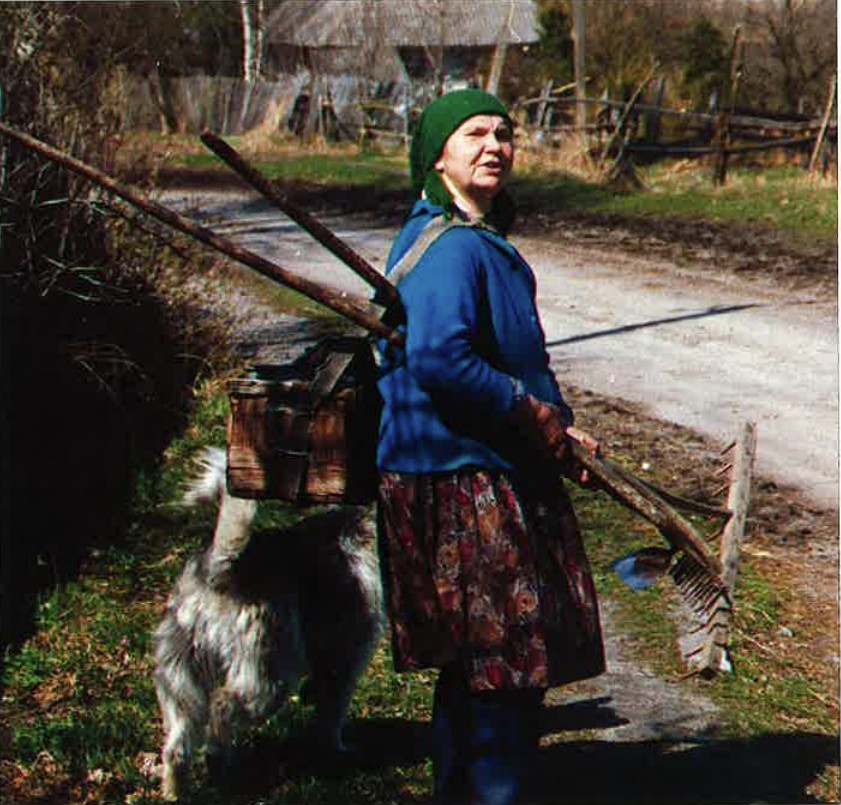
One of Chernobyl’s “self-settlers” and her dog, returning to life in the exclusion zone. (Photo: NN, April 2006, p. 43; originally via Insight)
Before the accident: Chernobyl-4 entered operation in April 1984. It was preceded by three other units that entered operation in 1982, 1979, and 1978. There is only one notable reference to Chernobyl in the Nuclear News archives prior to the 1986 accident. In the November 1982 issue of NN, the reactors at Chernobyl were described as part of a new fleet of 1000-MWe light water–cooled, graphite-moderated reactors. These LGRs were described as having a “somewhat smoother introduction” in the Soviet Union than previous reactor types due to the “modular nature” of their design.
NN on the accident: On April 29, 1986, the back page of Kyiv’s main newspaper included a brief story headlined “Information of the Cabinet of Ministers of the USSR,” which read: “An accident has occurred at the Chernobyl nuclear power station. One of the reactors was damaged. Remedial action is being taken to eliminate the consequences. Victims are being treated. A government commission of inquiry has been set up.”
This undramatic first media accounting of the accident stands in sharp contrast to the expansive and detailed reporting that would soon follow. NN’s first article on the subject, titled simply “The Chernobyl Accident,” came in the June 1986 issue.
There, Chernobyl is described as “the most serious” nuclear accident ever when measured by number of human casualties, the amount of radiation released, the physical damage to the plant, and “the resultant aggravations to already strained relations among nations.”
NN then gives a description of how the accident developed, however, much of that story was unknown to reporters at the time. Nuclear power plants have plans in place in the event of a loss of offsite power. In the case of the RBMK, these plans included onsite diesel generators that would step in to keep critical functions, like reactor cooling, running. However, these generators took about three minutes to start. To cover this potential gap in power, engineers at Chernobyl hypothesized that the inertia from the plant’s turbine could be used to power the reactor’s coolant pumps while the diesel generators started up. They planned a safety test to see whether this idea could work for Friday, April 25, 1986.
Due to a delay, a shift change, and the test taking place just ahead of International Workers’ Day (the Soviet Union’s equivalent to Labor Day), the reactor operators on site who ended up having to run the test were relatively inexperienced. These operators made a series of missteps ahead of the test. They lowered the reactor’s power too quickly, causing a build-up of xenon-135; removed control rods beyond the allowed minimum; increased the coolant pump flow rate above the allowed maximum; and turned off both the automatic turbine trip signal and the control room computer, which was warning them to scram the reactor.
They then began the test by shutting off the reactor’s coolant pumps. About thirty seconds later, the coolant in the reactor flashed to steam, significantly increasing reactivity. As power continued to increase, rising neutron flux levels destroyed the excess Xe-135, further increasing reactivity. The operators then attempted to scram the reactor, which only served to increase reactivity even more. A massive steam explosion then followed, only 54 seconds after the operators began the test.
Seconds later, a second explosion of a debated cause rocked the reactor. Both explosions caused immediate, extensive damage to the reactor and set the surrounding building ablaze. Coolant leaks followed shortly thereafter, after which came the most serious development: a fire in the hot graphite moderator. The heat of this fire (which was estimated to have been as high as 5,000°C) was likely one of the main factors in pushing a plume of radioactivity high into the atmosphere and distributing it widely across northern Europe.
About 36 hours after the first explosions, people within a 10-kilometer radius of Chernobyl began evacuating. A wider evacuation, encompassing a 30-kilometer radius, began five days later. Measurements showed that the maximum radiation levels within the expanded zone were as high as 10–15 millirems per hour. Local officials reported that, in all, more than 90,000 people were involved in this evacuation.
By June, at NN’s first reporting, nuclear projects were already being reconsidered, canceled, or paused in Yugoslavia, the Netherlands, Austria, Sweden, Denmark, and beyond.
One decade later: In late 1995, Simon Rippon, then international editor of NN, visited Chernobyl to see for himself how the power plant was faring a decade after the destruction of Unit 4. By then, the Soviet Union had dissolved, the larger evacuation area had roughly taken shape into a permanent exclusion zone, and Chernobyl’s enduring legacy had significantly increased nuclear opposition in much of Europe.
Rippon reflected on how Chernobyl had already been established as probably the most written-about natural or man-made disaster ever, and how fear over radiation was now commonplace. Governments around the world “were not immune from the influence of these psychological fears,” and made varied reforms to nuclear regulations that were “largely determined by socioeconomic, political, and psychological factors rather than by radiological factors.”
At Chernobyl itself, “mountainous piles of scrap metal and equipment” were still present at the site, where two reactors still operated and a protective sarcophagus had been erected around Unit 4. (Unit 2 had been shut down in 1991 following an unrelated turbine fire.)
Despite Chernobyl’s grim legacy, the mood at the plant was positive overall. Rippon talked with Artur Korneyev, the site’s deputy manager, who had received a 120-rem dose during his three weeks supervising hectic cleanup operations on the roof of Unit 4’s turbine hall but was nonetheless “happy to return” to his post.
Korneyev compared the first days after the explosion—shoveling fragments of hot fuel and graphite onto the still-smoldering heap of the destroyed reactor—to how things looked today. A newly painted sarcophagus, extensive roof repairs, and even groundwork being done to lay new grass were all, for Korneyev, indications that the plant was on the right track. He, and most everyone Rippon talked to, was in favor of the plant staying open (and Unit 2 being restarted) until 2010–2015 to raise funds (through electricity sales, which accounted for $200 million a year) for the extensive decommissioning and cleanup work the site would require.
20 years on: Despite the hopes of the Chernobyl staff, Unit 2 was never restarted, and Units 1 and 3 were both shut down by the end of 2000. By 2006, when NN did its next deep dive on Chernobyl, attention had turned to decommissioning, decontamination, and what the future of the exclusion zone would look like. Construction of the New Safe Confinement (NSC)—a structure built to protect the old, decaying sarcophagus and allow the complete dismantlement of the wreckage beneath—was underway.
Discord had arisen between Ukraine and the international community at the country’s refusal to shut down Chernobyl’s remaining units. When it relented and agreed to transition fully to the hard work of cleanup, aid flowed in from around the world to help Ukraine tackle the task.
As this complicated work progressed on many fronts, eyes turned to the exclusion zone. There, a striking and now well-known story began to emerge. “A renewed but wild landscape, teeming with vegetation” and animal life was thriving in the 30 kilometers around the plant. What’s more, some people, dubbed “self-settlers,” had moved back into their old homes in the exclusion zone and began carrying on with their everyday lives.
Looking back today: In 2016, 30 years after the disaster, the NSC was finally put in place. For Chernobyl, the last 20 years have been a slow story of arduous cleanup work—work that has been significantly challenged in recent years by the ongoing Russia-Ukraine war, most notably by a drone strike in 2025 that ripped a hole through the NSC.
Beyond Ukraine, many speculate on the overall impact that Chernobyl ultimately had on the peaceful development of nuclear power. Specific actions, both positive and negative, can be traced directly back to the disaster. The World Association of Nuclear Operators, or WANO, was formed in direct response to Chernobyl, and has done a massive amount of work to increase nuclear safety internationally. On the other hand, Germany’s abandonment of its nuclear sector—which once provided more than half of the country’s power—led to untold economic and environmental costs.
Chernobyl’s legacy is cemented as one of the public’s key touchstones with nuclear power. It remains a common talking point of nuclear opponents, and experts today continue to explain how the failures that led to the accident are now relics of an industry that bears little resemblance to the nuclear world of the 21st century.
Still, 40 years later, there are some indications that Chernobyl’s impact is fading—nuclear momentum is high around the world, and public support, particularly among younger generations, is trending upward. As new plans for the next generation of reactors develop, Chernobyl is sure to stand as an reminder of why the nuclear industry works so hard to uphold its rigorous safety culture.
Editor's note: This article was updated to clarify the sequence of events that led to the accident at Chernobyl and emphasize the difference between it and other nuclear accidents. NN thanks ANS member Chris Perfetti for providing his expertise on the subject.