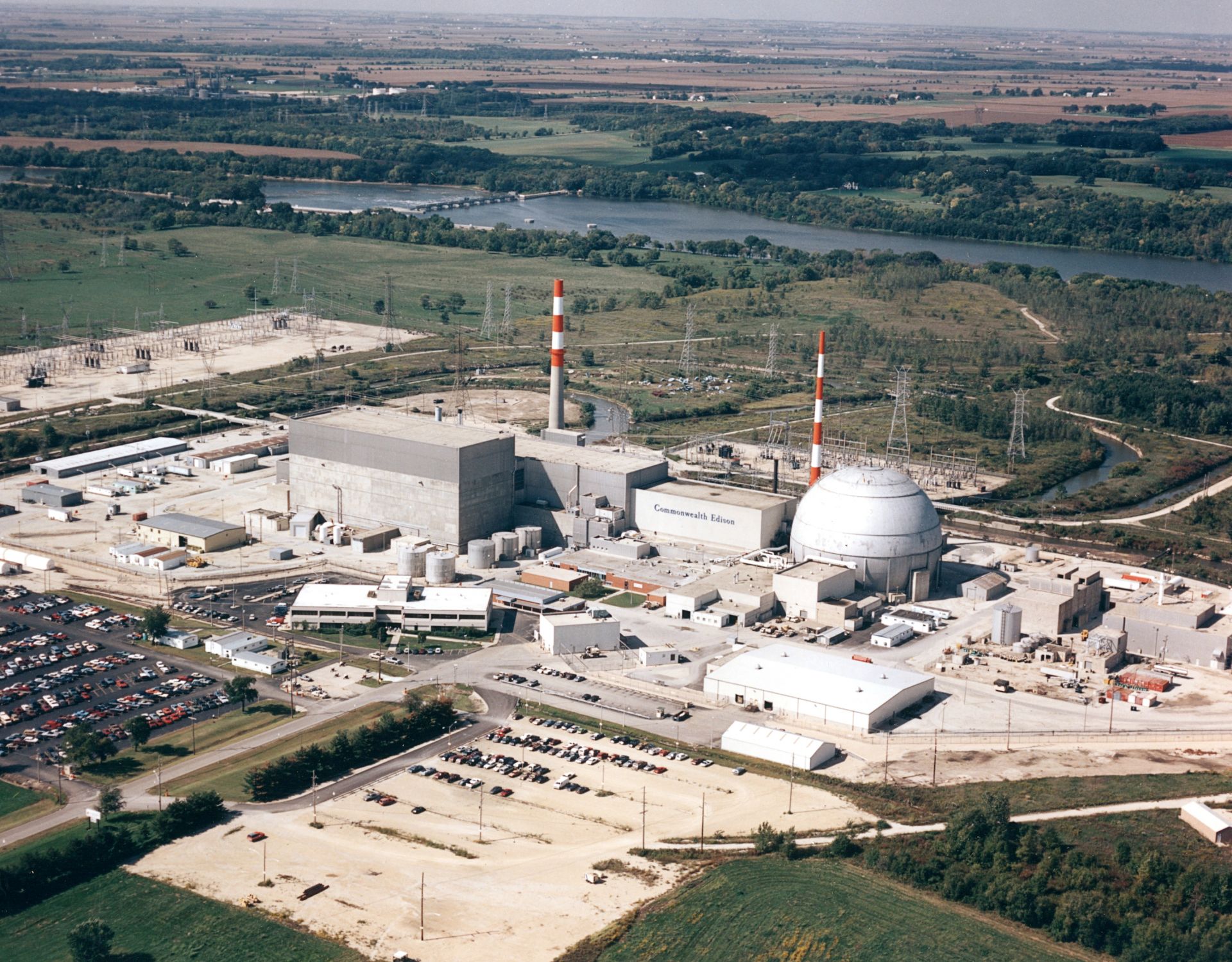
Dresden nuclear power plant, which could see capacity additions per the county’s expression of interest. (Photo: Constellation)
Illinois has received nine responses to a notice of intent (NOI) expressing interest in hosting a new nuclear facility, according to submissions filed with the Illinois Commerce Commission (ICC).
In February, Gov. J.B. Pritzker issued an executive order directing the commission to release two NOIs, one aimed at nuclear power plant developers and another for potential host communities. The second NOI requested information from Illinois communities interested in having a nuclear facility and gave them a deadline of May 25 to respond. Pritzker’s executive order arrived about a month after he lifted the state’s moratorium on new nuclear reactors being built in the state.
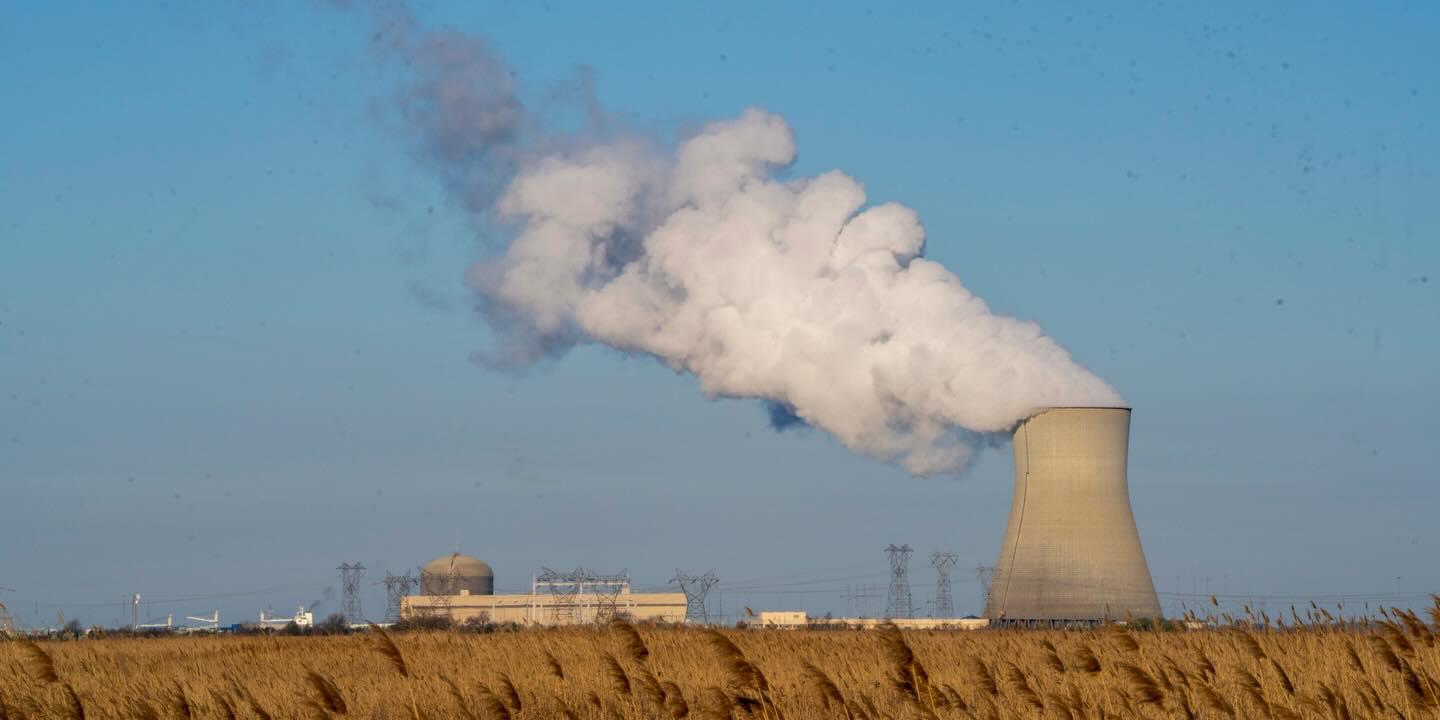
Cooling towers at the Hope Creek/Salem site. (Photo: Gov. Mikie Sherrill’s Office)
New Jersey’s two nuclear power plants, Hope Creek and Salem, may be joined by other nuclear facilities after lawmakers lifted the state’s de facto moratorium on new nuclear construction.
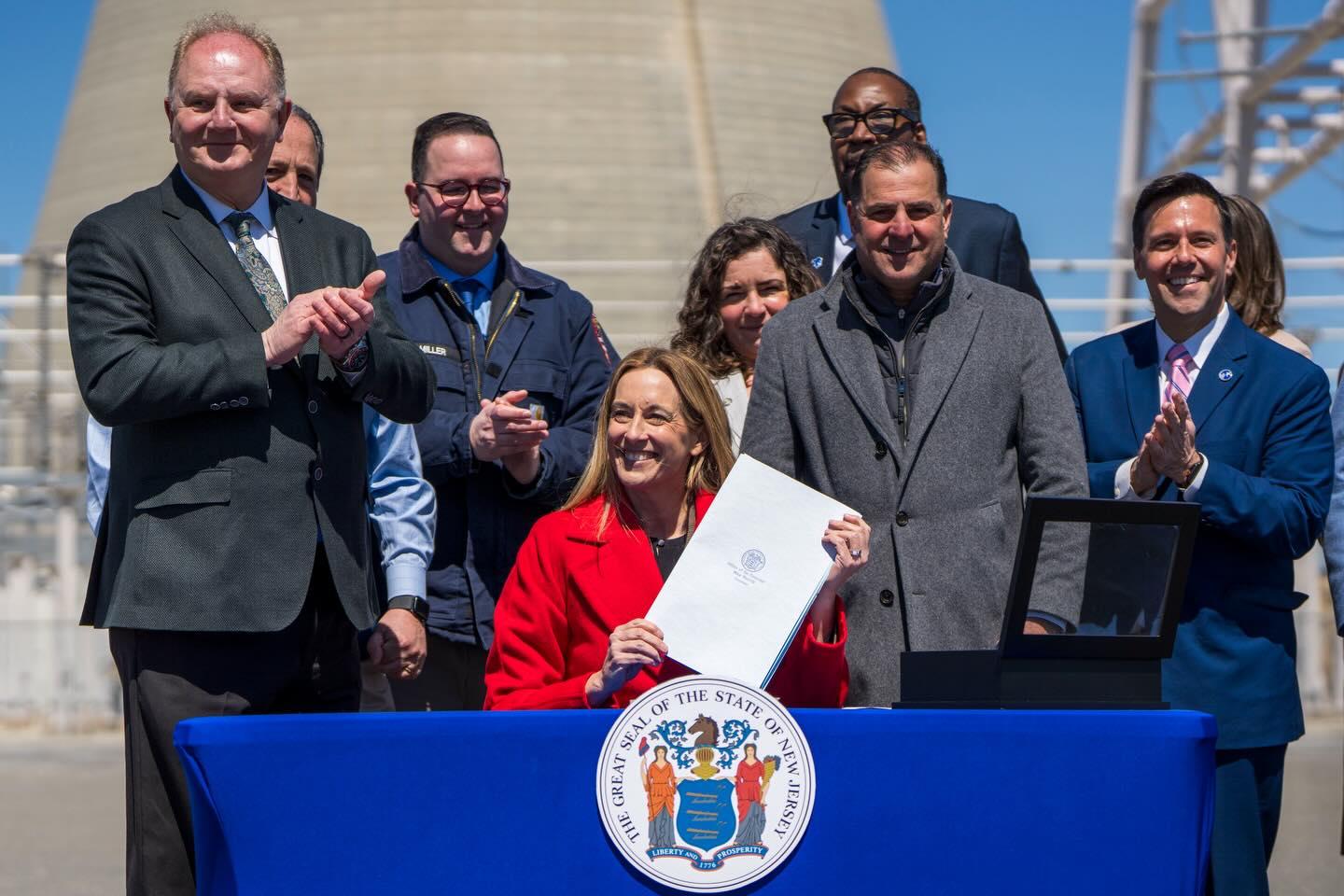
Gov. Mikie Sherrill said state officials are eyeing sites for potential nuclear facilities. Executives at PSEG Nuclear—the operators of Hope Creek and Salem—welcome the news of the growing momentum for nuclear power in the state but cautioned it will take more than lifting a moratorium to make this feasible.
A fighter jet at Eielson Air Force Base. (Photo: Eielson Air Force Base)
Discussions and actions on nuclear energy have penetrated several state capitol buildings, congressional hearings, and industry gatherings across the United States this month, including in Alaska, Connecticut, Louisiana, Massachusetts, Minnesota, and New York.
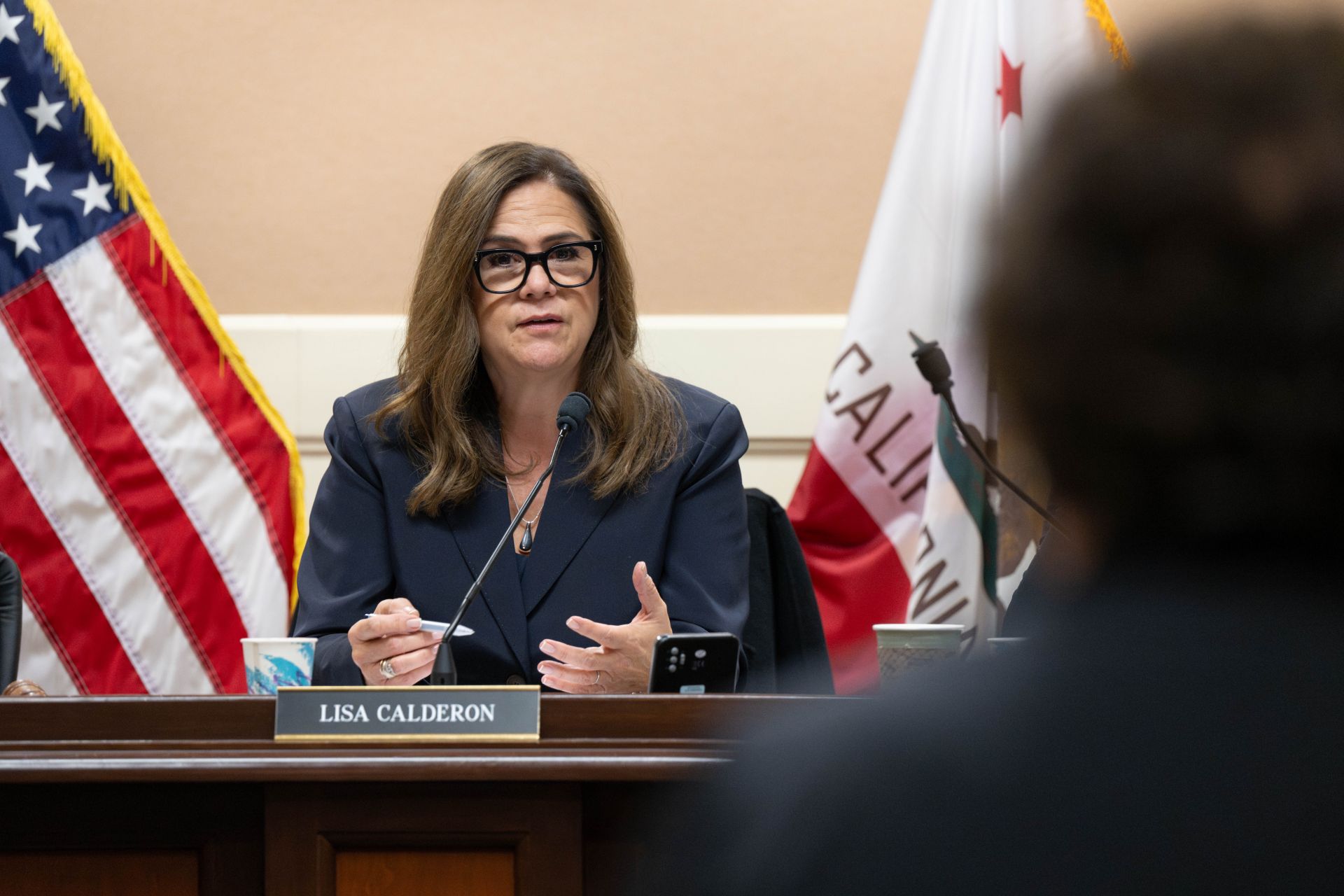
Caption: California Assembly Member Lisa Calderon. (Photo: Office of Lisa Calderon)
Proposed legislation in California could exempt certain reactor designs from the state’s long-standing moratorium on new nuclear generation, effectively ending the moratorium.
California Assembly Member Lisa Calderon (D., 56th Dist.) filed A.B. 2647 with the California State Assembly last week.
If the bill progresses and becomes state law, it could pave the way to increasing the number of nuclear reactors in the state in the future. Currently, Diablo Canyon nuclear power plant houses the only operational commercial nuclear reactors in California.
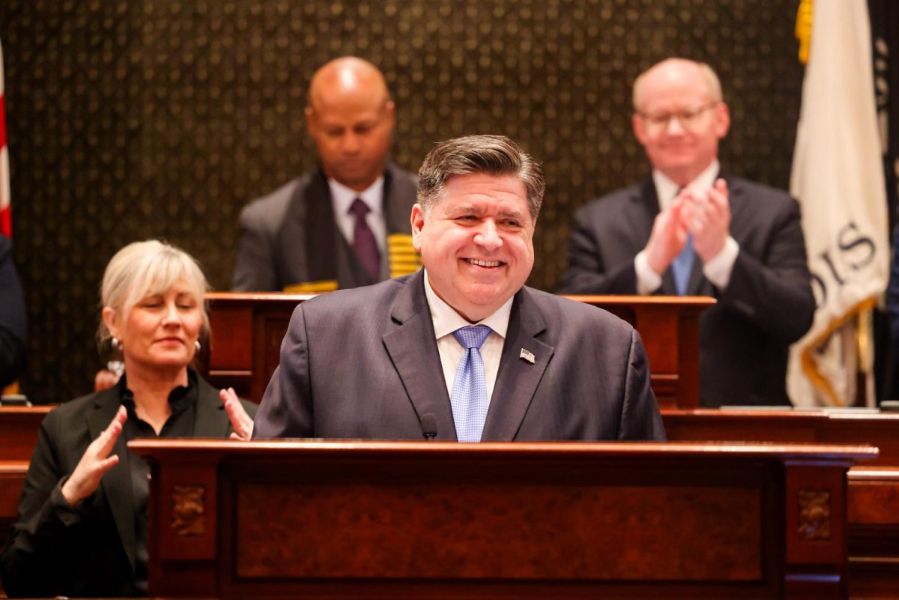
Gov. J. B. Pritzker delivers his 2026 State of the State address in Springfield on February 18. (Photo: @GovPritzker/X)
Illinois Gov. J. B. Pritzker issued a new executive order (EO) on February 18 directing both the Illinois Power Agency and the Illinois Commerce Commission to issue a notice of intent (NOI) to potential developers of new nuclear power plants.
The signing of that EO took place on the same day Pritzker delivered his 2026 State of the State address, in which he set a goal of building at least 2 gigawatts of new nuclear capacity in the state.
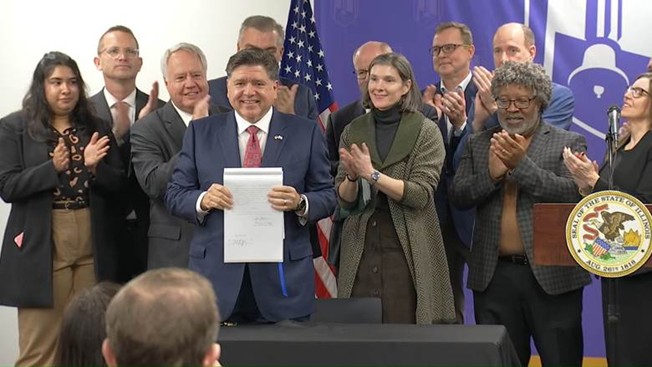
Illinois Gov. J. B. Pritzker displays the Clean and Reliable Grid Affordability Act during the signing ceremony in Joliet on January 8. (Image: Office of the Governor of Illinois)
New power reactors of any size can be now be sited in the state of Illinois, thanks to legislation signed by Gov. J. B. Pritzker on January 8. The Clean and Reliable Grid Affordability Act (CRGA)—which Pritzker says is designed to lower energy costs for consumers, drive the development of new energy resources in the state, and strengthen the grid—lifts the moratorium on new, large nuclear reactors that Illinois enacted in the late 1980s.
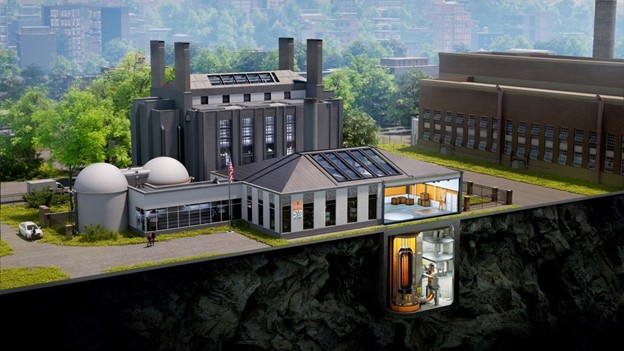
Conceptual art of USNC’s MMR, as proposed for construction on the UIUC campus. (Graphic: USNC)
It’s been almost 35 years since Illinois last added a nuclear power reactor to the grid (Braidwood-2, a pressurized water reactor operated by Constellation, reached commercial operation in October 1988). And it’s been 63 years since a research reactor reached initial criticality at the University of Illinois–Urbana-Champaign (UIUC). The university’s TRIGA Mark II started up in August 1960 and was shut down in 1998. For about 25 years, UIUC—the flagship public university in a state that generates more power from nuclear energy than any other—has lacked an operating research reactor.
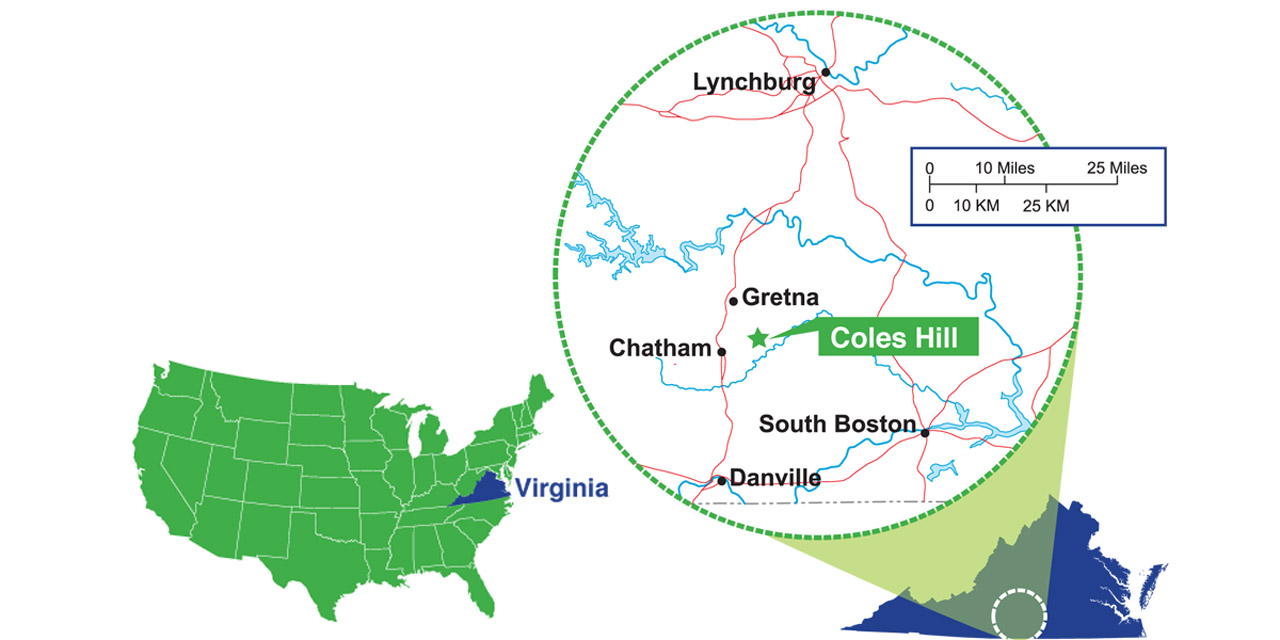
Coles Hill property location. (Image: Consolidated Uranium)
Consolidated Uranium plans to acquire Virginia Energy Resources, which owns Virginia Uranium and the Coles Hill Uranium Project, an undeveloped uranium deposit that sits under about 3,000 acres of land in south central Virginia. The state’s General Assembly has maintained a moratorium on uranium mining since 1982 that was upheld in the courts as recently as 2020, but Consolidated Uranium sees reason for “confidence that the moratorium on developing uranium projects in the state may ultimately be overcome,” and appears content to settle in for a wait.