Germany settles with utilities over nuclear phaseout
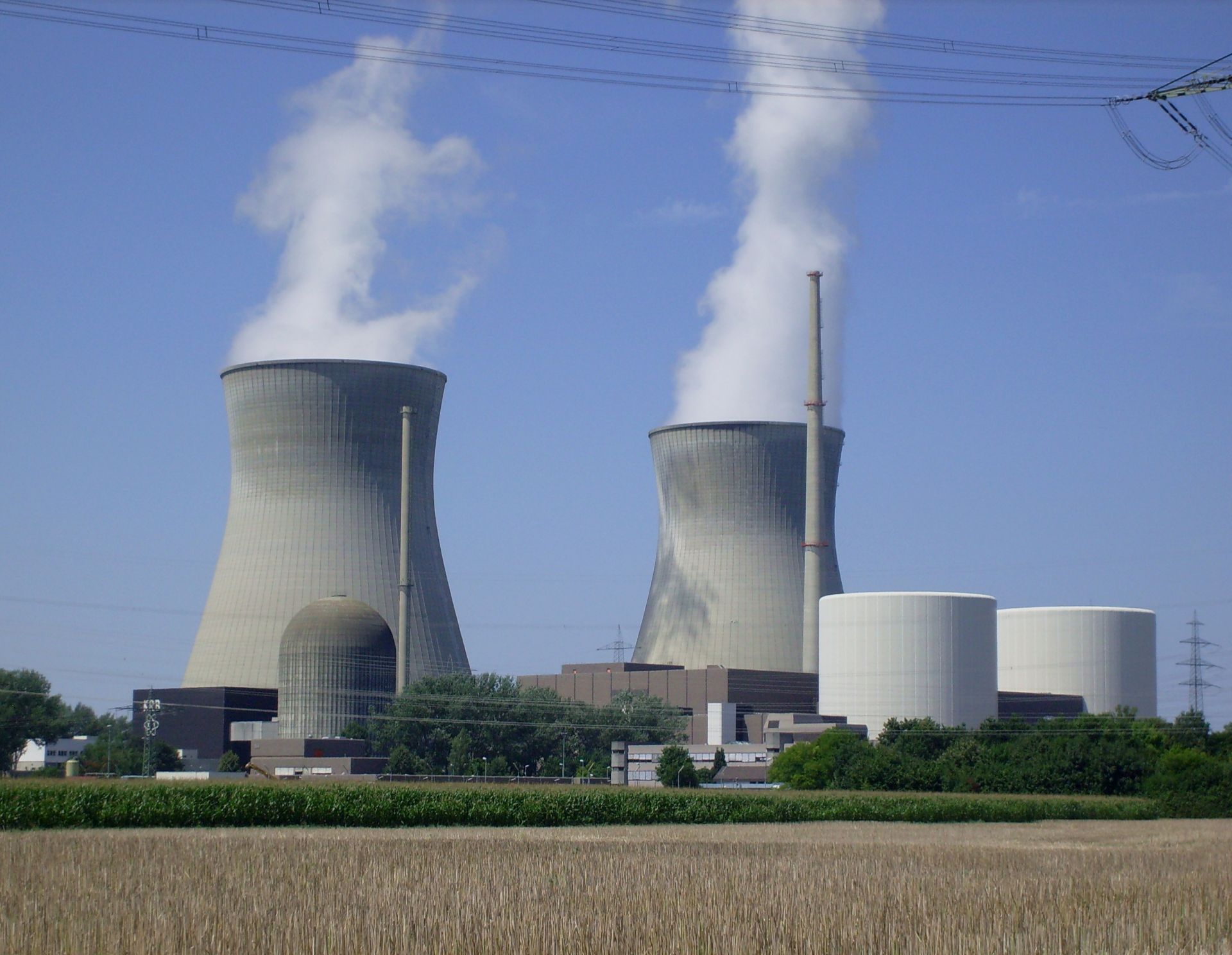
RWE’s Gundremmingen nuclear plant, located in Bavaria, is slated to close at the end of the year. Photo: Wikipedia/Felix König
After years of litigation, Germany has reached an agreement with four utility companies on compensation for losses incurred as a result of the government’s stunning decision in 2011 to abandon nuclear power. In March of that year, only days after the Fukushima Daiichi disaster, German Chancellor Angela Merkel announced a 180-degree reversal in the country’s energy policy, which had been one of support for nuclear power. Eight units were shut down immediately, and by May 2011 the government had announced a plan to close all nuclear power plants by 2022.
The companies will receive a total of €2.4 billion (about $2.85 billion), with €1.4 billion going to Sweden-based Vattenfall and the remaining €1 billion split between German utilities RWE (€880 million), EnBW (€80 million), and E.ON (€42.5 million). In return, the companies have agreed to terminate all phaseout-related legal disputes with the government.
 Nuclear power is an important component in the fight against climate change, but independent regulation is needed to gain the public’s---and governments'---trust, according to a March 6 article in The Economist, “