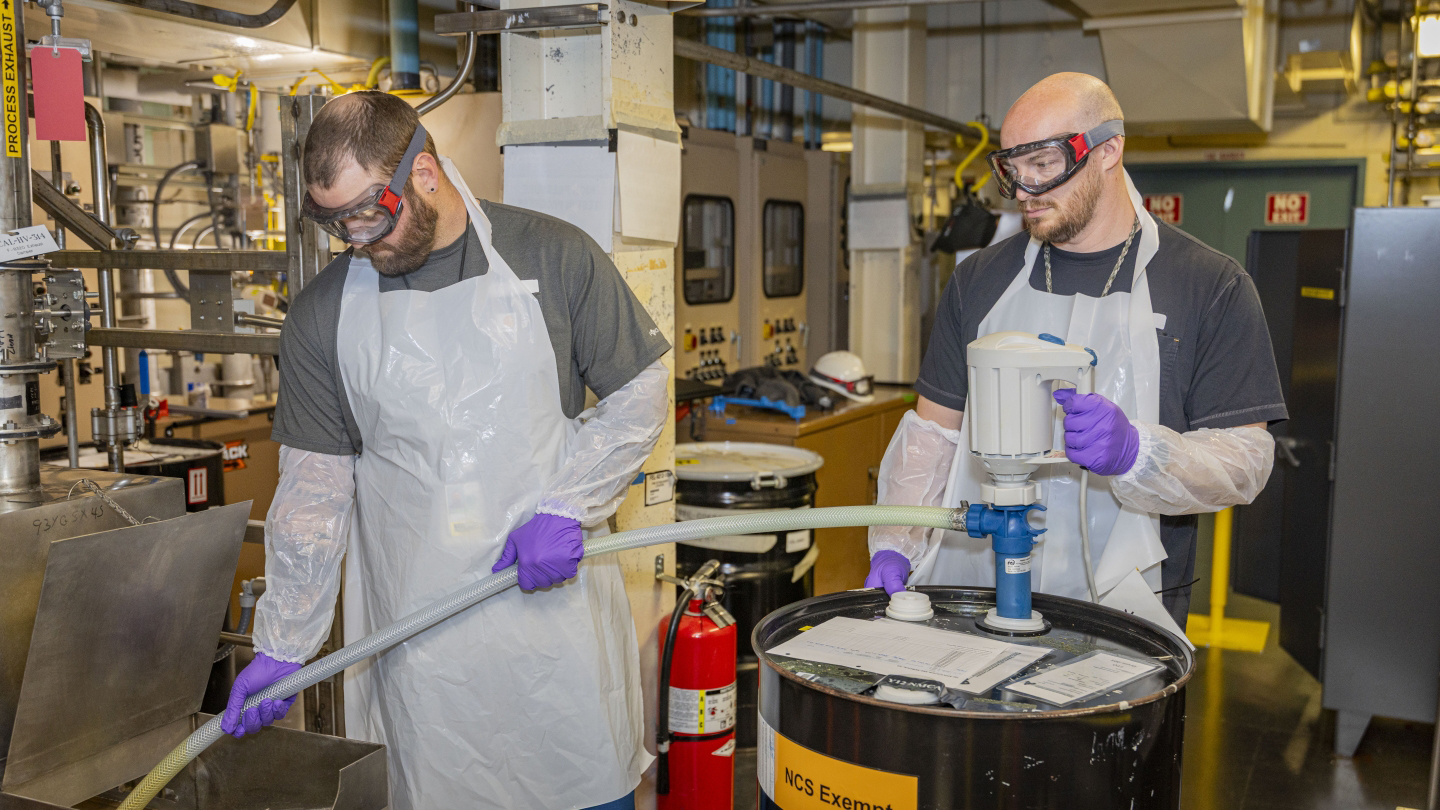
Y-12 employees demonstrate operational procedures for the Calciner Project. (Photo: Y-12 National Security Complex)
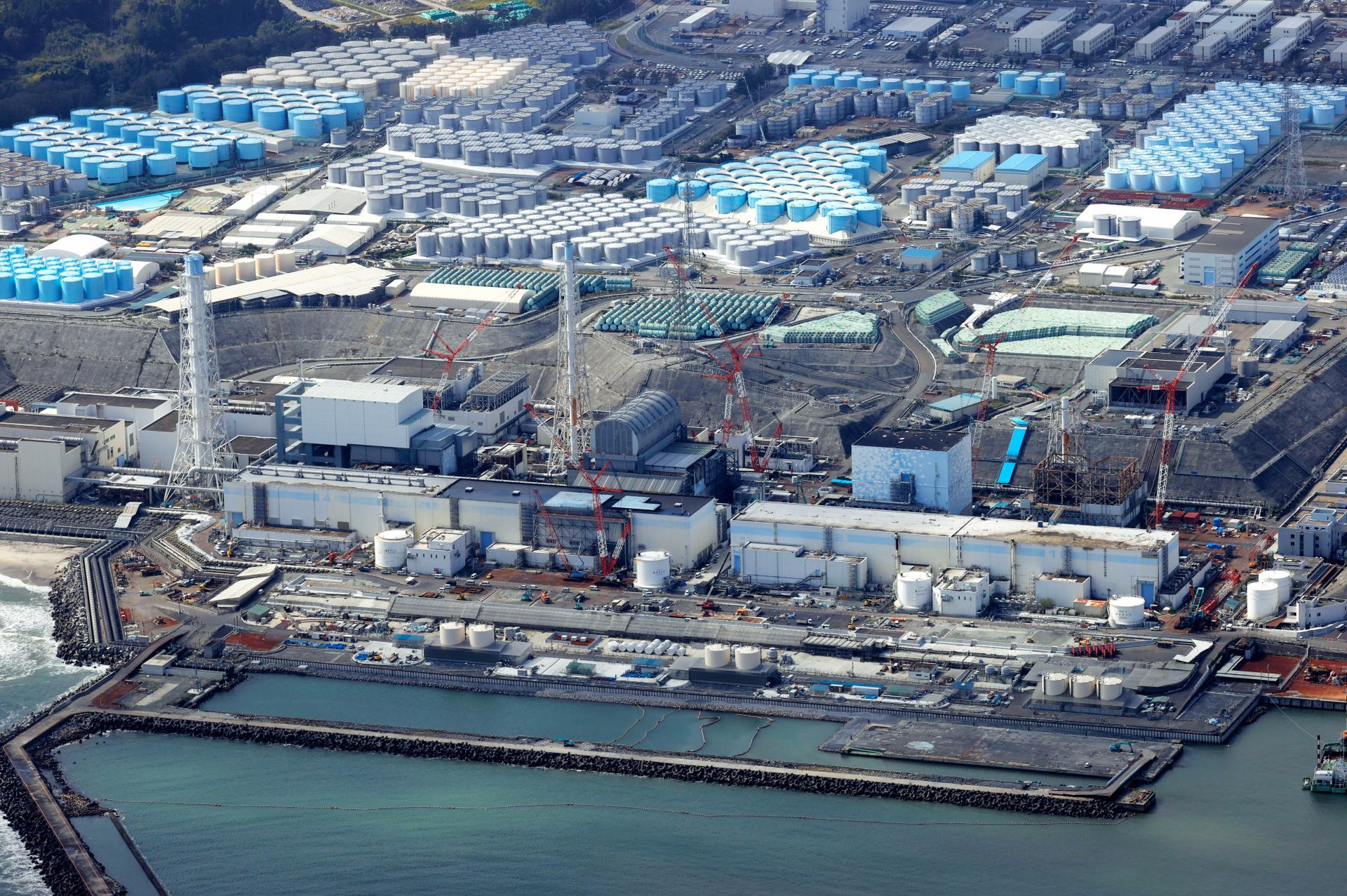
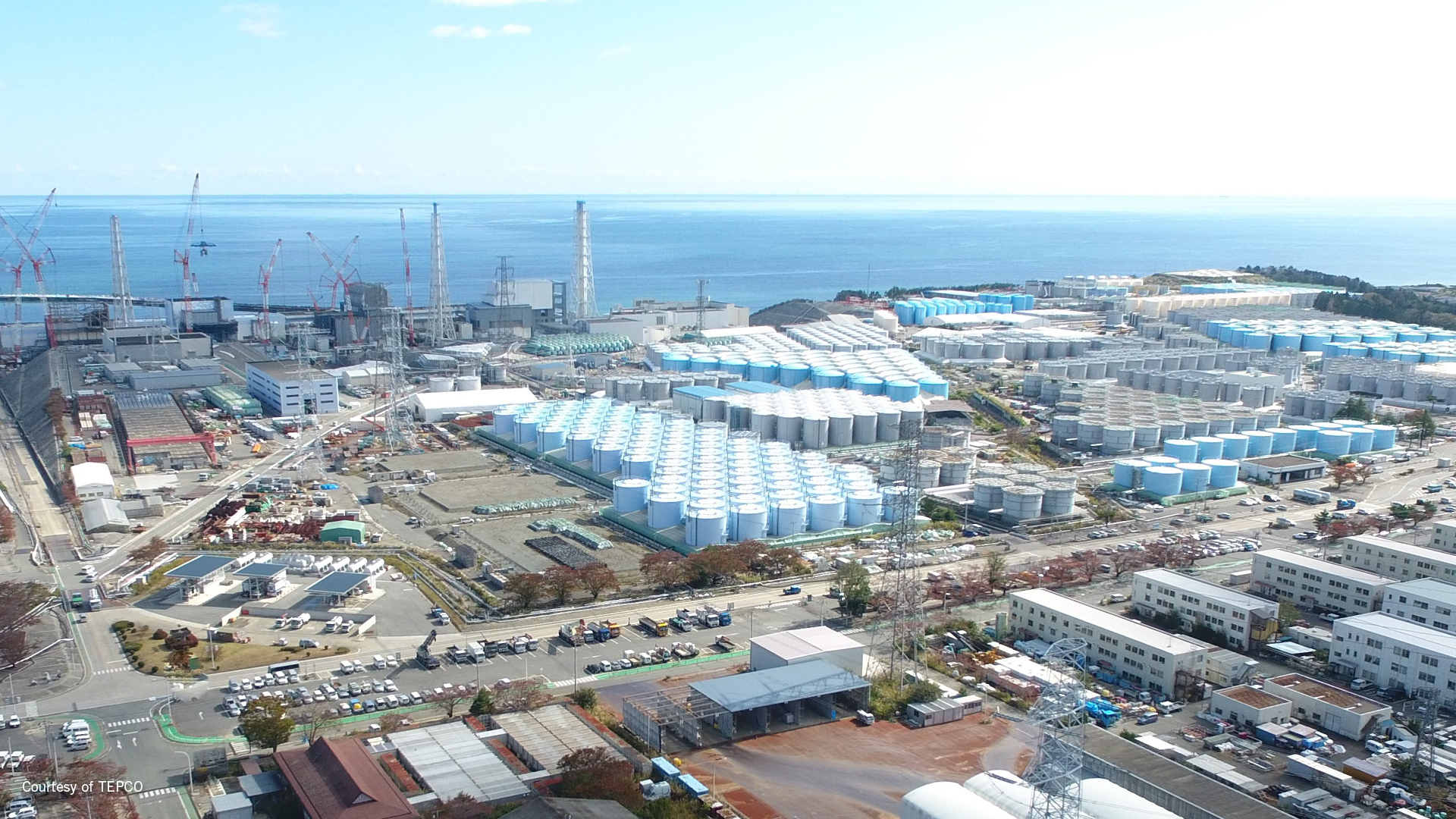
A look at Fukushima Daiichi today. (Photo: The Asahi Shimbun via Getty Images)
News programmers’ hunger for stories about the aftermath of the earthquake and subsequent tsunami that caused three reactor meltdowns at Fukushima Daiichi in March 2011 shows no signs of abating.
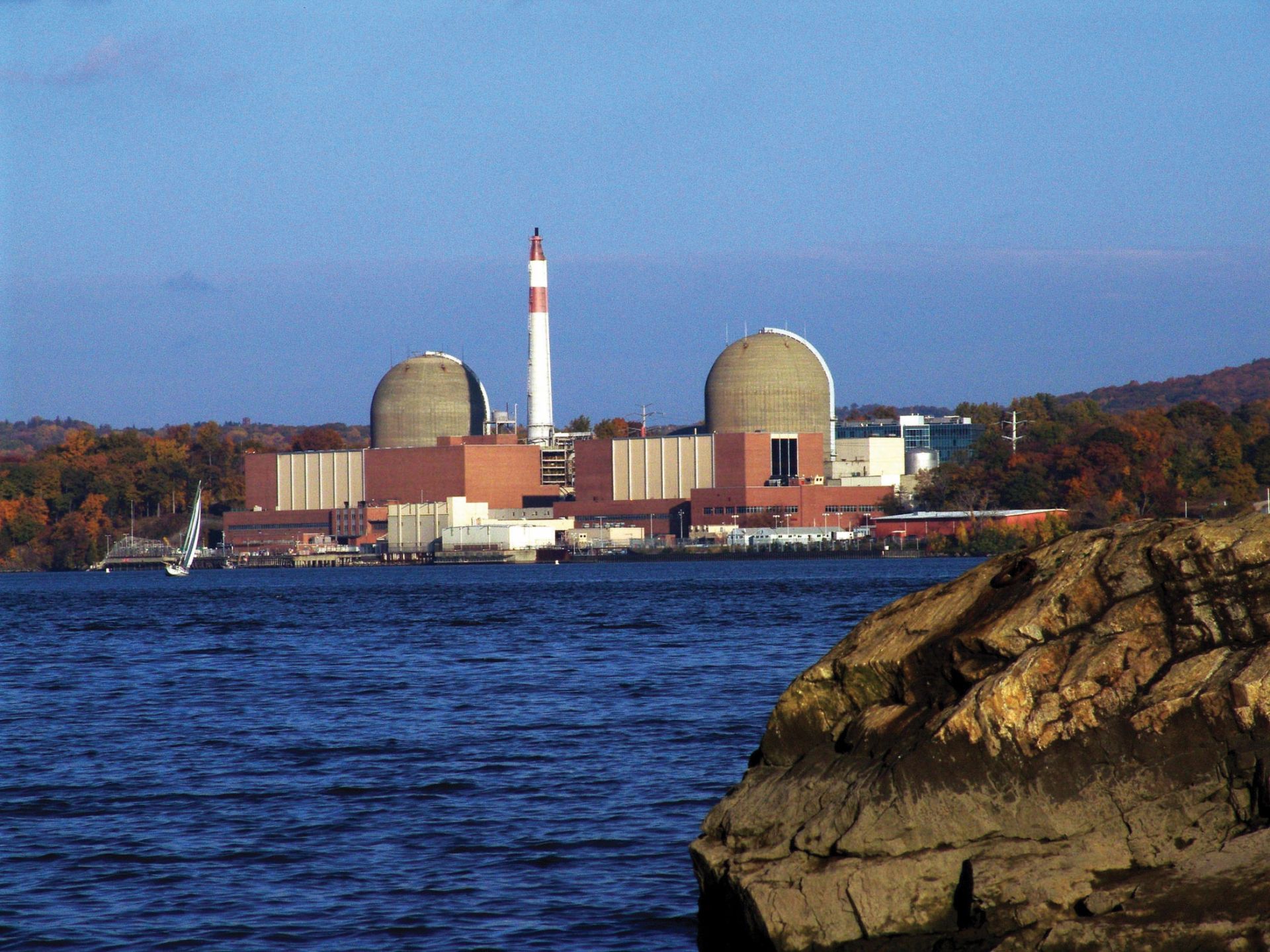
New York’s Indian Point-3 was scheduled to close in April 2021.
At present, more than 20 commercial nuclear power plants in the United States have entered the decommissioning process, and many indicators point to a coming wave of additional plant closures. Indeed, with increasing numbers of plants terminating operations due to unfavorable market conditions, some voices have deemed this the “age of decommissioning.”
Regardless of whether a plant shuts its doors earlier than anticipated or seeks a life extension through relicensing, all plants eventually close. When they do, the closure sets off a wave of economic impacts ranging from minor disruptions to severe and long-lasting harm.