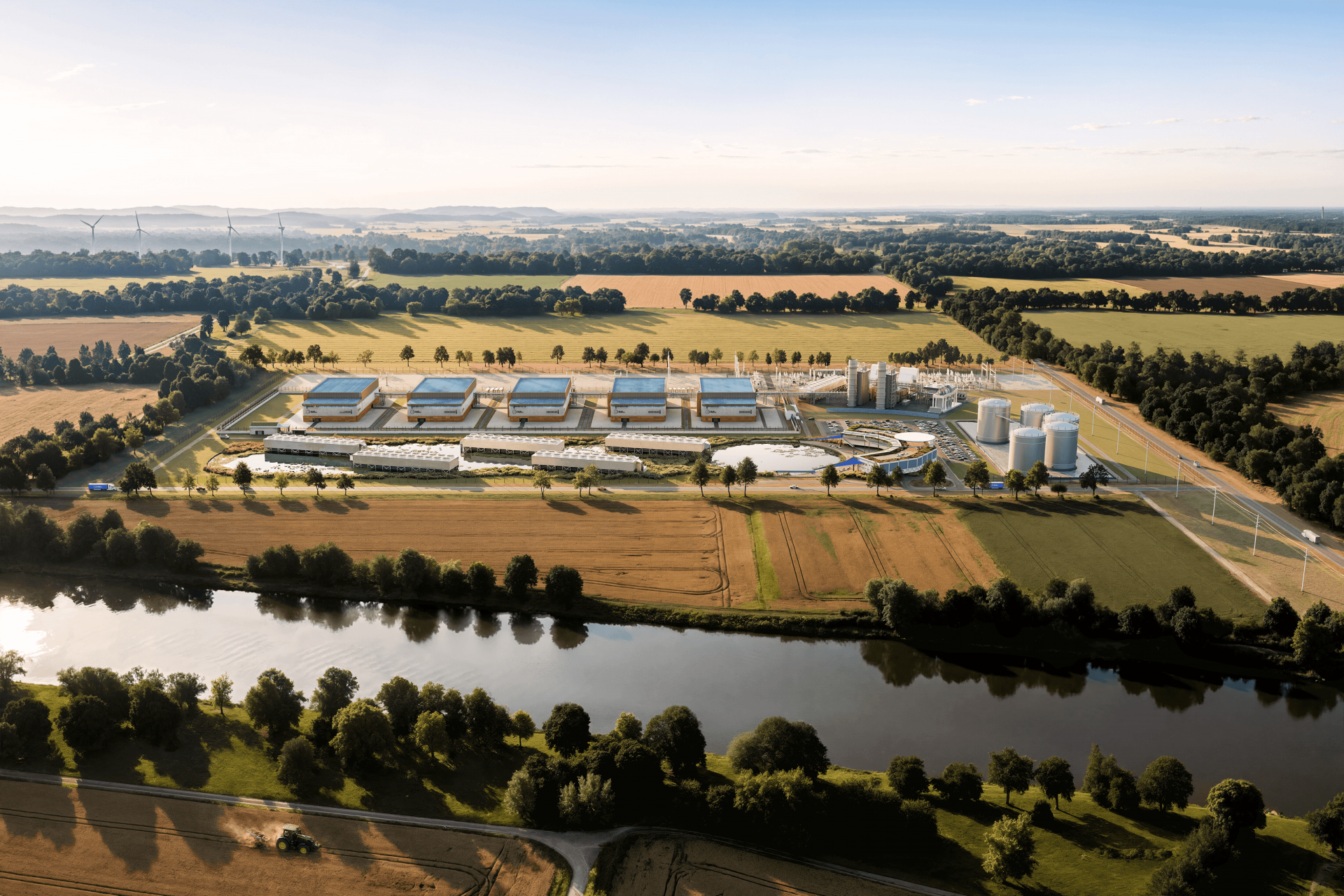
Agreement advances Texas gas-plus-nuclear concept to next phase

Plans between GE Vernova Hitachi Nuclear Energy and Blue Energy to build a “gas-plus-nuclear” power plant have advanced beyond a strategic collaboration, with an agreement now in place.
Ageing nuclear assets don't have to mean higher maintenance costs. Discover how HVTS® cladding helps extend the life of PWR secondary system components, reduce outage duration, support ALARA principles, and protect against FAC, erosion-corrosion and other degradation mechanisms. Learn more.

Plans between GE Vernova Hitachi Nuclear Energy and Blue Energy to build a “gas-plus-nuclear” power plant have advanced beyond a strategic collaboration, with an agreement now in place.
GE Vernova has formed a strategic collaboration with nuclear project financing and manufacturing firm Blue Energy to “advance the world’s first gas-plus-nuclear power plant.” The companies say that they intend to design and develop a power plant using GE Vernova Hitachi Nuclear Energy BWRX-300 small modular reactors and GE Vernova gas turbines to meet electricity demands related to AI and advanced manufacturing. Subject to a final investment decision in 2027, the first plant is to be located at a Blue Energy site in Texas and will power a nearby data center campus.

Jake Jurewicz
Nuclear technology is mature. It provides firm power at scale with minimal externalities and has done so for decades. The core problem isn’t about the technology—it is how the plants are built. Nuclear construction has a well-documented history of cost and schedule overruns. Previous nuclear plants often spent more than twice what was first budgeted, making nuclear among the power technologies with the largest average cost overruns worldwide.
Recent projects illustrate how severe the problem can be. In South Carolina, the V.C. Summer nuclear expansion saw projected costs rise from roughly $10 billion to more than $25 billion before the project was abandoned in 2017, by which time more than $9 billion had already been spent and customers were stuck paying for a site they have yet to benefit from.