
GAO: Clarification of HLW definition could save DOE billions
March 31, 2026, 9:29AMNuclear News
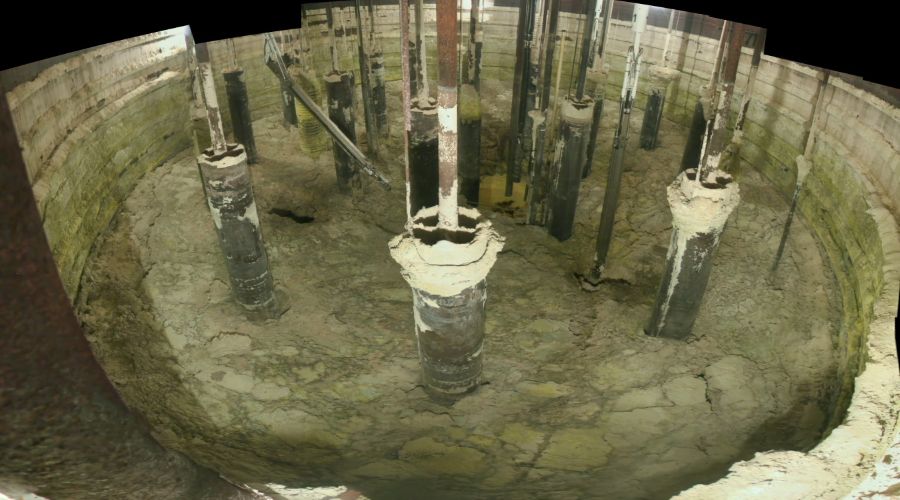
A photo from inside the AX-101 underground waste tank at the DOE’s Hanford Site in Washington. (Photo: DOE)

A clearer definition of what constitutes high-level radioactive waste could save the Department of Energy’s Office of Environmental Management “tens of billions of dollars” in waste management costs and accelerate its cleanup schedule by decades, according to a report by the U.S. Government Accountability Office.

DOE-EM’s efforts to manage waste resulting from legacy spent nuclear fuel reprocessing have been hindered for decades by the ambiguity of the statutory definition of HLW as laid out in the Atomic Energy Act and Nuclear Waste Policy Act, the report states. While admitting that the DOE has taken steps to overcome this ambiguity, the GAO says that the department has not fully evaluated all available opportunities to treat and dispose of waste more economically as either transuranic or low-level radioactive waste.

How a nuclear victory at COP27 started with a teen and a text

December 15, 2022, 7:02AMANS News

As Seth Grae was preparing to return home from COP27, where he attended as an American Nuclear Society delegate, he had no idea that he was about to be part of a last-minute win for nuclear energy. Grae, the founder and chief executive officer of Lightbridge Corporation (NASDAQ: LTBR), felt that the nuclear industry had exceeded expectations at the two-week conference in Sharm el-Sheikh, Egypt. The first-ever International Atomic Energy Agency pavilion dedicated solely to nuclear energy was buzzing with delegates eager to educate the public. But hours before COP27 was to end, Grae received a text—the message of which would end up reaching the conference negotiation room.

The text came from a delegate, a teenager from Sweden who spotted an issue with the preliminary draft of the final COP27 decision.

NIA: Repeal restriction on foreign ownership, control, domination of U.S. reactors

August 10, 2020, 10:22AMAround the Web

A new report from the Nuclear Innovation Alliance, U.S. Nuclear Innovation in a Global Economy: Updating an Outdated National Security Framework, argues for the repeal of the Atomic Energy Act’s restriction on foreign ownership, control, or domination of nuclear reactors—the so-called FOCD provision.