-3 2x1.jpg)
Nuclear engineering programs: Building the new nuclear workforce
In order to deliver the next generation of nuclear power plants, the nuclear community needs to overcome a number of challenges identified in 2017 as part of the ANS Nuclear Grand Challenges presidential initiative. Knowledge transfer is one of the nine challenges identified. The goal of the challenge is to “expedite updates to the higher education Nuclear Engineering curriculum to better match today’s needs.”
The Nuclear Grand Challenges report noted that “effective means to transfer that knowledge to the newest group of scientists and engineers needs to be developed and implemented. With the advent of new reactor designs and the challenges within materials science to meet the needs of these new designs, the curriculum structure must be reviewed and updated to better meet the needs of industry, suppliers, and research organizations.”
Nuclear engineering programs at universities around the country are integral to training and developing the workforce to implement the next generation of nuclear energy. Nuclear News reached out to several such nuclear engineering departments, asking them to provide our readers with an update on how their unique programs are helping meet this important challenge.
 This article presents responses from various community members about those who inspired them—or the events or things that inspired them—to go on to have careers in nuclear.
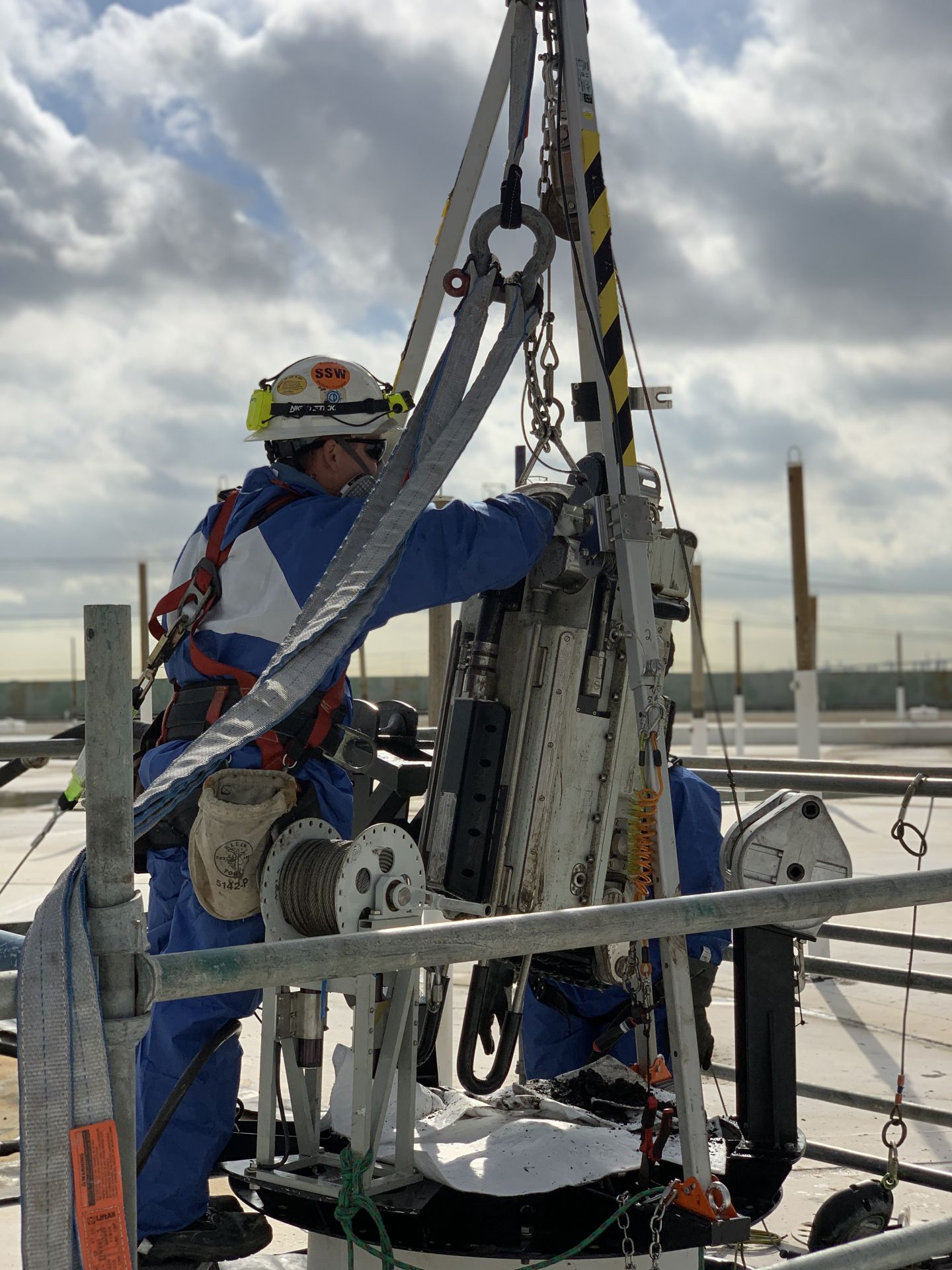


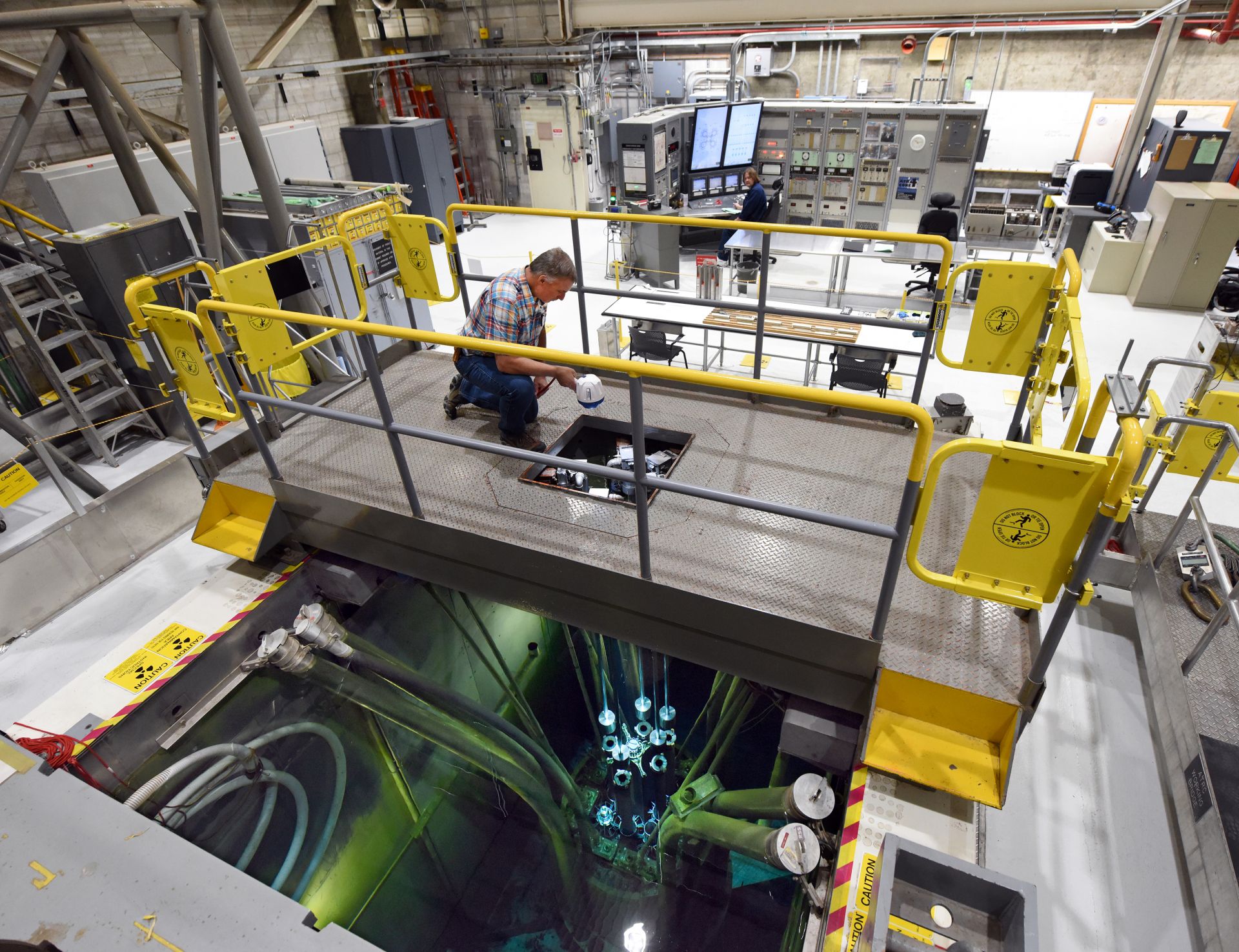
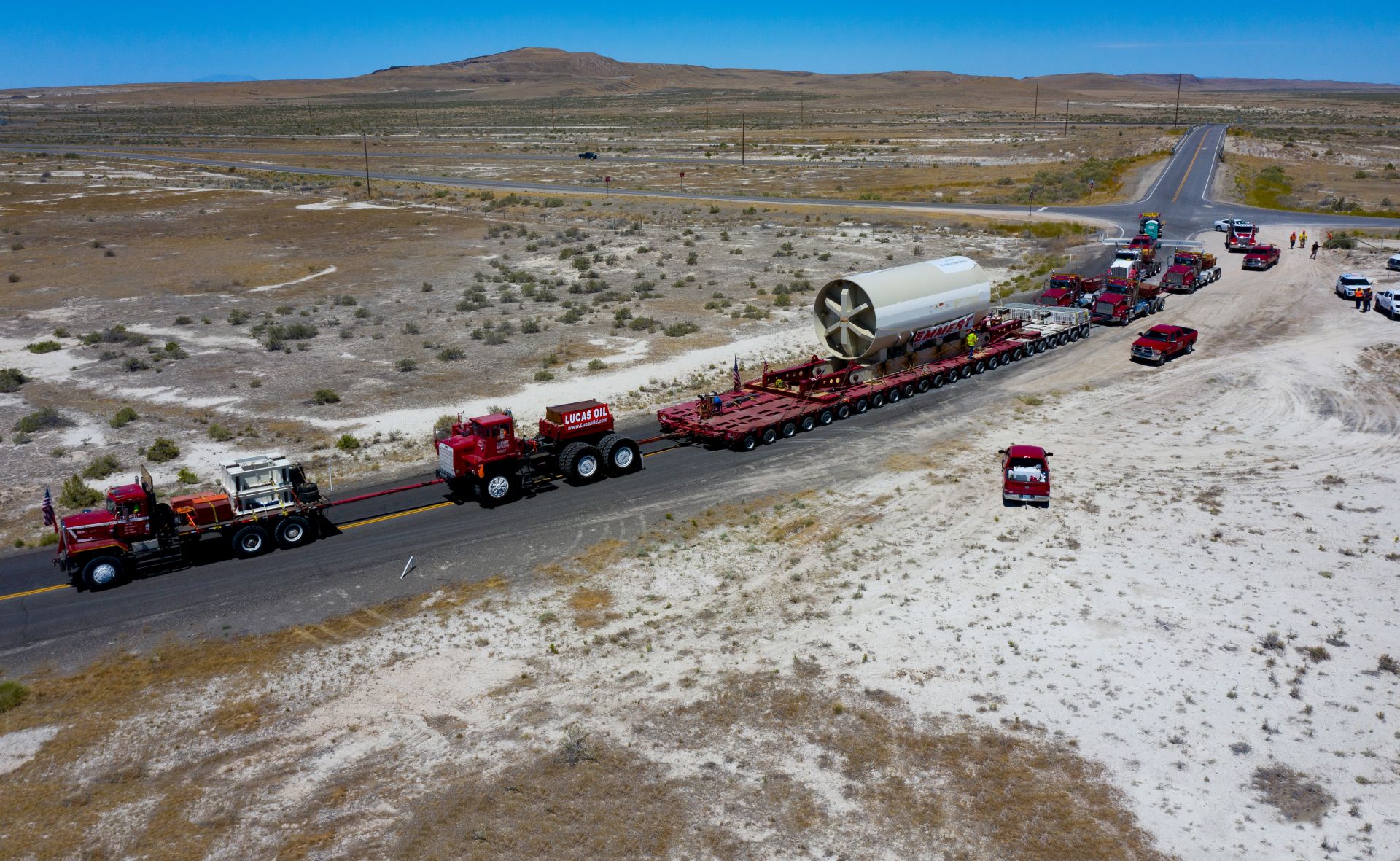
 On March 9, the Department of Energy’s Office of Environmental Management (EM) released its first strategic plan in several years. Titled “A Time of Transition and Transformation: EM Vision 2020-2030,” and called the Strategic Vision1, the document outlines the past accomplishments in cleaning up legacy nuclear waste and provides a broad overview of the initiatives that EM plans to put into motion over the next decade, “laying the groundwork for a long-term plan to realize meaningful impact on the environmental cleanup mission.”2
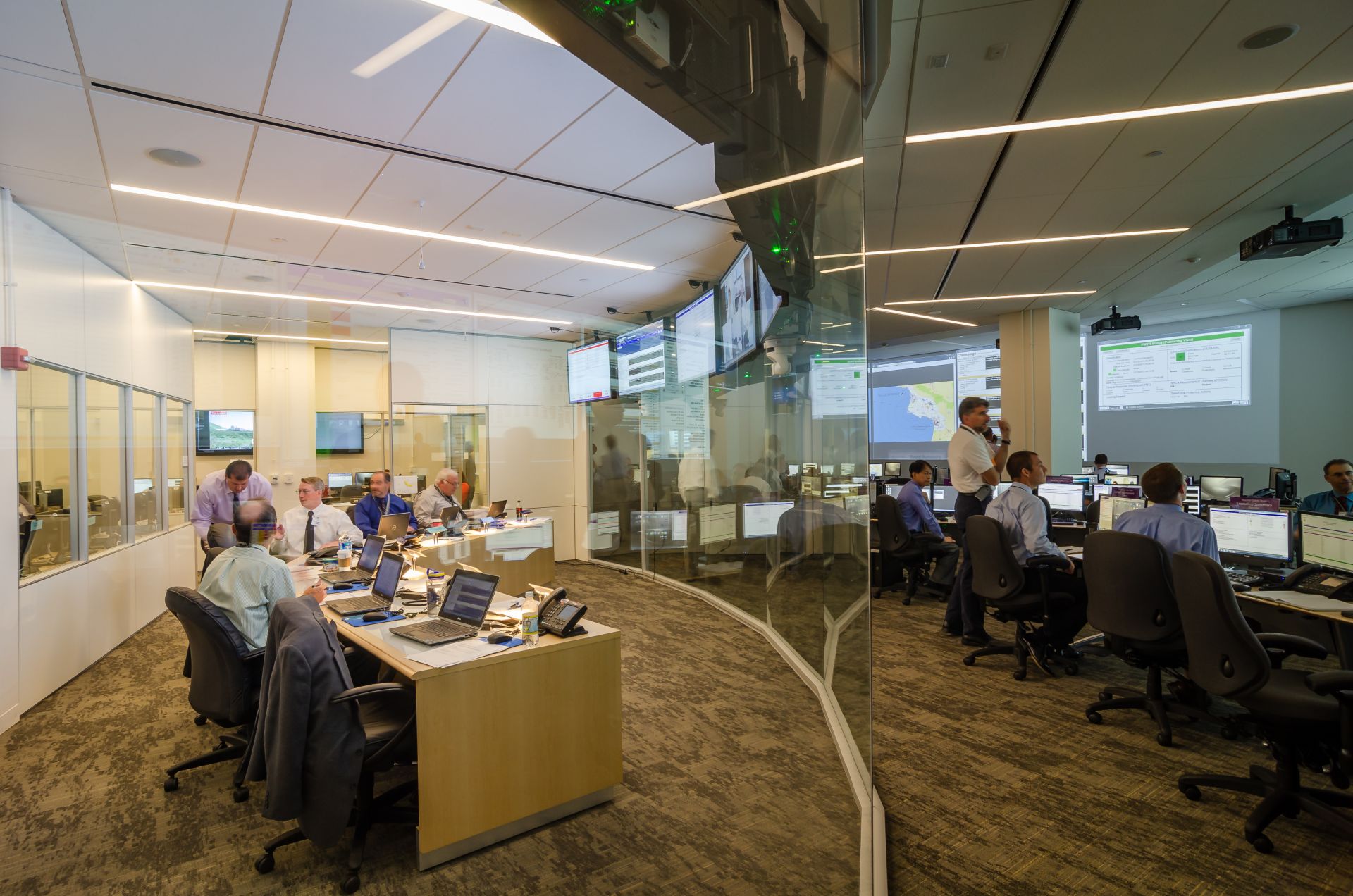 One essential lesson from the events at Three Mile Island-2 in March 1979 can be summed up in three words: Preparedness takes practice. The emergency response capacity of the Nuclear Regulatory Commission and nuclear plant operators is more than just a set of procedures. Active training and evaluation are required to coordinate effectively with local and state authorities and protect the public in the event of an off-site radiological release.
 Radiation has benefited mankind in many ways, including its use as an energy source and an indispensable tool in medicine. Since the turn of the 20th century, society has sought ways to harness its potential, while at the same time recognizing that radiological exposures need to be carefully controlled. Out of these efforts, and the work of many dedicated professionals, the principles of justification, optimization, and limitation have emerged as guiding concepts.